Dive Brief:
- Beam Therapeutics said Tuesday that a precision gene editing treatment it’s been working on succeeded in a pivotal trial, helping free people with sickle cell disease from the severe bouts of pain associated with their condition.
- The results for ristoglogene autogetemcel, or “risto-cel,” represent the first positive late-stage readout for a drugmaking approach known as “base editing.” Beam says it plans to submit an approval application to the Food and Drug Administration by as soon as the end of the year.
- Sickle cell disease, a genetic disorder largely affecting people with African ancestry, is already the target of two marketed genetic therapies called Casgevy and Lyfgenia, both of which initially saw slow uptake. Those treatments, however, are built on different underlying technologies. Beam’s shares fell as much as 10% in Tuesday morning trading.
Dive Insight:
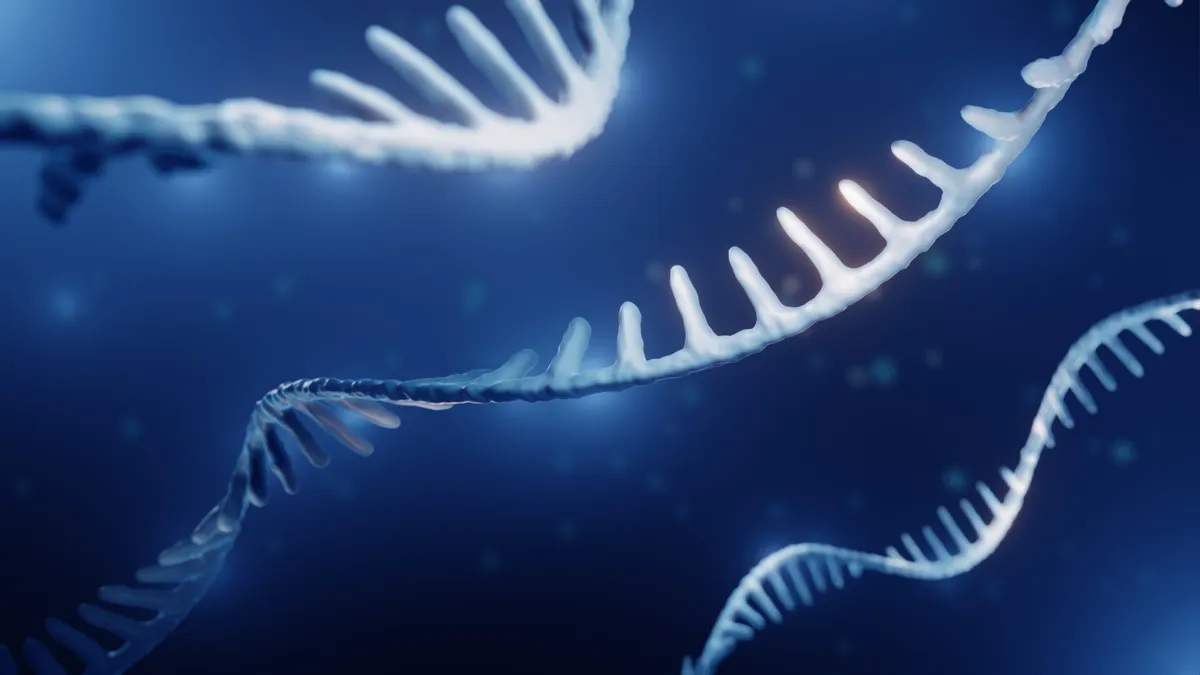
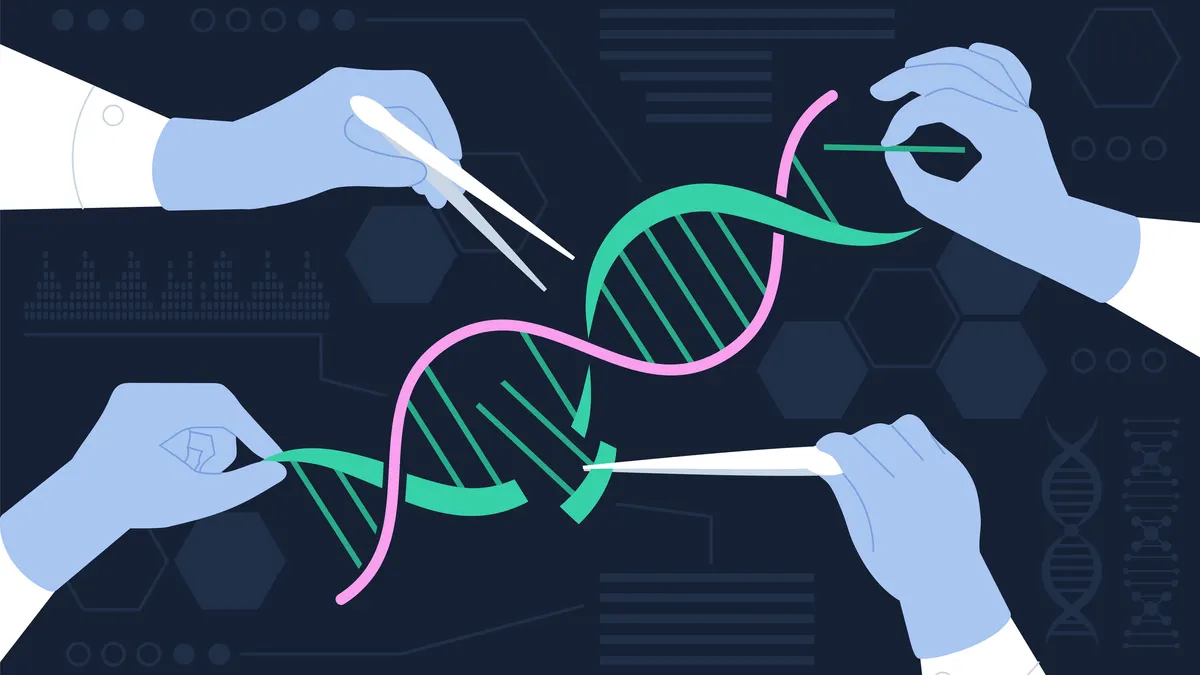
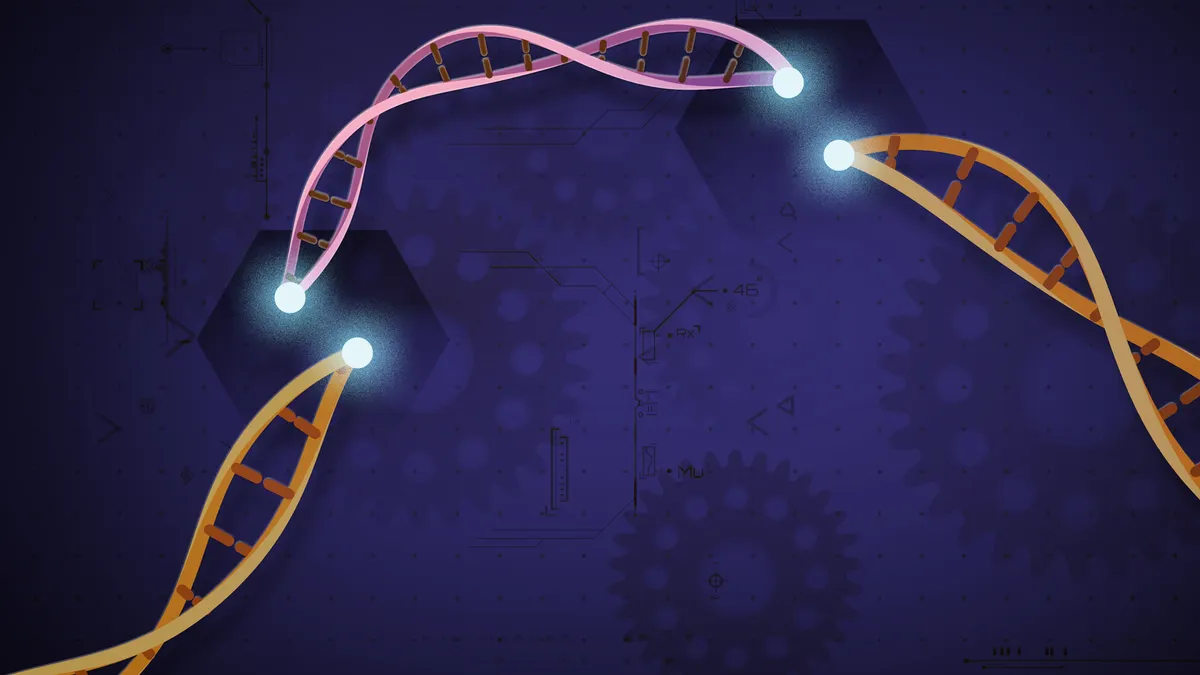
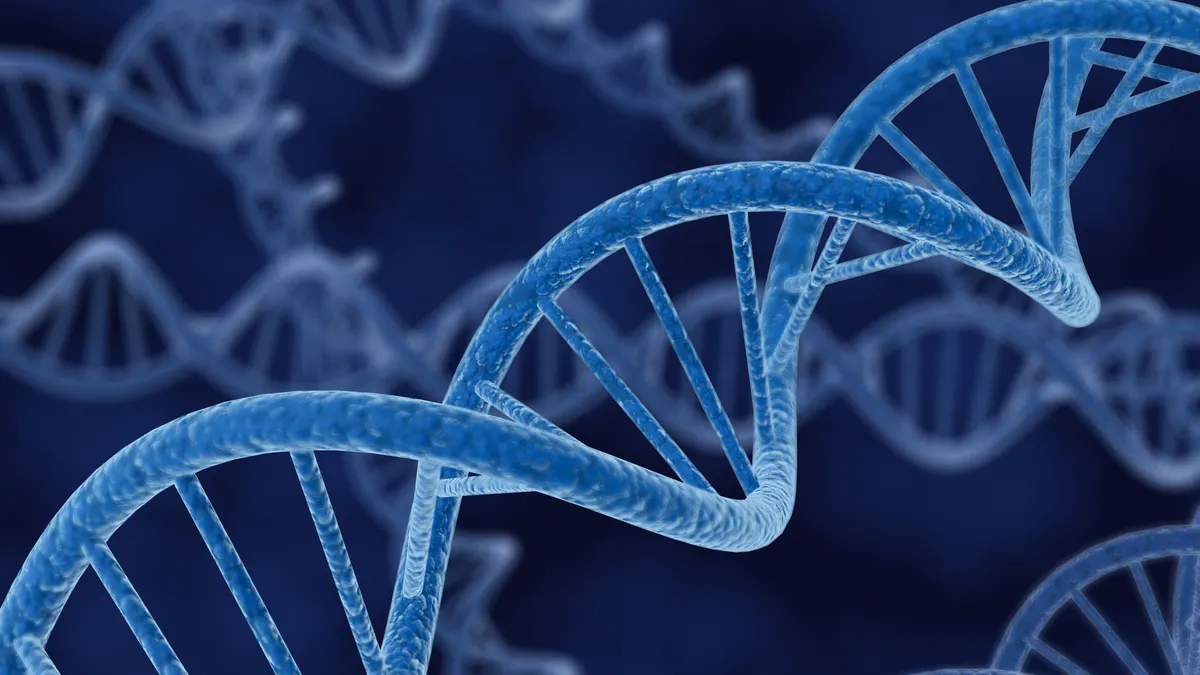
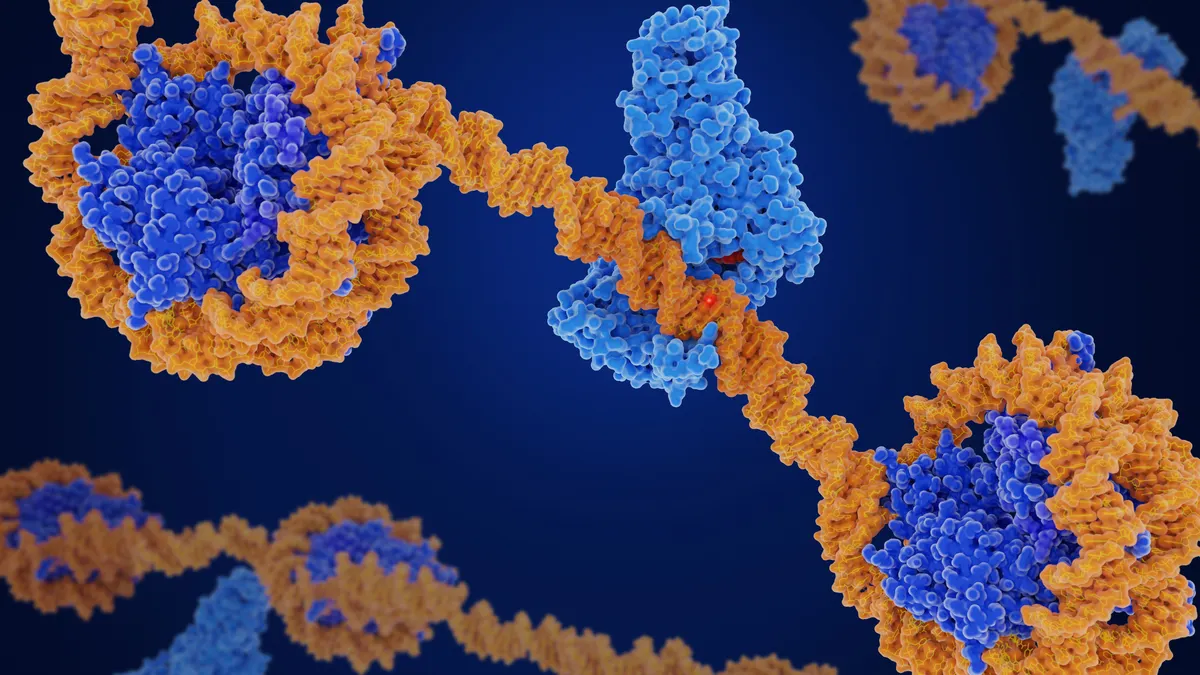
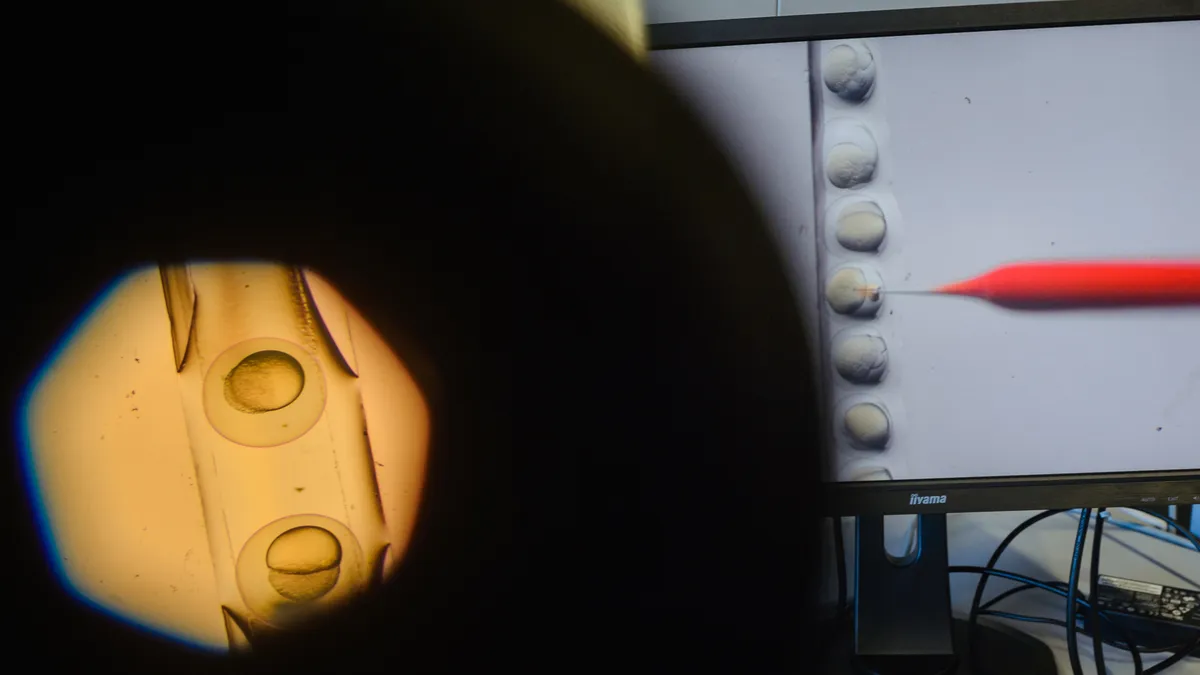
Base editing is a newer form of gene editing that can precisely change individual nucleotides, or “letters,” in a DNA sequence. The technology offers a pinpoint solution for treating genetic conditions and, in contrast to older CRISPR approaches, doesn’t cut through DNA.
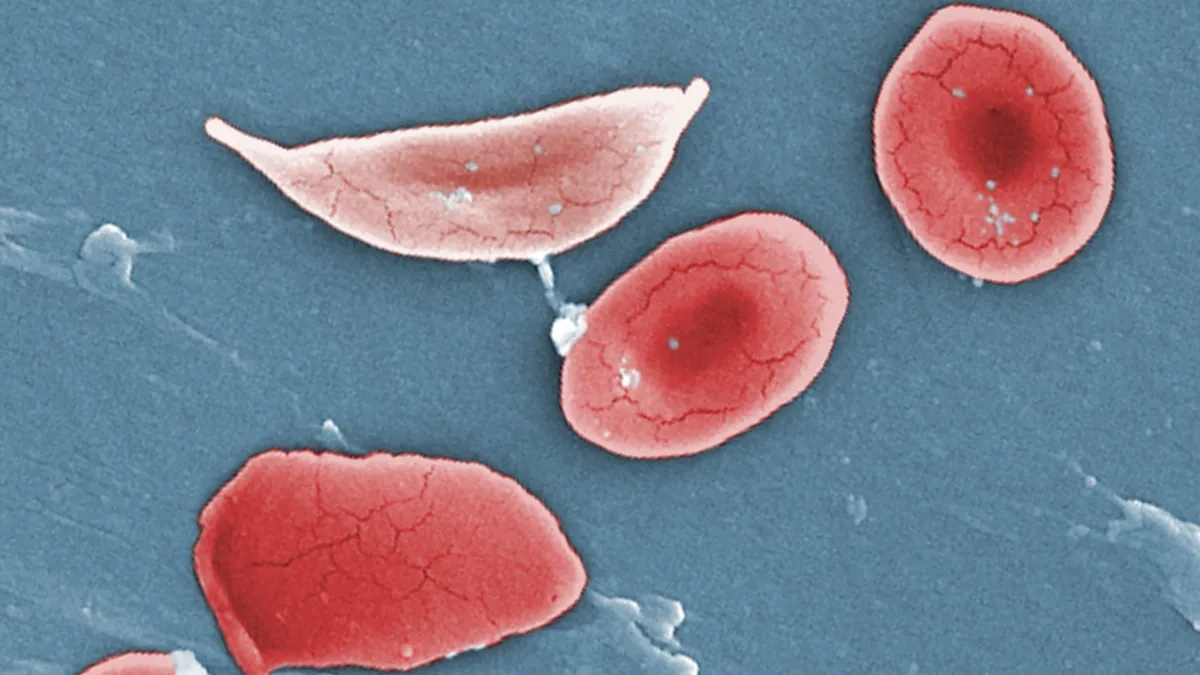
Both risto-cel and Casgevy — the latter of which is made with CRISPR technology — are made by extracting and re-engineering patients’ own cells to switch on production of a special oxygen-carrying protein known as “fetal hemoglobin.” Those new cells are then transplanted back into the patient, where they head to the bone marrow and start producing normal blood cells. These biological effects are meant to stop the formation of sickle-shaped blood cells and the painful “vaso-occlusive crises,” or VOCs, they cause.
The data Beam released Tuesday came from a group of 31 patients who’d completed treatment and 12 months of follow-up as of Oct. 20. Without releasing specific details, Beam said risto-cel achieved its primary goal of “freedom from severe VOCs.” The treatment hit secondary objectives, such as a reduction in hospital stays associated with VOCs, as well.
The data represent a “defining milestone for risto-cel and for Beam’s base editing technology more broadly,” CEO John Evans said in a statement.
Should risto-cel gain approval, Beam will compete in a treatment landscape that includes less-invasive drugs like hydroxyurea and l-glutamine, blood transfusions and stem cell transplants.
Beam would also be third to market with a genetic therapy for sickle cell, meaning it’ll have to battle with already established therapies in Lyfgenia and Casgevy. The developers of those other medicines, Genetix Biotherapeutics (formerly known as Bluebird Bio) and a partnership between Vertex Pharmaceuticals and CRISPR Therapeutics, struggled early on to sell their therapies.
Genetix, for instance, sold itself after having a difficult time marketing Lyfgenia and other gene therapies. And only five people got Casgevy in the second half of 2024.
Vertex has since reported an upswing in Casgevy sales, though. The number of patients receiving treatment rose to 64 in 2025, leading to $116 million in total revenue. Vertex then recorded $219 million in Casgevy sales through the first nine months of 2026.
Speaking to analysts with RBC Capital Markets in September, Beam’s management team contended that uptake for these kinds of treatments has been limited by “supply constraint[s],” rather than slow demand or reimbursement issues, according to a client note.
Risto-cel is likely to be attractive to providers and patients because it has a shorter manufacturing process and requires fewer cycles of treatment to mobilize the gene-edited cells to work, the RBC analysts wrote at the time.