Detailed findings from a closely watched clinical trial hint that a new kind of drug may offer similar benefits as approved medicines in early Alzheimer’s disease, a result that could boost the outlook for a long-studied but unproven area of scientific research.
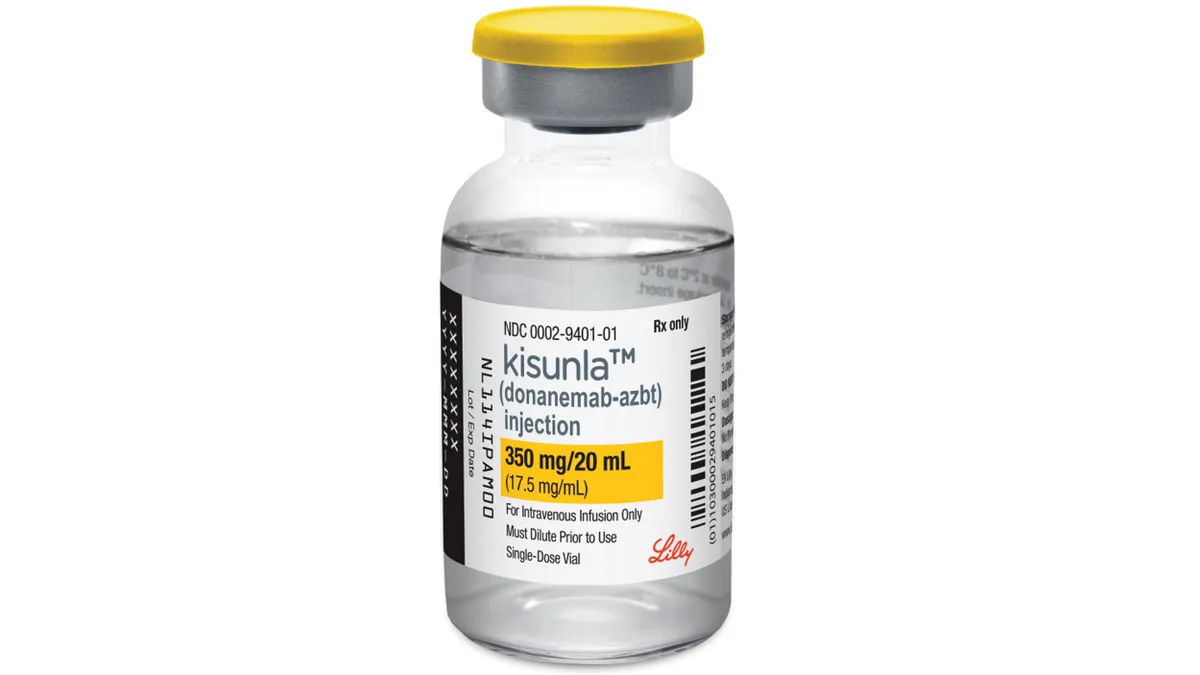
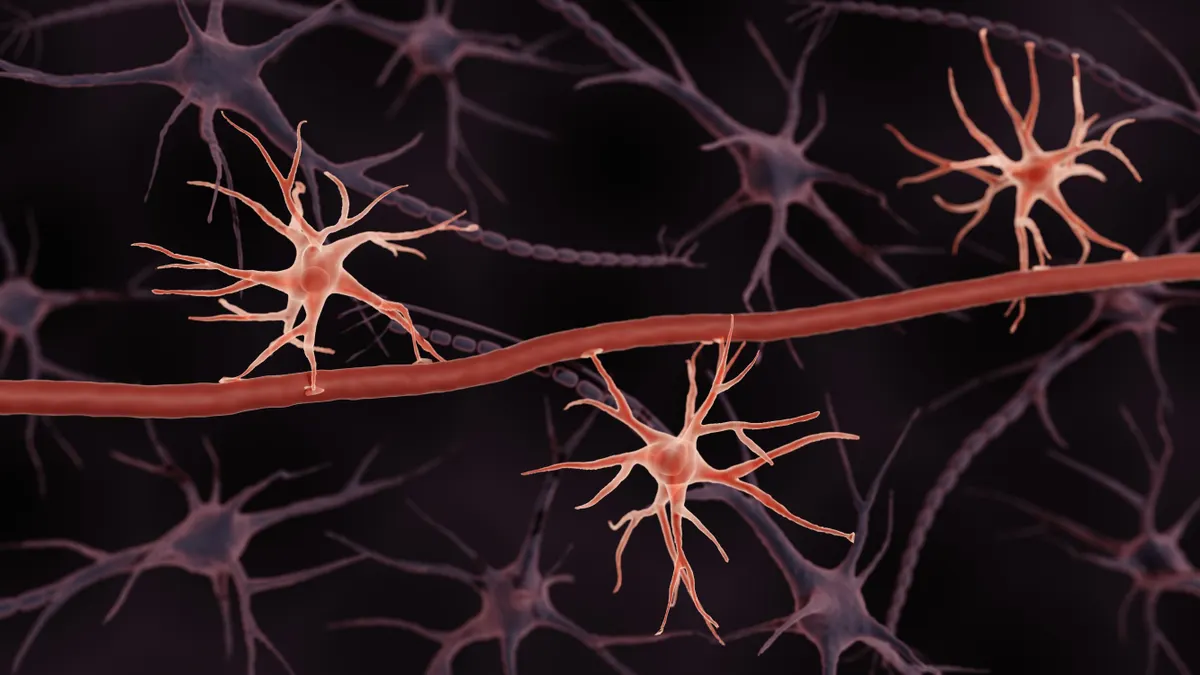
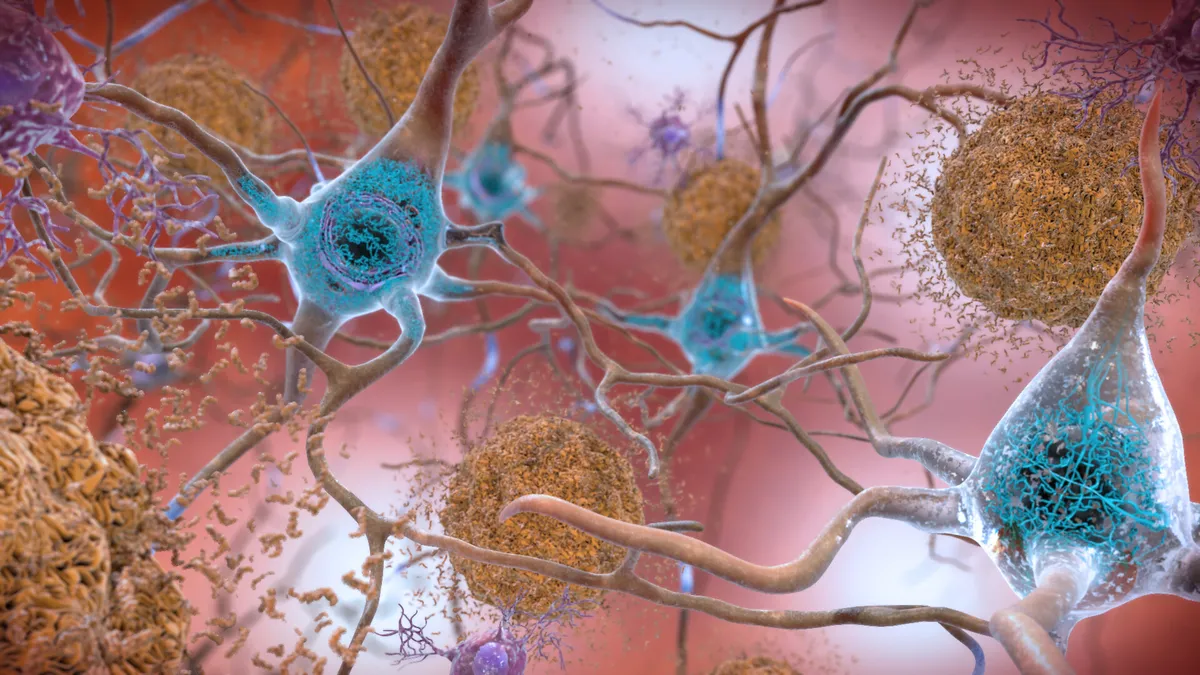
The mid-stage “Celia” trial explored whether a Biogen drug codenamed BIIB080 would be any better than a placebo at slowing the mental or functional decline of Alzheimer’s patients showing early signs of cognitive impairment. Unlike in-use therapies such as Eli Lilly’s Kisunla and Biogen and Eisai’s Leqembi, which target harmful “amyloid” proteins, BIIB080 works by gumming up the genetic instructions cells use to create another Alzheimer’s-linked protein called tau.
Researchers evaluated three different doses of the experimental drug and, according to results presented Tuesday at a scientific conference, found each was more effective than the placebo after 18 months of treatment. These effects were most pronounced in the lowest dose arm, where clinicians reported a 26% slowing of decline on a widely used scoring system, the “CDR-SB,” that gauges how Alzheimer’s patients are faring both mentally and in daily living.
Notably, the pivotal study which led to Leqembi’s approval demonstrated a 27% slower decline on the CDR-SB over an 18-month period. There are, however, major differences between the two experiments. The main goal of Celia, for instance, was actually to show BIIB080’s effects correspondingly change as the dose goes up. Since the opposite occurred, the trial technically failed.
Biogen disclosed this failure in mid-May, but said it would advance its drug into late-stage testing anyway because of the cognitive benefits and tau reductions that researchers observed. Along with the CDR-SB, the study used a handful of other tools to further track cognition and function. In the lower dose group, scores on several of these tests declined at least 23% and, by one measure, as much as 50% slower, though Biogen acknowledged the statistical significance for a majority of these endpoints was “nominal” compared with placebo.
The company also said its drug was generally well tolerated, with most adverse events being mild to moderate and not leading patients to stop treatment or withdraw from the study. Among the participants who completed the core portion of the trial, more than 90% chose to continue on into an “extension” phase.
The results raise questions, like why higher or more frequent dosing didn’t spur greater effects, or why certain patients — both in the placebo group, but more so in the drug arms — experienced “confusional states” after treatment.
They may also stir debate about the ultimate reach of tau-targeting therapies. Alzheimer’s drug developers have long hypothesized that such medicines may be most useful later in the disease compared to their amyloid-lowering counterparts, since misfolded amyloid starts to accumulate years, if not decades, before toxic clumps of tau spread over the brain and drive symptoms.
That BIIB080 appeared to slow disease progression in these patients with mild cognitive impairment could strengthen the case for incorporating tau drugs earlier in the treatment plan.
“This is really the first time anyone has shown tau reduction … leads to cognitive benefit at an effect that looks comparable to amyloid lowering,” said Diana Gallagher, who heads Biogen’s development units for Alzheimer’s, dementia, multiple sclerosis and immunology.
The possibility that doctors could have two types of Alzheimer’s-impacting medicines in their toolkits would be “amazing,” Gallagher added, and “open up a lot of fascinating questions” about when patients will most benefit from being on one therapy versus potential combinations.
Last week, B. Riley Securities analyst Mayank Mamtani wrote in a note to clients that the Celia readout would be the key “de-risking event” for the field of tau drug development, which has seen several seemingly promising therapies fail in clinical testing. It would also set the bar for fellow companies in the space, namely Denali Therapeutics and Arrowhead Pharmaceuticals.
Analysts at Cantor Fitzgerald, meanwhile, crunched the numbers on a series of scenarios to determine whether Biogen’s investment in BIIB080 — which is also known as diranersen — is sound. They estimated a Phase 3 program would cost around $580 million, inclusive of milestone payments to Ionis Pharmaceuticals, which originally developed the drug before handing over rights per terms of an agreement inked in 2018.
That spending would make strategic sense, according to Cantor analyst Joshua Schmidt, provided BIIB080 comes to market and follows a sales trajectory similar to Leqembi and Kisunla. However, Schmidt’s team still has concerns Biogen is again “making a very large bet on a neurodegenerative disease program that may be associated with a lower probability of success than the rest of its pipeline.”
“So the case for BIIB080 will likely be left up to the eye of the beholder,” Schmidt wrote. “From our perspective, we still wonder why [Biogen], of all companies, would want to reopen its past can of worms when the company seemingly has better investment opportunities” in immunology and elsewhere.