BrainChild Bio, a cell therapy developer making CAR-T treatments for children with rare brain cancers, has banked $116 million in a round of venture financing, the company announced Tuesday.
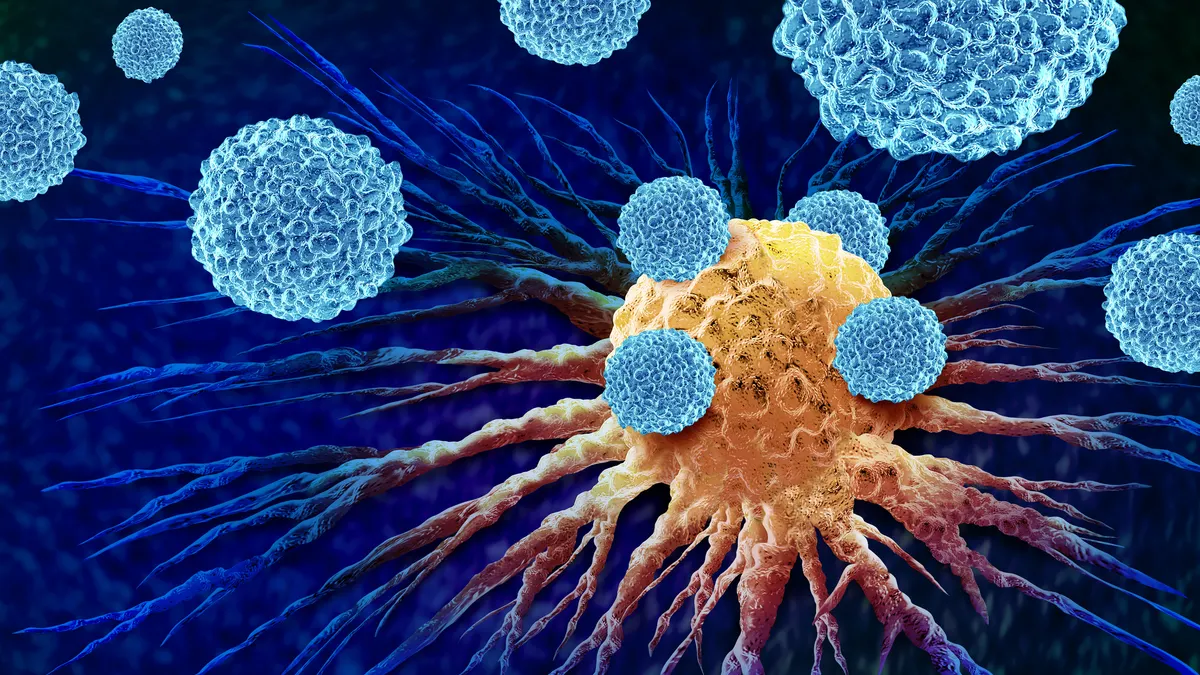
CAR-T therapies are powerful treatments engineered from immune cells. A handful have been approved to treat certain blood cancers, and many companies are studying their potential on other tumors and even autoimmune diseases.
But according to BrainChild founder and Chief Scientific Officer Michael Jensen, few companies have tried to test CAR-T treatments against brain cancer. “The prejudice is that the brain would be intolerant to having cells directly administered,” he said.
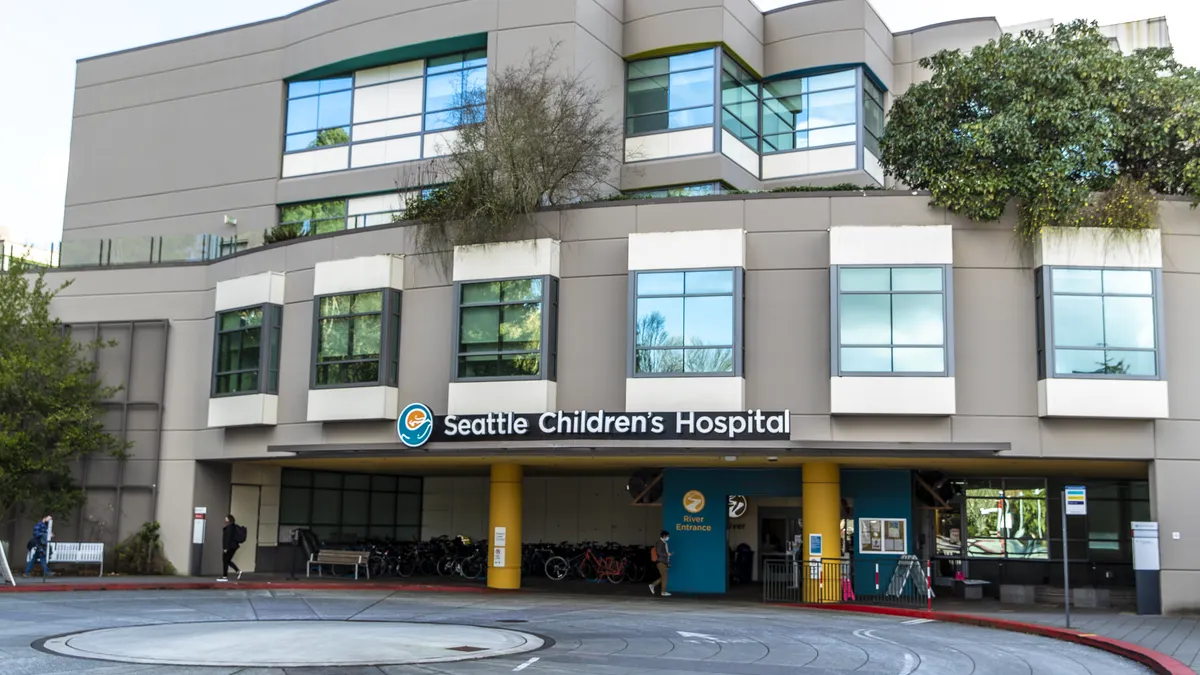
BrainChild is different. Spun out of research at Seattle Children’s Hospital three years ago, the company is working on a pair of brain cancer cell therapies designed specifically for children.
Focusing on kids isn’t typical for up-and-coming biotech companies, as the sales opportunities in uncommon childhood cancers pale in comparison to the larger markets for many malignancies afflicting adults. Yet BrainChild has already made considerable progress. One treatment, called BCB-276, is in Phase 2 testing in a rare and deadly brain stem tumor called diffuse intrinsic pontine glioma. Another, BCB-214, is in preclinical development for glioblastoma and is poised to start human testing next year, according to CEO Steven Brugger.
“Financing pediatric programs is and has always been more challenging,” Brugger said. “While I understand the business we're in, it is still so very disappointing to me and [Jensen], and especially for these patients and their families.”
Diffuse intrinsic pontine glioma, or DIPG, affects an estimated 300 children in the U.S. each year, according to the National Cancer Institute. Those tumors are usually treated with radiation, chemotherapy, and in some cases a surgical procedure that funnels fluid away from the brain. But most afflicted children die within two years of their diagnosis.
BCB-276 targets a protein called B7-H3 that’s overexpressed on a wide range of tumors, among them DIPG. Notably, recipients don’t have to get a chemotherapy conditioning regimen prior to treatment, as is usually the case with CAR-T therapies. That distinction enables BrainChild to envision administering multiple doses of its treatment. It also helps keep the re-engineered cells in the brain, which could lower the risk of systemic side effects — such as a hyperactive immune response called cytokine release syndrome.
“The blood-brain barrier is our ally,” Jensen said.
The ongoing Phase 2 study has a primary completion date in 2028, according to a federal database.
Behind BCB-276 is an experimental treatment called BCB-214. That treatment is designed to go after B7-H3 as well as two other targets overexpressed in glioblastoma, one of the most common and fatal forms of brain cancer. Jensen said the treatment has certain components that help the souped-up cells function in an “immunosuppressive” environment in and around glioblastomas.
Investors in BrainChild’s Series A round include Seattle Children’s and the venture arm of the Washington Research Foundation. An unnamed “private family fund and foundation” led the financing.