The Food and Drug Administration on Thursday cleared the first oral therapy for a rare and debilitating skin condition.
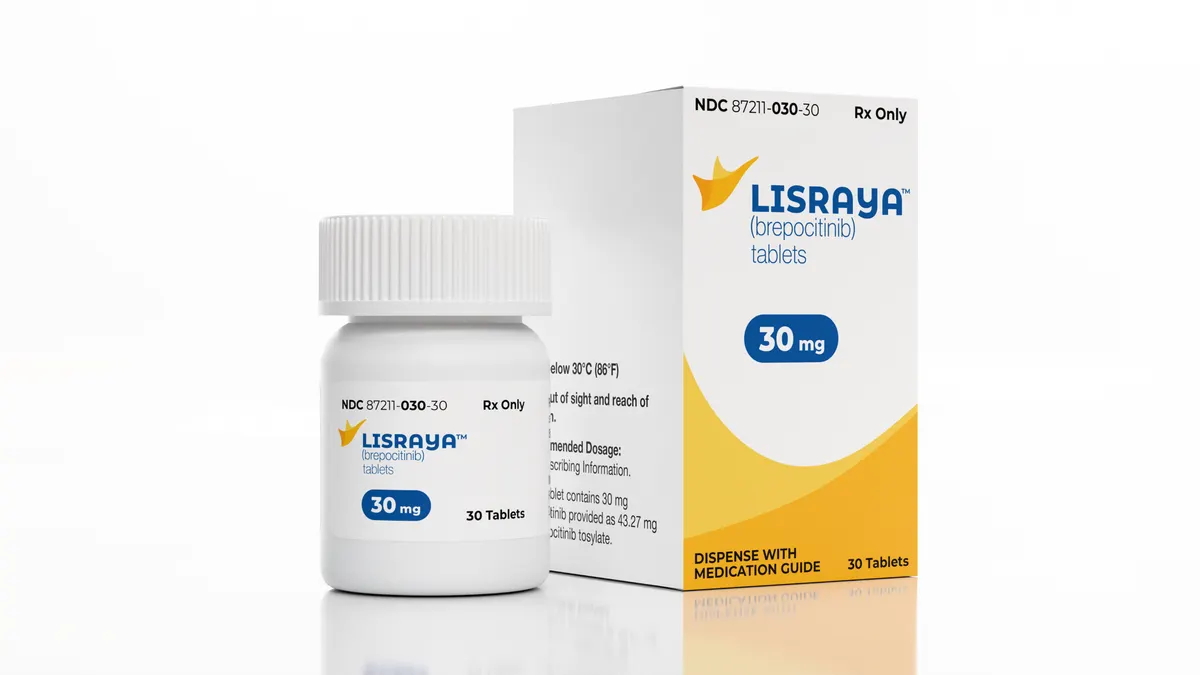
Called brepocitinib and to be sold as Lisraya, the drug was originally discovered by Pfizer and licensed to Priovant Therapeutics, a subsidiary of hub-and-spoke biotechnology company Roivant Sciences. It’s been cleared for use treating dermatomyositis, a condition that causes muscle weakness and skin lesions. A 30-day supply will have a list price of $35,000, executives revealed on a Friday conference call.
In a July interview with BioPharma Dive, Roivant CEO Matt Gline described the success biotechs like BridgeBio Pharma, Argenx and Insmed have had marketing their own drugs as a blueprint for Priovant. “We don't have to be an innovator commercially, we just have to learn from what other people have done and reproduce it,” Gline said at the time.
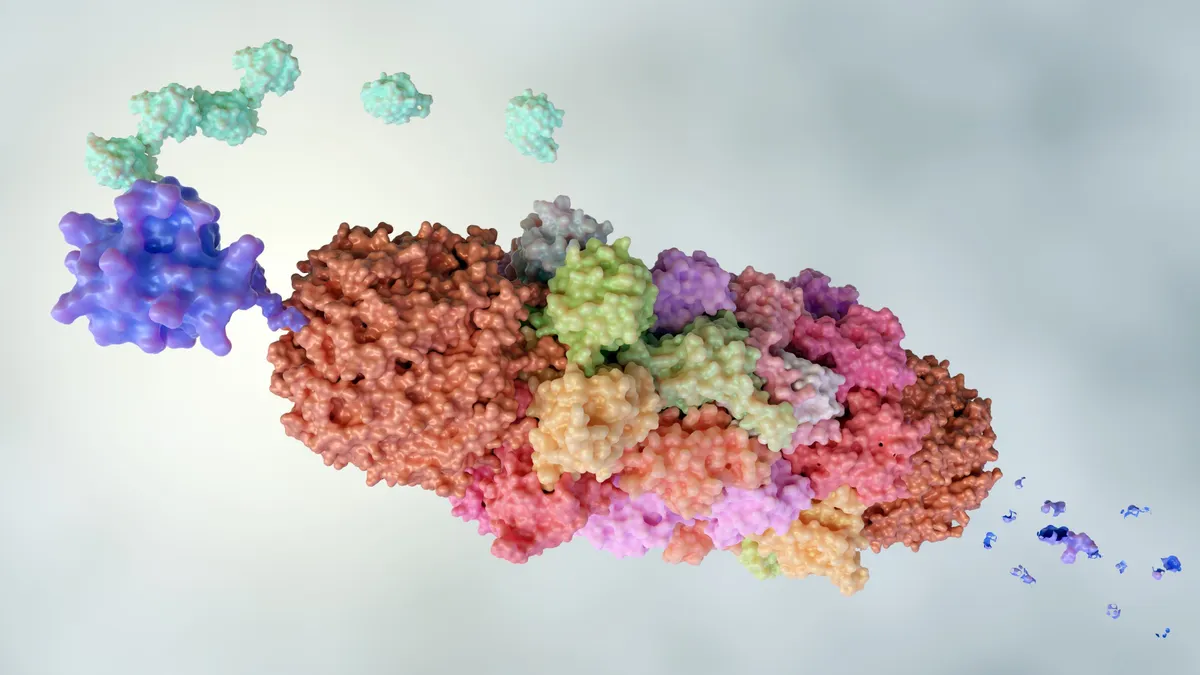
Taken once daily, Lisraya targets TYK2 and JAK1, two members of the family of “Janus kinase” or “JAK” proteins. Multiple drugs that block JAK proteins have been approved to treat autoimmune conditions like rheumatoid arthritis and eczema and some, like AbbVie’s Rinvoq, have become big sellers. But they’ve also been associated with serious safety issues.
Rather than challenge these drugs in broader immune conditions, Priovant zeroed in on rarer diseases with Lisraya. It’s been testing the drug in dermatomyositis as well as other inflammatory eye and skin disorders, where there’s less competition and approval paths might be quicker.
“We’ve chosen some markets that we've been able to pioneer, where they’re wide open and the unmet need is high,” Gline said. “They were well-tailored to the biological nature of the drug.”
Dermatomyositis affects an estimated 34,000 people in the U.S. and is typically managed with steroids, immunoglobulin infusions and the off-label use of certain immunosuppressive drugs. In Phase 3 testing, Priovant found that, over the course of a year, a 30 milligram daily dose of Lisraya was associated with better scores on a scale evaluating muscle strength, function, skin health and other signs of disease. More people taking Lisraya were also able to cut down or eliminate steroid use.
Additional data published in JAMA this week revealed more benefits on skin-related disease symptoms. About three-quarters of trial participants reported a clinically meaningful improvement in itching after a year on treatment, compared to 33% of enrollees taking a placebo. And nearly half of patients with moderate-to-severe skin disease at the study’s start achieved “remission-level outcomes” over that course of time, Priovant said.
“For too long, patients with dermatomyositis have faced a significant unmet need for effective treatments, often relying on therapies meant for other diseases,” said Nikolay Nikolov, the director of the FDA office that evaluates immunology and inflammation drugs, in a statement. “Today’s approval is a meaningful step forward, giving patients and their healthcare providers an approved oral therapy proven to help manage this rare and debilitating disease.”
The most common side effects for people taking Lisraya included infection, headache, fatigue, nausea and diarrhea. Testing showed Lisraya’s safety profile was “consistent” with other JAK inhibitors, Priovant said.
The drug’s prescribing information included the same kind of “boxed warning” as other JAK blockers. There were “no major surprises” in the label, and notably, “all important secondary endpoints” were included, wrote Leerink Partners analyst David Risinger in a Thursday client note.
Editor’s note: This story has been updated with pricing information.