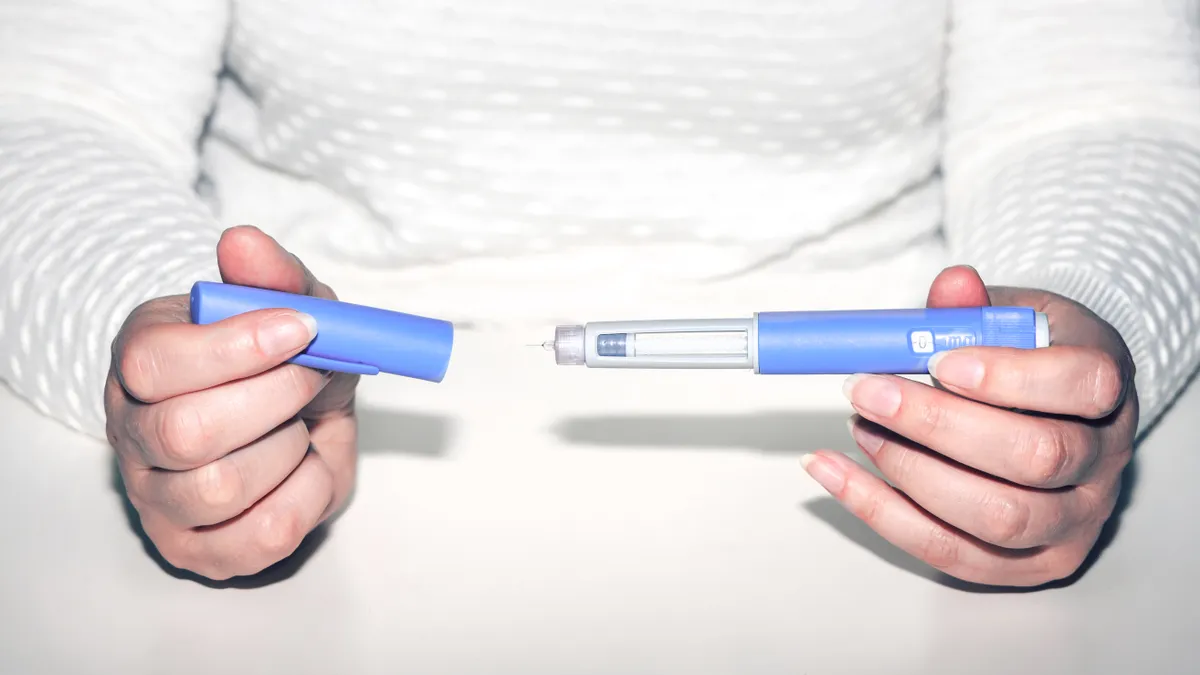
Dupixent, a drug cleared for eczema and many other autoimmune conditions, is one of the world’s best-selling medicines. But it doesn’t work for everyone, requires frequent injections and acts slowly, leaving opportunities for superior alternatives.
The race to one-up Dupixent has become one of the more competitive research pushes in the biopharmaceutical sector, with companies large and small advancing new options that might address the drug’s weaknesses. The prize is a piece of a market estimated to reach $37.3 billion by 2033, according to data analytics firm Grand View Research.
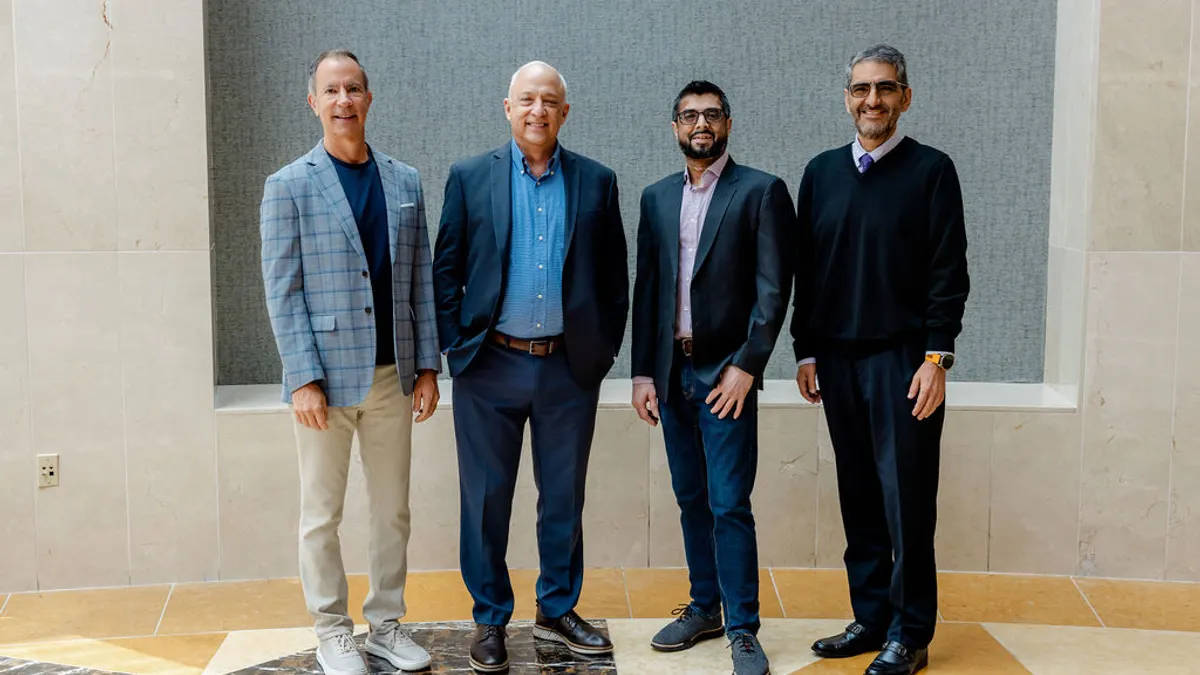
One of those entrants is Alameda, California-based Infinimmune, which on Tuesday announced that it raised $75 million in Series A venture funding to back its first two clinical prospects for the skin condition.
“The field is clinically crowded in atopic dermatitis, but is not commercially crowded,” CEO Wyatt McDonnell told BioPharma Dive. "From a mechanism perspective, the same thing is true. The existing systemic biologics treat a very specific inflammatory pathway.”

Four injectable biologics are approved to treat atopic dermatitis: Dupixent, Eli Lilly’s Ebglyss, Galderma’s Nemluvio and Leo Pharma’s Adbry. All target inflammatory cytokines like IL-13 or IL-31, and all are injected every 2 to 8 weeks.
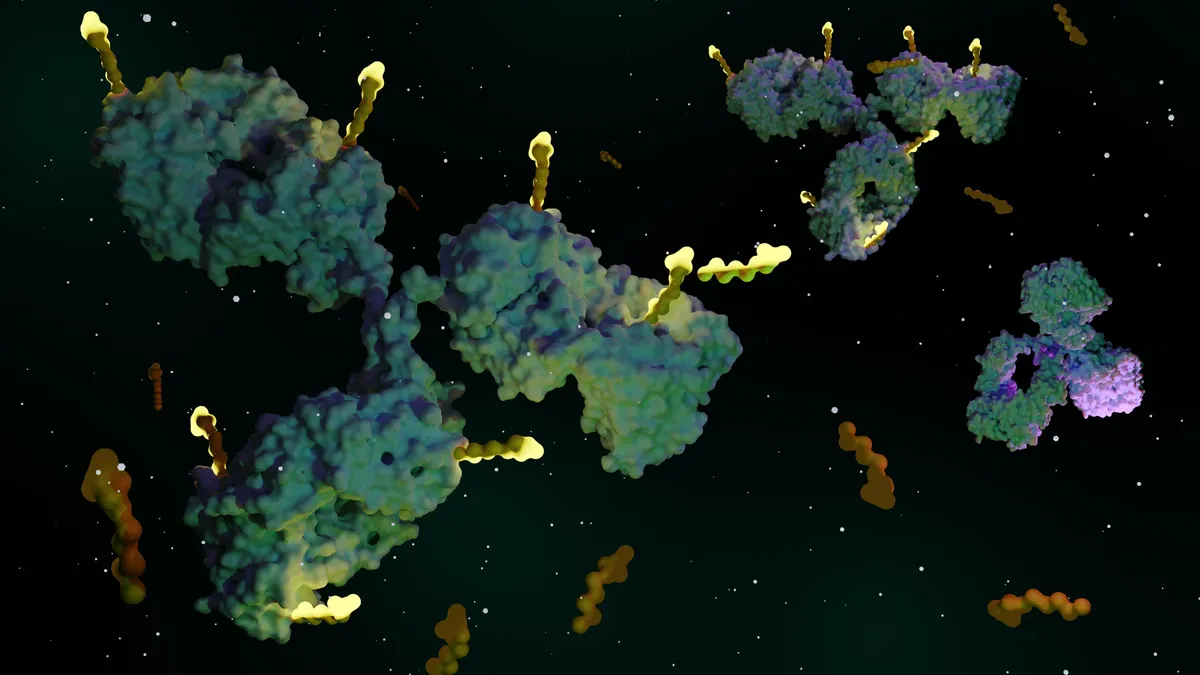
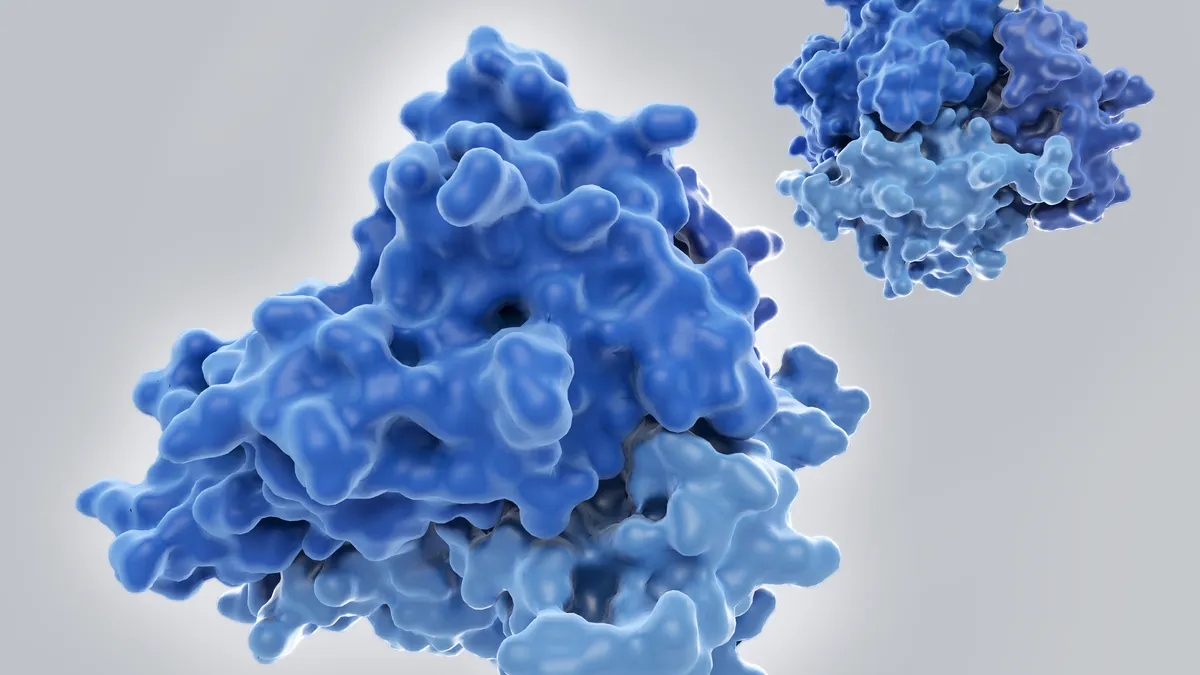
Infinimmune’s two prospects, IFX-101 and IFX-201, are also biologics — monoclonal antibodies targeting IL-22 and IL-13, respectively. But the company claims IFX-101 has the potential to be a “first and best-in-class” therapy, while IFX-201 could be superior to others like it. Both were built with a technology the company says could lead to therapies that are more durable and powerful.
Infinimmune isn’t alone in targeting IL-22 in one way or another. A drug Pfizer once acquired and later scrapped was aimed at that protein, as is a medicine Argenx and Leo Pharma are collaborating on.
IFX-201, meanwhile, may have to one-up a number of competitors to stand out. Apogee Therapeutics and Nektar Therapeutics have been developing longer-lasting eczema treatments. Kymera Therapeutics is working on a pill. Attovia Therapeutics, which priced an initial public offering last week, has a bispecific antibody it sees as a possible eczema therapy.
But the crowded landscape isn’t daunting to McDonnell, who said Infinimmune’s two drugs could be useful in many other inflammatory conditions, too. Both antibodies could enter the clinic as soon as 2027.
“We are aware of the need for aggressive execution on this front,” McDonnell said.
Regeneron’s venture arm is part of the group backing Infinimmune’s Series A round. Joining it are Playground Global, which co-led the investor syndicate, as well as nine additional investors such as RA Capital Management and Merck Global Health Innovation Fund.
Infinimmune previously signed research pacts with Merck & Co. and Immunome to discover new antibody drugs for unnamed immune conditions, though it has not publicly identified what those prospective medicines will target.