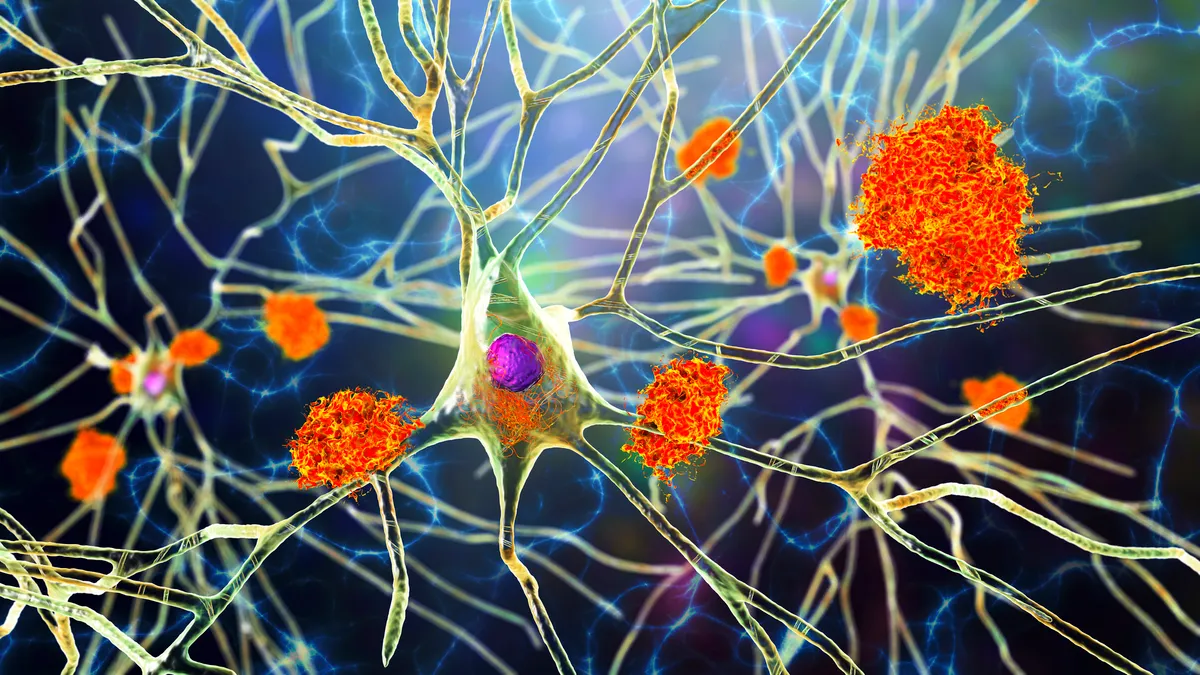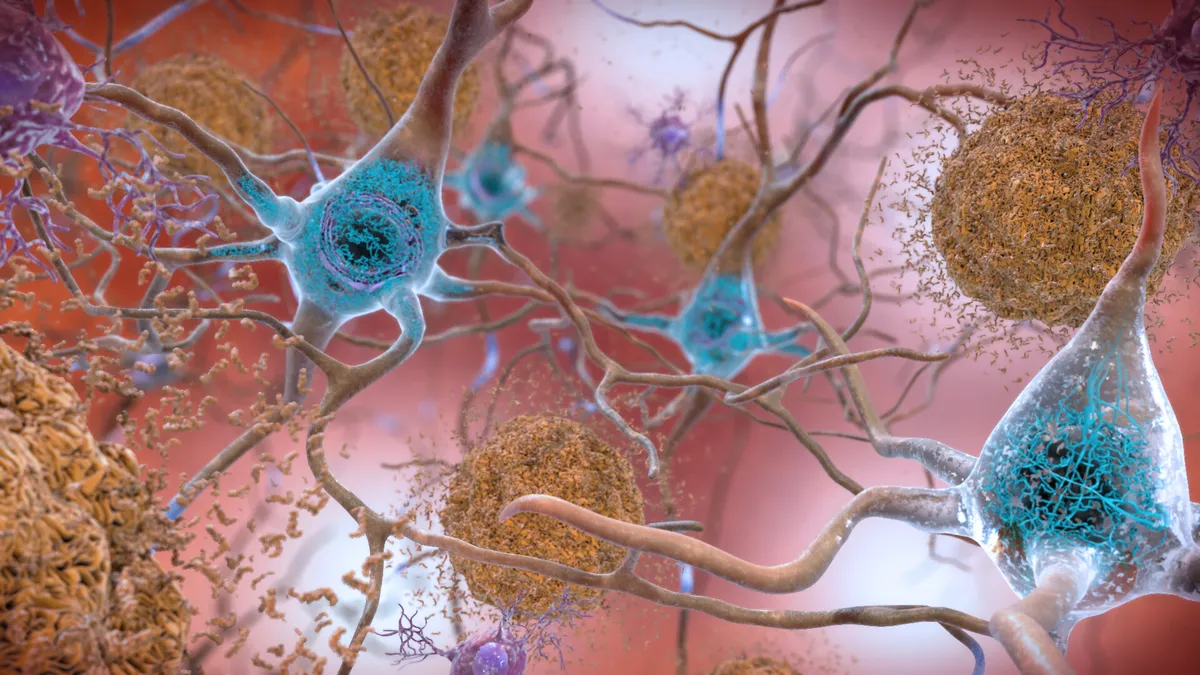
Brain drug developers have long gone after harmful “amyloid” protein clumps in a quest to find treatments for neurodegenerative conditions like Alzheimer’s disease.
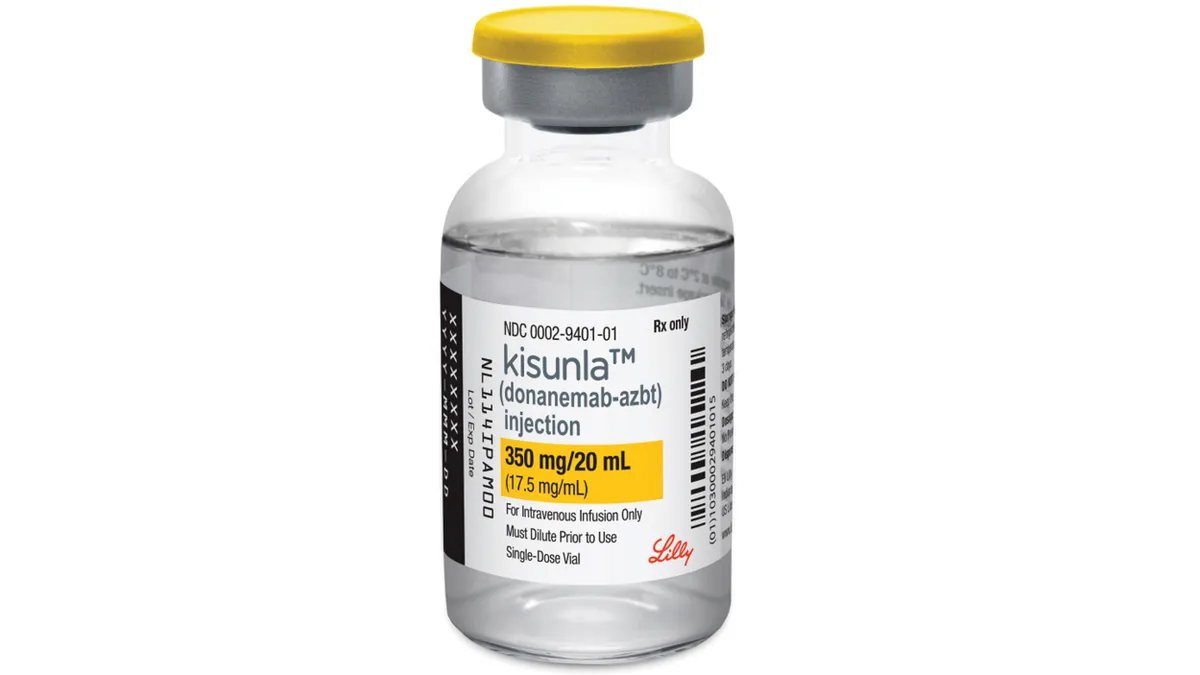
Though that endeavor begot drugs such as Eli Lilly’s Kisunla and Biogen and Eisai’s Leqembi, those treatments only modestly affect cognition and don’t stop or reverse Alzheimer’s. That’s left room for better, or complementary, medicines for the memory-robbing disorder. Among them are an array of research programs focused on another sticky protein called “tau,” which, similar to amyloid, clusters in the brains of Alzheimer’s patients.
The latest biotechnology startup to take a stab at tau is Oyster Therapeutics, a London-based company making drugs that it says can break up those troublesome protein globs. Oyster on Tuesday said it banked $60 million in an extension of its Series A round to help do so.
Oyster is working on protein degraders, which are designed to eliminate their targets rather than block their activity as many drugs do. Its lead program links a targeting molecule that goes after tau with an enzyme that tags it for destruction by a cell’s internal machinery. The drug only targets disease-causing forms of tau while sparing healthy versions, the company said.
Robert Johnson, Oyster’s CEO, said that linker includes a “nifty” fix that splits the drug apart once it enters the body, leaving two small molecules that can more easily penetrate cell membranes and get into the brain. This strategy could address a problem that has plagued earlier protein degraders and tau-targeting biologics. Tau doesn’t have the nooks and crannies for traditional drugs to latch onto, making it a good target for medicines that use a different approach.

The biotech has not disclosed when its top drug will enter the clinic. But its prospect would face an uphill battle. Several high-profile tau-targeting programs have failed to meaningfully impact the disease. Multiple other medicines able to significantly lower tau levels — among them drugs from Biogen and Arrowhead Pharmaceuticals — are much further ahead in clinical testing.
A combination of amyloid and tau-targeting therapies might be key to fully treating Alzheimer’s, as well as other neuroinflammatory conditions, Johnson said.
“Big pharma investors are very interested in tau,” he said, likening experimental drugs for chronic diseases like Alzheimer's to “the next obesity opportunity.”
Oyster, formerly known as Kesmalea Therapeutics, is also entering a research collaboration with Massachusetts General Hospital to further study a form of tau it says is the “most neurotoxic.” The company is looking at whether its protein degrading technology could be useful in cancer and immunology, too.
The Series A-2 round was led by British venture fund 4BIO Capital. Eight other investors, including Lilly, also joined the syndicate.