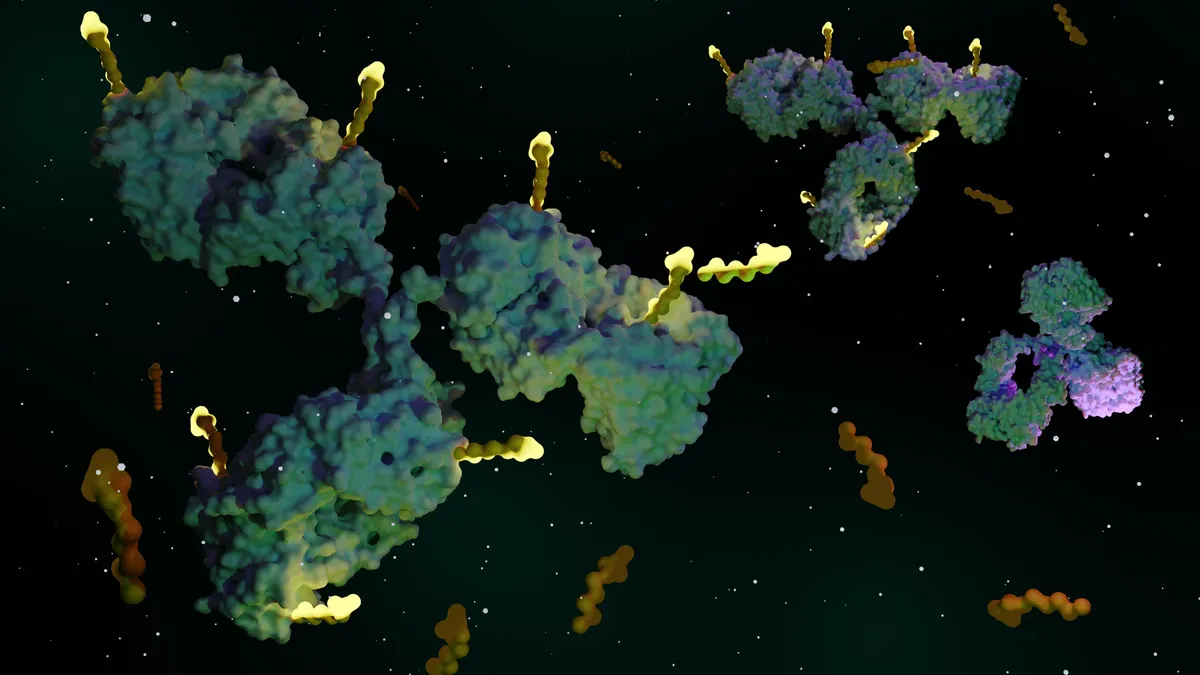
Johnson & Johnson will acquire biotechnology startup Firefly Bio in a deal worth $1 billion in cash, a move that hands the pharmaceutical giant access to technology for making new types of therapies called “degrader-antibody conjugates,” the companies said Monday.
J&J’s purchase of Firefly will expand a cancer drug portfolio it’s been leaning on to mitigate the falling revenue numbers for its blockbuster immune drug Stelara, which is now facing biosimilar competition. That business is led by a suite of multiple myeloma medicines that brought in $4 billion in sales in the first quarter of 2026, though one of those therapies, Darzalex, could soon lose patent protection, too.
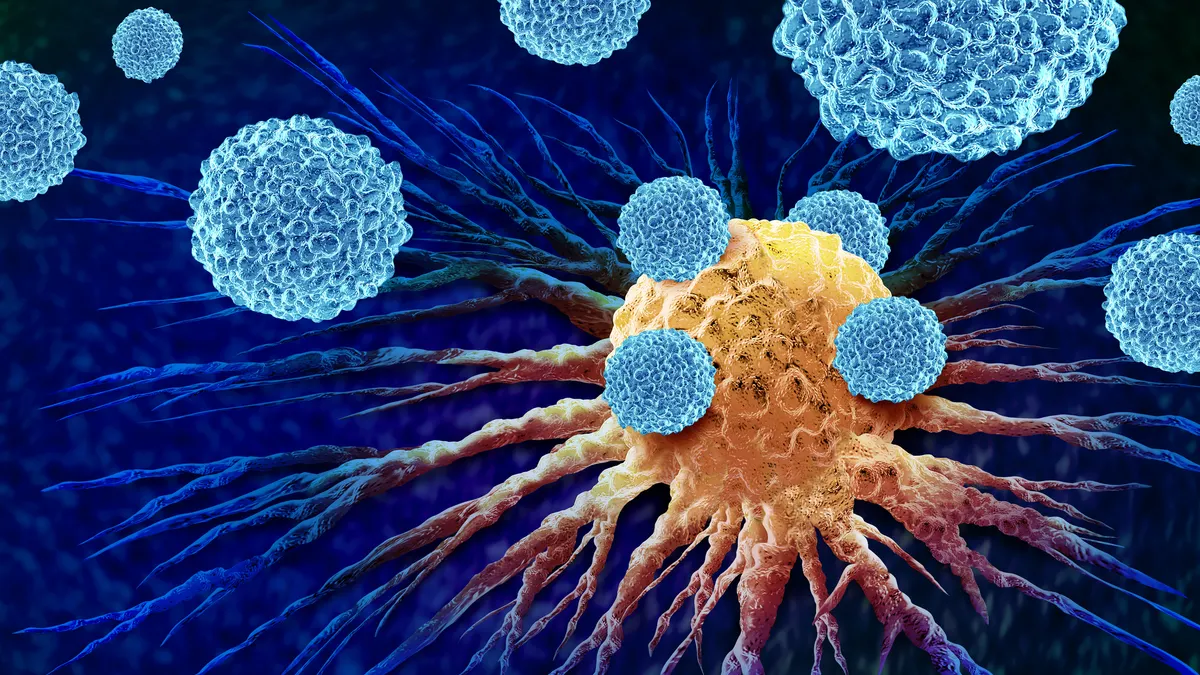
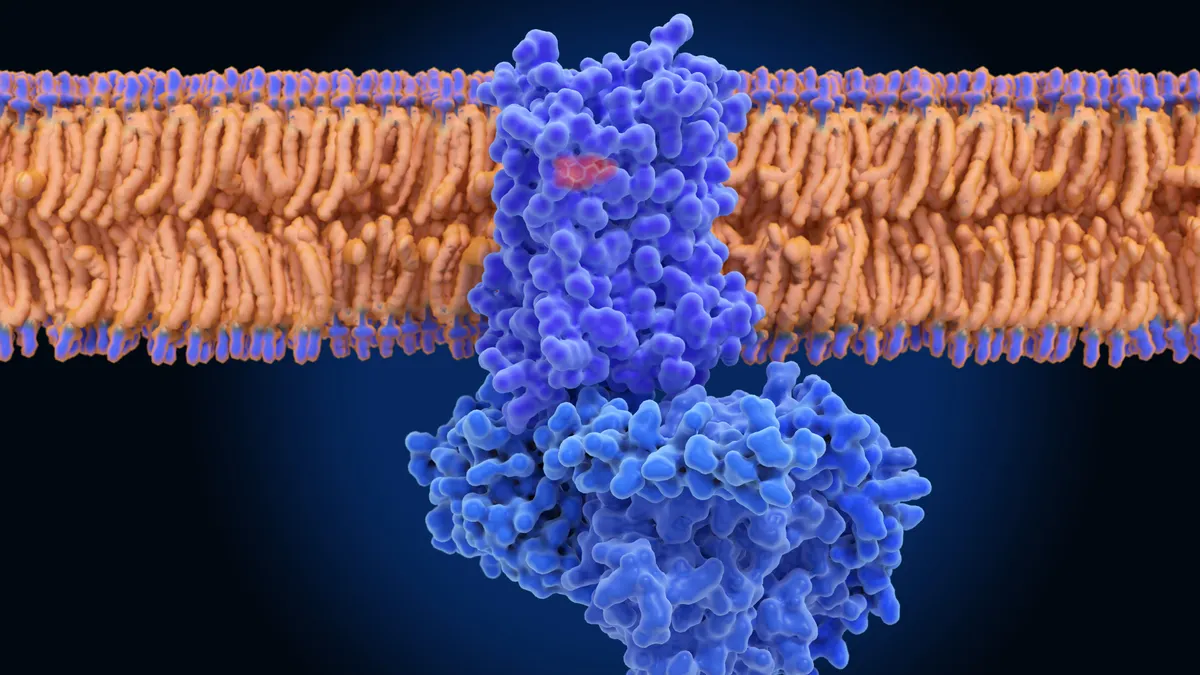
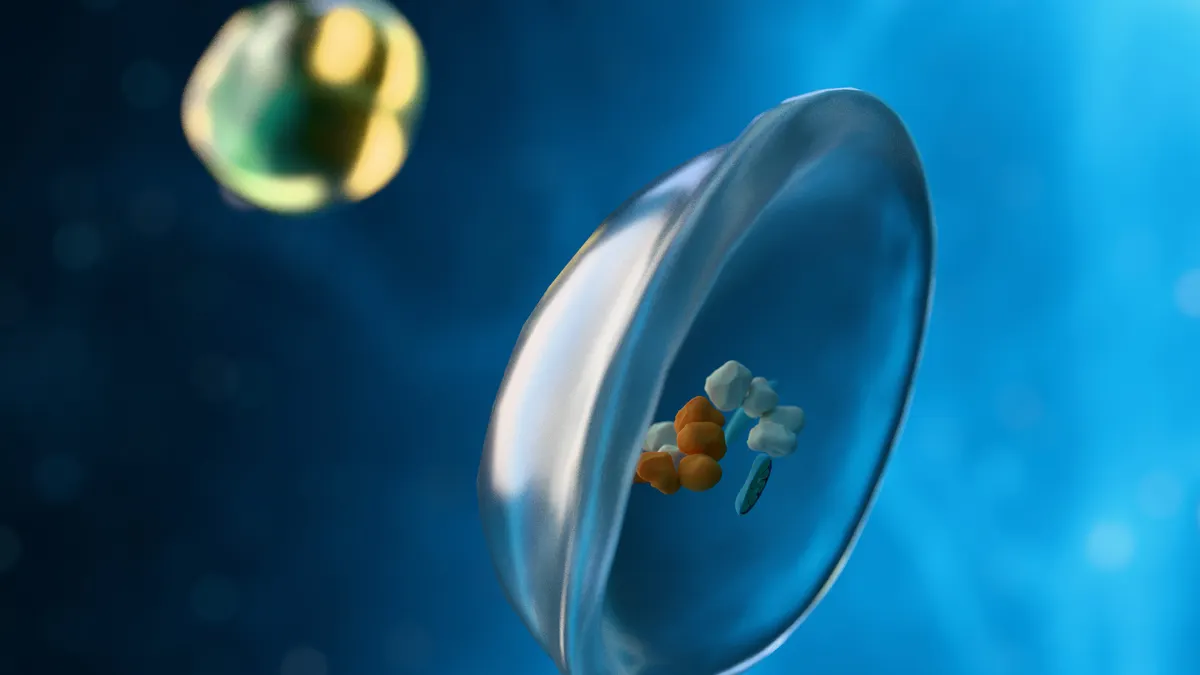
In acquiring Firefly, J&J is betting on a technology it believes can address weaknesses of many types of existing treatments. One of those drug classes is antibody-drug conjugates, or ADCs. Already, more than 20 ADCs have been approved in indications such as breast, ovarian and lung cancers.
But there are still many tweaks companies are making to deal with the technology’s shortcomings. One drawback is that they don’t perfectly release their toxic payload, which can limit the size of a dose that can be safely used. That weakness is an “Achilles heel” of the technology, Jerel Davis, a managing director at Versant Ventures and a Firefly board member, told BioPharma Dive in 2024.
Firefly, which was founded in 2022, has raised nearly $100 million in venture funding to advance a different kind of approach. Instead of precisely delivering chemical toxins to a target, Firefly’s drugs instead shepherd degrader compounds. The company has also developed a new linker molecule that’s supposed to enhance the stability of its drgs.
In its statement, J&J said this strategy might yield drugs that can send a “highly selective” protein degrader into cancer tissue while sparing healthy cells.
Firefly had been working on therapies for tumors driven by the tough-to-drug KRAS protein. Its medicines could “overcome the limitations of current treatments and diversify our pipeline with preclinical candidates for treating multiple types of solid tumors,” John Reed, J&J’s head of R&D, said in a statement.
The acquisition is expected to close later this year.
Firefly is the second drugmaker working on a form of ADC technology that J&J has acquired since early 2024. In January of that year, it paid $2 billion to acquire Ambrx Biopharma, largely for an experimental prostate cancer treatment. That drug, JNJ-8177, is currently in early-stage testing.