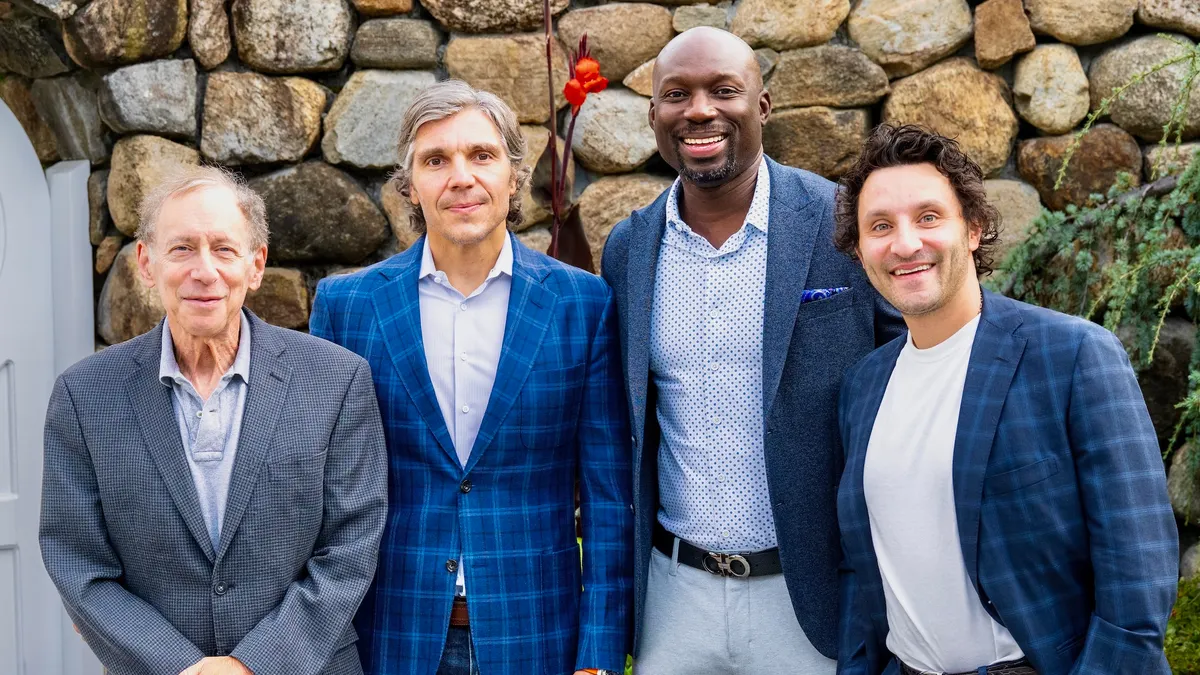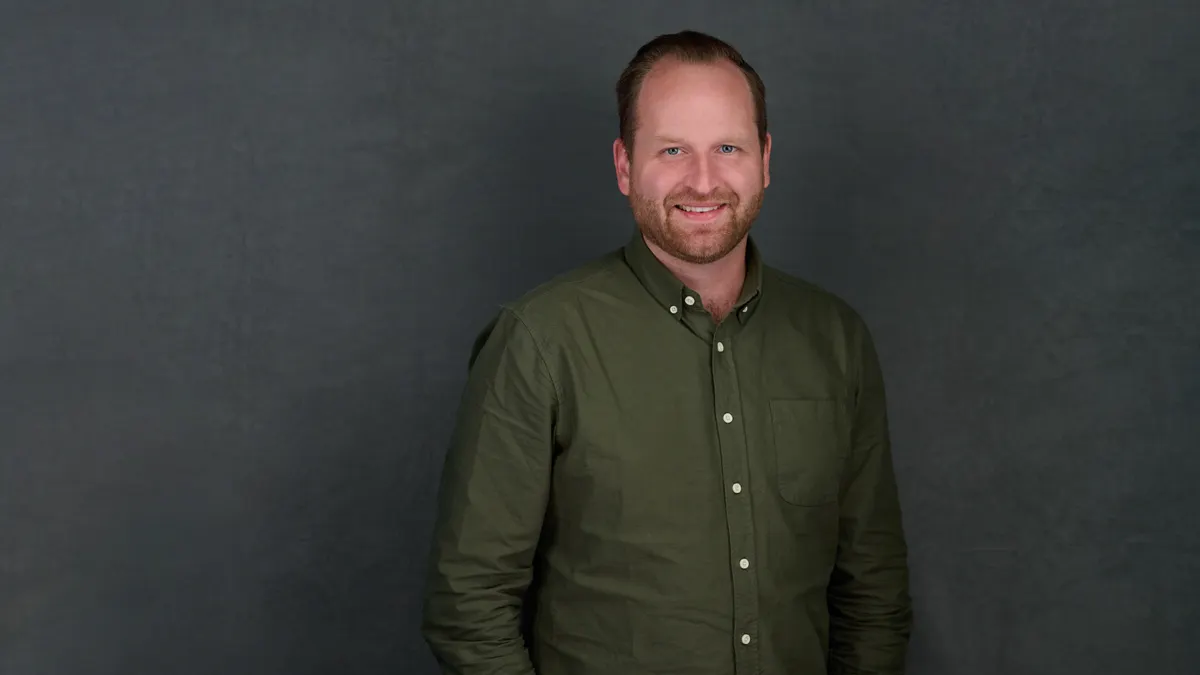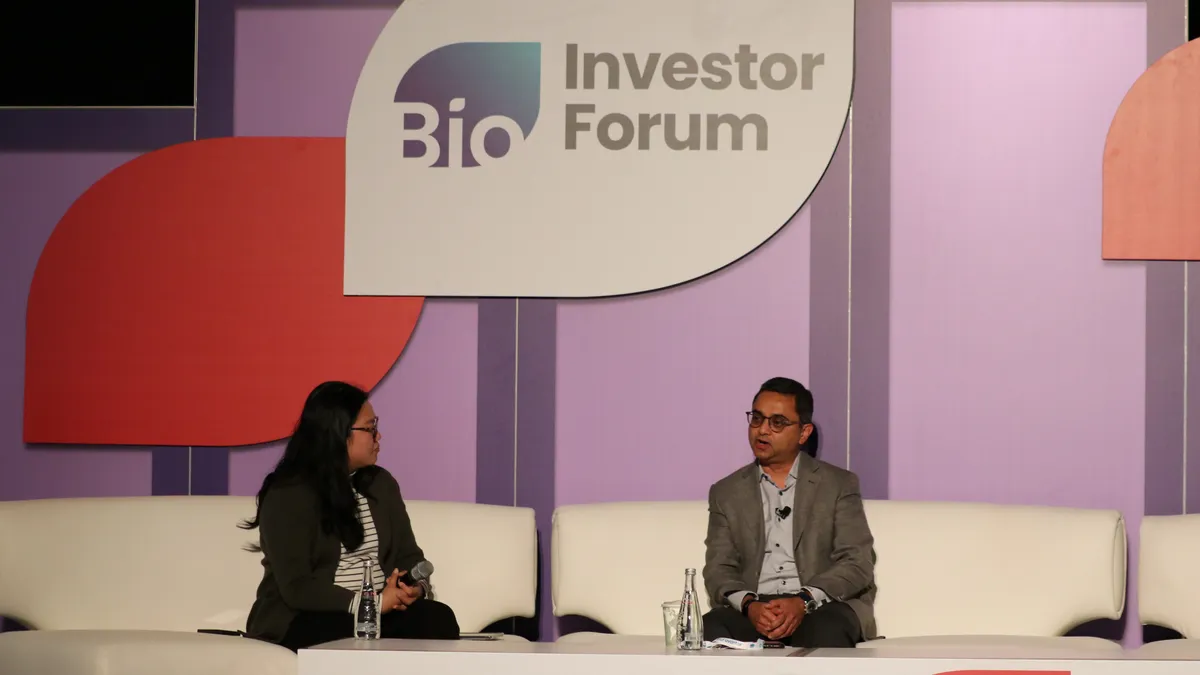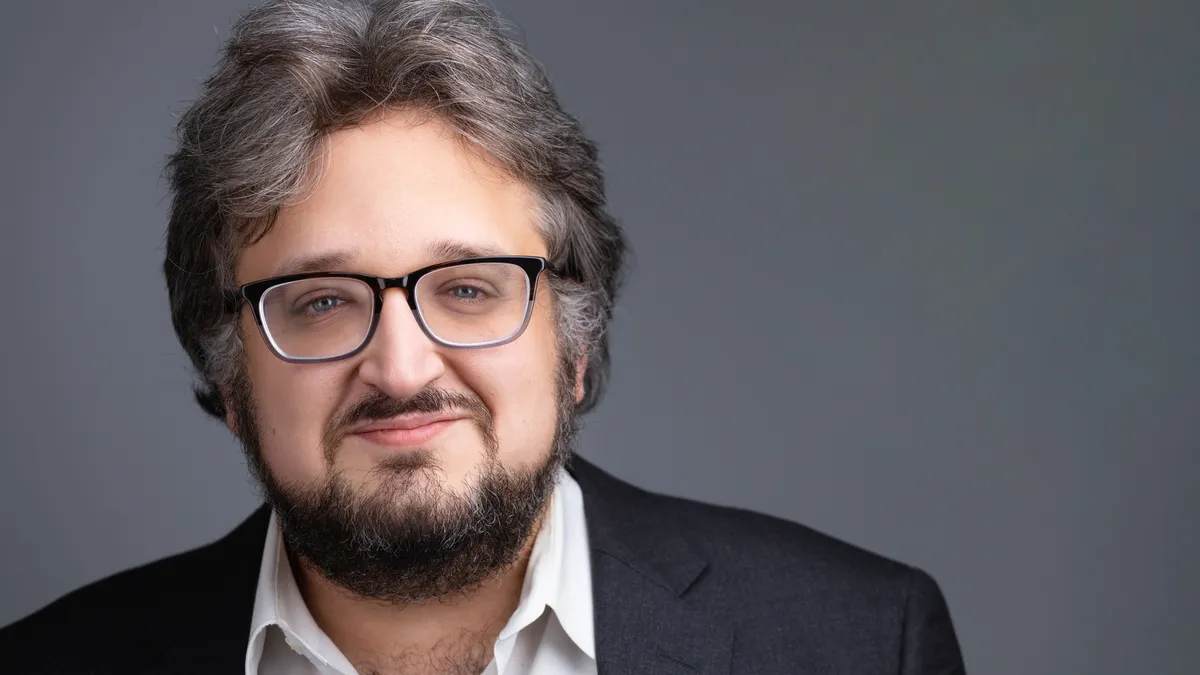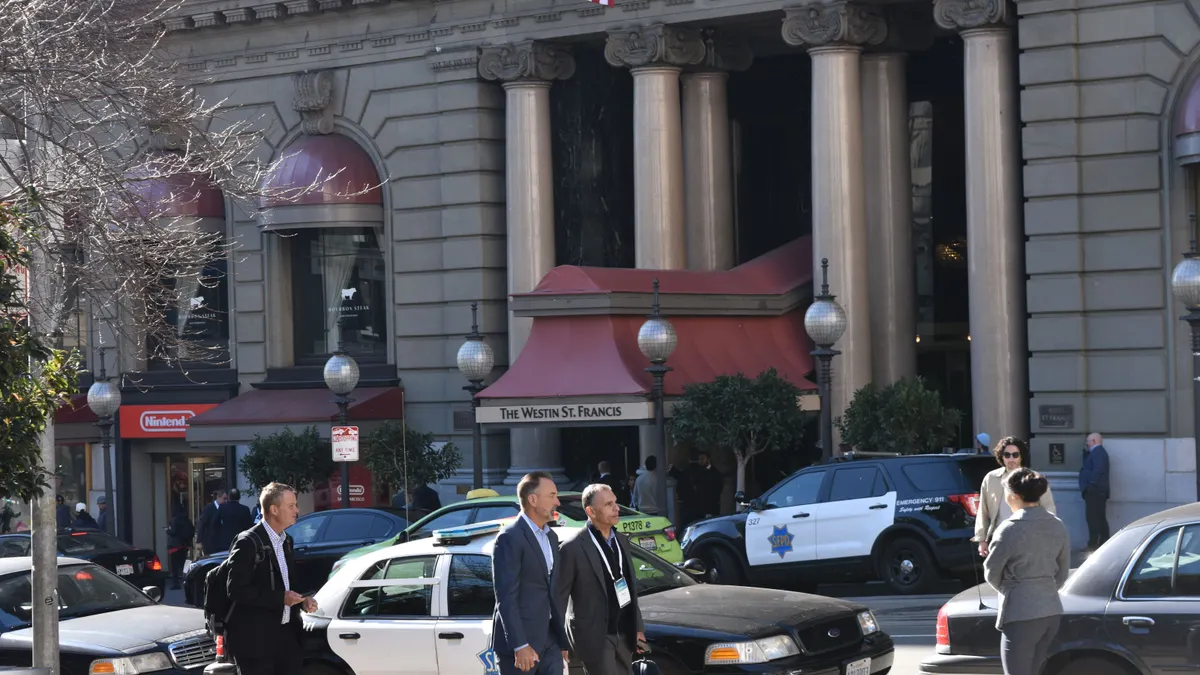
SAN FRANCISCO — The irony isn’t lost on Alexis Borisy. The famed biotechnology investor has, all this week, at the industry’s biggest event, been taking meetings from a downtown hotel suite, on a glossy, powder blue couch that has an odd resemblance to a drug capsule. I guess it really does, he said with a booming laugh.
Borisy has co-founded handfuls of companies, including his current passion project, the venture capital firm Curie.Bio, and the cancer drugmaker Revolution Medicines, which is rumored to be in talks for a deal worth tens of billions of dollars. He’s also been coming to the J.P. Morgan Healthcare Conference for decades, since it was run by Hambrecht & Quist. This year, for the first time in several, he found attendees significantly more optimistic. They have reasons to be.
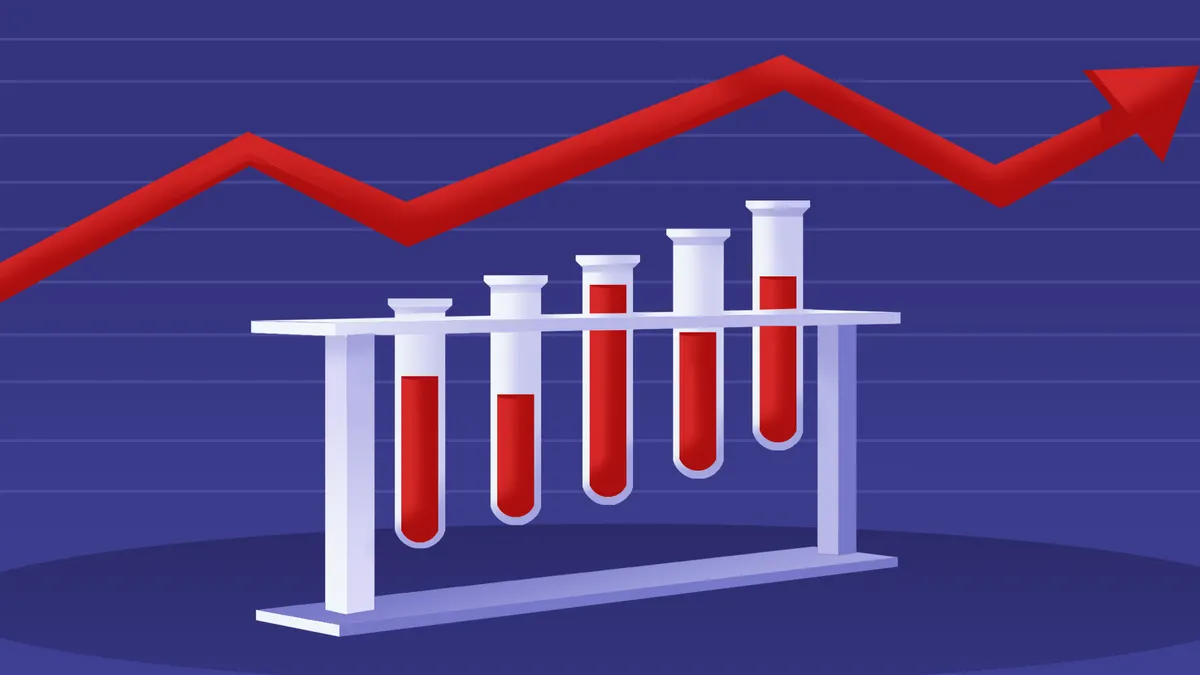
A historic downturn in the biotech sector that began in late 2021 is finally showing signs of subsiding. Acquisition activity spiked in the back half of last year, when at least 28 deals worth $50 million or more were announced.
Money has also started to pour in again. HSBC’s Innovation Banking division counted 157 venture capital deals, totaling $7 billion, in just the fourth quarter. Taking a wider look, RBC Capital Markets tallied $22 billion in biotech investing in the last three months of 2025, which was “on par” with levels seen at the peak of the 2020-2021 bubble. So far, the momentum has continued into 2026. “So much for dry January,” wrote Raymond James analysts, who highlighted “big time biotech inflows” of $1.2 billion in the first full week of the new year.
“We’re in a good place right now as a sector,” said John Maraganore, the founding CEO of Alnylam Pharmaceuticals and former chairperson of biotech’s biggest trade group.
Yet, alongside the excitement is an undercurrent of unease — that this rebound may be fragile, and may not continue as hoped if the industry doesn’t play its cards right.
The tension could be felt throughout J.P. Morgan. There was real frustration when, on the conference’s opening day, no major deals came. Brad Loncar, another prominent biotech investor turned media analyst, lamented the “slowest JPM for news in a long time.” Others appear to agree. The XBI, a closely watched biotech fund, ended the four-day meeting essentially flat.
“I think we’re in the early innings of the upswing,” Borisy said. But “we don’t know for sure. Because when you're down in the trough, you can have false dawns, and you can bounce along there for a long period of time.”

What is clear is that experts see a push and pull to all the biggest factors affecting the industry.
The recent and rapid rise of China’s biotech ecosystem, for example, has raised alarm bells that the U.S. may lose its dominant position in the life sciences. But some say this growing competition could also positively affect U.S. drug developers by forcing them to become more nimble and efficient.
The Food and Drug Administration is also coming off one of, if not the most tumultuous years in the agency’s history. But the FDA has shown a desire to speed drugs along, too. Drugmakers have also navigated the commotion well, and have shown an aptitude for negotiating with the Trump Administration on a broader scale.
Even so, there’s angst that recent change-ups among the FDA’s top ranks last year could soon come to roost. The RBC team conducted a recent poll among biotech investors and found that more than half pointed to the unpredictable regulatory climate as the sector’s biggest issue.
“All of us are hoping that things settle down [and] we get a more consistent agency,” said Maraganore. “If we see delays, if we see inconsistencies, if we see lack of stability at the FDA, then that would be a cause for more concern. But, again, I'm optimistic.”
Meanwhile, public markets that largely dismissed drug startups for the last few years now seem poised to embrace these companies again. That may have a knock-on effect on dealmaking. A fresh source of funding could make smaller biotechs less reliant on big pharma collaborations, or it could accelerate research programs and make them more attractive to potential partners.
“Hopefully, if the IPO market opens more in 2026 … that won't mean the partnership model dries up,” said Adam Keeney, head of corporate development at Biogen. “It just means these companies could be taken to more advanced stages before partnering, which is good for us as well.”
“We've still got some way to go before we're talking about a bubble,” Keeney added.
If the rebound does persist, industry backers will be under pressure to not repeat mistakes made at the height of the last hype cycle. During that period, it wasn’t uncommon for young drug companies with fantastical goals to go public, even if their plans to develop medicines and build a business around them were fuzzy.
Many of those companies then suffered greatly when the market corrected, frustrating public investors and causing many of the “generalists” that had fueled the sector’s run to turn away from biotech. Particularly hard hit were cell and gene therapy developers, as well as “platform” companies that promised to create an array of new medicines with cutting-edge technologies.
“You can't get caught up in the moment,” said Andy Plump, head of research and development at Japan’s largest drugmaker, Takeda Pharmaceutical. Platform companies, for example, were “all the rage” not long ago, but “the reality is platforms often fail. So the exuberance — it's just not worth it,” he said.

That sentiment has played out in the public markets of late. Last year, all but one of the companies to price IPOs had drugs in Phase 2 testing or later at the time of their offerings. The majority are currently trading above their debut price. One, Metsera, just got bought in a $10 billion deal.
Some could argue this performance suggests young drug companies have become better and more efficient, and their backers more disciplined. The “dark winter,” as Maraganore describes the prolonged downturn, “resulted in a Darwinian survival of the fittest.”
“The private companies that remain have a very, very strong vintage,” he said. “I’m of the view that these initial companies that do go public may be some of the best we've seen in a long time.”
With biotech being so cyclic, newfound success has the potential to stir the formation of another bubble. Momentum investors, seeing strong clinical data or stock spikes, rush in and further bloat valuations. “The net result, given an industry that's driven by animal spirits, is going to be an overcapitalization and a hangover,” according to Borisy.
Some firms are already seeing troubling signs. In a December report, RBC analysts warned that the XBI’s lengthy run in 2025 had left many companies with stock values that priced in “much more optimism for success.” Further growth might be tougher to achieve, they wrote, and results investors view as “less-than-perfect” could cause share prices to tumble.
Keeney, of Biogen, said “a little bit of collective responsibility” will be needed to avoid this outcome. “If we could just stay disciplined, more money can go into a targeted number of companies that have the best opportunities and the best chance of success.”
Earlier-stage investors appear to be doing just that. “Mega” fundraising rounds worth $100 million or more have become commonplace over the past couple years, as larger and slower-moving investor groups have coalesced around fewer companies that stay private for longer. These bets have been seen as “safer.”
While venture capitalists claim they’ve learned their lesson from the last boom-and-bust era, not everyone is so convinced.
Borisy, acknowledging that investors aren’t a monolith, couldn’t help but let some disbelief show through.
“You can write down that I gave an eye roll,” he said.