Dive Brief:
- Eli Lilly is diving into infectious disease research, announcing on Tuesday agreements to acquire a trio of vaccine developers for up to nearly $4 billion.
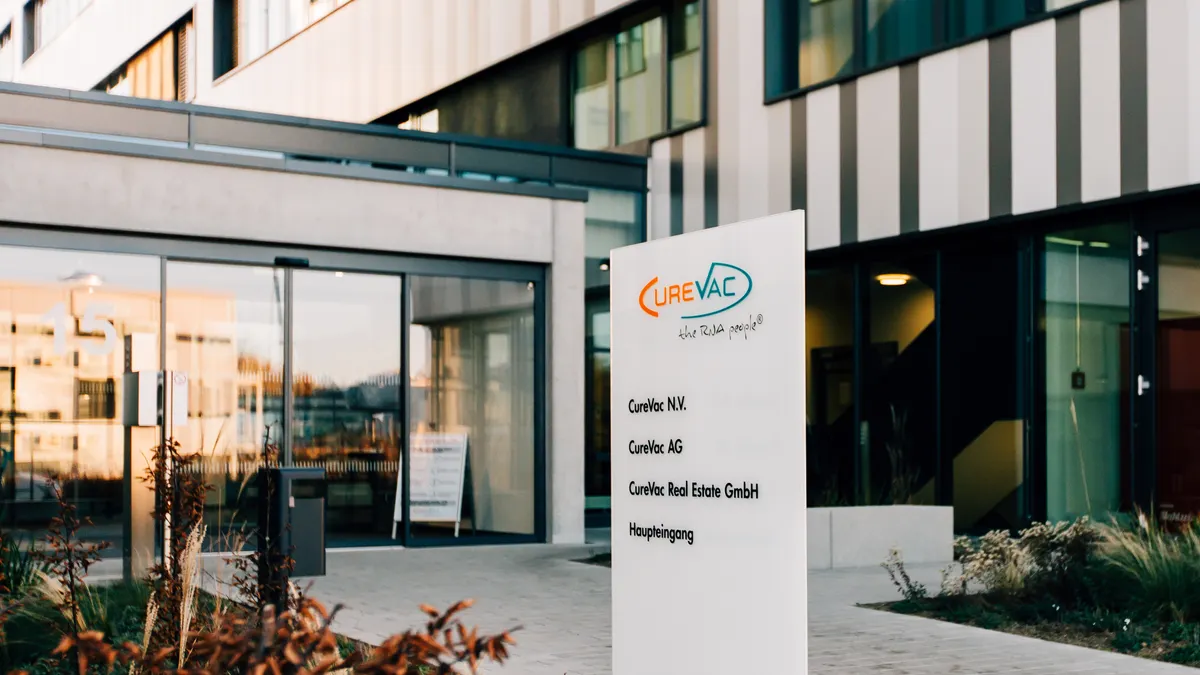
- In three separate transactions, Lilly will buy privately held vaccine makers Vaccine Co., Curevo and LimmaTech Biologics. Lilly didn’t detail the upfront payouts involved in any of those deals. But the Vaccine Co. and Cuervo purchases could be worth up to $1.55 and $1.5 billion, respectively, while the LimmaTech acquisition could total $780 million if certain milestones are met.
- The buyouts add to an already active year for biotech company acquisitions and continues a dealmaking spree for Lilly specifically. Loaded with cash from its fast-selling obesity and diabetes drugs, Lilly has acquired 10 drugmakers so far this year alone in areas such as oncology, immunology, neurology, genetic medicine and now infectious disease.
Dive Insight:
While Lilly is best known for its cardiometabolic drugs, the company has at least some history in infectious disease. Decades ago, it played a key role helping distribute the polio vaccine and, more recently, it worked with AbCellera to develop antibody drugs for COVID-19. The latter effort yielded some short-term success, too, in the form of a pair of medications Lilly temporarily marketed a few years ago.
Now, though, the pharmaceutical giant appears to be eyeing infectious disease as a new way to branch out. It already employs a well-known leader, having hired Peter Marks, the Food and Drug Administration’s former vaccine chief, as its head of infectious disease last year. And Lilly noted in its statement Tuesday that these disorders remain a “major source of global morbidity,” with common infections now linked to many conditions that can emerge later on.
The deals “reflect a deliberate strategy to prevent disease at its source rather than treat its consequences," said Daniel Skovronsky, Lilly’s chief scientific and product officer, in a statement.
Curevo’s lead asset is an experimental shingles vaccine using a “next-generation synthetic adjuvant” that might help address tolerability challenges with existing shingles shots. In Phase 2 testing, that vaccine spurred a similar immune response to a standard shot, but elicited fewer side effects, Lilly said.
LimmaTech has been working on vaccines for bacterial infections, a growing global health issue given the rise of antimicrobial resistance. Its lead program is in Phase 1 development for Staphylococcus aureus bacteria, a leading cause of surgical infections.
Vaccine Co., meanwhile, has a preclinical prospect for Epstein-Barr Virus, a pathogen linked to multiple sclerosis and several cancers. The startup won a grant from the Advanced Research Projects Agency for Health, or ARPA-H, in 2024.