Dive Brief:
- Eli Lilly shares jumped early Wednesday after the company reported better-than-expected fourth-quarter revenue and shared higher forecasts for 2026, buoyed by its obesity and diabetes medicines.
- Fourth-quarter revenue soared 43% to $19.3 billion, Lilly said Wednesday. That’s 7% above the Wall Street consensus, Leerink Partners analyst David Risinger wrote in a note to clients. Earnings per share beat estimates by 9% and operating income came in 13% higher than analysts expected, he said.
- This year, Lilly expects revenue of between $80 billion and $83 billion, with non-GAAP earnings of $33.50 to $35 a share. Analysts had been expecting midpoint forecasts of $78.5 billion for revenue and $33.30 for EPS, according to Risinger.
Dive Insight:
Lilly is impressing investors even as its rival in the GLP-1 market, Novo Nordisk, is faltering. The Danish drugmaker on Tuesday also reported higher-than-expected sales and profits for the latest period, but those results were overshadowed by 2026 forecasts that disappointed analysts and sank its stock by double digits. Novo shares dropped again Wednesday, down 4% in early trading, as Lilly’s stock price rose by nearly 10%.
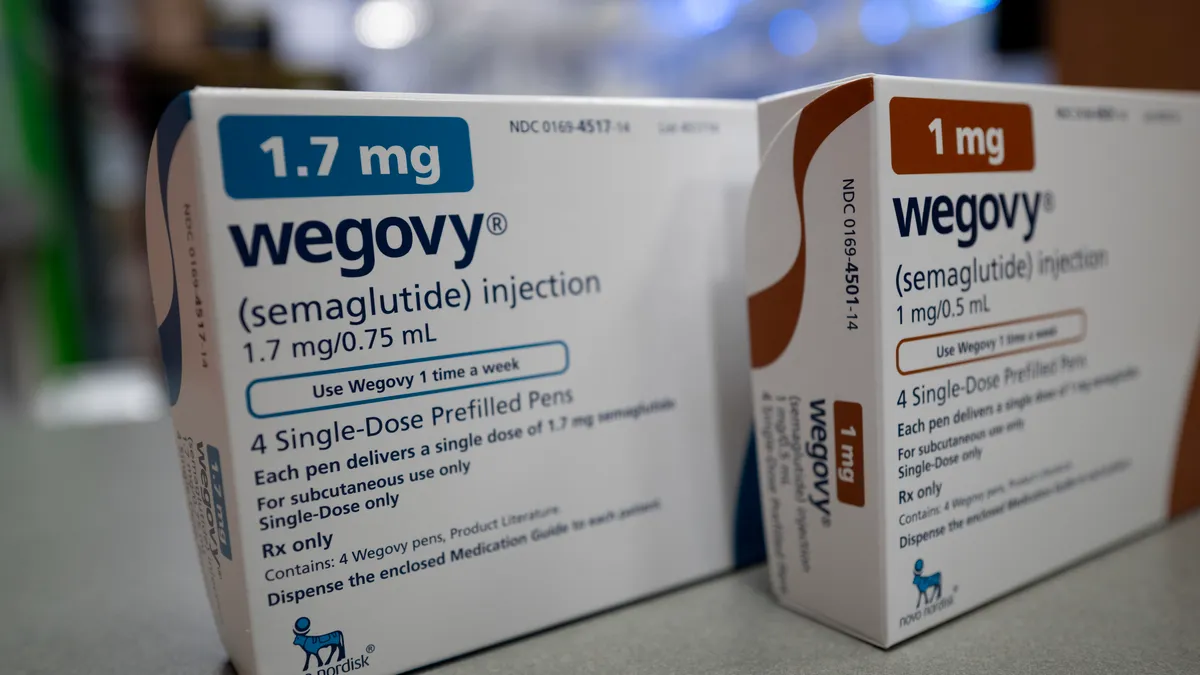
Novo was the initial frontrunner in the market for GLP-1 medications with the introduction of Ozempic, a diabetes drug that soon became a household name for its weight loss potential. But Lilly has been steadily carving into Novo’s lead and now claims more than 60% of the U.S. market.
Sales of tirzepatide, which Lilly sells as Mounjaro for diabetes and Zepbound for obesity, almost doubled last year, climbing to $36.5 billion. The medicine is now the world’s best seller, edging out the industry’s previous leader, Merck & Co.’s cancer treatment Keytruda, which brought in $31.7 billion last year.
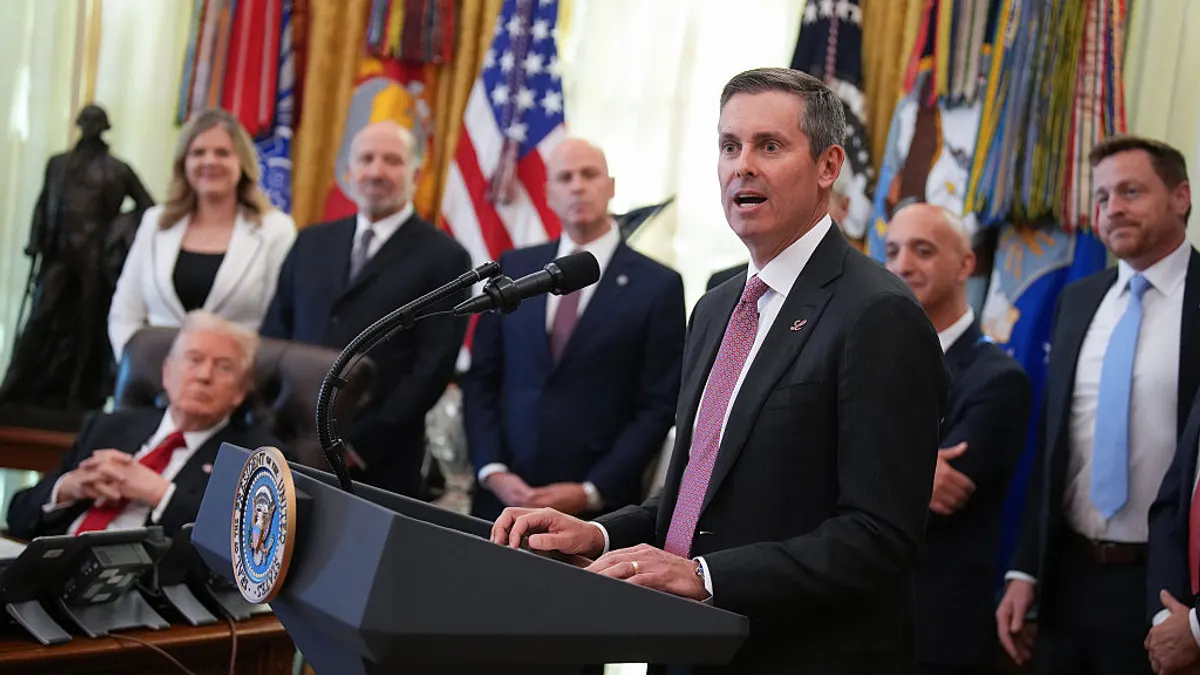
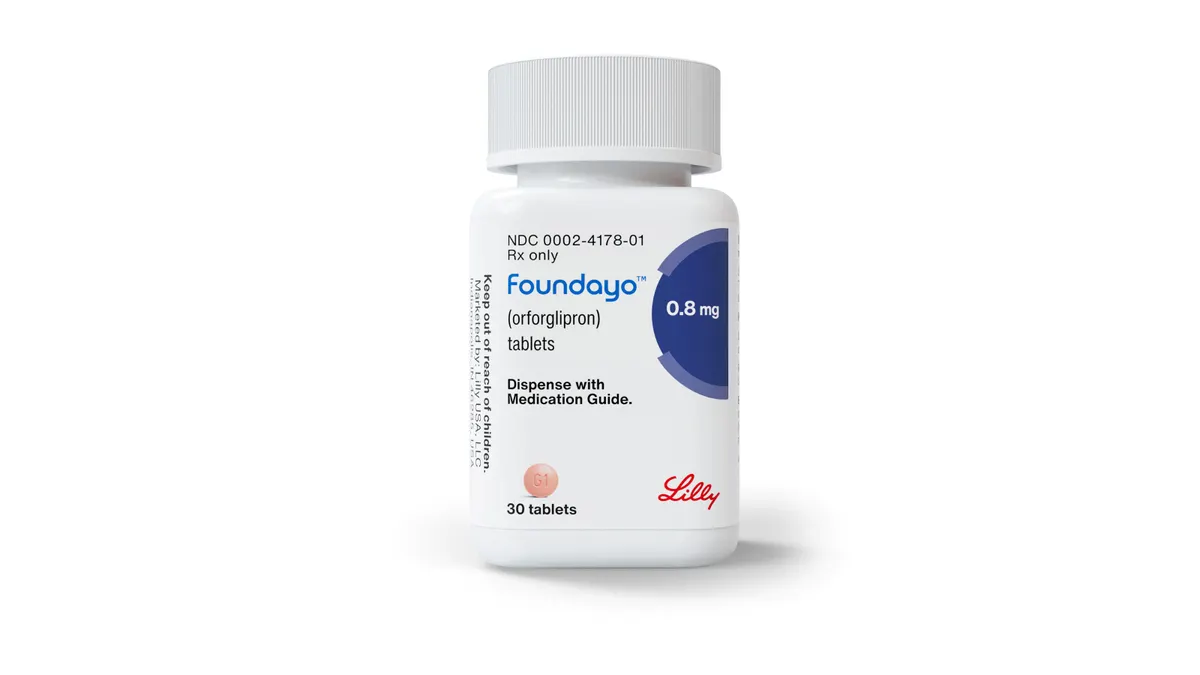
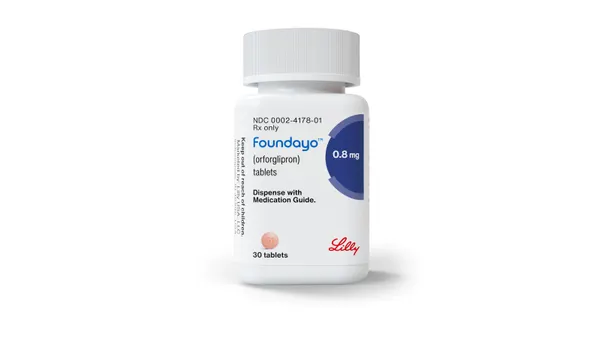
Lilly’s optimistic outlook for the year suggests the company is also expecting major success for its new obesity pill, orforglipron, which CEO David Ricks expects to win U.S. approval in the second quarter. The drug’s introduction will probably coincide with the beginning of Medicare coverage for GLP-1 treatments, which will open up a huge market, Ricks told CNBC on Jan. 30.
The Medicare coverage comes with a cost for both Lilly and Novo, as they agreed to lower prices on the current injectable versions of their drugs as well as the new pill forms. Novo on Tuesday said the agreement with the Trump administration impacted its sales outlook. But Ricks expects the balance of a wider market and lower prices to still work for Lilly. “It’s a win all around,” he told CNBC.
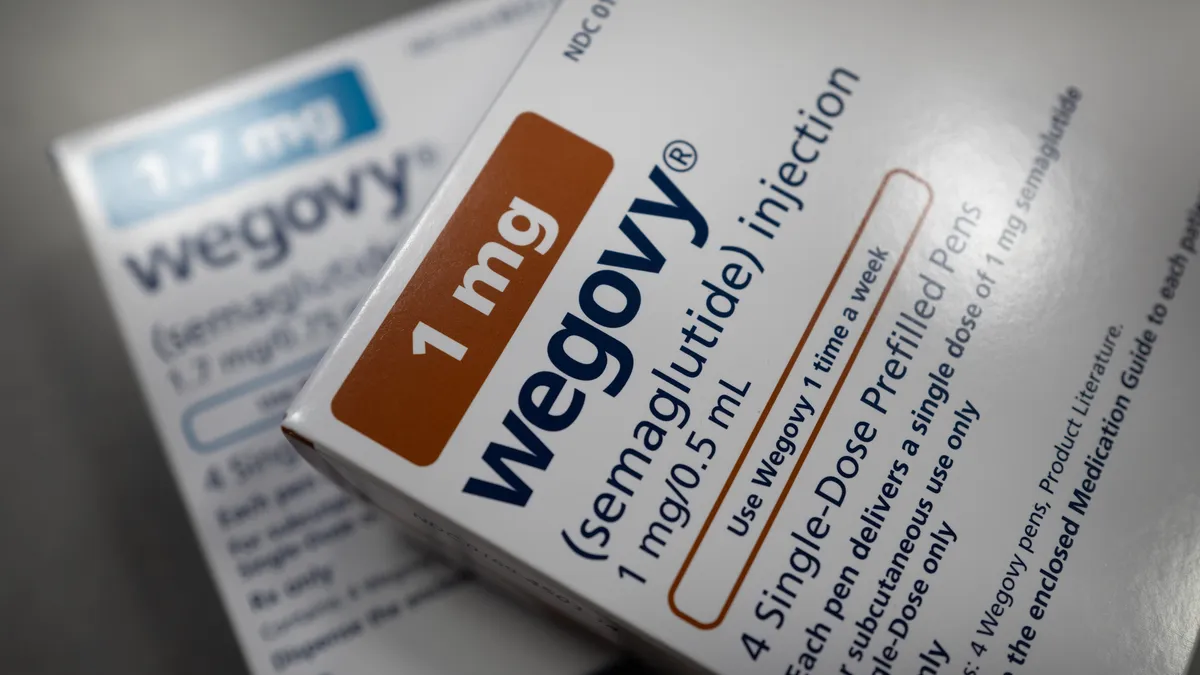
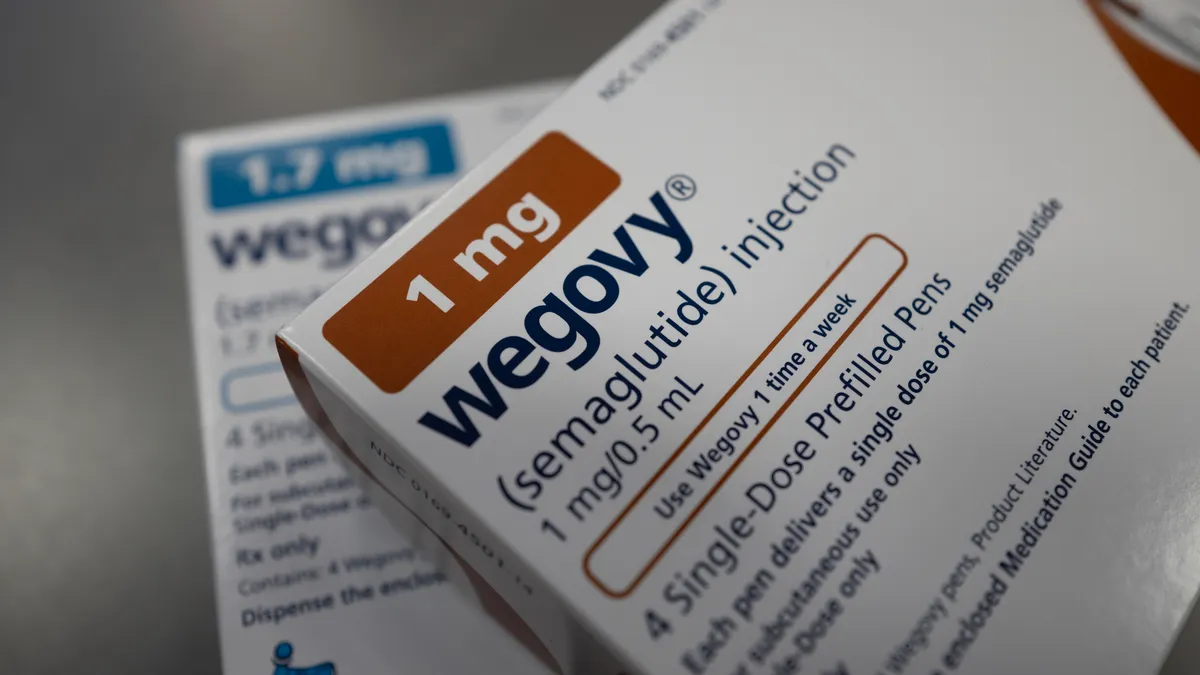
Almost all of the patients who have started on Novo’s Wegovy pill are trying a GLP-1 medicine for the first time, which means the market is growing larger, Ricks said. He also expects orforglipron to have a benefit over Wegovy, because it can be taken as part of the morning pill routine. Novo’s pill must be swallowed first thing in the morning on an empty stomach, 30 minutes before anything else.
Although Novo’s 2026 forecast disappointed investors, the launch of its Wegovy pill has been a success, by all accounts. As of Jan. 30, oral Wegovy had the fastest prescription drug launch ever, according to Risinger.