Dive Brief:
- An experimental Eli Lilly obesity medicine helped patients lose more than a quarter of their body weight while offering relief from knee osteoarthritis in a Phase 3 study released Wednesday.
- Patients on the highest dose of retatrutide lost an average of 28.7% of their body weight after 68 weeks of treatment, compared with 26.4% on the lower dose and 2.1% on placebo, Lilly said. Additionally, 39% of patients on the highest dose achieved weight loss of 30% or more and 24% of those on that dose saw their weight drop by 35% or more, Lilly said.
- Lilly has now produced a drug with the best weight loss results of any medication to date, Leerink Partners analyst David Risinger wrote in a note to clients. Before the release, Risinger said he was looking for weight loss in the mid-high 20% range, which would surpass the effects seen with Lilly’s tirzepatide, the world’s best-selling drug, sold as Zepbound for obesity.
Dive Insight:
With the latest study, Lilly is putting the “obesity field on notice again,” Evercore ISI analyst Umer Raffat wrote in a note to clients. The trial, dubbed Triumph-4, isn’t even the one designed to maximize weight loss; those results are due next year and will include data from treatment over 80 weeks, he added.
The Triumph-4 study comes after a Phase 2 trial released in 2023 that wowed doctors and analysts. Lilly also has a number of other Phase 3 studies underway in obesity and diabetes and plans to issue seven readouts next year on the injectable drug. Lilly is now “raising the bar for future tirzepatide competitors,” Leerink’s Risinger said.
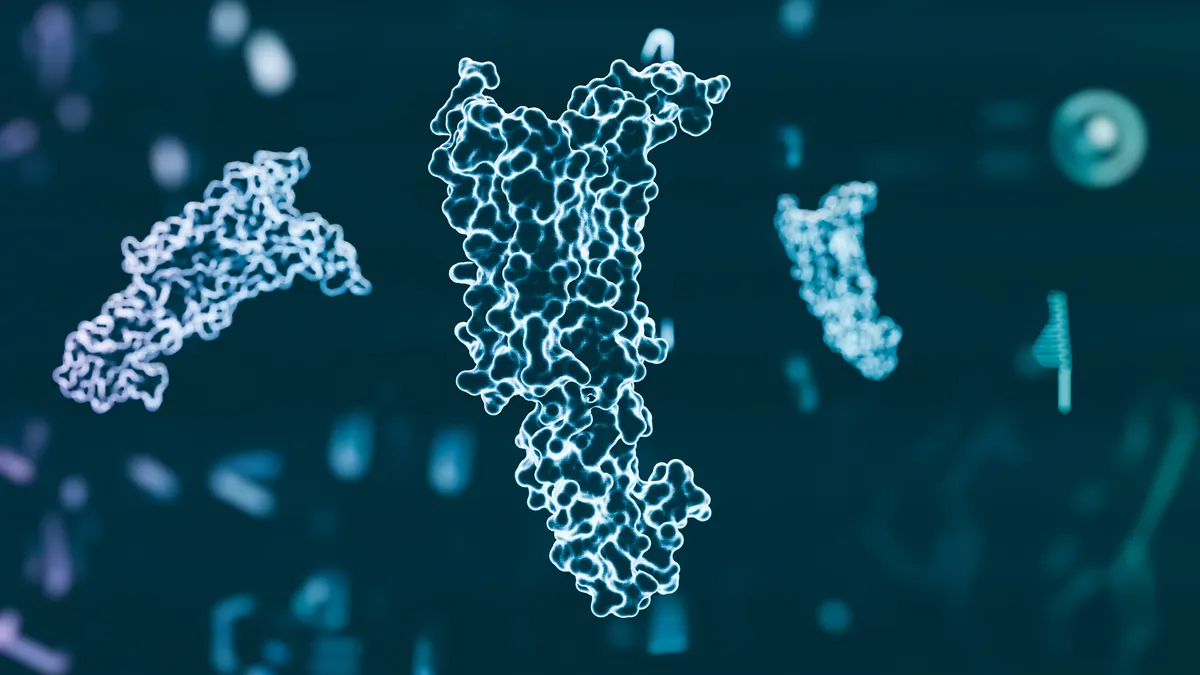
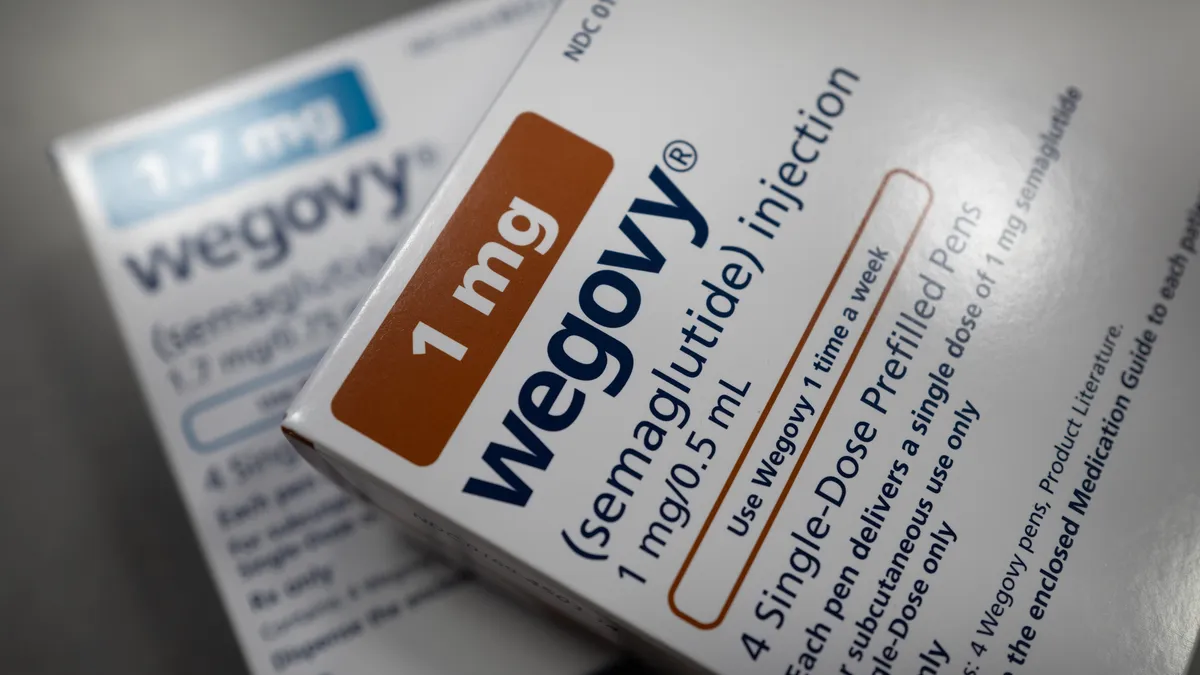
Retatrutide offers a new way to combat obesity, activating three different receptors in the body, GLP-1, GIP and glucagon. Novo Nordisk’s drug Ozempic, sold as Wegovy for obesity, also targets GLP-1, while Lilly’s Zepbound focuses on both GLP-1 and GIP.
The Triumph-4 trial included patients who had a body mass index of at least 27, but the vast majority had a baseline BMI of 35 or more, Lilly said. For the average patient on the highest dose, losing 28.7% of their body weight translated to a loss of about 71 pounds. Carrying less weight by the end of the trial, more than two-thirds of all treated patients achieved a 70% reduction in knee arthritis pain. More than one out of eight patients on the drug said they were completely free of pain.
There were side effects, mostly those that are often seen with the GLP-1 drugs. More than 43% of patients on the highest dose experienced nausea, about a third had diarrhea and a quarter reported constipation, Lilly said. About 21% endured vomiting. Additionally, 21% of patients on the highest dose suffered from a type of skin sensitivity known as dysesthesia. Evercore’s Raffat wrote that he wants to learn more about that finding.
Overall, about 18% of patients taking the 12 mg dose dropped out of the study because of adverse events, compared with 12% of those on the 9 mg dose and 4% who were given a placebo. The discontinuation rates were “highly correlated” with a patient’s baseline BMI and included some patients who pulled out because they thought they were losing too much weight, Lilly said.
The data offer Lilly another leg up in the increasingly competitive market for obesity treatments. The Indianapolis-based drugmaker recently became the first pharmaceutical company to hit a $1 trillion valuation and is looking to maintain its edge with new options such as an obesity pill called orforglipron it’s hoping to introduce in coming months.
Meanwhile, a raft of companies are trying to improve on the offerings from market leaders Lilly and Novo. Metsera, recently the subject of a bidding war between Pfizer and Novo, in September showcased results from a drug that may require less frequent dosing. Multiple companies are advancing medicines to help patients taking weight loss treatments preserve muscle mass. And other drugmakers are investigating treatments that work in different ways or in combinations.