Novo Nordisk expects sales and profits to shrink substantially in 2026 as competition from Eli Lilly and pricing pressure from the U.S. government chip away at its multibillion-dollar obesity drug business.
The news delivered midday Tuesday shook investors and Wall Street analysts, sending Novo shares tumbling by double digits on stock exchanges in the U.S. and Denmark and erasing nearly $50 billion in market value.
Still, on a conference call Wednesday morning, company executives tried to convince investors they can deliver future growth. They pointed in particular to the exceptionally strong start for the pill form of its weight loss medicine Wegovy, which is off to what one Wall Street analyst recently referred to as the fastest drug launch in history.
At a constant exchange rate between foreign currencies and the Danish krone, Novo expects 2026 sales to drop between 5% and 13% from 2025 to 2026. It’s projecting a similarly negative operating profit for the coming year as well.
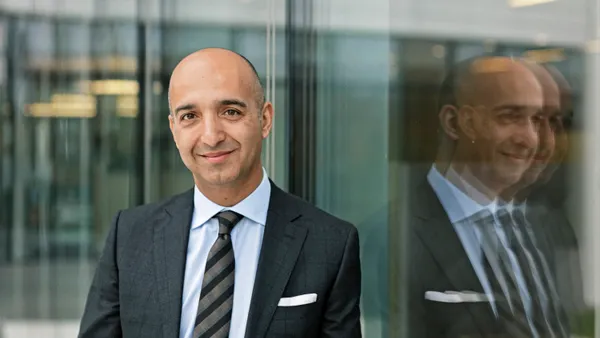
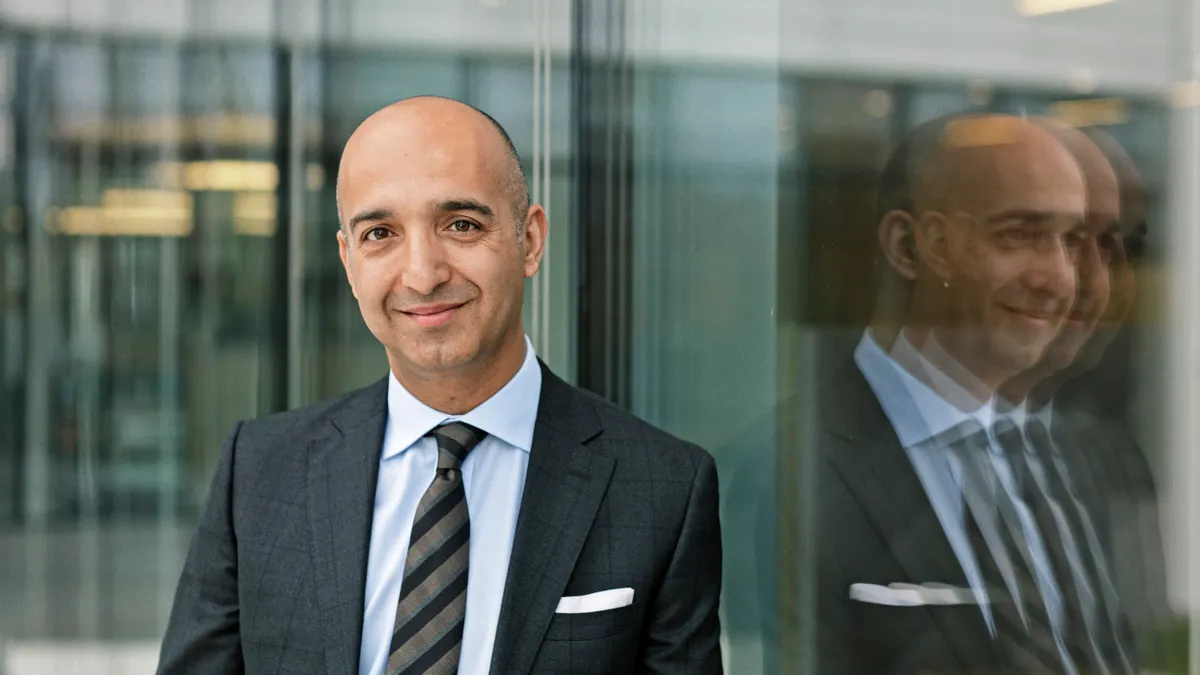
“We do not take this lightly, and we will do all we can to pursue the volume [of] opportunities in obesity and diabetes,” said CEO Mike Doustdar, in a call with analysts Wednesday.
Those numbers come in stark contrast to those reported by Lilly. On Wednesday, Novo’s top rival predicted revenue growth of 23% to 27%, following a 2025 in which tirzepatide, sold as Zepbound in obesity and Mounjaro in diabetes, became the world’s best-selling medicine. Lilly’s share price has soared alongside tirzepatide’s sales outlook, and on Wednesday climbed another 10%.
Novo’s stalling sales growth in 2026, meanwhile, is partly a result of a deal with the Trump administration. Through that agreement, Novo vowed to lower the prices of Wegovy offered through cash-pay channels and limit the price of the Wegovy pill’s first-month “starter” dose to $149.
Given that the pill’s U.S. launch began Jan. 5, very few patients will have moved on to the subsequent doses that might more meaningfully boost Novo’s revenue. The lower price they’re paying may also blunt the effects of what appears to be an accelerating launch, with 50,000 total prescriptions written as of the week ending Jan. 23.
Novo executives, though, believe that the positive signs suggest the company should be able to overcome pricing pressure in the U.S.
“The uptake is over twice that of any prior anti-obesity drug launch in the United States,” said David Moore, executive vice president for U.S. operations. “Though it is still early in the launch, most prescriptions appear to be for patients new to these medications, suggesting the market is expanding.”
Novo may soon face some tough competition in that market, as Lilly’s GLP-1 pill could be approved in U.S. sometime in the the second quarter of the year. Doustdar claimed that Novo’s pill appeared more potent in clinical testing, and that the “number one criteria” for patients is the “magnitude of weight loss” they experience.
Additional price pressure could soon come, though, the form of concessions to insurers to ensure Wegovy can remain on drug formularies. Novo is also facing patent expirations for Wegovy’s active ingredient, semaglutide, in large markets like India, Canada, China and Brazil.
The company’s tepid 2026 outlook follows a year in which it saw comparatively healthy growth. Total sales climbed 10% at a constant exchange rate, reaching 309.1 billion Danish kroner, or about $46.7 billion. Wegovy accounted for 79.1 billion kroner of that total, growing 41% compared to 2024.