Dive Brief:
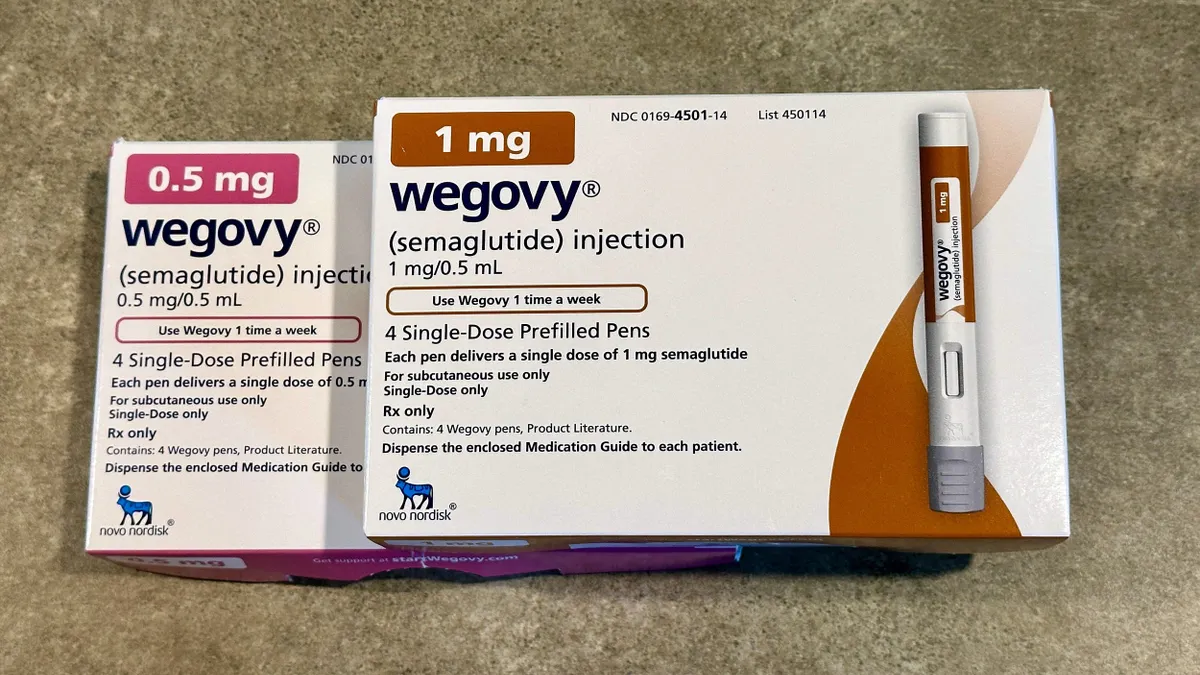
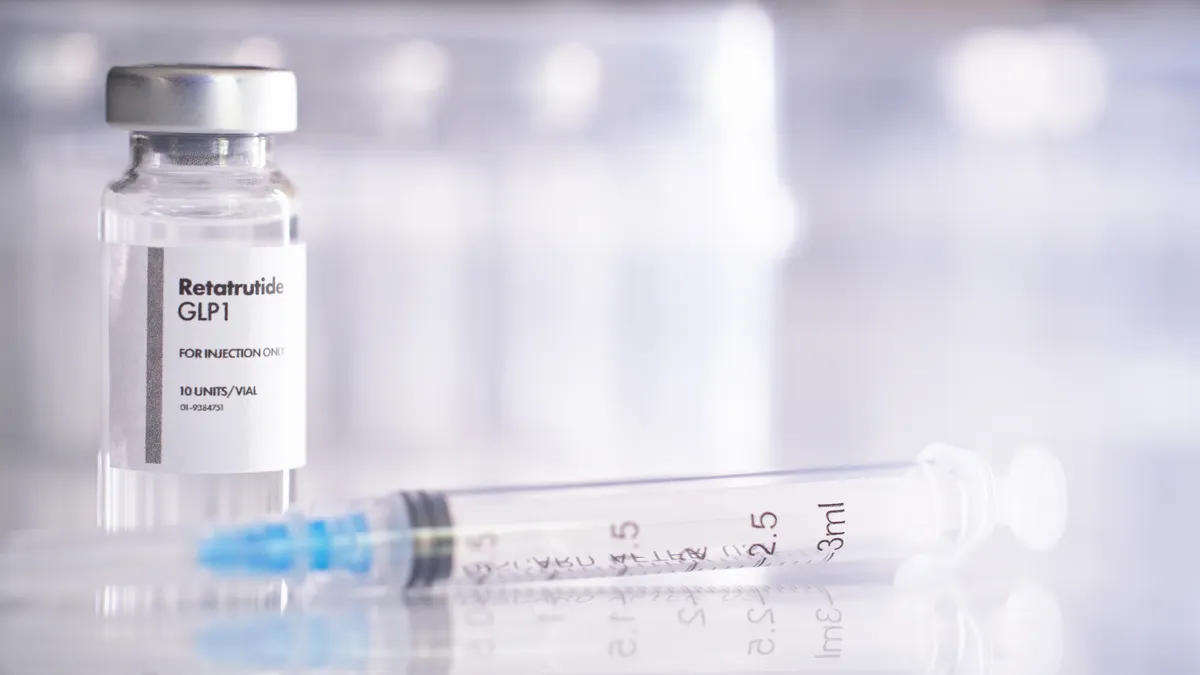
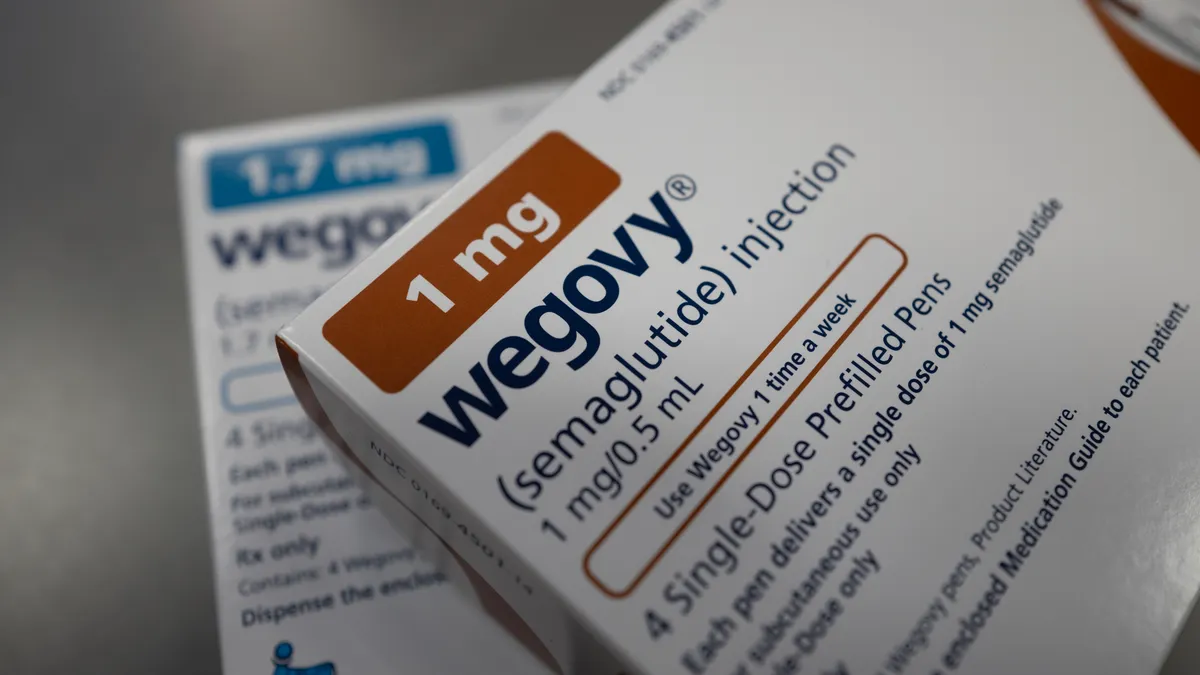
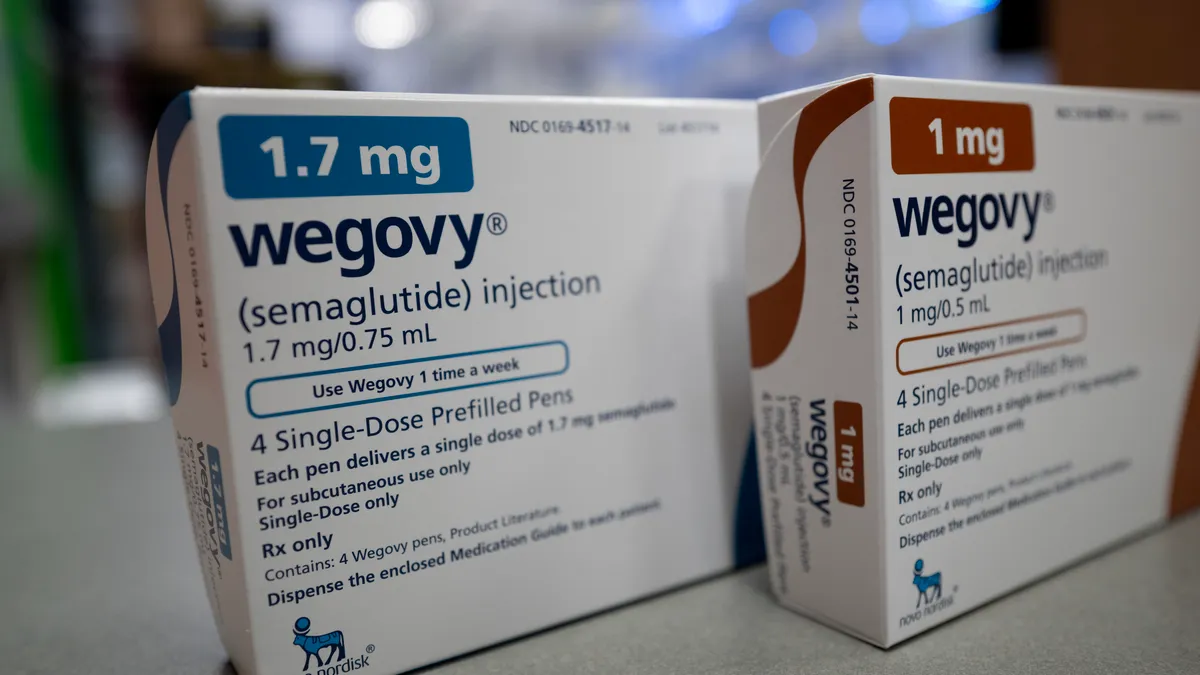
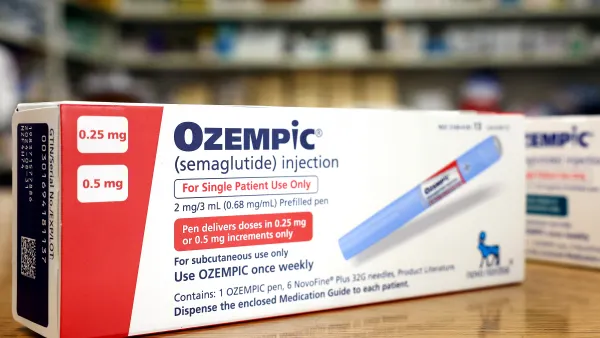
- Eli Lilly’s triple-acting metabolic drug retatrutide bested Novo’s Ozempic in a head-to-head Phase 3 trial, with the highest dose tested beating Novo’s drug on measures of blood sugar and weight loss, the company said Wednesday.
- After 80 weeks of treatment, a 12 milligram weekly dose of retatrutide lowered blood sugar by an average of 2.2 percentage points, significantly more than Ozempic’s 1.8 percentage points, Lilly said. A 9 mg dose of retatrutide also lowered blood sugar by 2.2 percentage points, but the difference when compared to Ozempic was statistically “nominal,” the company said.
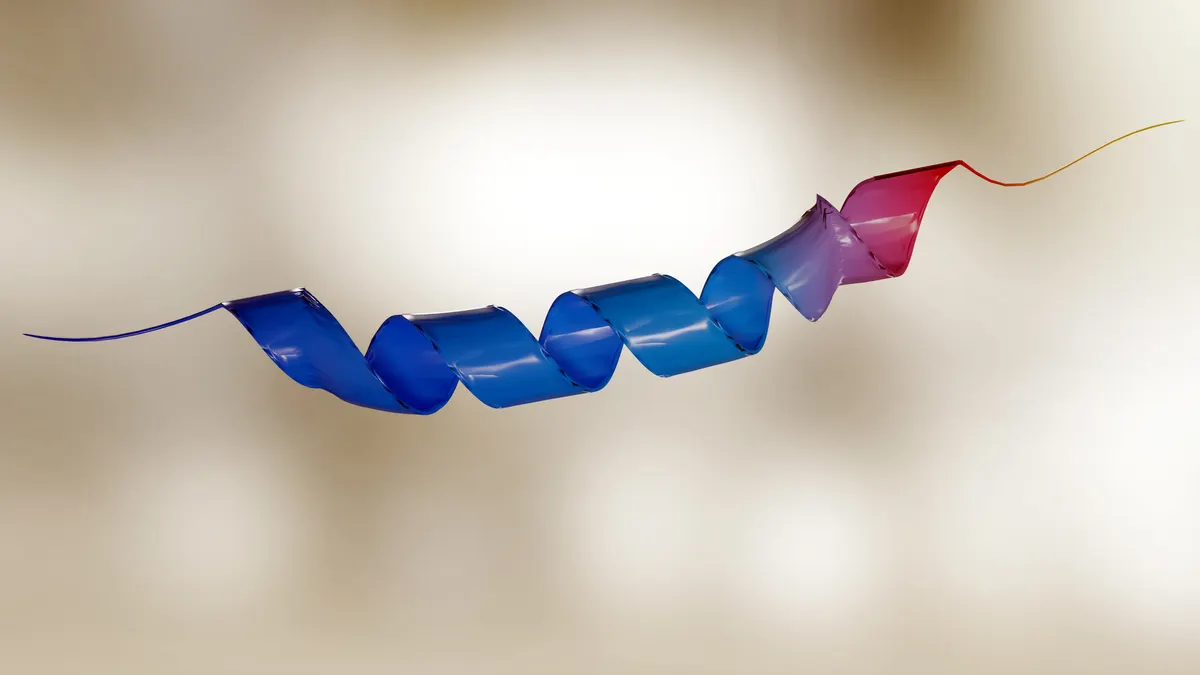
- The results confirm earlier findings suggesting retatrutide — which acts on three metabolic pathways versus one for Ozempic — could be a differentiated diabetes and weight loss medicine. In an obesity trial, this “triple-G” drug stimulated weight loss that rivaled results seen in bariatric surgery.
Dive Insight:
Should retatrutide go on to win approval, Lilly may further cement its place atop metabolic medicine. The ascent of its already-marketed Zepbound and Mounjaro have propelled Lilly’s market value far beyond that of its pharmaceutical peers. And the buzz surrounding retatrutide is so strong that many people have resorted to a nebulous “black market” to get their hands on it.
Retatrutide represents the next step in a push by obesity drug developers to make therapies that can drop weight even more profoundly than existing medications. While GLP-1 medicines have been on the market for more than 20 years, for instance — Lilly was the commercial partner for the first such shot — the company has been specializing in drugs that add more metabolic targets to boost effectiveness.
Zepbound and Mounjaro modulate GLP-1 as well as a second hormone called GIP. Retatrutide acts on a third, called glucagon, too. Novo is aiming to catch up, but has yet to launch a dual acting drug, and its three-pronged candidates are in Phase 2 trials.
The latest trial result showed just how challenging a foe retatrutide might be for Novo. The highest dose lowered weight by 21% on average, while a 9 mg dose was associated with 20% weight loss. That number was 9% for Ozempic recipients.
Those benefits appear to come with a trade-off. In the study, only 3% of Ozempic recipients stopped treatment because of side effects compared with 8% of the people on the highest retatrutide dose and 5% of those in the 9 mg group.
Still, the results “strengthen the case for retatrutide’s long-term differentiation” and justify a “branded premium” ahead of the 2032 U.S. patent expiration of semaglutide, wrote Leerink analyst David Risinger in a client note.
Risinger expects annual retatrutide sales to reach $15 billion in 2032, higher than the $10 billion consensus among Wall Street analysts.