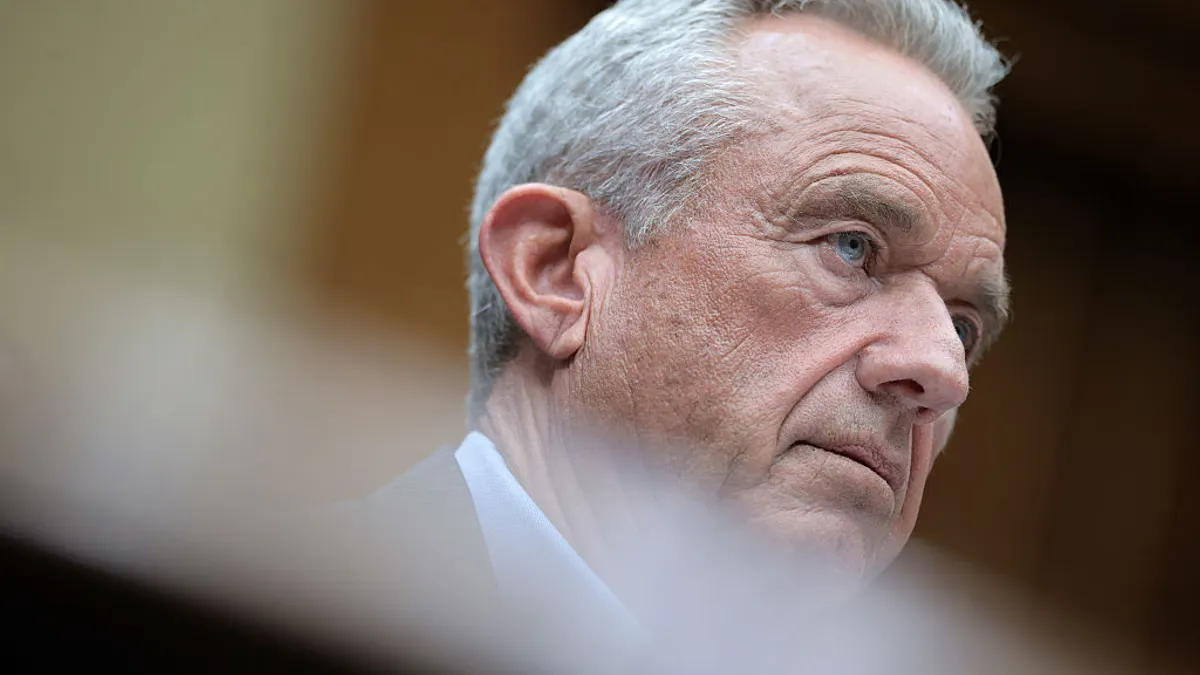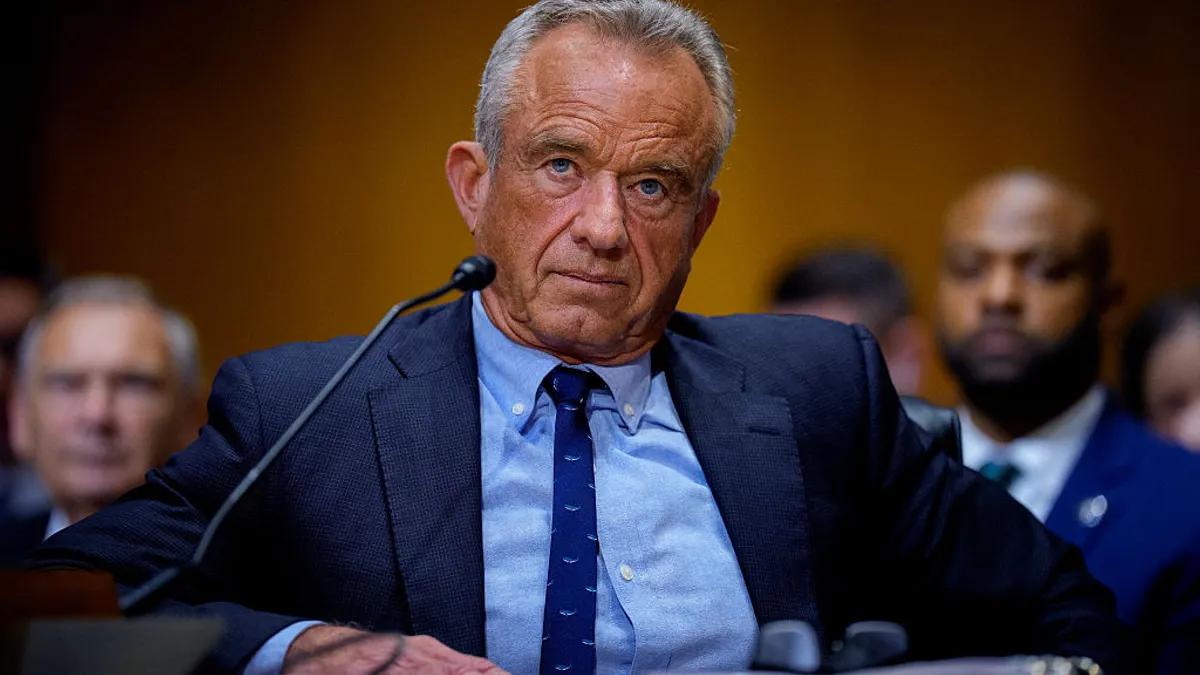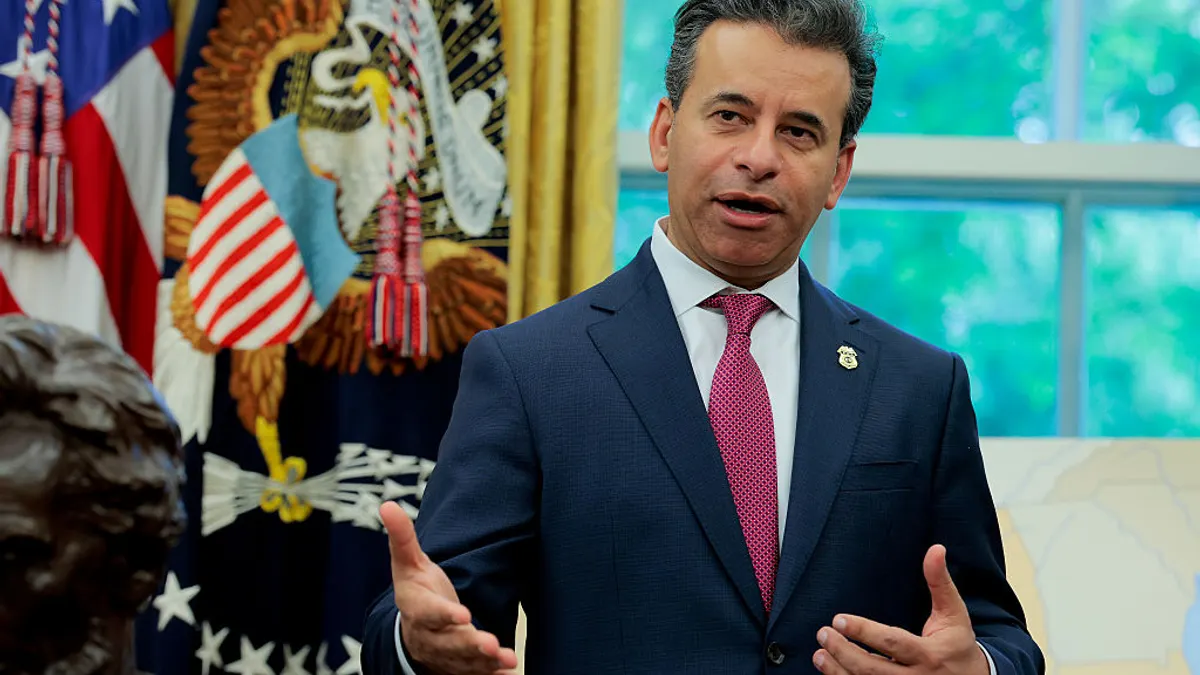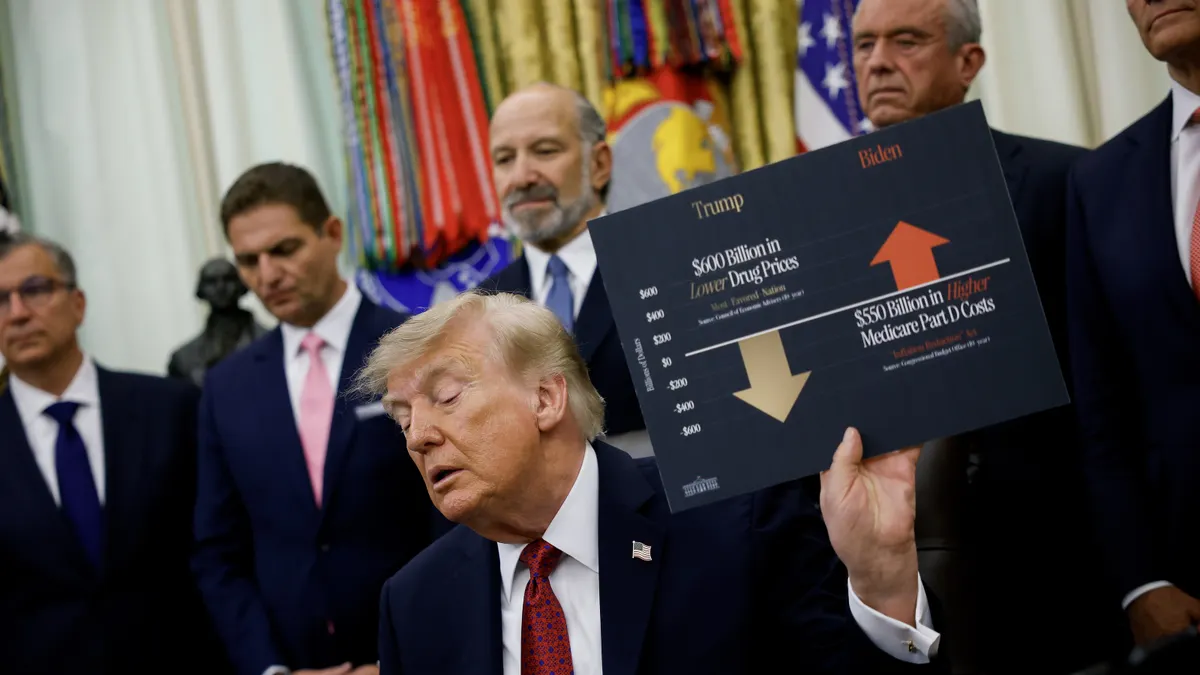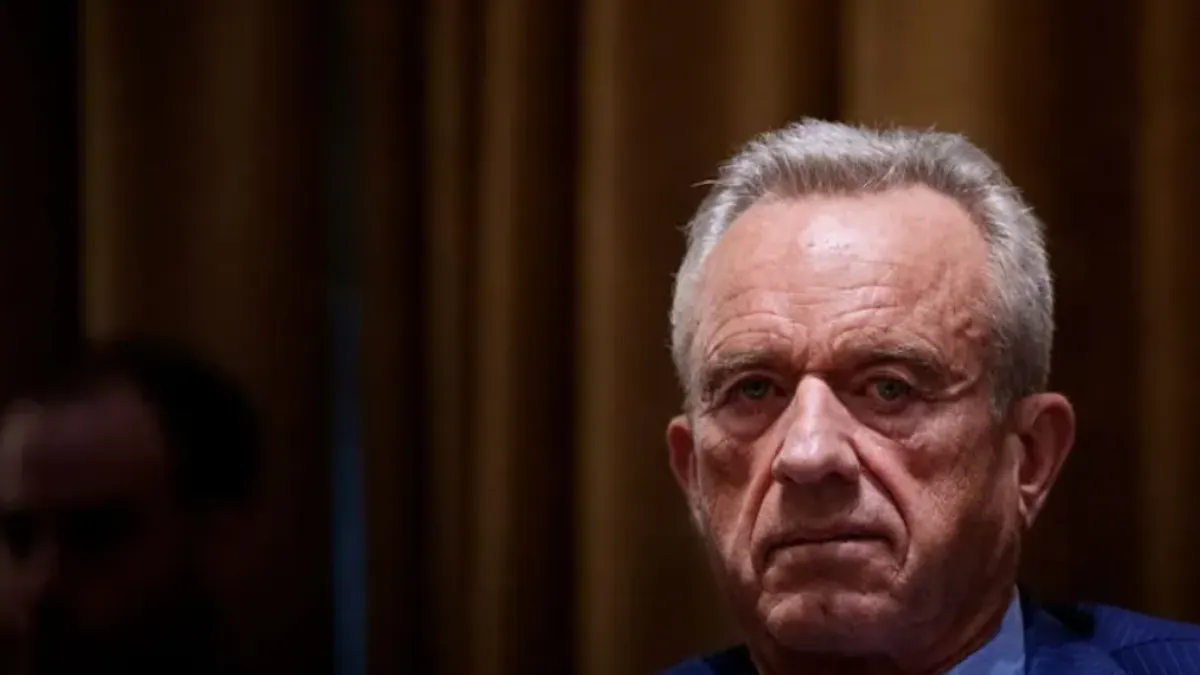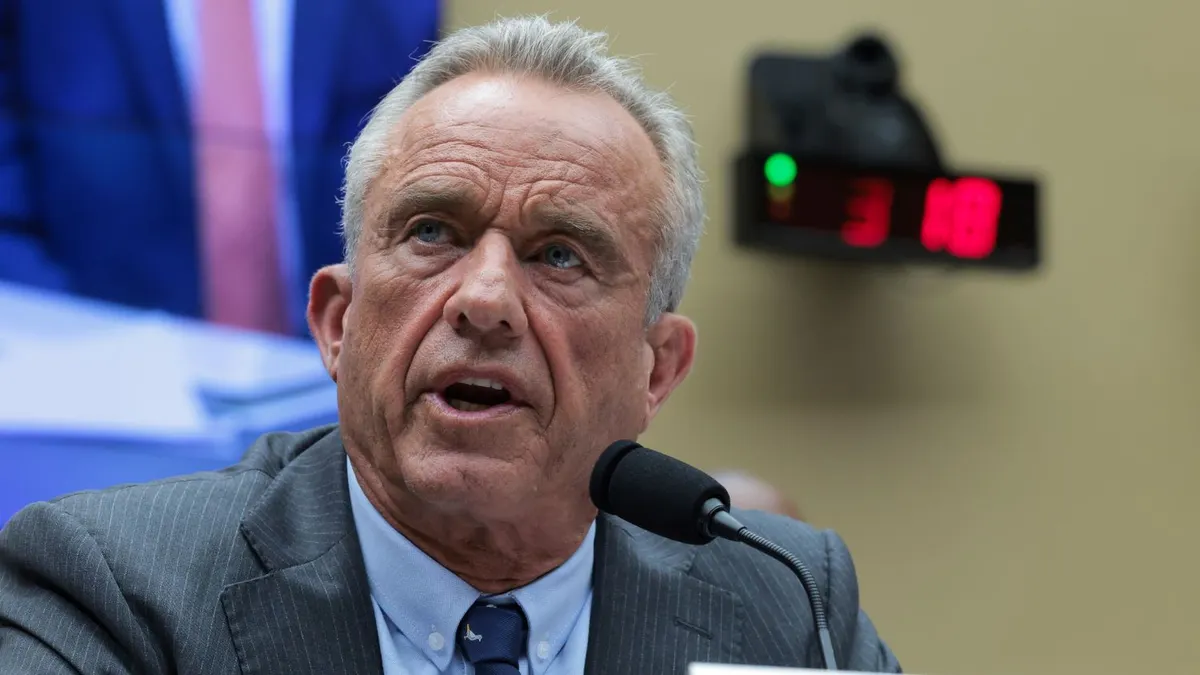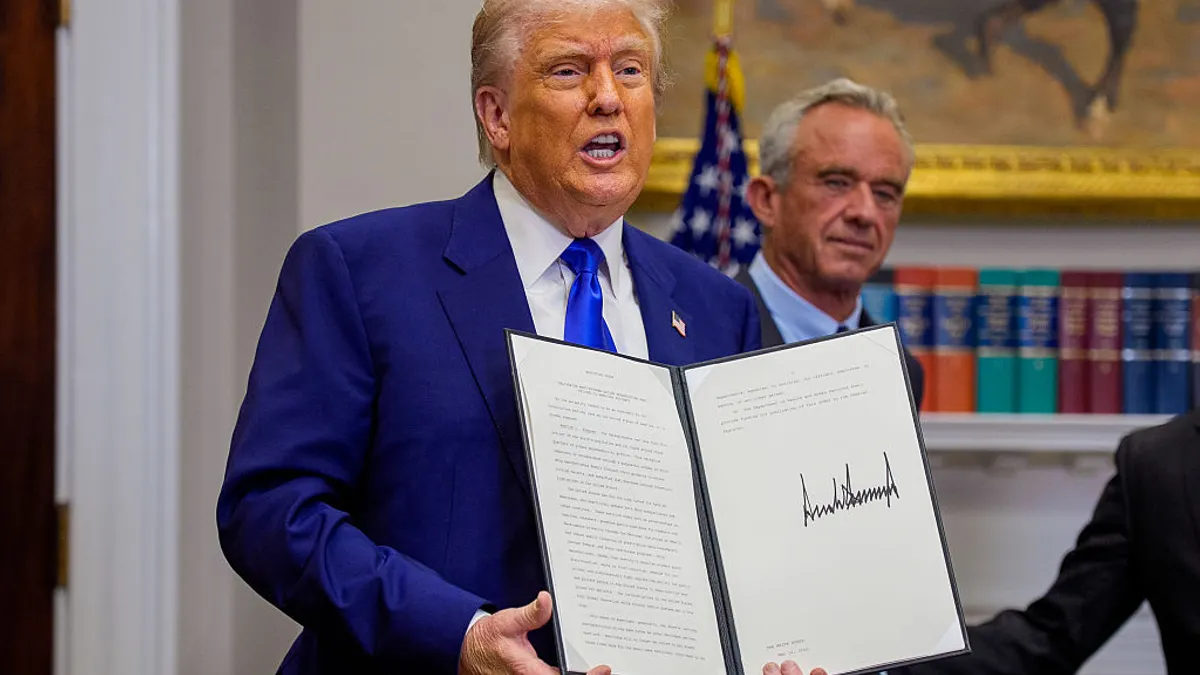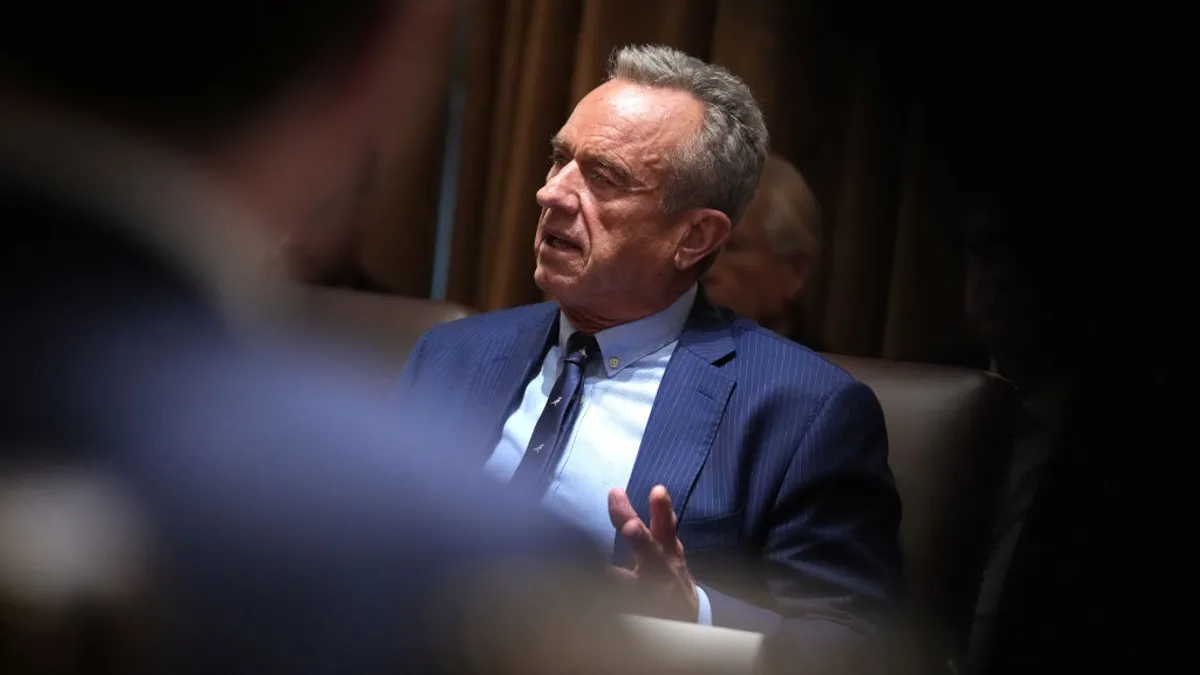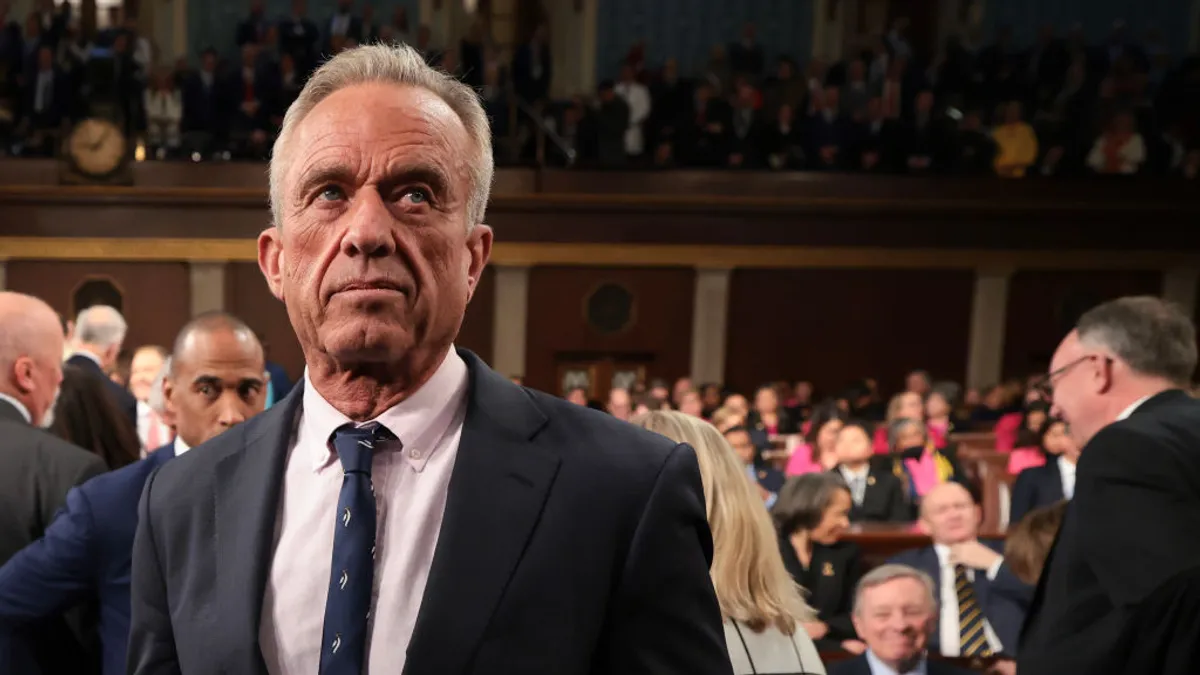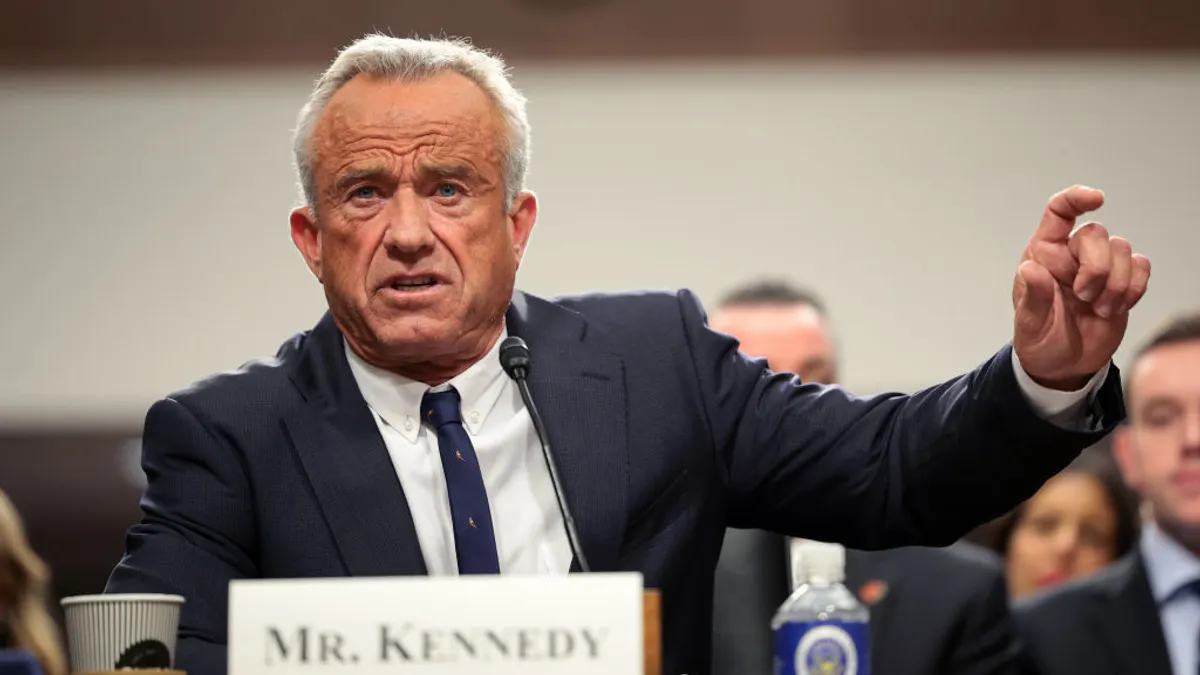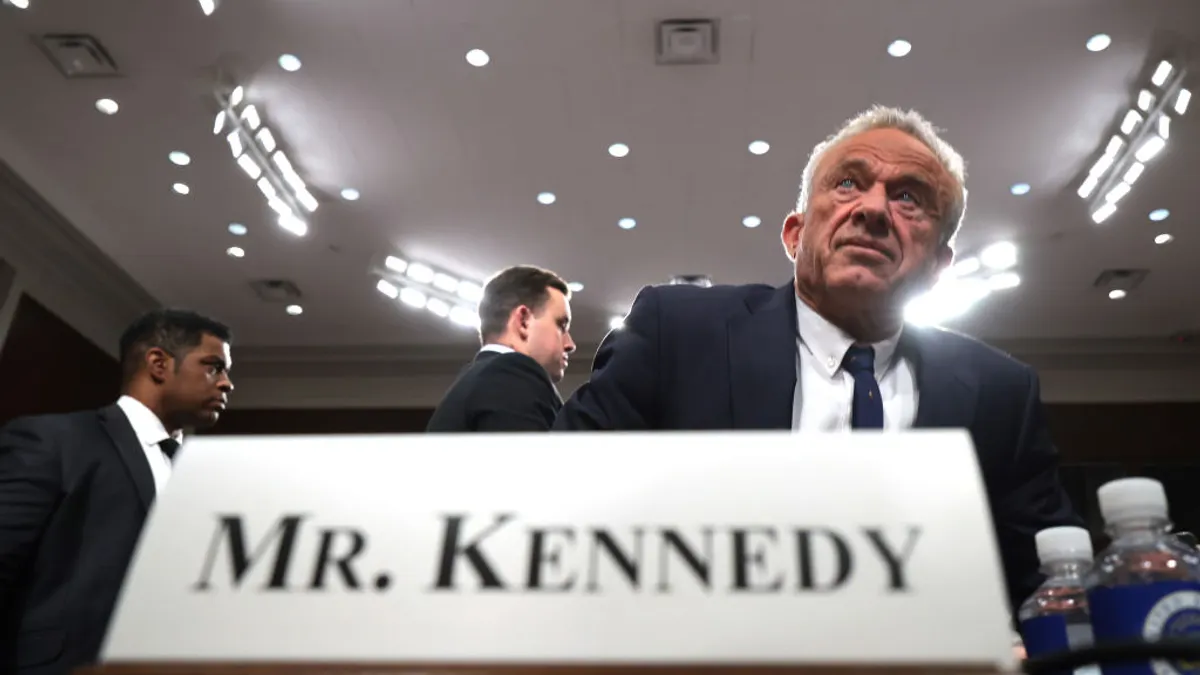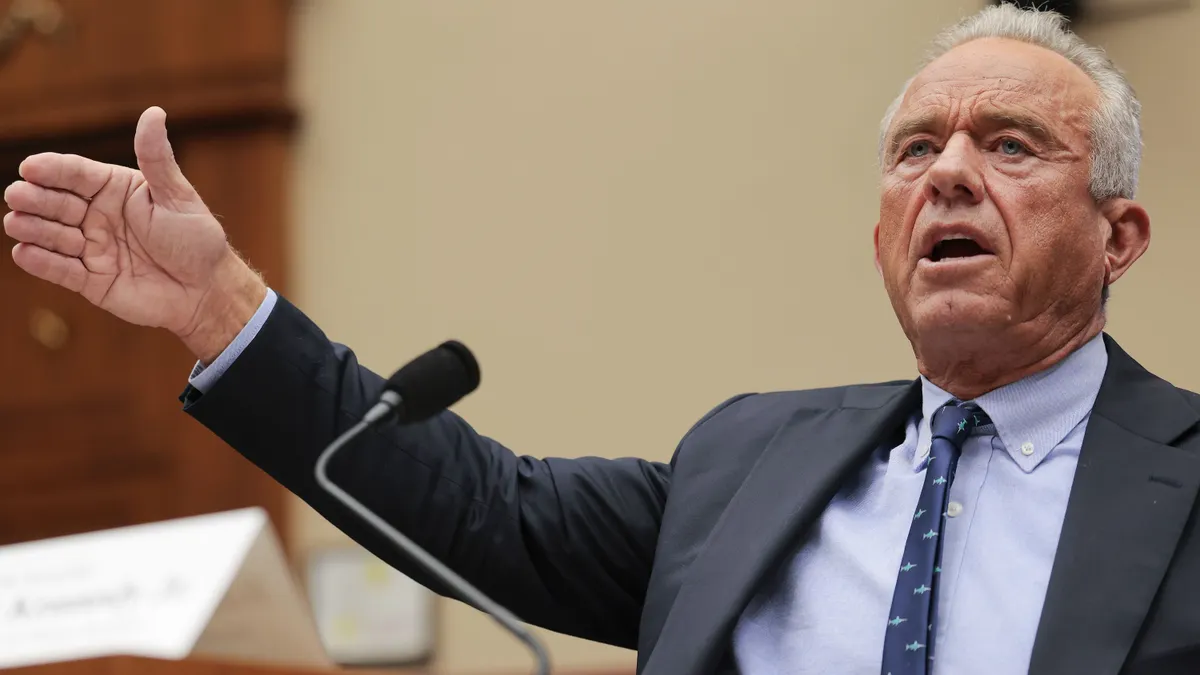

HHS Secretary Robert F. Kennedy Jr. defended both his tenure as head of the massive health department and the Trump administration’s proposed cuts to the agency during a marathon of wide-ranging congressional hearings last week.
Democrats lambasted the secretary across three House hearings on Thursday and Friday for his controversial changes to vaccine policy, rising healthcare costs and upheaval at the HHS, which has lost thousands of employees amid a major restructuring last year.
Although Republicans largely praised Kennedy’s track record as secretary, commending the HHS’ moves to change nutrition guidelines, restrict food dyes and crack down on fraud in government healthcare programs, some GOP lawmakers appeared concerned about the White House’s HHS budget request for fiscal year 2027.
The proposal, released early this month, would cut the department’s discretionary spending by 12.5%, or nearly $16 billion.
During multiple hearings, Kennedy defended the proposed cuts, arguing the budget needs to account for the nation’s rapidly rising levels of debt.
“We’ve been asked to cut by 12% across my agency, and all of those cuts are painful,” he said during a House Appropriations subcommittee hearing. “Nobody wants to do them, but somehow we’ve got to tighten our belt in order to save our kids these kinds of costs.”
The round of hearings comes about 14 months after Kennedy was confirmed as head of the HHS and serves as one of his first opportunities to explain his track record.
During the hearings, Democrats argued the administration’s healthcare policies and the proposed cuts to the HHS are contradictory to Kennedy’s aims to improve Americans’ health and lessen chronic disease.
For example, more generous financial assistance for health plans on the Affordable Care Act exchanges expired at the end of 2025, causing premiums for many to skyrocket. And last year, Trump signed massive tax and policy legislation that includes significant cuts to Medicaid, likely culling millions of people from the safety-net insurance program.
Some Republicans balk at NIH cuts
The proposed cuts at the HHS include a $5 billion decrease in funding at the National Institutes of Health, the world’s largest public funder of biomedical research, a potential concern for a few Republican lawmakers. The proposal would eliminate several institutes, including centers conducting research on minority health, global health and alternative medicine.
The budget would also cut $4 billion from an energy assistance program for low-income Americans, as well as reduce spending at the Agency for Healthcare Research and Quality — the health quality and safety researcher that’s already lost more than half its staff since the start of the Trump administration.
Some Republican legislators supported the budget request, with Education and Workforce Committee Chairman Tim Walberg, R-Mich., saying during a hearing Friday that the proposal “reins in a bloated, unaccountable bureaucracy.”
But other GOP lawmakers raised concerns about cuts to the NIH in particular. During a House Appropriations subcommittee hearing Thursday, Rep. Stephanie Bice, R-Okla., said investing in the NIH is critical to accelerate biomedical breakthroughs and prevent competitive threats from China.
“I doubt that we will be able to agree on areas for reduction,” said Rep. Robert Aderholt, R- Ala., chairman of the Appropriations subcommittee that oversees the HHS, on Thursday. “I’m a strong supporter of investments for NIH and believe extreme swings in funding supporting biomedical research are counterproductive.”
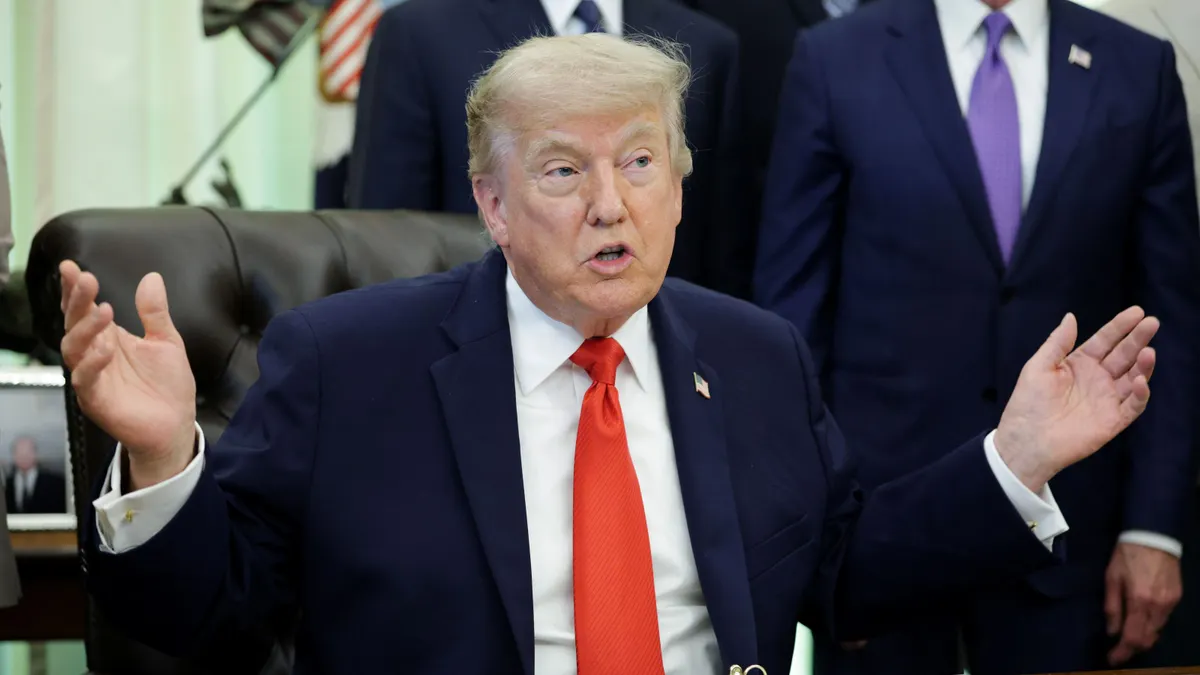
Concern about cuts among lawmakers could impact the HHS’ funding, given Congress ultimately decides the funding allocated to federal agencies. The White House had proposed even steeper cuts to the health department last year, but Congress rejected them.
HHS looks to hire again
Meanwhile, the HHS is also operating with fewer employees after a massive reorganization cut thousands of jobs across the department last year. During the House Appropriations hearing Thursday, Kennedy said the HHS had around 62,000 employees after the layoffs, but has hired around 10,000 more since.
The HHS is currently hiring 12,000 more workers to help the department better address chronic health conditions, he added.
“I'm not saying that people who lost their jobs were bad actors. They weren’t. Many of them were doing jobs they were hired to do,” he said. “We needed to do something drastic to change the institutional culture of this agency and realign it with a new trajectory to end the chronic disease epidemic.”
Democrats push back on HHS’ fraud crackdown
During the hearings, Kennedy frequently touted the HHS’ moves to rein in fraud and wasteful spending, a major priority for the Trump administration as a whole. But Democrats argued the Trump administration has allowed some potential fraud to continue, while pardoning others convicted of bilking Medicare.
The CMS has launched inquiries for Medicaid fraud into several, mostly Democrat-led states. Earlier this year, the Trump administration halted more than $250 million in funds to Minnesota in response to what it says were unsupported or potentially fraudulent Medicaid claims from the state.
The agency is also conducting an investigation in New York, though the administration admitted earlier this month to a significant error in the metrics it used to justify the probe, according to reporting by The Associated Press.
Additionally, in late February, the CMS imposed a six-month moratorium on Medicare enrollment for suppliers of durable medical equipment, in an attempt to crack down on fraud and abuse. The agency is also requesting public input on regulatory changes that could be used to prevent lab test fraud, especially for genetic testing.
Republicans applauded the Trump administration’s attempt to crack down on fraud, with Rep. David Schweikert, R-Ariz., saying the nation has “entire states that seem to be helping this fraud along,” during the Ways and Means Committee hearing Thursday.
But Democrats pushed back on Kennedy’s claims that the Trump administration had effectively tamped down on fraud. Neal pointed to Trump’s decision to commute the 50-year prison sentence of a man who had pled guilty to committing tens of millions of dollars in Medicare fraud. Trump had also pardoned a nursing home operator convicted of fraud.
Rep. Lloyd Doggett, D-Texas, also grilled Kennedy over the CMS’ decision to reinstate 850 ACA health plan brokers that had been suspended late in the Biden administration for suspicion of fraudulent or abusive conduct.
“I don’t know why those people were reinstated,” Kennedy said. “As far as I’m concerned, it may be because of a lawsuit. I have to check on that.”