Dive Brief:
- A dual-acting weight loss drug being developed by Roche helped people with obesity lose about 23 percentage points more of their body weight than those who received a placebo after 48 weeks of treatment in a Phase 2 trial, the company said late Monday. While from a mid-stage study, the weight loss data are comparable to what was observed in testing of Eli Lilly’s fast-selling Zepbound.
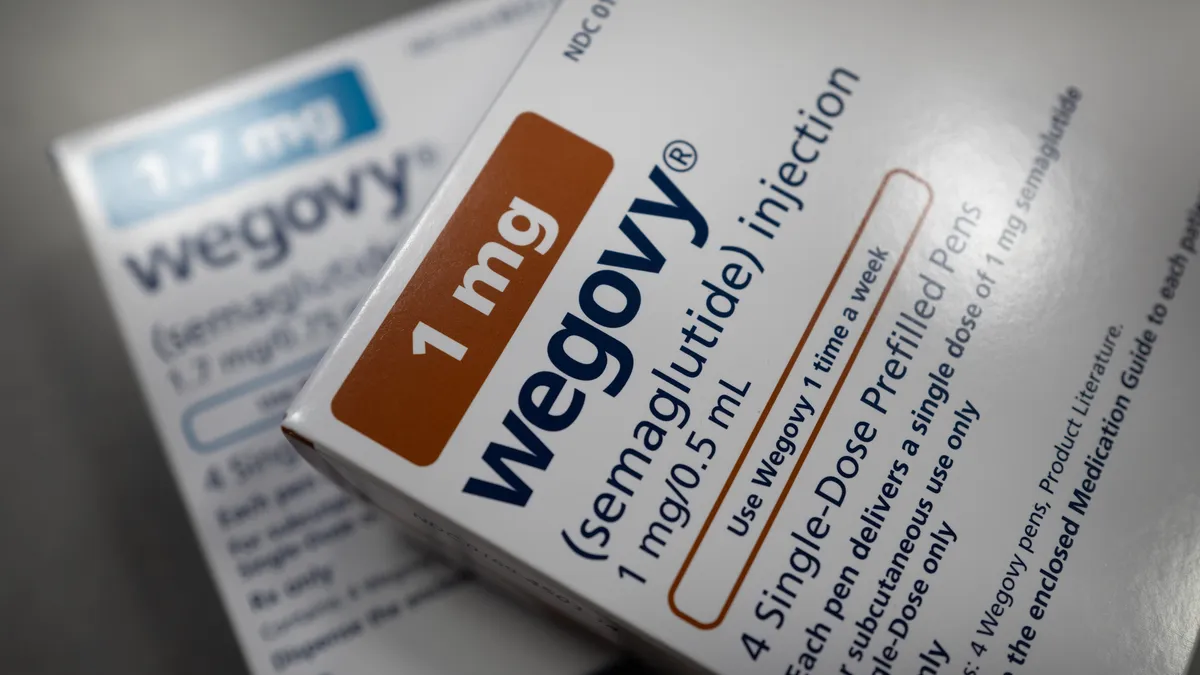
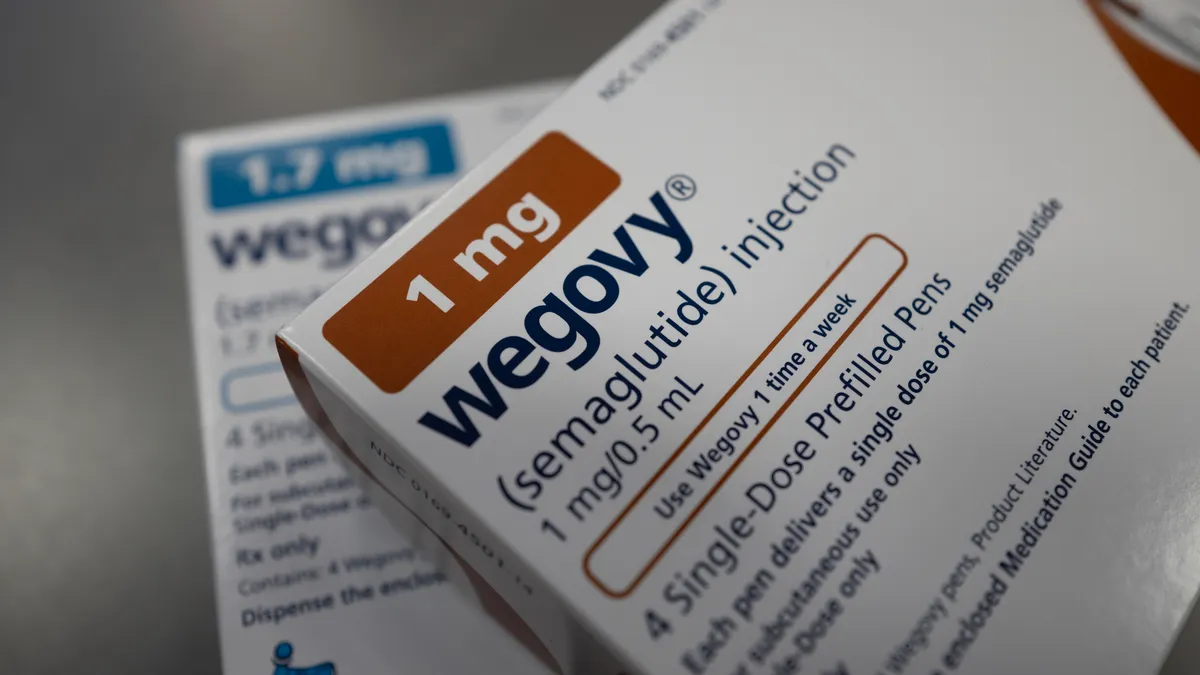
- Roche plans to advance the drug, called CT-388, into Phase 3 testing by the end of March. But that trajectory puts CT-388 years behind Zepbound and rival Novo Nordisk’s Wegovy shot. If it were to get to market, CT-388 would also compete with Novo’s Wegovy pill, which has seen strong early uptake, and potentially an oral Lilly drug due a Food and Drug Administration decision in the second quarter.
- While acknowledging CT-388’s potential to spur meaningful weight loss, Jefferies analyst Michael Leuchten questioned whether it and another Roche obesity medication called CT-996 will be meaningful sellers. “They need to show a path to commercial relevance,” Leuchten wrote in a Tuesday note to clients.
Dive Insight:
Roche took control of CT-388 with a $2.7 billion acquisition of Carmot Therapeutics more than two years ago. That deal was one of many that large pharmaceutical companies have forged to rush into a market expected to eventually deliver in excess of $100 billion in yearly sales.
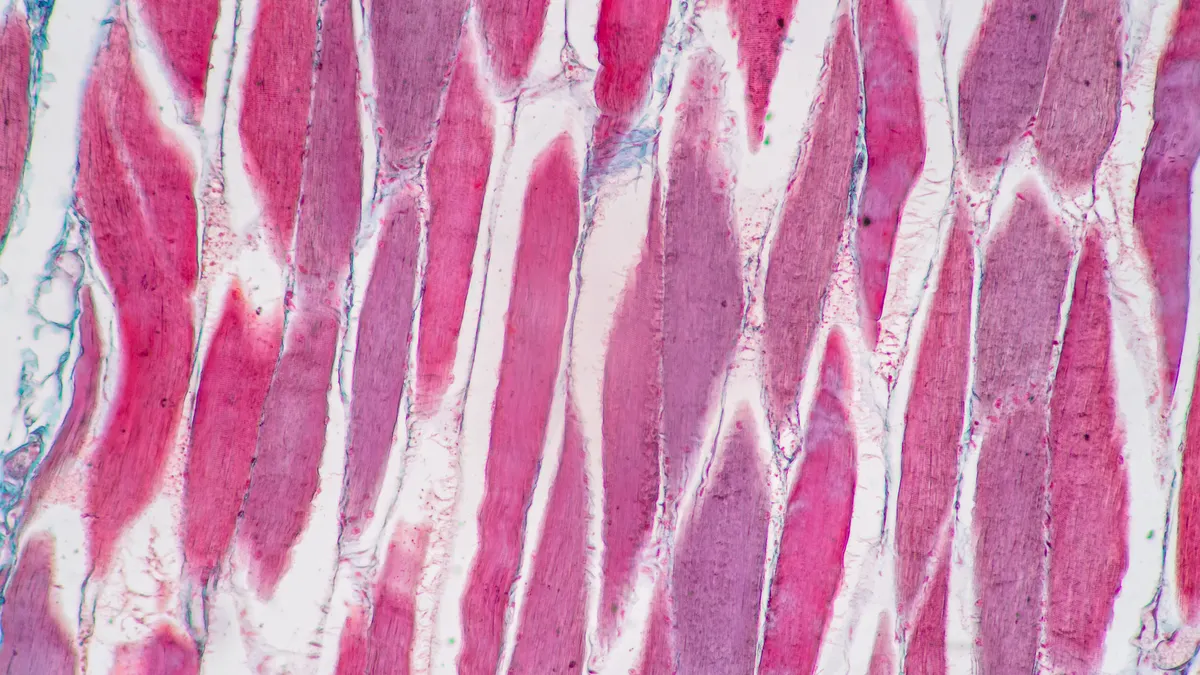
Roche has since added more to its portfolio by partnering with Zealand Pharma. It’s also working on a separate asset called emugrobart that aims to help people with obesity retain lean muscle as they take drugs like Zepbound and Wegovy.
Like Zepbound, CT-388 stimulates production of two metabolic “incretin” hormones called GLP-1 and GIP. After early study results, Roche claimed the treatment has “best in class potential.”
The data released Monday came from a Phase 2 trial that enrolled 469 people with obesity and one non-diabetic health complication. Multiple doses of CT-388 were tested against a placebo over the course of 48 weeks.
Roche said the shot helped people lose 22.5 percentage points more body weight than those who received a placebo when excluding people who dropped out of the trial or stopped treatment. If discontinuations were to be counted — a calculation that typically better reflects real-world use — the difference between drug and placebo recipients would be 18.3 percentage points.
A weekly shot of 24 milligrams, the highest dose tested, helped 48% of trial enrollees lose more than 20% of their body weight, Roche said.
The company didn’t provide specifics, but said the drug was well tolerated, with gastrointestinal problems mostly mild to moderate and “generally consistent with the incretin class of medicines.” About 6% of those who got CT-388 discontinued treatment because of side effects, compared with 1% of placebo recipients.
In his client note, Leuchten wrote that the gap between the two main efficacy estimates “suggests there are treatment adherence questions with some of the doses,” which might be better understood when more detailed data are presented at a future medical meeting.