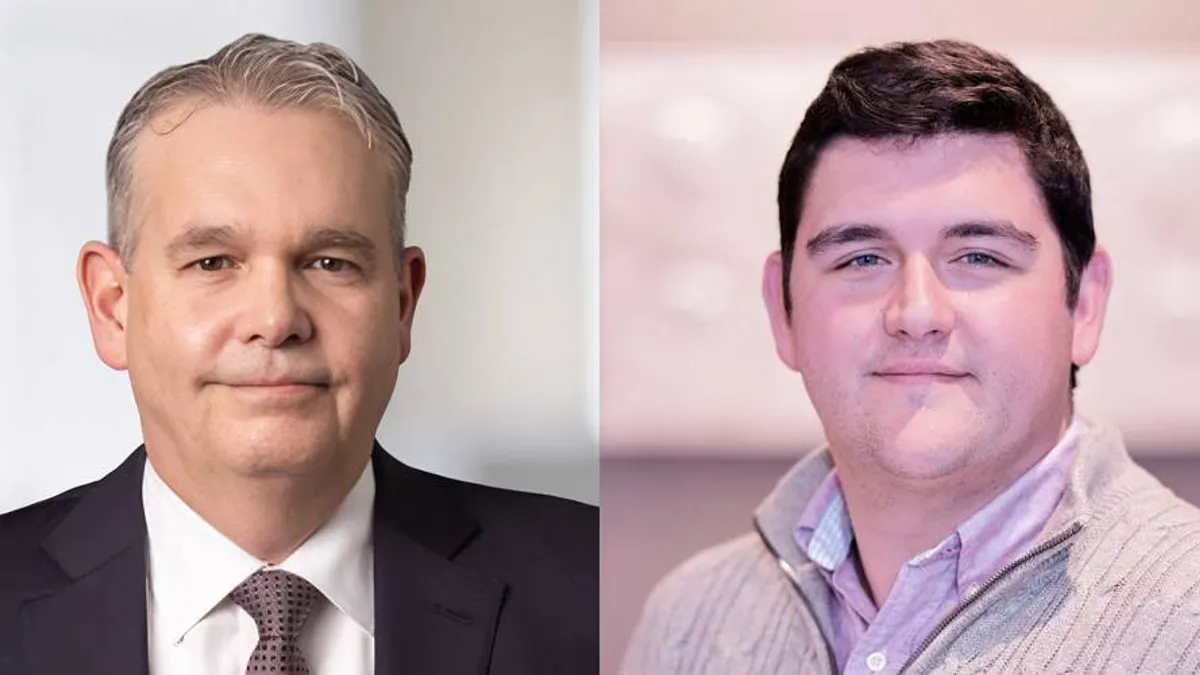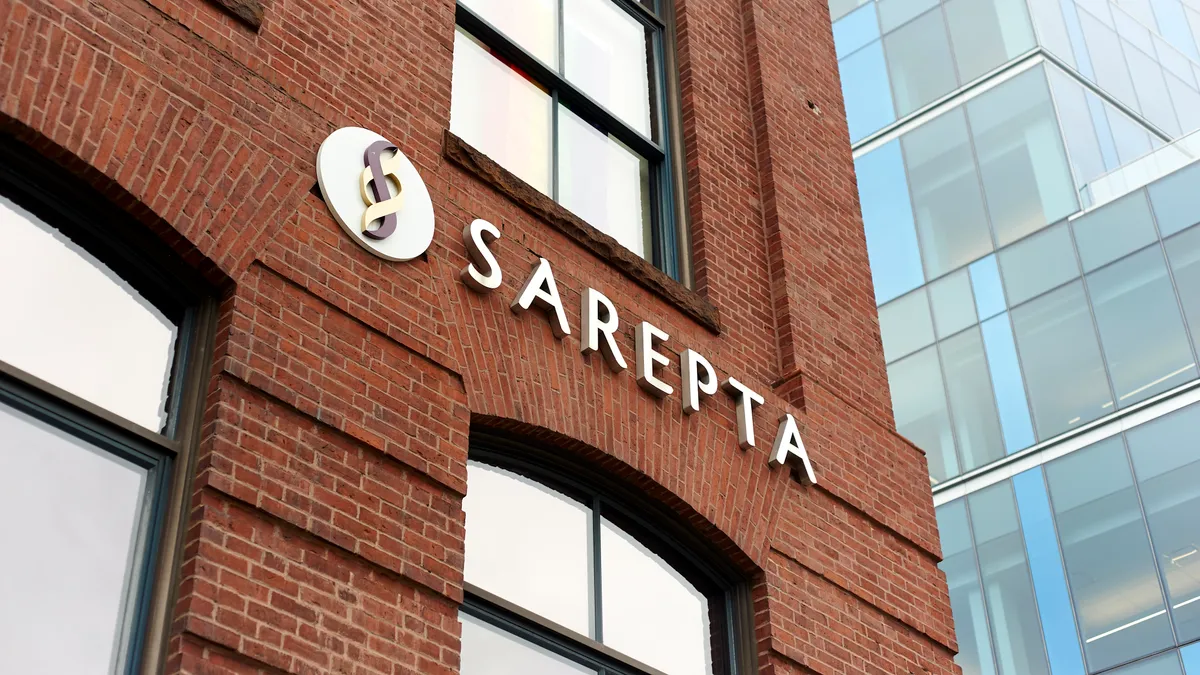
Doug Ingram is leaving his post as the CEO of Sarepta Therapeutics, culminating a tumultuous tenure that saw the biotechnology company bring several medicines for a deadly neuromuscular disease to market yet still face an uncertain future.
On a conference call discussing Sarepta’s latest earnings report, Ingram, its leader for nearly a decade, said he notified the company Wednesday that he will retire by the end of the year or when his replacement is found. A search for his successor is underway involving candidates both inside and outside the company, according to Sarepta.
“This decision was a deeply difficult one for me, as this is the most meaningful and rewarding role that one could imagine, and we stand at one of the most exciting moments in our entire history,” Ingram told analysts.
A former Allergan executive, Ingram was named Sarepta’s CEO in June 2017. He took the helm at a time Sarepta had recently won one of the more dramatic drug approvals in recent memory. The year before, the Food and Drug Administration had granted an accelerated clearance to its Duchenne muscular dystrophy therapy, Exondys 51, only because the agency’s then-top drug evaluator overruled her own skeptical review team. That decision was celebrated by patients and families, but caused a rift within the FDA and was seen by critics as an example of the pressure advocacy groups — many of which receive some degree of funding from drug companies — were putting on regulators.
Under Ingram’s leadership, Sarepta then brought two other, similar Duchenne drugs to market. Like Exondys, both were awarded accelerated clearances based on their ability to produce small amounts of a muscle-protecting protein. They formed the foundation of a business that generates about $1 billion annually and made Sarepta one of the industry’s more valuable biotech companies.
That success also emboldened Sarepta to invest more heavily in additional programs. One focus was gene therapy, where it would eventually bring Elevidys, the first treatment of its kind for Duchenne, to market. It also cut a big deal with Arrowhead Pharmaceuticals to stock up on RNA medicines.
Yet Sarepta never proved in placebo-controlled testing that its treatments could definitively alter the course of Duchenne, a progressive and deadly disorder. Two of its drugs — Vyondys 53 and Amondys 45 — failed the main objective of a study in 2025 designed to confirm their benefits. Elevidys did, too, and last summer became embroiled in controversy after being linked to the deaths of two drug recipients. The therapy was temporarily removed from the market and, since then, the Food and Drug Administration has restricted use in certain people.
Sarepta laid off staff, halted much of its gene therapy work and pushed off debt payments to help cover partnership payments due to Arrowhead. The company significantly dialed back Elevidys’ once multibillion-dollar sales expectations. Its other drugs now have an unclear regulatory outlook and face emerging competition. Most of its market value has been erased since peaking in the middle of 2024.
On Wednesday, Sarepta reported another quarterly decline in Elevidys sales that left some Wall Street analysts expecting the therapy’s 2026 numbers to fall well short of the $500 million mark the company most recently predicted. And despite investors’ “polarizing views” of Ingram, the uncertainty surrounding his potential successor could cause more angst and share price volatility, wrote William Blair analyst Sami Corwin.
“Given the tumultuous last year, it likely does not come as a surprise that he plans to retire,” added Leerink Partners analyst Joseph Schwartz.
Ingram, for his part, said his decision was driven by personal matters. On a conference call with analysts, he revealed that two members of his immediate family have been diagnosed with myotonic dystrophy, a progressive, muscle-wasting condition and a disease the company is currently developing a medicine for. By the end of 2026, “the time will have come for me to spend more time in California focusing on family commitments and addressing the realities of DM1,” Ingram said.
He was also adamant that Sarepta is poised to rebound under its next leader, despite the challenges ahead. Early data involving drugs from its Arrowhead partnership are coming. The company is on “strong financial footing,” having ended the year with about $1 billion in cash and expectations of being cash-flow positive in 2026.
“We have a lot to do and a lot of execution to do, and I think we will have to be very mindful that whoever we choose, whether internal or external, understands what we are up against,” Ingram said.