Flagship Pioneering has launched a new biotechnology firm that believes it’s found a way to solve the problems that have long held back genetic medicine.
Called Serif Biomedicines, the startup officially debuted on Tuesday armed with $50 million in funding and the ability to make what it refers to as “modified DNA” medicines.
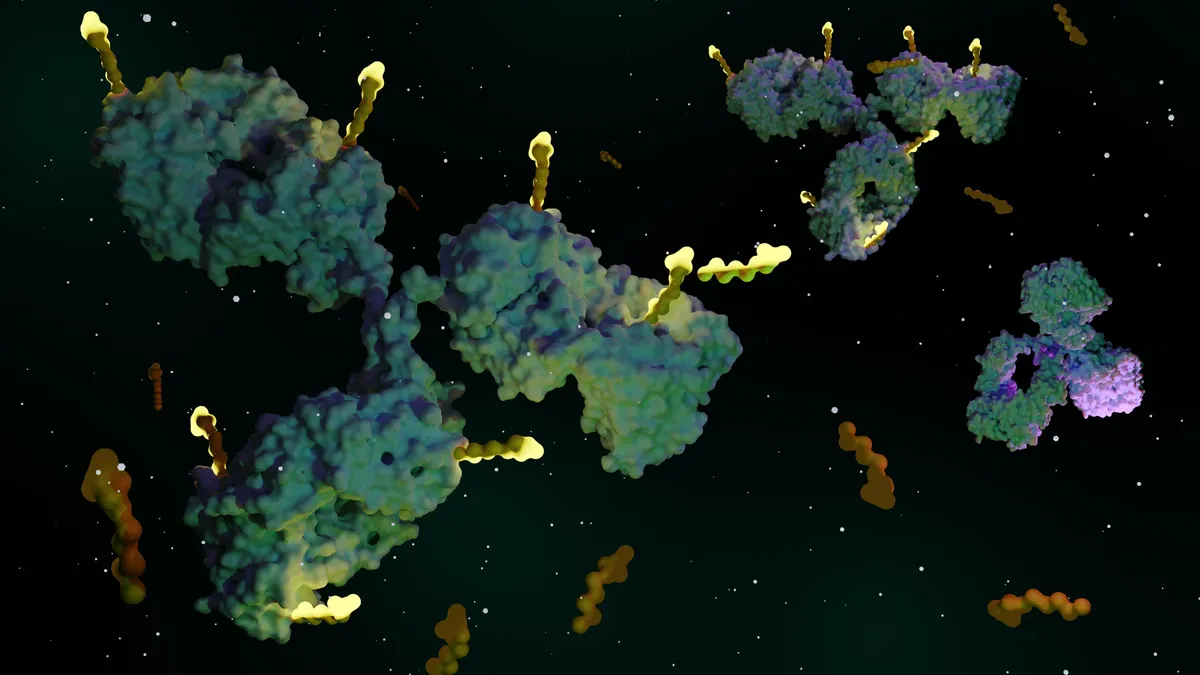
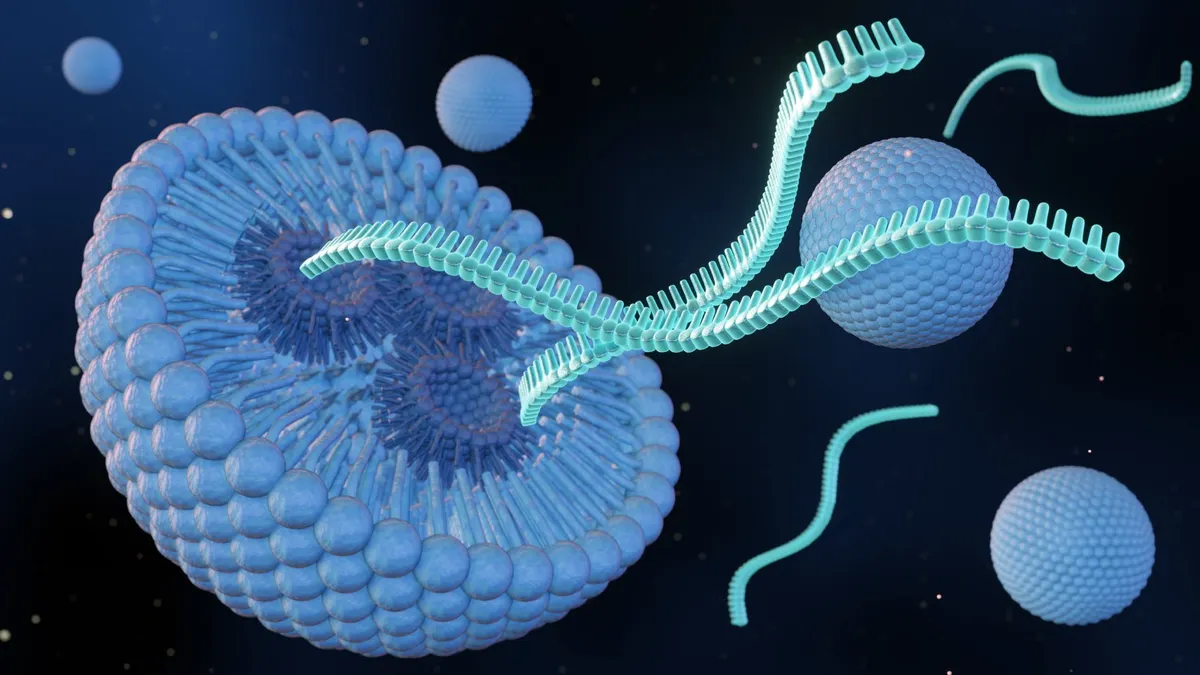
According to CEO and co-founder Jacob Rubens, Serif’s drugs are designed to combine the strengths of multiple types of genetic medicines, from gene therapy to the messenger RNA and small-interfering RNA approaches popularized by companies like Moderna and Alnylam Pharmaceuticals. Its treatments consist of two components: finely tuned instructions for a therapeutic protein as well as an mRNA sequence for “co-factors” that can help the treatment get into a cell’s nucleus. They’re sent to cells with the help of fatty shells called lipid nanoparticles, which are commonly used to deliver complex medicines.
Serif claims this approach can sidestep many of the issues that limit the reach of genetic medicine. The tweaks Serif makes to DNA are meant to enable its therapies to durably and safely express genes without altering a cell’s genome — something that can risk causing unintended health problems. The accompanying co-factors are supposed to enhance their effects. And using specially designed lipid nanoparticles, rather than the engineered viruses many companies rely on for delivery, is a bid to enable its treatments to be dosed more than once and reach an array of tissue types.
Those properties, Serif said, should make for treatments that are less complicated and cheaper to produce. The approach could also be potentially helpful against many conditions, including “broad medical applications” with “significant market opportunities,” it said in a statement.
“Instead of making proteins outside of the body and injecting those proteins into us, we can actually make any drug inside of us by just delivering the DNA sequence that codes for that drug,” Rubens said.
Serif will unveil preclinical data at an upcoming medical meeting. The company has not disclosed which conditions it’s targeting first, but is focused on rare genetic diseases and immunology, he said.
Cell and gene therapy developers have had a harder time raising money in recent years amid lingering questions about development costs and market uptake. Still, newer approaches are gaining traction, and the field’s struggles haven’t deterred Flagship — a prominent biotech investor known for backing broad drugmaking platforms — from placing bets, Rubens said.
“When a foundational layer of biology becomes engineerable, new therapeutic categories are born that can redefine the possibilities for medicine,” Noubar Afeyan, Flagship’s CEO and a co-founder of Serif, said in a statement.
Serif is the first company publicly launched this year by Flagship. In 2025, the Cambridge, Massachusetts firm unveiled AI drug discovery startups such as Lila Sciences and Expedition Medicines, and saw several of its portfolio companies partner with bigger firms like Pfizer and GSK..
In naming the fledgling company, Flagship’s team looked to the ways typeface creators personalize their fonts. The miniscule strokes at the edges of a letter or number affect the way a reader perceives a word, Rubens said, much like how modifications to synthetic DNA can change how a cell might respond to a medicine.
“Just like when you get a new app on your phone, you add a new capability, new software. That’s what we do when we deliver DNA to the cell,” Rubens said.