
Dive Brief:
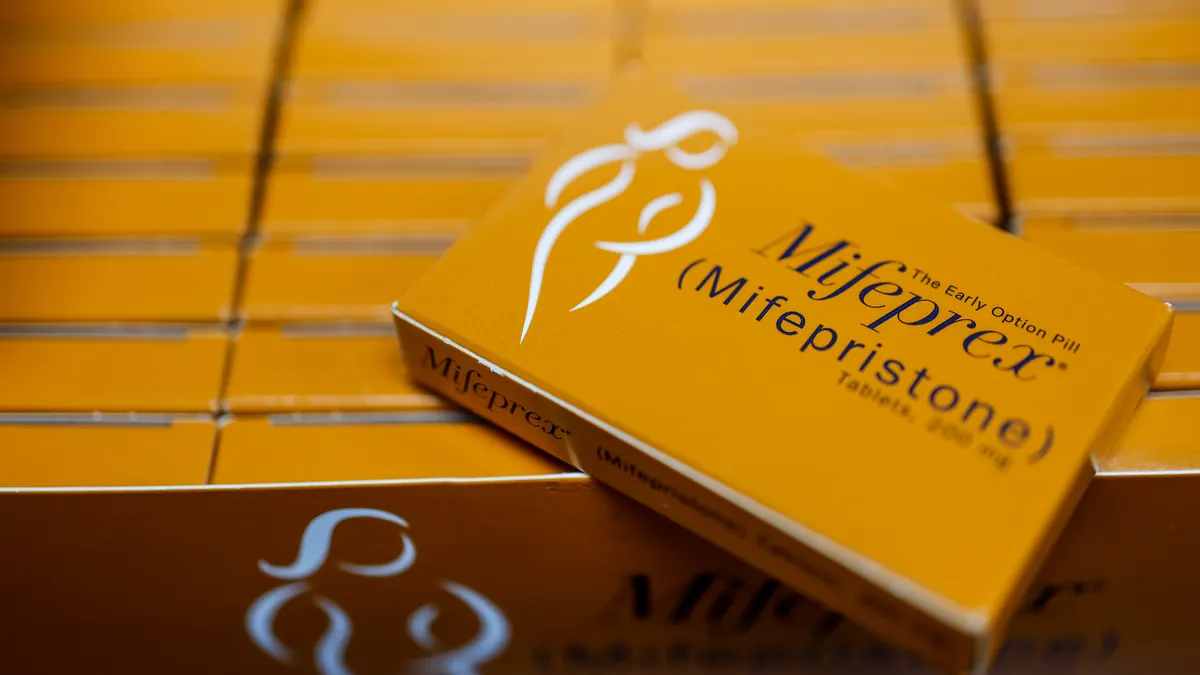
- The Supreme Court preserved mail-order access to the abortion pill mifepristone on Thursday, less than two weeks after a lower court cut off access to the drug.
- Providers will continue to be permitted to prescribe mifepristone at pharmacies or through the mail without requiring an in-person visit as the lawsuit targeting the popular abortion drug works its way through the courts.
- Two drugmakers — Danco Laboratories and GenBioPro — submitted an emergency petition to the Supreme Court early this month asking it to block a lower court’s ruling that cut off mail-order access to the drug. The court’s indefinite stay will hold as litigation continues.
Dive Insight:
The Supreme Court did not explain its reasoning in the emergency order. Justices Clarence Thomas and Samuel Alito dissented, with Alito writing the ruling perpetuated a “scheme to undermine” the court’s decision to overturn Roe v. Wade, which ended the nationwide right to an abortion.
Thursday’s order comes after the 5th Circuit Court of Appeals ruled unanimously this month to cut off mail-order access to mifepristone. The ruling overturned 2021 policy from the Food and Drug Administration that expanded access to the drug by mail and permitted it to be prescribed in telehealth visits.
About two-thirds of all abortions in the U.S. now occur via medication and about one-fourth involve telehealth, according to the Guttmacher Institute.
Louisiana Attorney General Liz Murrill sued the FDA in October, seeking to reimpose in-person prescribing restrictions and arguing that the agency’s flexibilities on mifepristone undercut the state’s near-total abortion ban. The 5th Circuit agreed, ruling earlier this month that providers must conduct an in-person visit before dispensing abortion pills.
In their emergency petition to the court, Danco and GenBioPro — which both manufacture mifepristione — argued the 5th Circuit’s decision “unleashed regulatory chaos” into the industry and risked upsetting time-sensitive medical decisions.
Alito and Thomas, in their dissents, argued the drugmakers hadn’t demonstrated sufficient harm.
“Applicants are not entitled to a state of an adverse court order based on lost profits from their criminal enterprise,” Thomas wrote.
Still, reproductive rights groups praised the ruling.
“While it is good news that, for now, patients can continue to get this safe medication by mail and at pharmacies as they have for more than five years, we all know abortion opponents are continuing their unpopular and baseless attacks,” said Julia Kaye, senior staff attorney for the Reproductive Freedom Project of the ACLU.
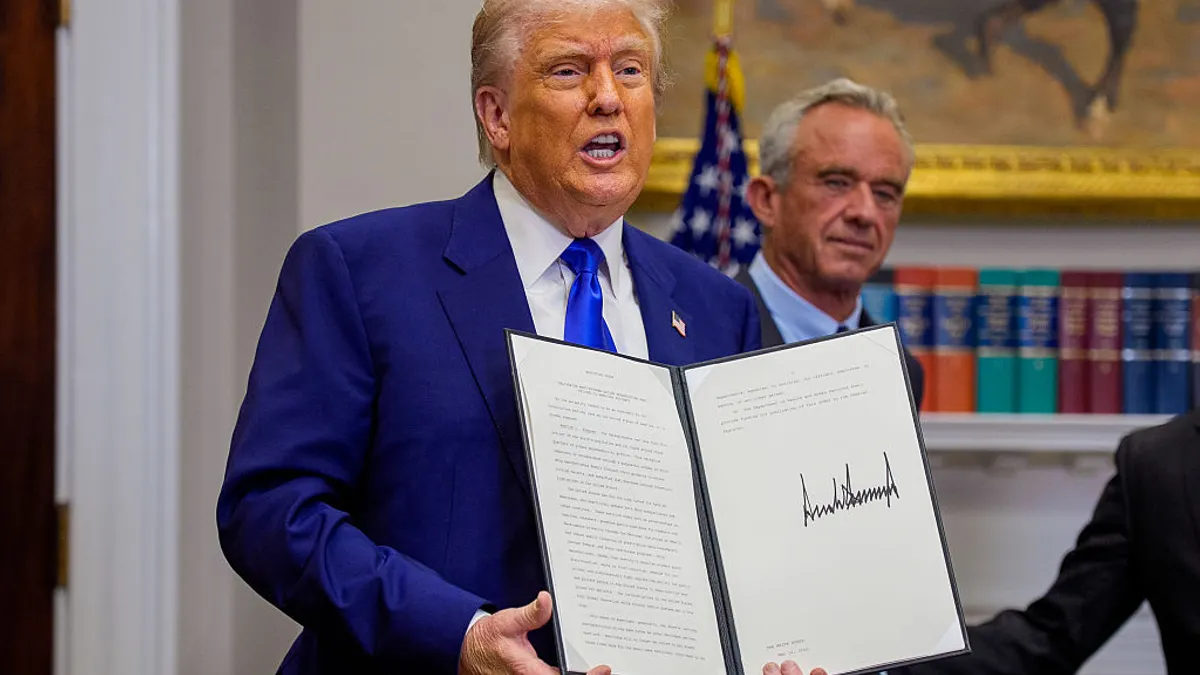
Abortion has proved a tricky topic for the Trump administration, as it attempts to placate both anti-abortion groups and the American public, a majority of which support legal access to abortion.
In an unusual move, the Trump administration declined to join the mifepristone drugmakers in asking the court for relief in their emergency petition, but it defended the FDA in the Louisiana suit, arguing the state’s case was procedurally flawed because the agency had already agreed to review its regulations of mifepristone.