Dive Brief:
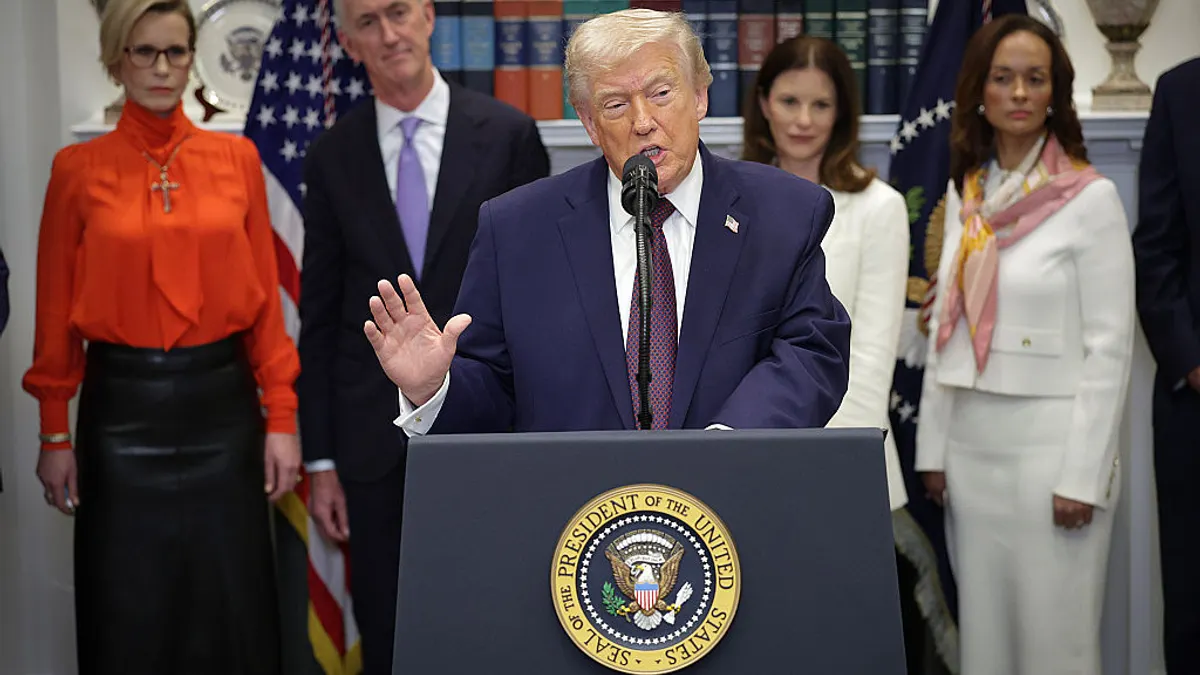
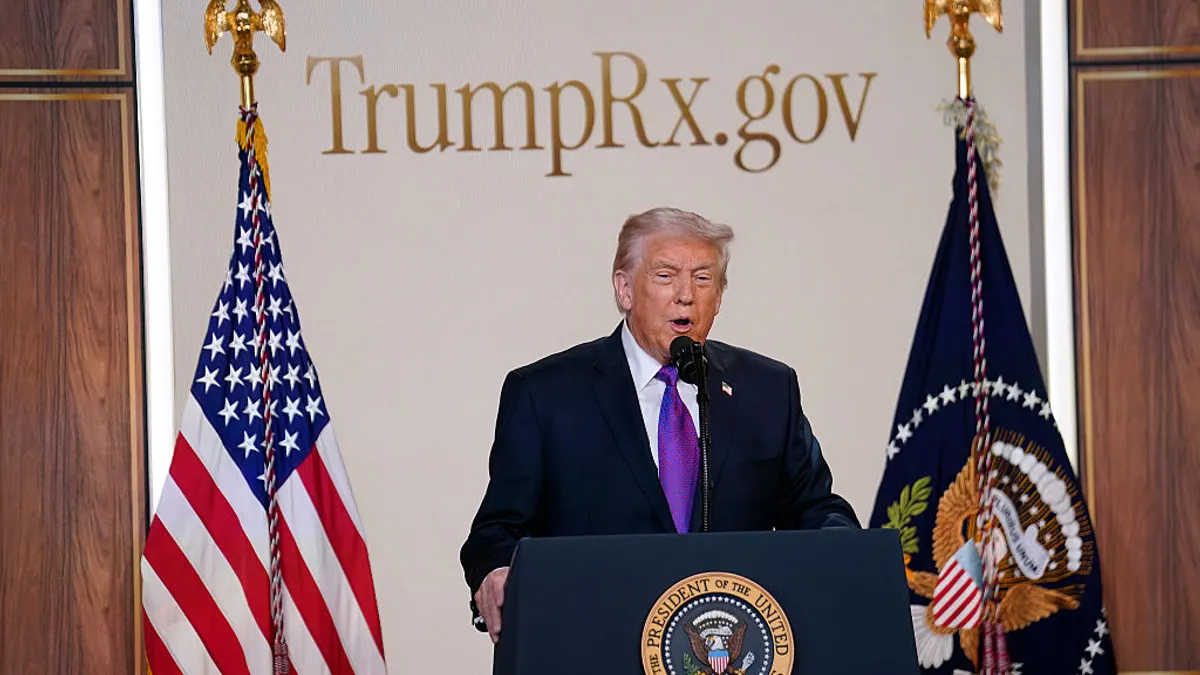
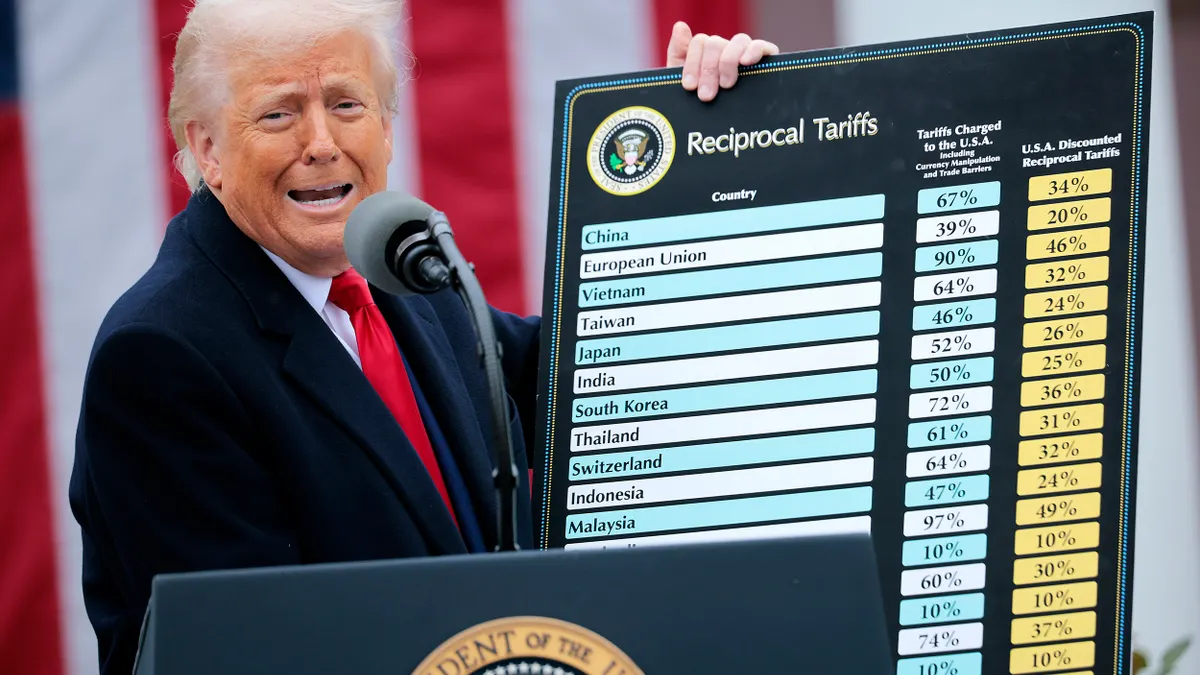
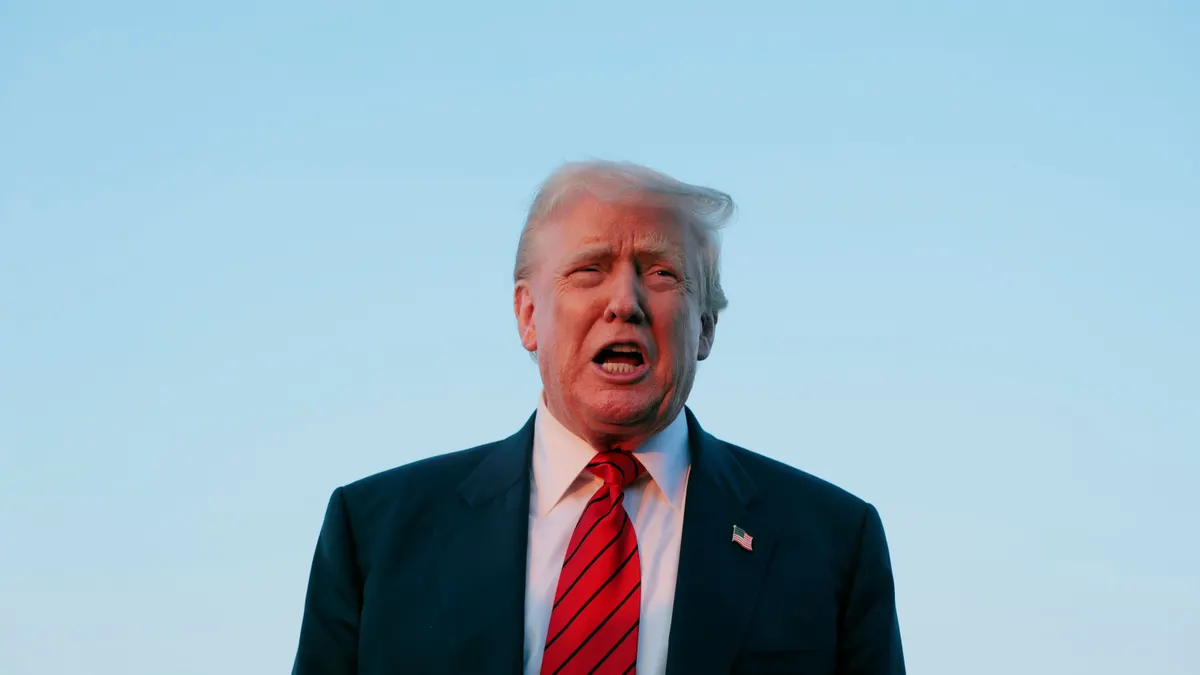
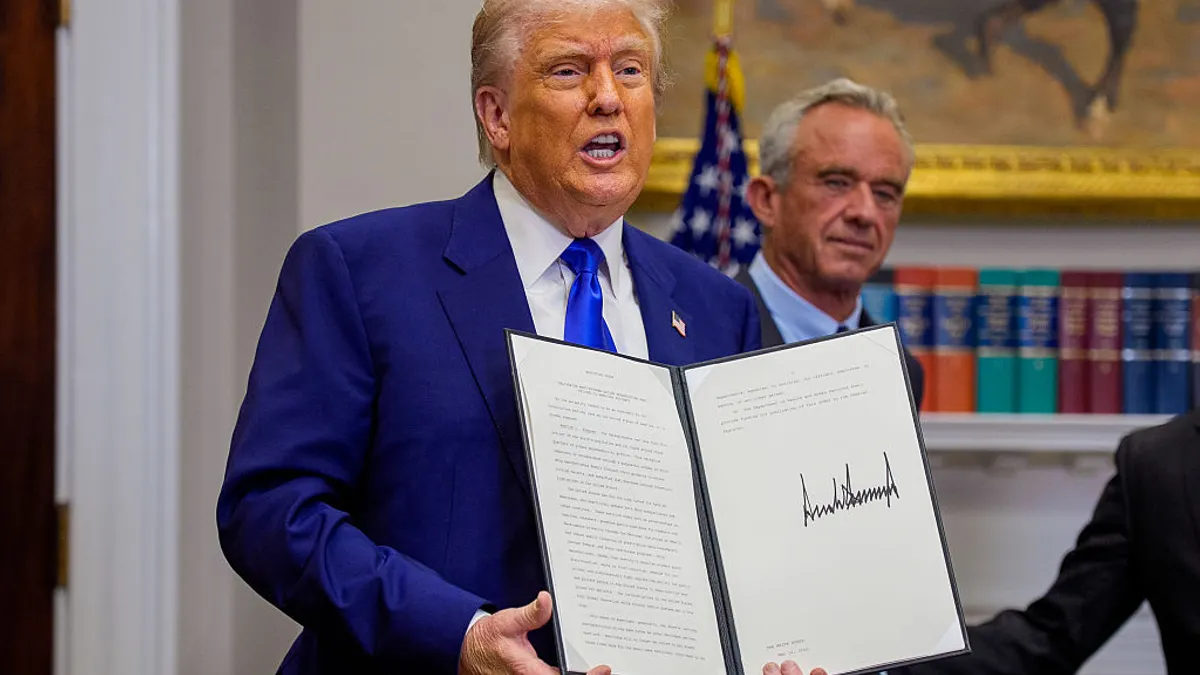
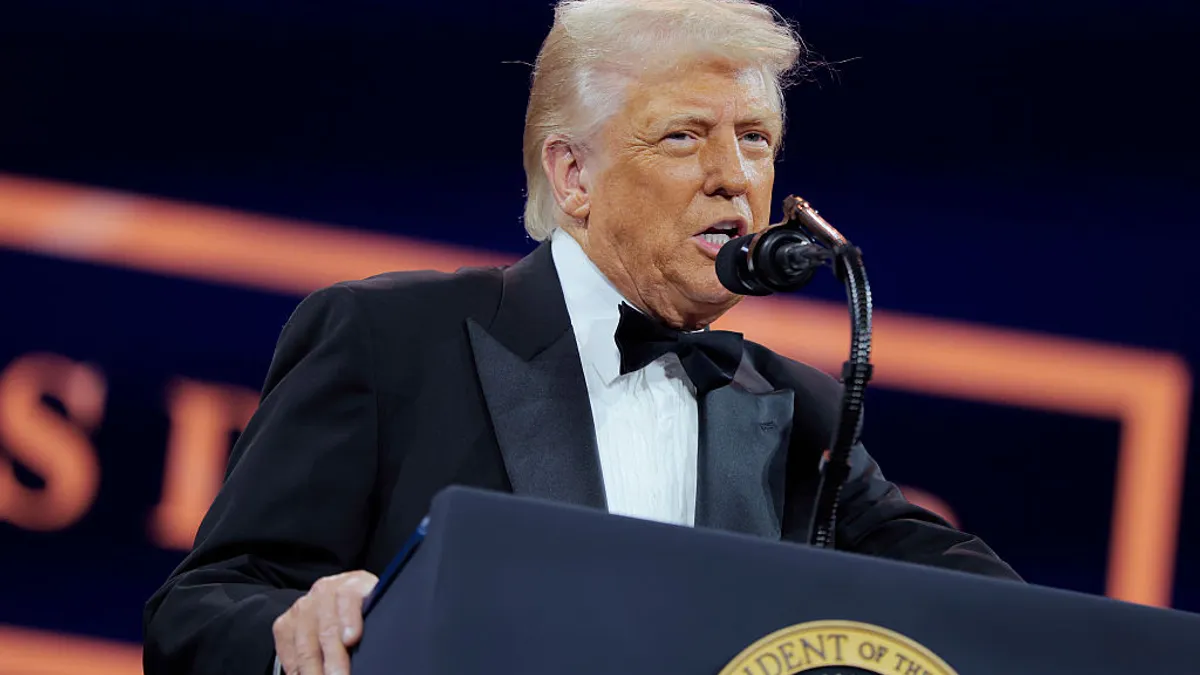
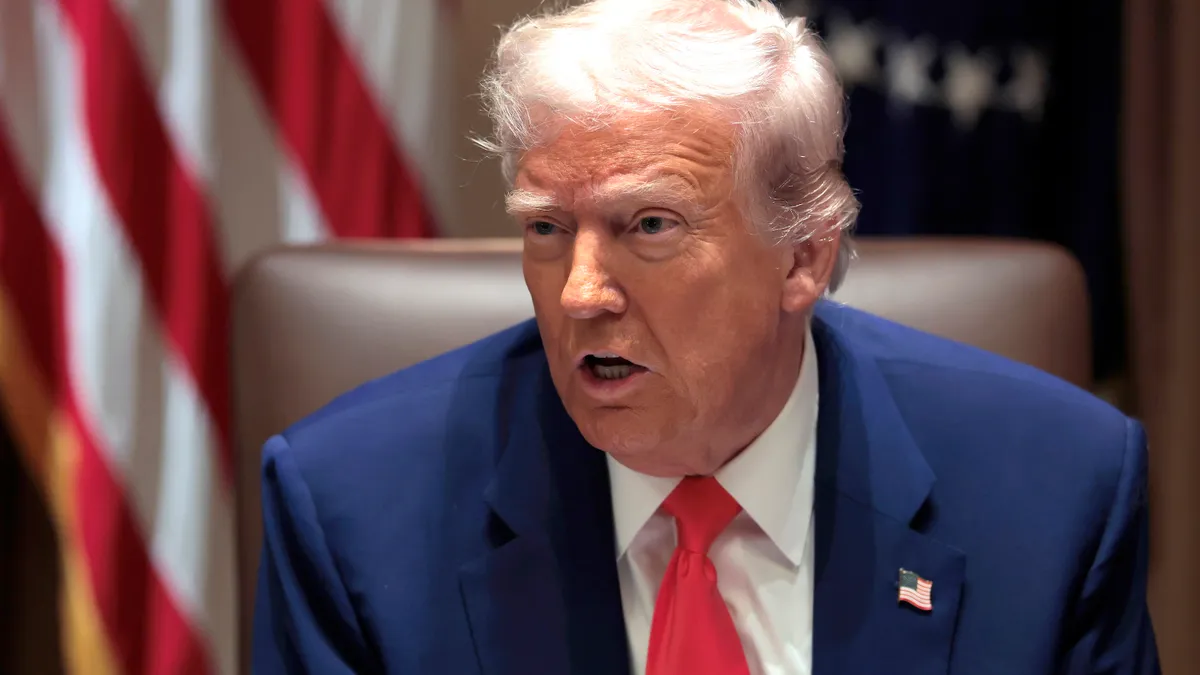
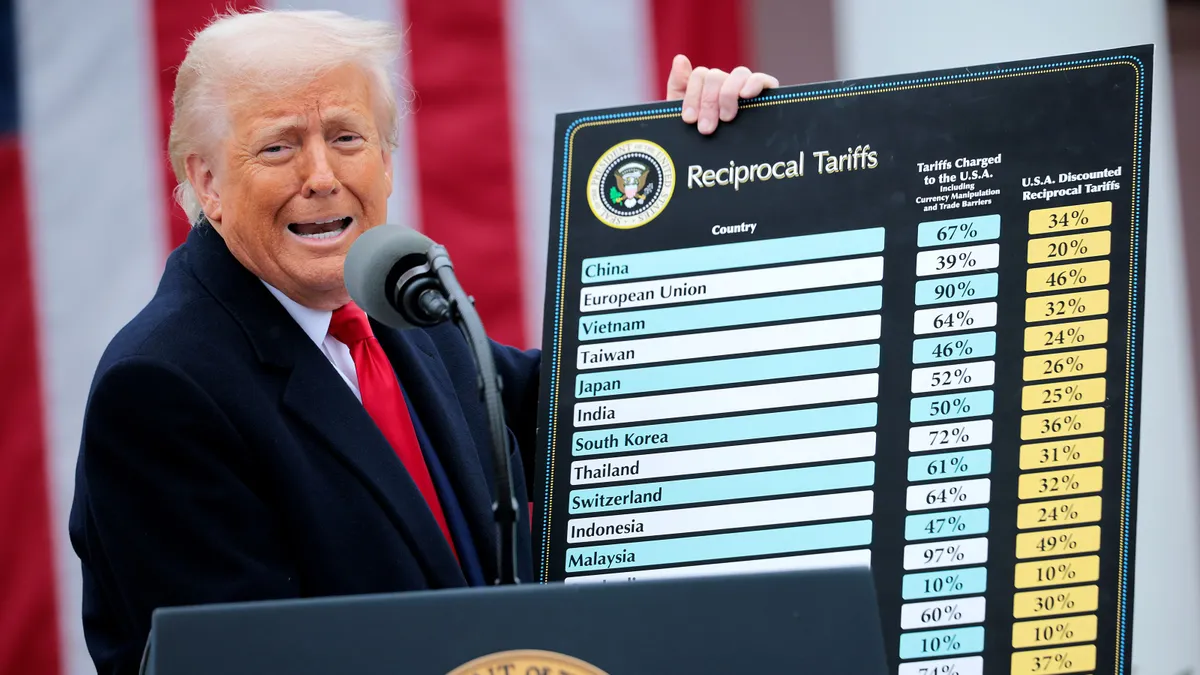
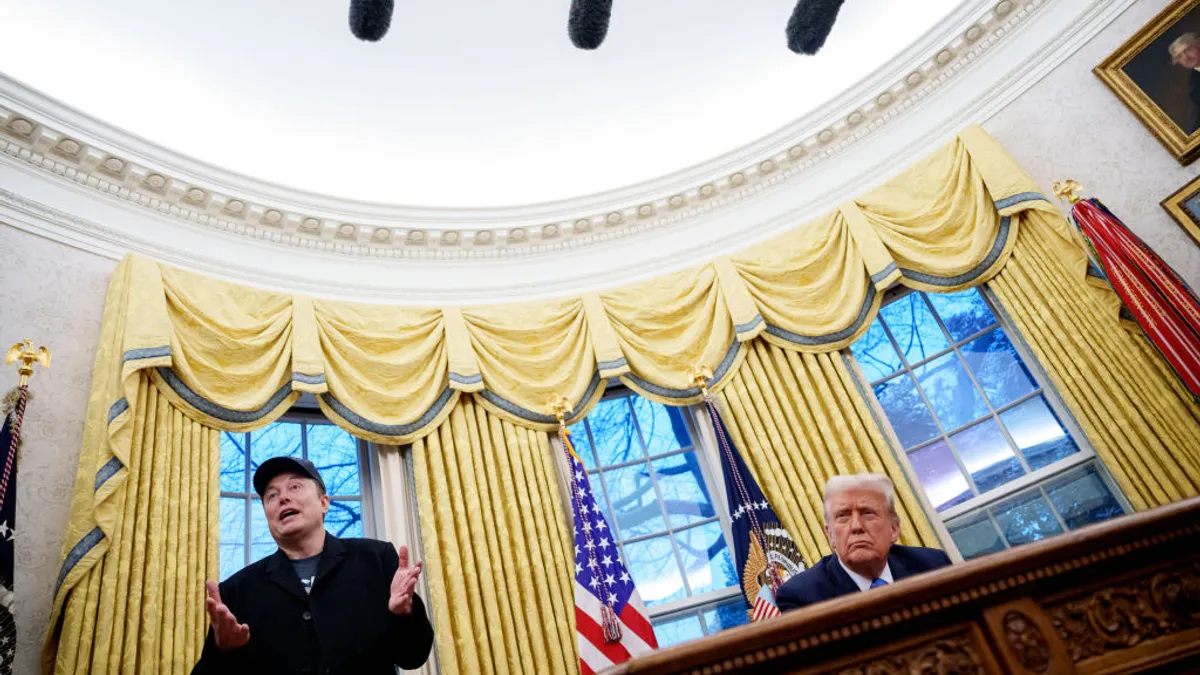
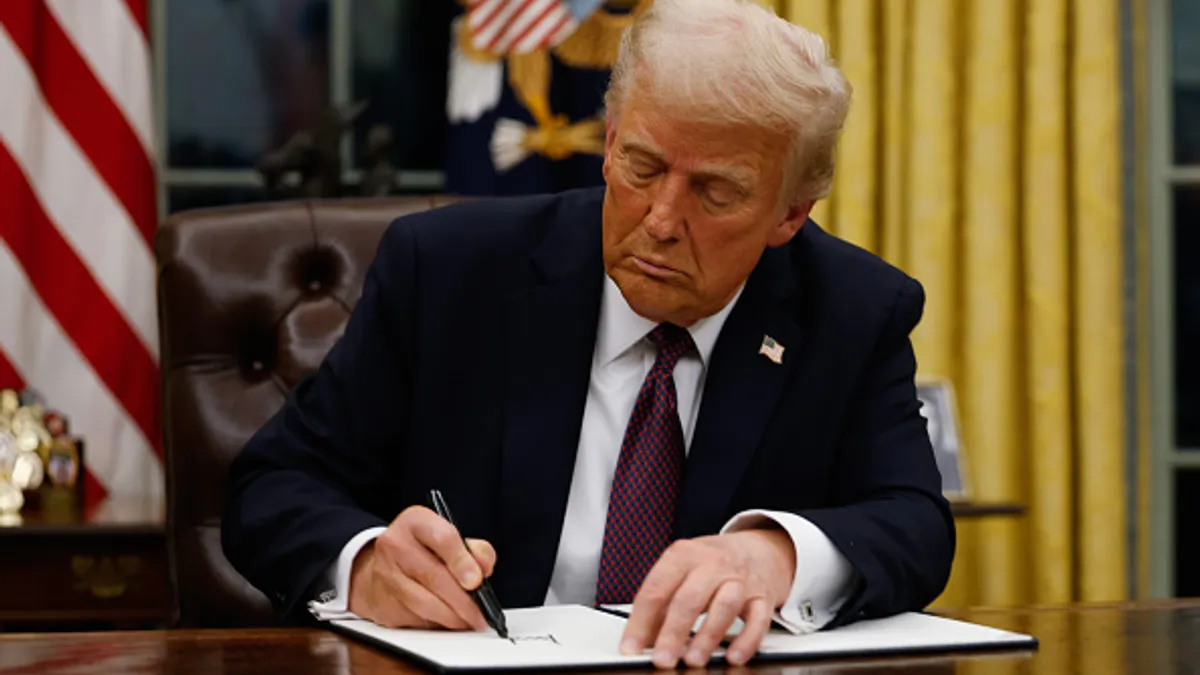
- President Trump turned his attention to generic drugmakers on Tuesday night, threatening them with 200% tariffs within three years if they don’t move production to the U.S.
- In a Truth Social post, Trump said he would impose 100% tariffs on generic drugs brought into the U.S. starting on Aug. 1, 2028 and 200% thereafter. “This is done in order to RESHORE Generic Pharmaceutical Production into America, with a penalty to those Companies that decide not to build Plant and Equipment within the stated period of time,” Trump said.
- Trump offered no details on the policy’s legal justification, how it would be implemented or whether it would affect only finished drugs or the importation of ingredients that generic drugmakers use to manufacture the products that go to consumers. The Supreme Court in February ruled that Trump does not have the ability to unilaterally impose tariffs.
Dive Insight:
Trump has spent much of his presidency using the threat of levies to extract concessions from the pharmaceutical industry. Makers of brand-name medicines have rushed to announce U.S. investment deals over the last year or so, pledging to spend tens of billions of dollars on U.S. manufacturing facilities.
Seventeen drugmakers also bowed to Trump’s pressure on pharmaceutical pricing, entering “most favored nation” deals that gave them tariff relief in return for promises about lower prices for U.S. consumers. But the agreements involved small numbers of medicines — including ones that already faced generic competition — and have resulted in limited savings for consumers.
The difference for generic drugmakers is that they have much smaller profit margins, so even token concessions would have an outsized effect on the industry. Products could be discontinued or face shortages, and cost cutting to address tariffs might jeopardize the quality of generic drugs, according to a Brookings report issued last year.
The Association for Accessible Medicines, an industry trade group, said generic drugmakers face a number of hurdles as they try to offer lower-priced medicines.
“Our industry has grown significantly in the U.S. over the past two years through targeted investments across the supply chain,” the group’s president and CEO, John Murphy, said in a statement. “However, structural problems in both purchasing and reimbursement for many generic drugs remain a significant inhibitor to the growth of this sector in the U.S.”
Murphy said the trade group still needs to understand what specifically Trump is proposing. But it has ideas for how to address “market deficiencies” and looks forward to talks with the Trump administration and Congress on ways to “restore the generics industry to growth and to prioritize its place as a critical national security asset here in the U.S,” he said.
The actual effects of a new generic drug tariff policy would depend greatly on the details, Jefferies analyst Dennis Ding wrote in a note to clients Tuesday. If the levies only affect finished products and not the importation of ingredients, companies such as Amphastar Pharmaceuticals and ANI Pharmaceuticals would be the most insulated, while a company like Apotex would have more risk, he wrote.
Apotex shares plunged 9% in early trading Wednesday, outpacing drops by other generic drugmakers including India’s Dr. Reddy’s, whose stock price fell 7%, and Switzerland’s Sandoz, whose American depositary receipts fell 3%.