Dive Brief:
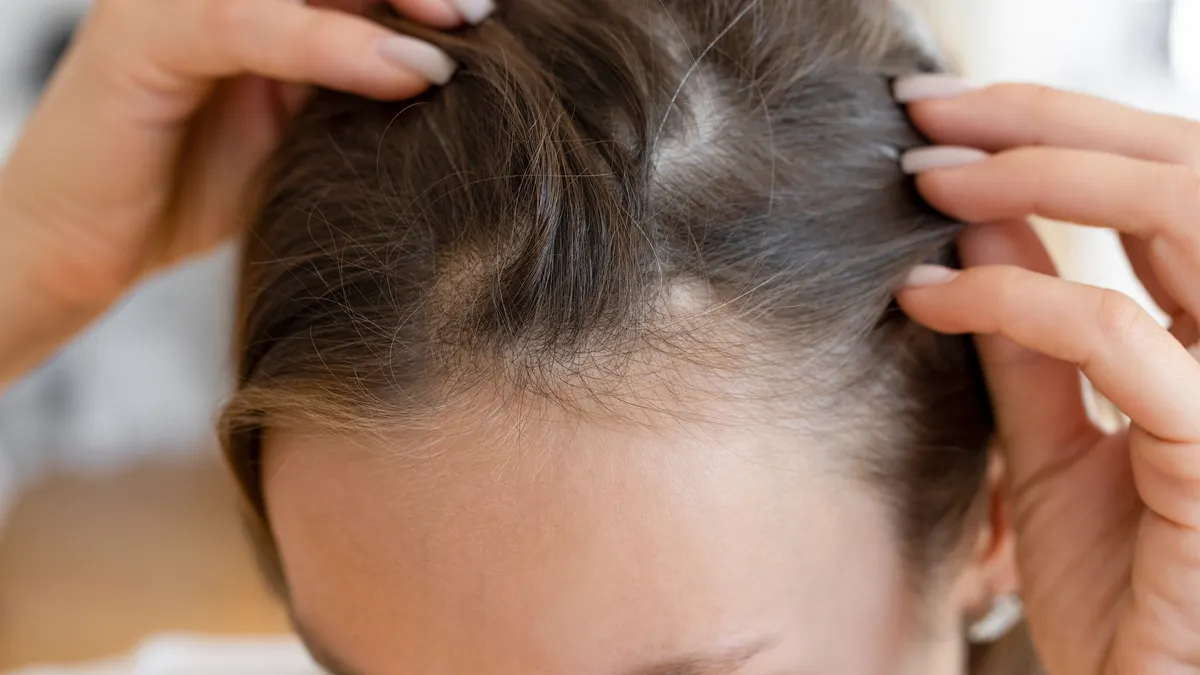
- Veradermics on Wednesday delivered another research win for its experimental baldness drug, showing it can help women with mild-to-moderate pattern hair loss.
- The pill, known as VDPHL01, is an extended-release version of minoxidil, sold for decades under the brand name Rogaine. Veradermics theorized that prolonging exposure to the medicine would allow more consistent and intense hair growth while avoiding spikes of drug concentration that can cause side effects.
- The new Phase 2 study followed 28 women who took the pill either once or twice a day. Results across both groups were similar, with a mean increase of about 23 hairs per square centimeter after six months of treatment. Importantly, a majority of participants and researchers reported seeing improvement at the earliest check-in point of two months, Veradermics said.
Dive Insight:
The results exceeded investor expectations and built on a successful study in male pattern baldness released in April. The data “keep the momentum going” and should give investors more confidence in the ongoing Phase 3 program, Leerink Partners analyst Marc Goodman wrote in a note to clients.
Investors had been looking for an increase of between 15 and 20 hairs per square centimeter, Cantor analyst Prakhar Agrawal wrote in a note to clients. The strong results, coupled with a lack of serious side effects, prompted him to increase his sales estimate to $2.1 billion in 2033, with females accounting for about 40% of the revenue. Previously, he forecast 2033 sales of $1.8 billion, with about $550 million coming from women.
Veradermics is part of a wave of young companies pursuing solutions for hair loss, long a neglected area of study by the pharmaceutical industry. The two big brands in hair loss, Rogaine and Propecia, were both discovered by accident, with Rogaine originally developed as a blood pressure medication and Propecia as a treatment for enlarged prostate glands.
The Food and Drug Administration approved Rogaine in 1988 and Propecia in 1997 to treat baldness. They are now available in cheap, generic versions but both have drawbacks that Veradermics and other startups are trying to address. The companies also say they see a huge underserved population of people who care very much about hair loss.
For women, especially, “losing hair can feel like losing your identity,” Veradermics CEO Reid Waldman said during a conference call with analysts and investors Wednesday. “This transcends being aesthetic. It’s deeply personal, it’s deeply psychological and it’s essentially universal, affecting 30 million women in the U.S. at any given time.”
While Veradermics is repurposing and improving on a well-known drug, other companies are trying entirely new approaches. Pelage Pharmaceuticals, backed by the prominent investment firms GV and Arch Venture Partners, is developing a topical gel to activate dormant hair follicle stem cells.
Absci, which counts Eli Lilly among its investors, used an artificial intelligence-driven discovery platform to unearth an antibody that might spur hair growth.
Veradermics went public in February, offering about 15 million shares at $17 a piece. Since then, the company’s stock has skyrocketed, reaching nearly $130 Wednesday before falling back to about $116 early Thursday. The company plans to release topline results from a second Phase 3 trial in men in the second half of this year and expects to read out initial data from a Phase 2/3 study in women in the first half of 2027.