
Sustainability has become a driving force behind many of the strategic decisions being made by pharmaceutical manufacturers. From material selection and packaging design to manufacturing efficiency and end-of-life considerations, the industry is increasingly looking for ways to reduce its environmental footprint without compromising product protection, regulatory compliance and patient safety.
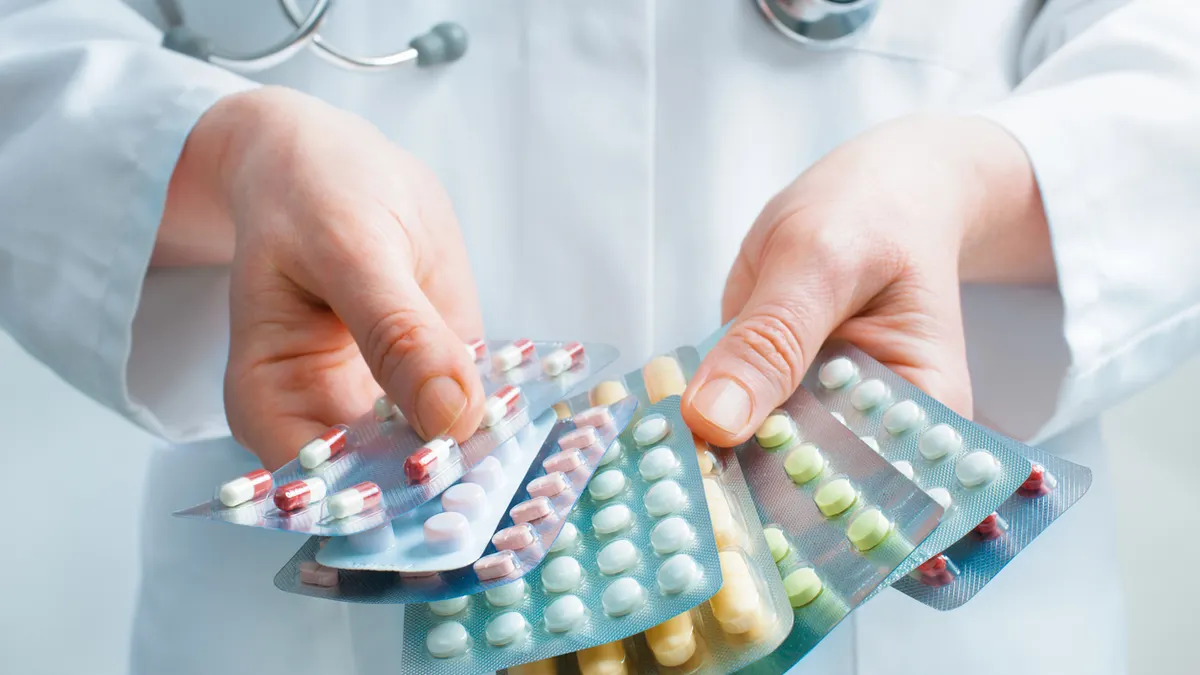
One area where significant progress has been made is in pharmaceutical blister packaging. Traditionally, blister packages have relied on combinations of dissimilar materials, making recycling difficult. Thus, sustainability efforts have focused primarily on existing blister and tray materials through downgauging and/or incorporating recycled content.
Despite these advancements, one component has largely remained unchanged: the lidding material. Traditional aluminum foil lidding continues to be widely used, creating a material mismatch when paired with polymer-based blister trays. While the bottom web may be designed for recycling, the complete package remains a combination of different material types, limiting its potential for recovery.
Recent innovations in polymer engineering are beginning to address this gap. Advances in peelable sealant technology have made it possible to develop lidding materials compatible with the same polymer families used in today's most common blister packaging materials. By bringing the forming web and lidding into alignment, pharmaceutical manufacturers now have an opportunity to create complete mono-material blister systems designed with recycling in mind.
Expanding options with mono-material packaging
Polyester (PET) is becoming an established material in pharmaceutical blister packaging for certain applications. PET is valued for its clarity, dimensional stability and thermal performance. With the development of compatible polyester lidding materials, manufacturers can now move toward all-PET blister packaging systems without relying on traditional foil-based constructions.
These lidding structures combine a PET film with an engineered peelable polyester sealant layer. Designed to provide controlled peel seals to APET blister materials, they offer a fully functional mono-polymer whole package solution can be achieved.
Beyond material compatibility, polyester lidding offers advantages in demanding processing environments. Its inherent thermal stability supports high-temperature applications, while certain constructions are also suitable for gamma sterilization. Transparent appearance, and a peelable seal for both child resistance and improved senior friendliness, provide additional flexibility for packaging applications.
The combination of compatible PET forming webs and lidding materials creates an opportunity for a complete all-polyester package. Certain systems have also achieved third-party recyclability certification, demonstrating the potential of mono-material design to support improved recovery within established recycling frameworks.
Polypropylene (PP) is another widely used material in pharmaceutical blister packaging, offering manufacturers an alternative polymer platform for developing more sustainable package systems. As PP forming webs become increasingly available, compatible lidding materials are an important next step.
Newer all-polypropylene lidding constructions combine a high-barrier PP film with a peelable polypropylene sealant. Designed to seal to PP blister materials, these structures provide an opportunity to create a complete mono-material package while maintaining important functional requirements.
Barrier performance is particularly important in certain pharmaceutical applications, where packaging must help protect products from environmental exposure throughout their intended shelf life. Engineered PP lidding materials can provide outstanding moisture barrier properties, along with good oxygen and aroma barrier characteristics. Similar peelable seal performance and transparent appearance further expand their potential applications.
For manufacturers looking to transition toward more sustainable packaging, these constructions offer a recycle-ready approach designed for the polypropylene collection stream. Importantly, compatible PP lidding offers flexibility to continue utilizing existing PP bottom-web materials rather than requiring a complete redesign of established blister packaging platforms.
Moving toward complete packaging solutions
The evolution of pharmaceutical blister packaging illustrates an important shift in how sustainability goals are being approached. Rather than focusing on individual packaging components, manufacturers are increasingly considering the complete package system and how material choices influence its potential end-of-life recovery.
Advancements in both PET and PP lidding demonstrate that meaningful improvements do not necessarily require manufacturers to abandon established forming materials or overhaul their existing packaging designs. By introducing compatible lidding technologies, it is now possible to bring previously disconnected packaging components together into more cohesive, mono-material systems.
While recycling infrastructure and collection capabilities remain important considerations, continued innovation in material science is helping the pharmaceutical industry move closer to its sustainability goals without losing sight of the fundamental purpose of packaging: protecting the product and ultimately the patient.
Learn more
To learn more about PAXXUS’ commercially available all-PET StreamOne® Px and all-PP StreamFive® Px pharmaceutical lidding solutions, including PAXXUS material technologies, technical specifications and application capabilities, visit the PAXXUS website.