A new biotechnology startup called ai3Bio has banked $48 million in an early venture capital round to help pursue medicines for autoimmune diseases, according to a Tuesday announcement.
Headquartered in Pittsburgh, Pennsylvania and Watertown, Massachusetts, ai3Bio is built from the parts of two biotechs. One is Corner Therapeutics, which was formerly led by Jonathan Kagan, a pediatrics professor at Harvard Medical School and gastroenterology researcher at Boston Children’s Hospital. The other is Novasenta, a cancer immunology startup launched out of the University of Pittsburgh Medical Center.
Kagan is ai3Bio’s scientific founder, while Steven Altschuler, the former CEO of Children’s Hospital of Philadelphia, is the remixed company’s top executive.
Ai3bio is among the companies working on medicines designed to “reset” the immune systems of people with immunological diseases. This goal has grown in popularity over the last few years as a targeted way to soothe inflammation without broadly suppressing the body’s defenses.
“Today we are living in what I would consider to be the golden age of molecular understanding of inflammation,” Kagan said, “meaning we know more about what pathways do than we ever did before, and because of that, new opportunities arise.”
In many cases, biopharmaceutical companies are funding research on cell therapies, multi-pronged antibodies or other drug types capable of eviscerating the antibody-producing B cells that short circuit in these diseases.
Ai3Bio’s objective is different. Rather than work on cell therapies, many of which have costly manufacturing processes and possibly deadly safety hazards, the startup is looking into more precise and convenient ways of getting after an alternative disease culprit.
“You’re eliminating these cells by cracking them open and inducing inflammation in the face of an inflammatory environment,” Kagan said of autoimmune cell therapies. “It’s like pouring gasoline onto the fire.”
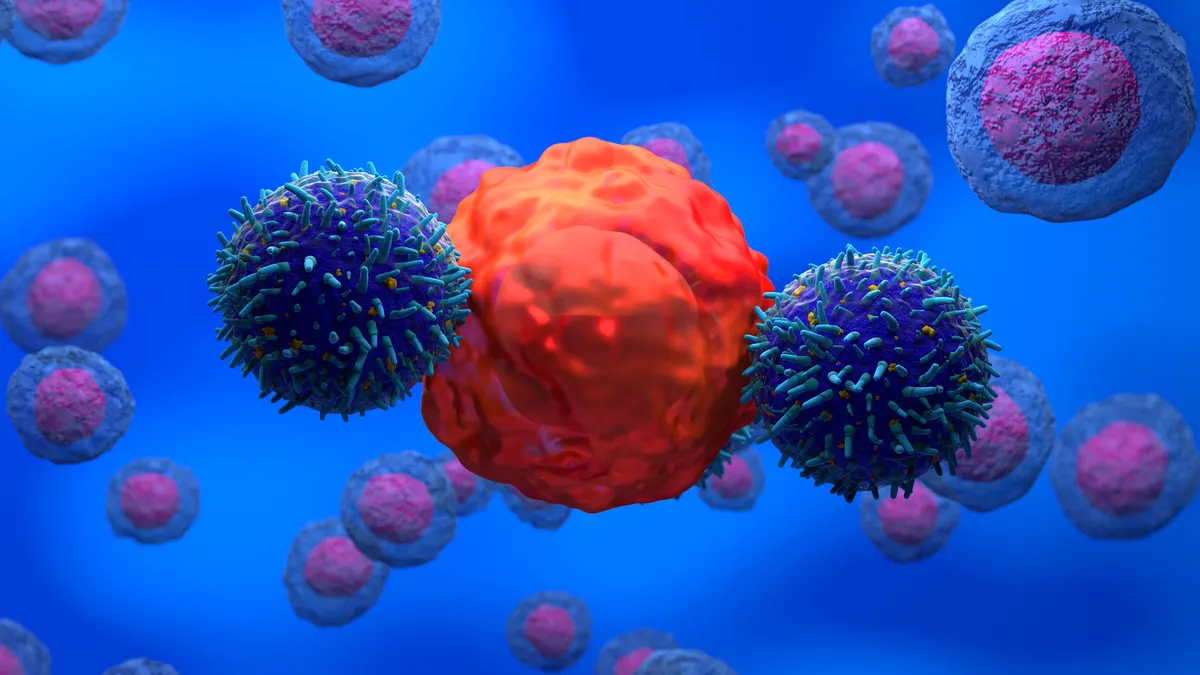
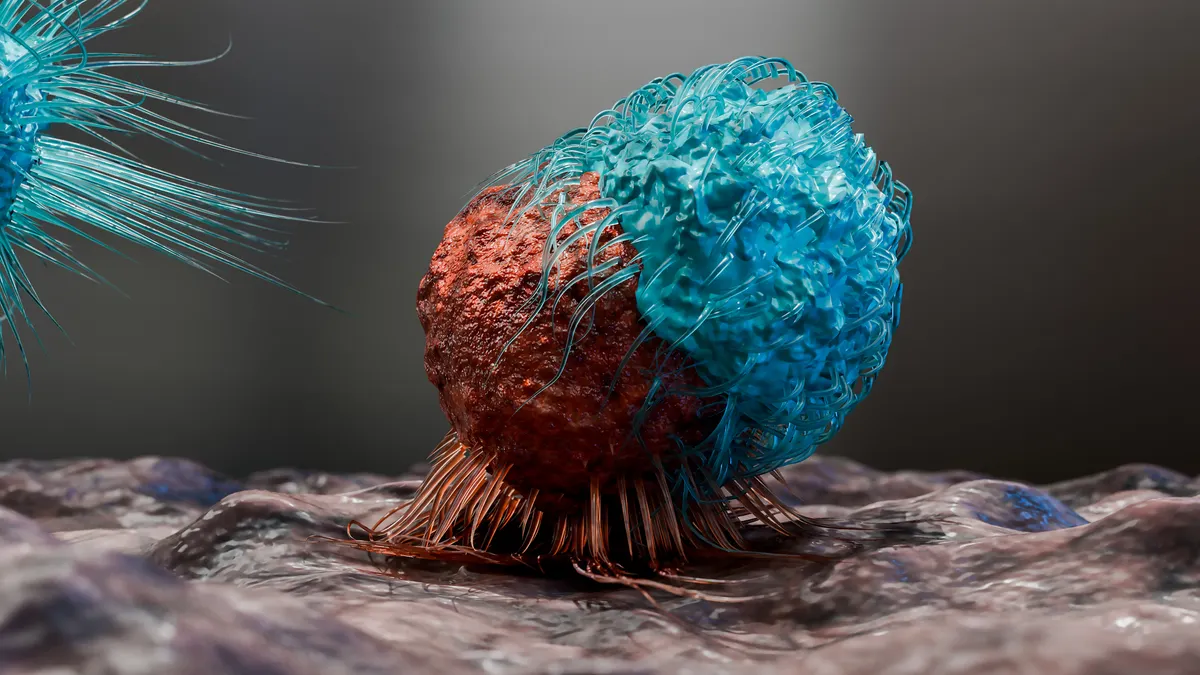
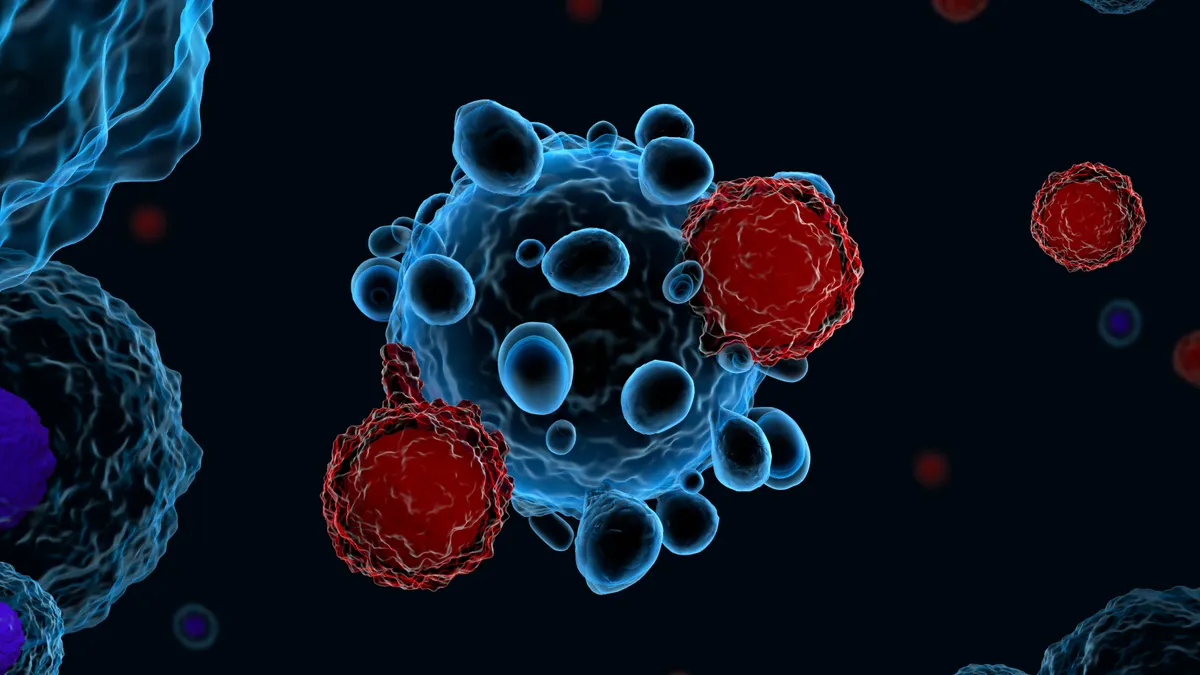
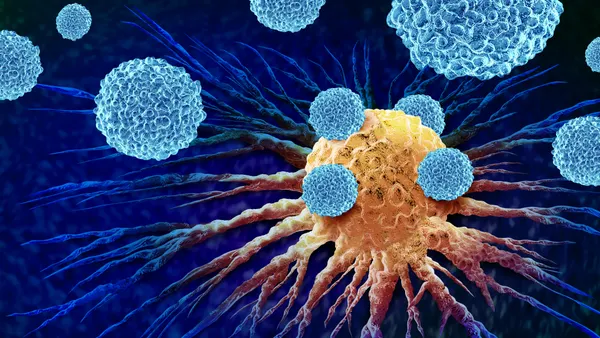
The company’s therapies target Th17 cells, a subset of the “T helper cells” that coordinate the body’s immune response to emerging threats. Th17 cells produce a cytokine called IL-17 that can help fight infections. But they are also implicated in many inflammatory diseases, among them disorders that affect the skin and gut. Aiming at Th17 cells with a drug represents a more selective strategy compared to B cell-depleting treatments like cell therapies, Altschuler and Kagan said.
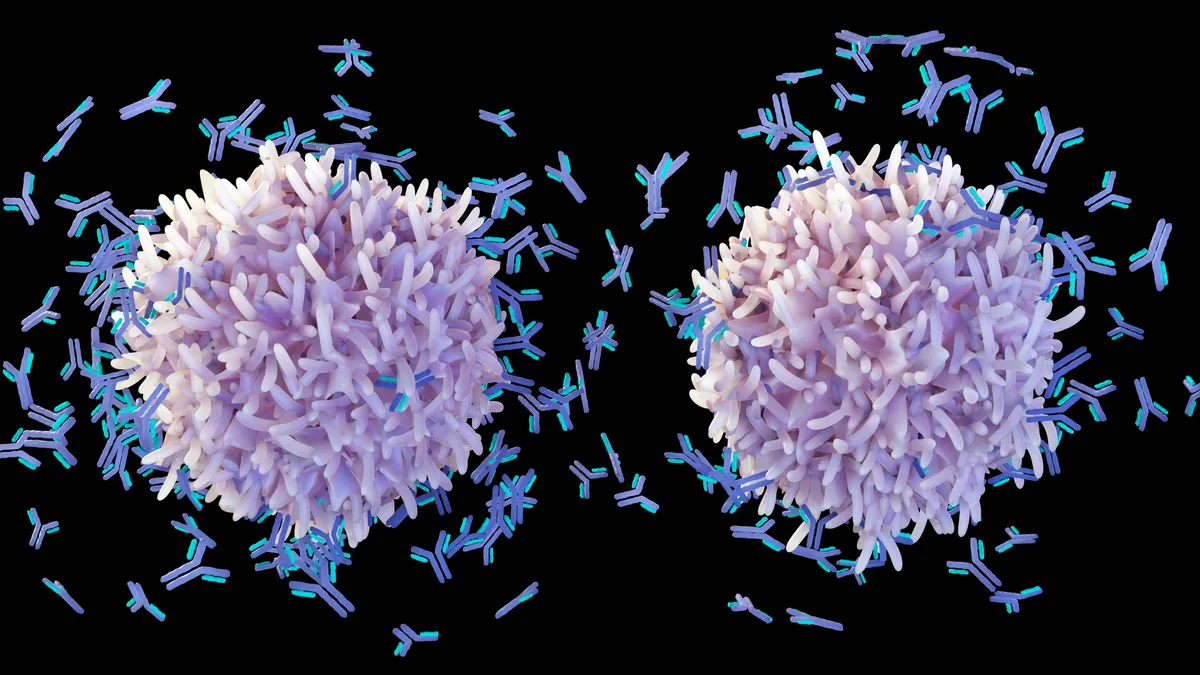
Ai3bio is advancing two approaches that are supposed to eliminate these cells while preserving the rest of the immune system. One uses microscopic, fatty shells to deliver into these cells molecular instructions to self-destruct. Another deploys a targeted antibody drug to spur the body to get rid of Th17 cells.
Preclinical testing has shown that the former approach “effectively removed disease-causing Th17 cells,” while the latter “demonstrated potent efficacy,” according to the company’s announcement. Both strategies incorporate technologies Corner and Novosenta had been working on, Altschuler said.
Early safety studies that could support an application to begin human testing are underway. Ai3Bio hasn’t publicly named which diseases it’s targeting first.
UPMC Enterprises and Ziff Capital Partners led ai3Bio’s Series A round, which also included investment from Cockrell Partners and Tanis Ventures. John Marganore, the longtime CEO of pioneering RNA interference drugmaker Alnylam Pharmaceuticals, is a strategic advisor.
Ai3Bio draws its name from a trio of “AIs” — advanced immunology, autoimmunity and artificial intelligence — it says is core to its work.