UCB is staking up to $2.2 billion on drugs it believes can meaningfully advance care for a range of autoimmune conditions.
The Belgian pharmaceutical giant on Sunday reached a deal to acquire Candid Therapeutics, a startup developing “bispecifics,” or double-barreled antibodies. UCB is paying $2 billion in upfront cash for Candid, and could add another $200 million in future milestone payments. The deal is expected to close by the end of the second quarter or shortly thereafter.
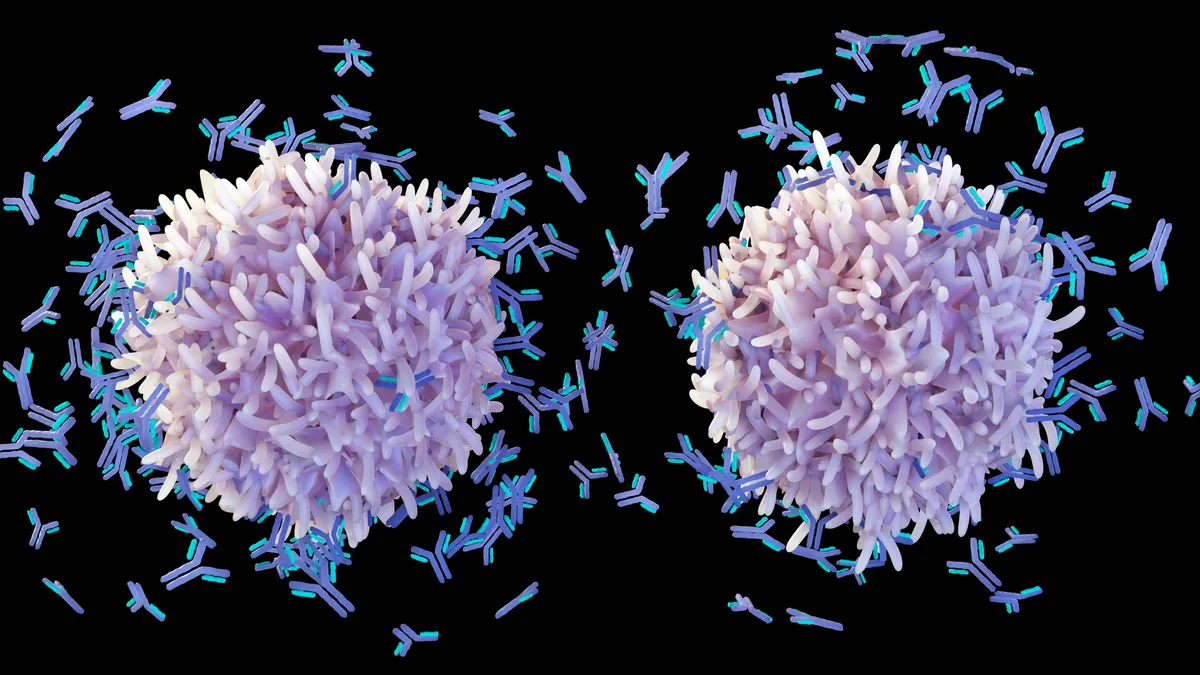
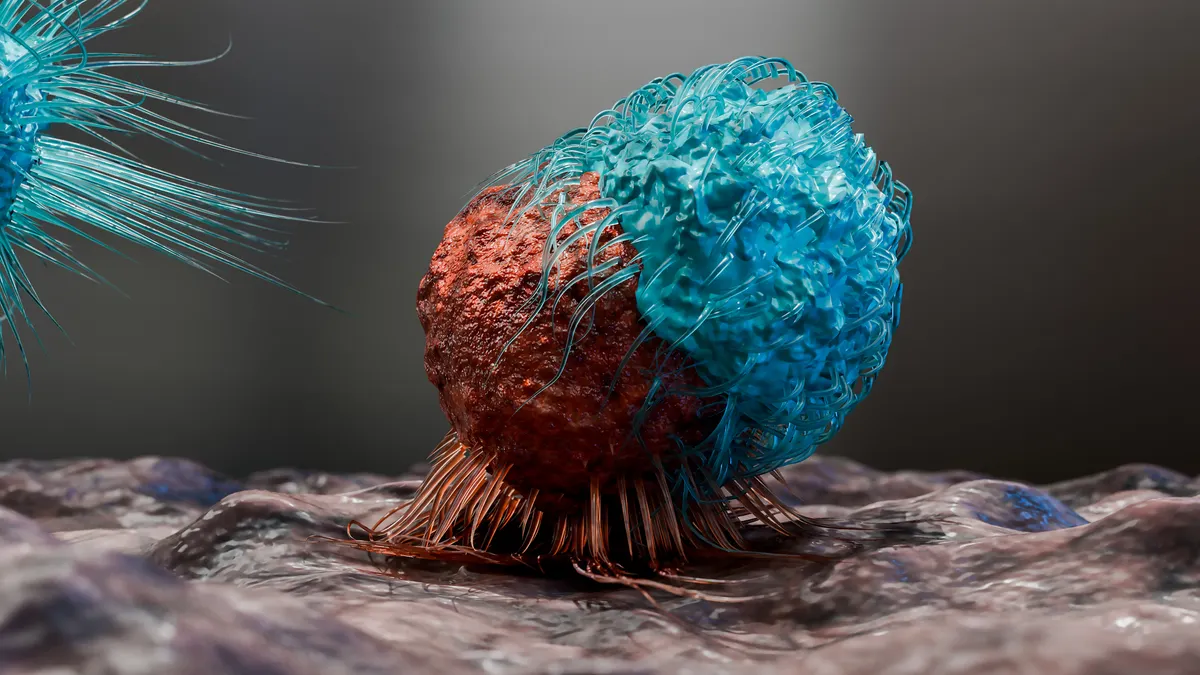
Candid is part of an increasingly competitive area of research into autoimmune medicines that can “reset” the immune system instead of broadly suppressing it. That work first centered around cellular medicines, after scientists in Germany showed that cell therapies originally designed to fight cancer might hold potential battling a range of conditions when the immune system goes haywire. But the search for such therapies has since expanded to involve companies working on different approaches, among them “T cell engagers” that are less complicated to administer and easier to produce.
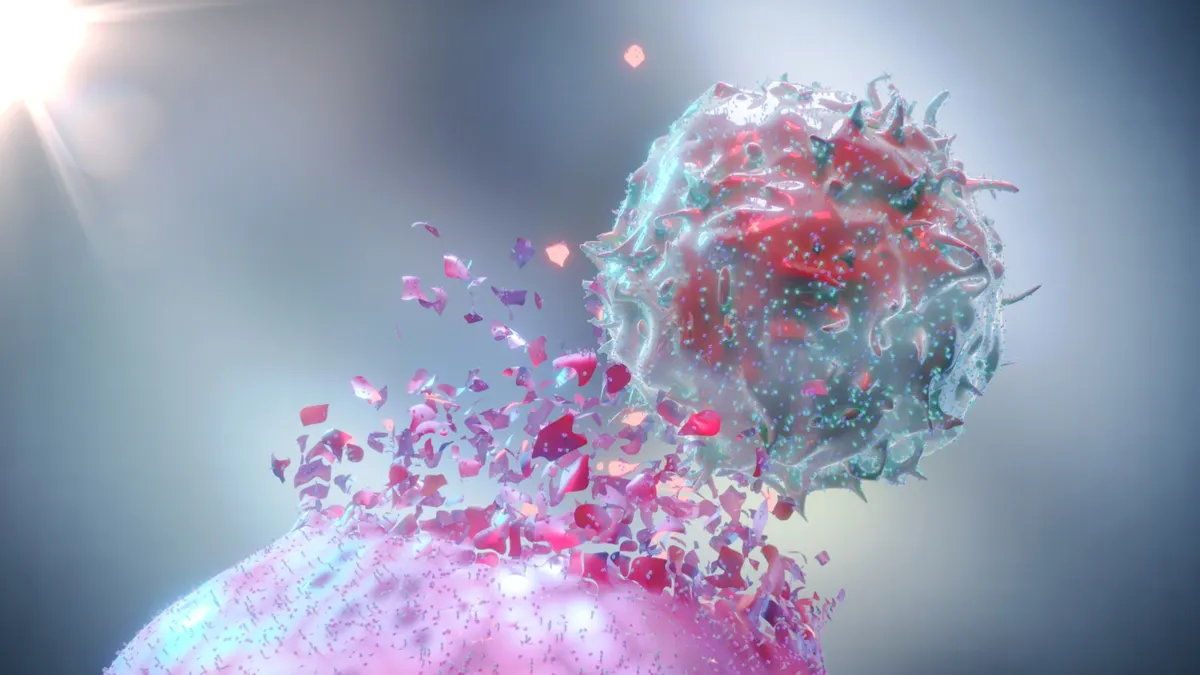
The goal for these T cell engagers in autoimmune disease is to wipe out malfunctioning B cells and, as a result, drive those conditions into lengthy remissions. While research remains early, several pharmaceutical companies have shown interest through collaborations or company acquisitions. Merck & Co. and Sanofi cut deals in 2024 and 2025, respectively. Gilead in late March acquired a startup, Ouro Medicines, involved in the space as well.
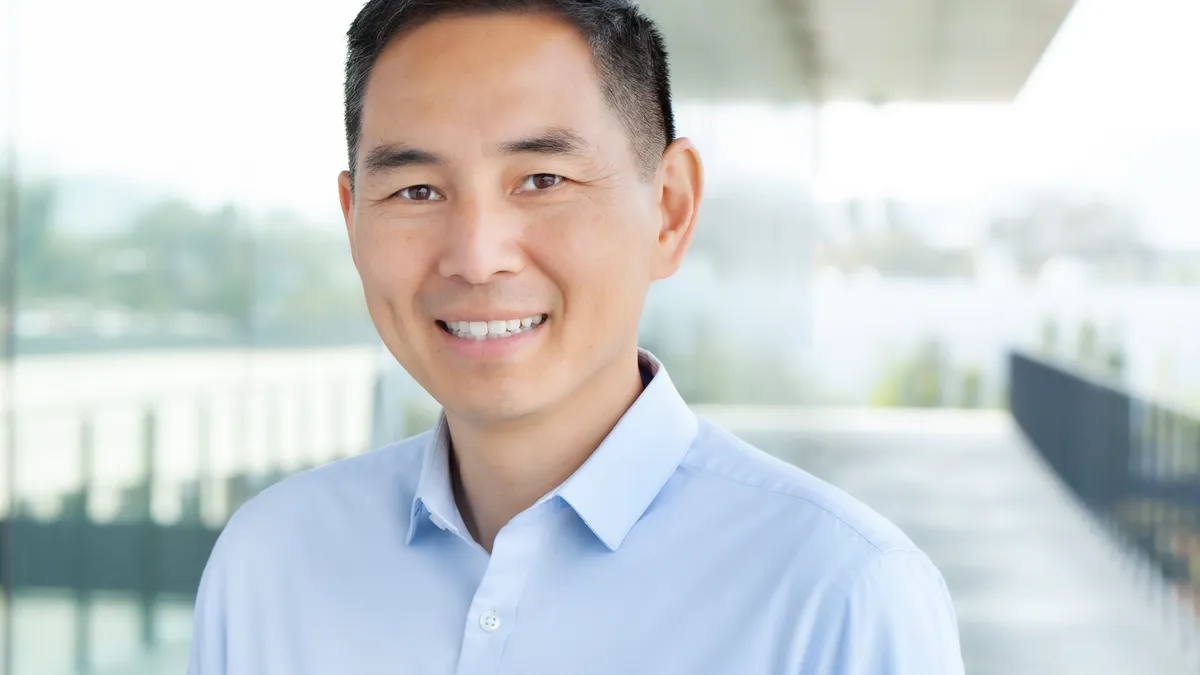
Now UCB is betting on Candid, a well-funded startup that launched in late 2024. Candid is led by Ken Song, an industry veteran that sold his last startup, cancer drug developer RayzeBio, to Bristol Myers Squibb. It’s built around a portfolio of bispecific medicines acquired in licensing deals with Chinese biotech firms and, just two months ago, reached an agreement to go public through a reverse merger. That transaction was expected to close by the middle of the year.
Instead of consummating that deal, though, Candid will become part of a growing immune drug portfolio UCB is building. UCB in March acquired rights to one dual-targeting therapy in a deal with Hong Kong-based biotech Antengene. In purchasing Candid, UCB is adding four more, two of which — known as cizutamig and CND261 — are in early-stage human testing.
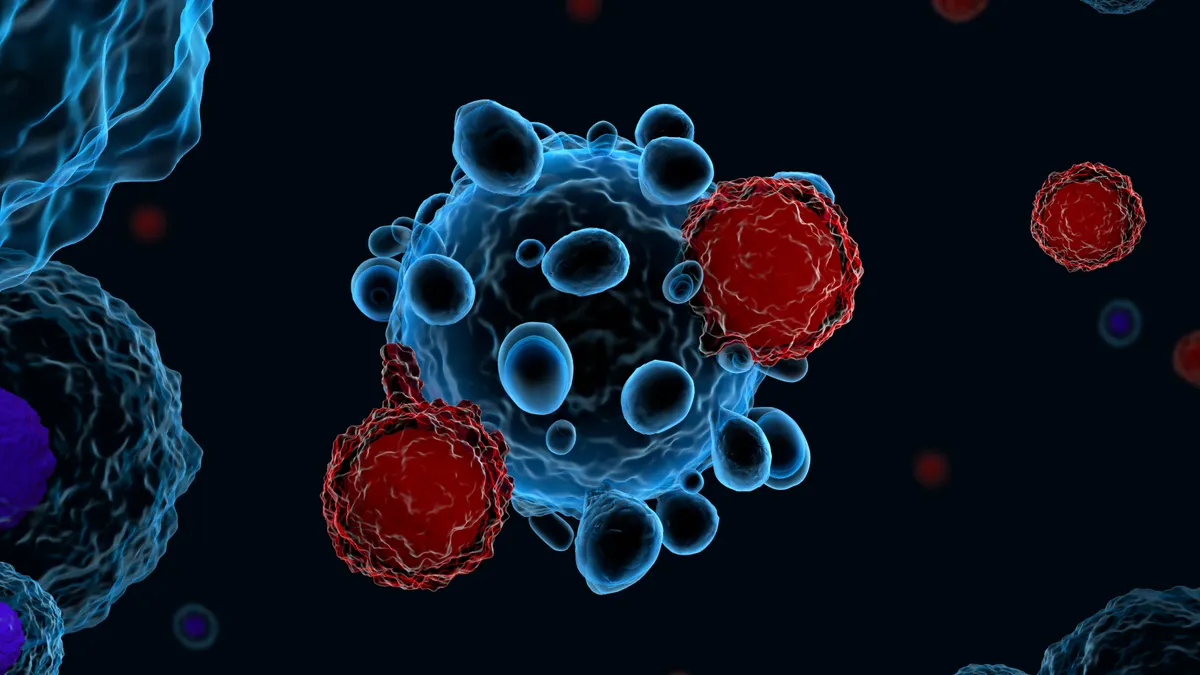
Cizutamig directs the immune system’s T cells to “BCMA,” a protein on the surface of B cells. UCB referred to the drug as a "potential best-in-class” T cell engager in a company statement, with CEO Jean-Christophe Tellier calling it a “transformative asset” that “exemplifies the next wave of therapies” for immune diseases.
UCB noted that cizutamig is designed to potently eliminate harmful cells while limiting the onset of “cytokine release” syndrome, a dangerous immune response associated with T cell engagers. It’s been studied in over 100 patients with multiple myeloma and autoimmune diseases, and is currently being evaluated in clinical studies across more than 10 autoimmune indications, the company said.
The acquisition adds to a flurry of dealmaking that’s already put 2026 on pace to become one of the most active years ever for biotech M&A. Seven deals have been announced in the last week alone.