Beam Therapeutics is suing the Chinese biotechnology company YolTech Therapeutics and its U.S. partner Serapha Bio, alleging that an experimental treatment licensed between the two companies was developed using trade secrets stolen from Beam.
In a complaint filed Sept. 25 with the U.S. District Court in Massachusetts, Beam alleged that a former employee, Zi Jun “Emma” Wang, "secretly founded a Chinese biotechnology company called YolTech while still working at Beam.” Five months after leaving the gene editing company, Wang "filed patent applications on behalf of YolTech based on Beam's confidential and trade secret information."
Now, Beam is seeking court intervention to “stop the misuse of its trade secrets” and “recover the value” that YolTech and Serapha “unlawfully extracted from Beam’s investments.”
“Serapha categorically refutes Beam’s claims and will vigorously defend the company,” Shiva Fritsche, Serapha’s chief corporate affairs officer, wrote in an email to BioPharma Dive on Tuesday.
In its complaint, Beam claimed that, while working as a scientist at Beam from 2021 to 2022, Wang started a company in China that would become YolTech. The Massachusetts biotech accused Wang of accessing data "in a manner that departed sharply from her ordinary work, retrieving and reviewing dozens of Beam records she had never opened before, across technical areas well beyond her own, including at night and on weekends."
Wang did not disclose that she intended to leave and create a similar biotech, Beam claimed. The complaint also names YolTech's CEO, Yuxuan "Jensen" Wu, as a defendant.
YolTech then struck a deal with Serapha Bio, handing off rights to an experimental program for the rare disease alpha-1 antitrypsin deficiency, or AATD — a common target for gene editing biotechs — for an undisclosed upfront payment. In June, Serapha announced plans to quickly go public through a reverse merger deal and develop that therapy. That effort was supported by $230 million in funding from investors including RA Capital Management and RTW Investments.
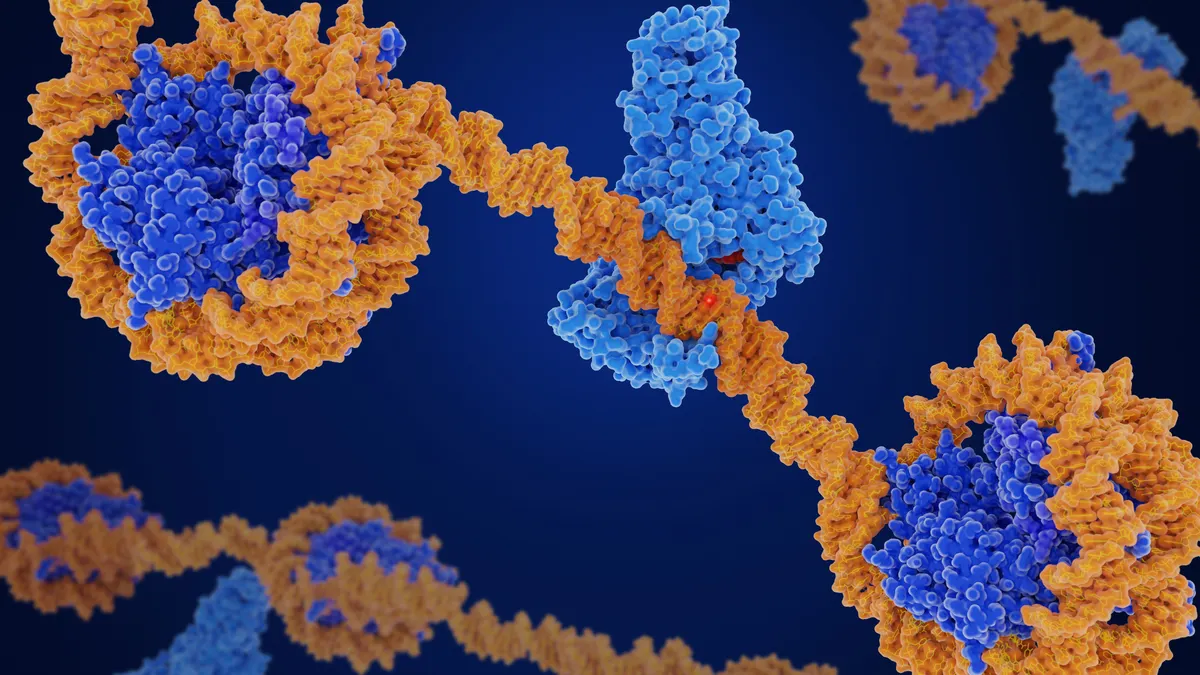
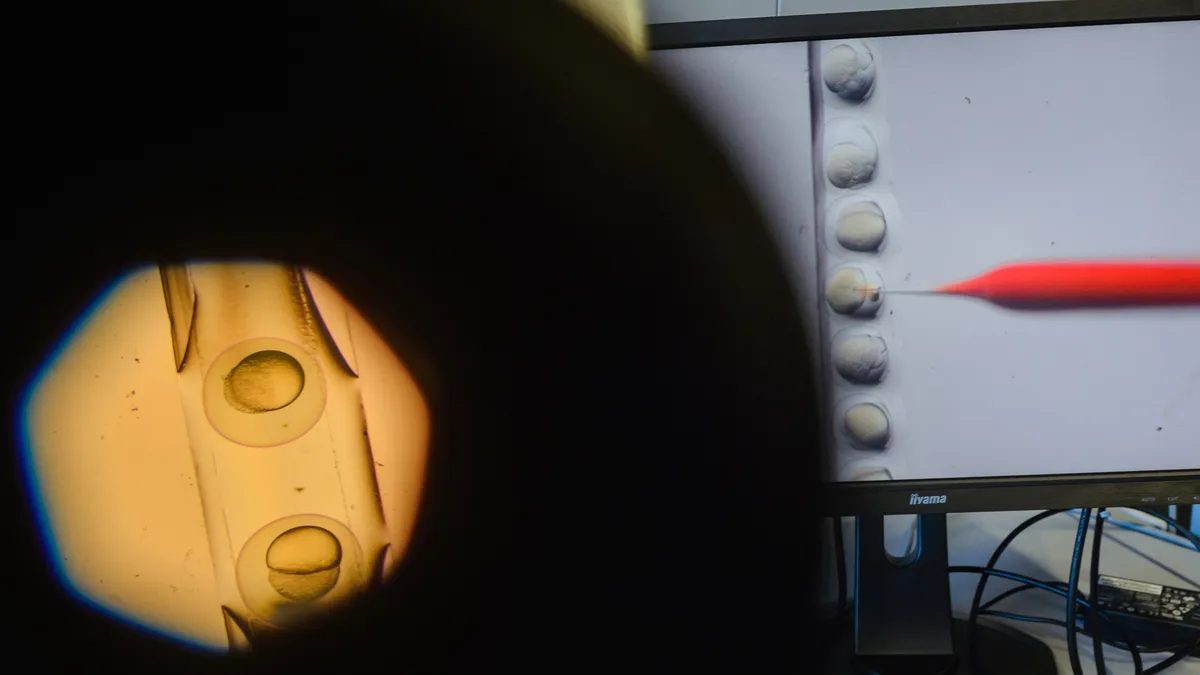
Like Beam’s other therapies, the AATD treatment BEAM-302 is built on “base editing” technology that precisely changes a specific nucleotide, or letter, in genetic code. In clinical testing so far, BEAM-302 has helped trial participants produce a key protective protein they lack. The company has begun enrolling participants in a new study cohort. If the results are positive, Beam will pursue an accelerated U.S. approval.
Serapha’s therapy, codenamed “SERP-01,” targets the same mutation and changes a nucleotide at the same place in DNA as BEAM-302. Beam argued in its court filing that YolTech’s treatment is made with the help of proprietary technologies originally developed by the Massachusetts company.
Serapha in mid-September named a slate of executives tasked with shepherding its AATD program through clinical testing. Those hires include new CEO Kenneth Mills, the former leader of Regenxbio; and Chief Medical Officer Weston Miller, a veteran gene editing executive who’d previously worked at biotechs such as Epicrispr Technologies and Graphite Bio. Serapha aims to start a Phase 2/3 trial of SERP-01 later this year or in early 2027.