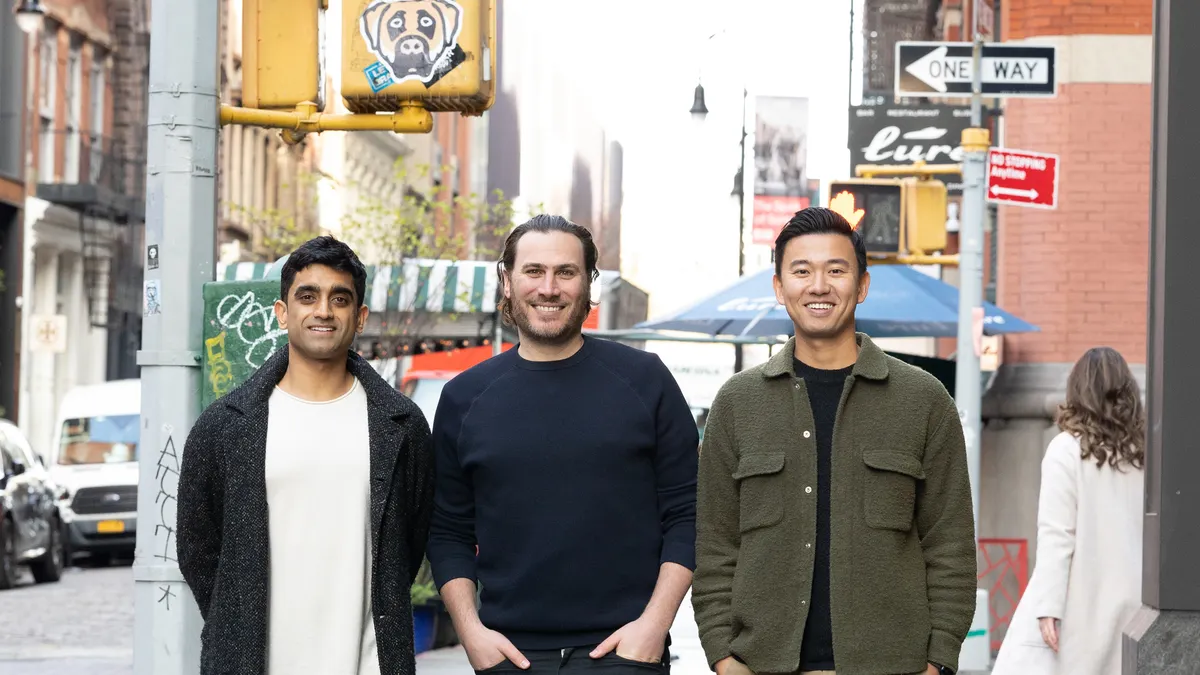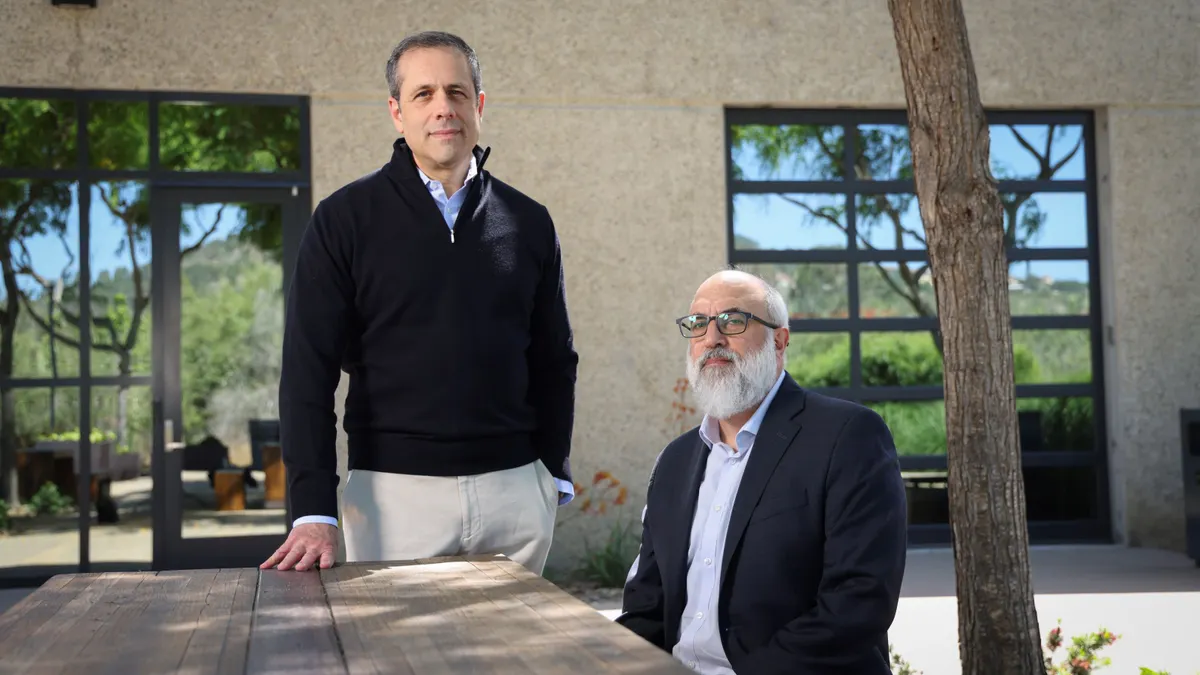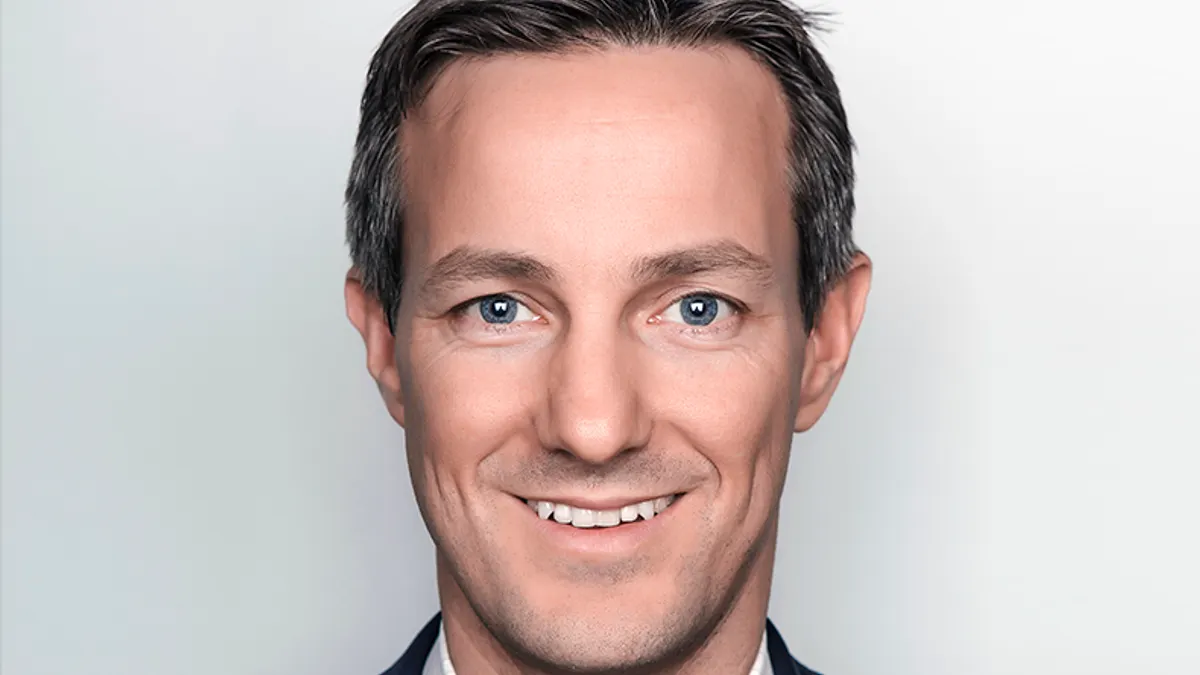
City Therapeutics, a young biotechnology firm working on new RNA interference therapies, has banked $99.5 million to fund further testing of its medicines, the company said Tuesday.
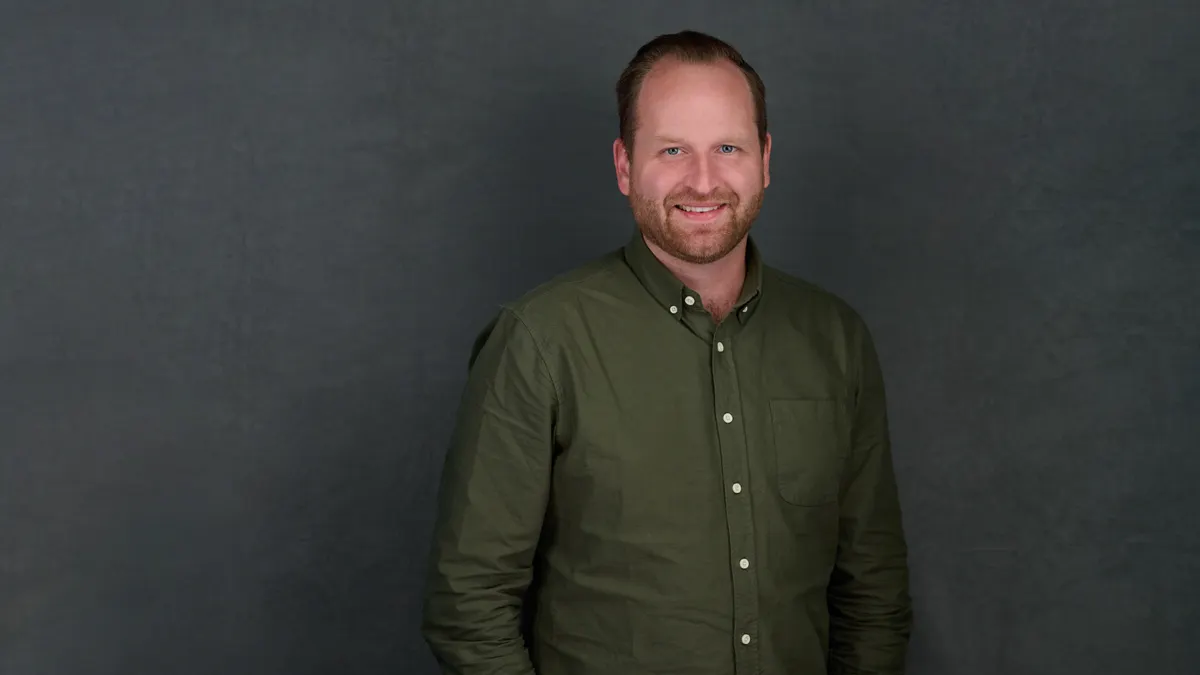
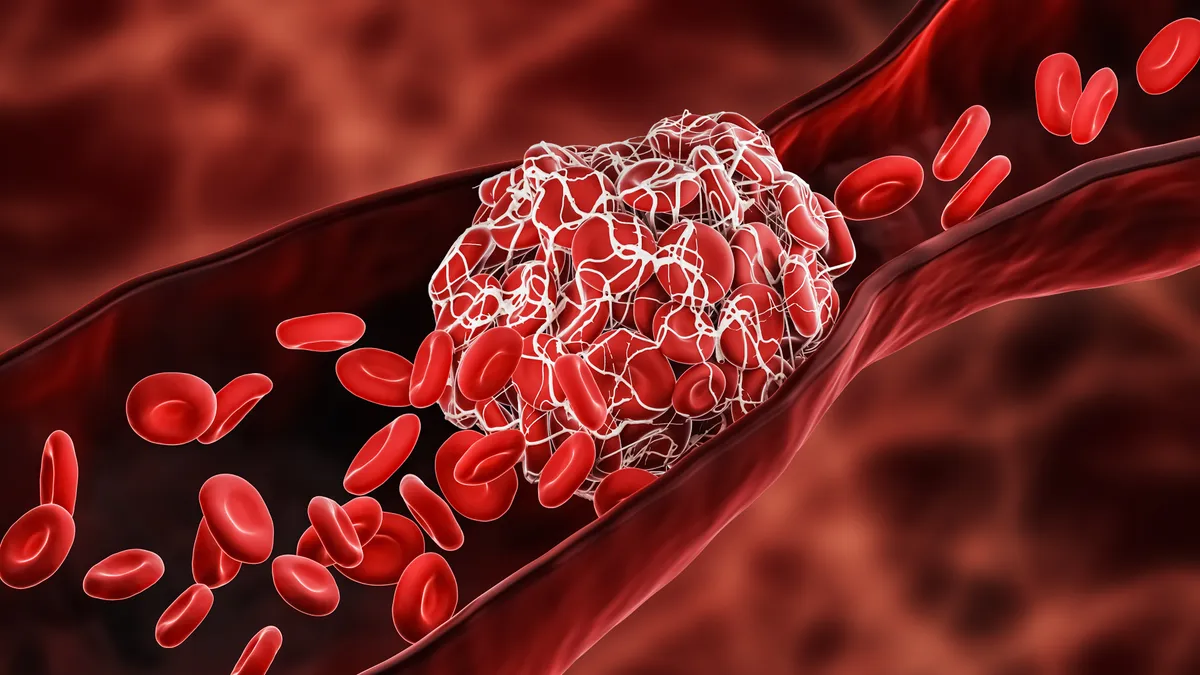
Dubbed “CITY-FXI,” City’s lead program targets a critical blood-clotting protein called Factor XI and recently entered Phase 1 testing for thromboembolic conditions such as pulmonary embolisms, strokes and deep vein thrombosis. The treatment is designed to reduce the risk of bleeding, which CEO Andy Orth said could make it an ideal drug for patients who can no longer take, or are not qualified to receive, available blood-thinning drugs. Factor XI is the target of multiple therapies that are already in late-stage testing.
Behind CITY-FXI is a second experimental medicine called “CITY-RBP4,” which is expected to enter human testing later this year for Stargardt disease, a genetic eye condition that is the focus of several other medicines in development.
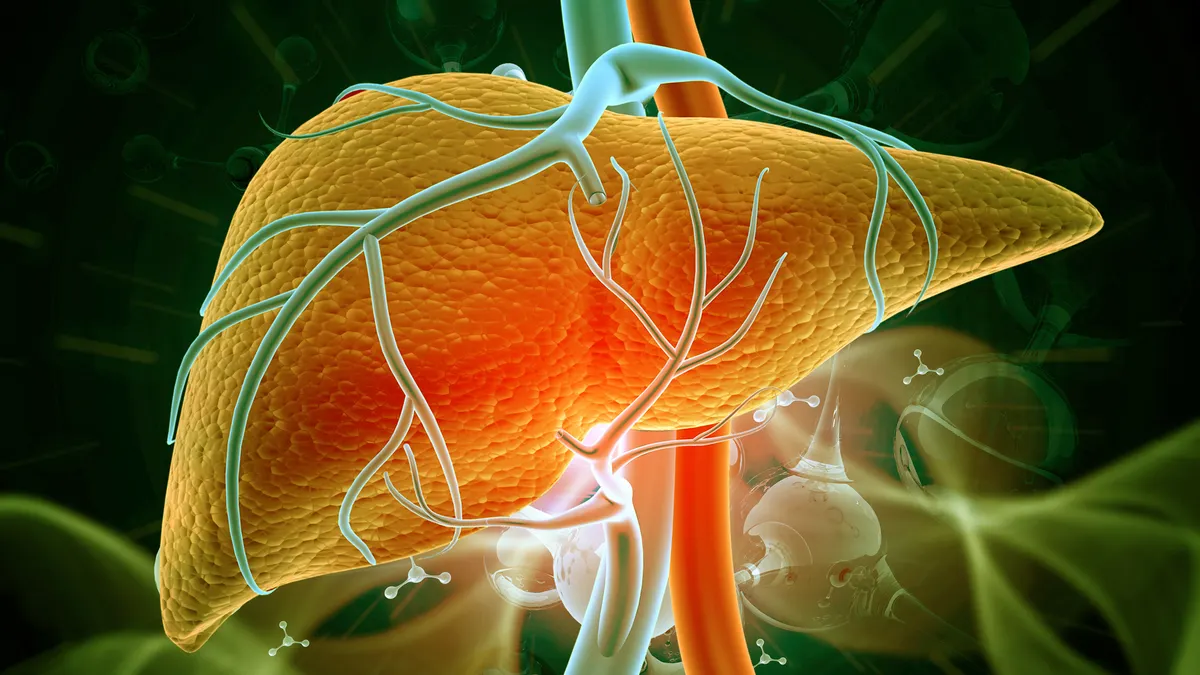
Some companies are working on gene therapies or RNA editing treatments to correct the underlying genetic defects linked to Stargardt. City is instead using RNA interference to reduce expression of a liver protein called RBP4 that ferries vitamin A to the eye. In Stargardt, this process goes haywire, leading to the toxic accumulation of vitamin A byproducts in the eye. Silencing the gene that produces RBP4 might prevent that from happening.
Another biotech, Belite Bio, is developing an oral medication that’s supposed to clear away these harmful deposits. But City believes its treatment should demonstrate “likely superior efficacy” with a twice-yearly subcutaneous injection, Orth said.

“One reason people are so attracted to these first couple programs is because they have rock solid belief in the technology, which allows them to get excited about the biology, and not worry about the mechanism,” Orth told BioPharma Dive in an interview.
In the next year, City plans to advance both of its named programs into mid-stage testing, as well as start a Phase 1 trial for a third experimental drug.
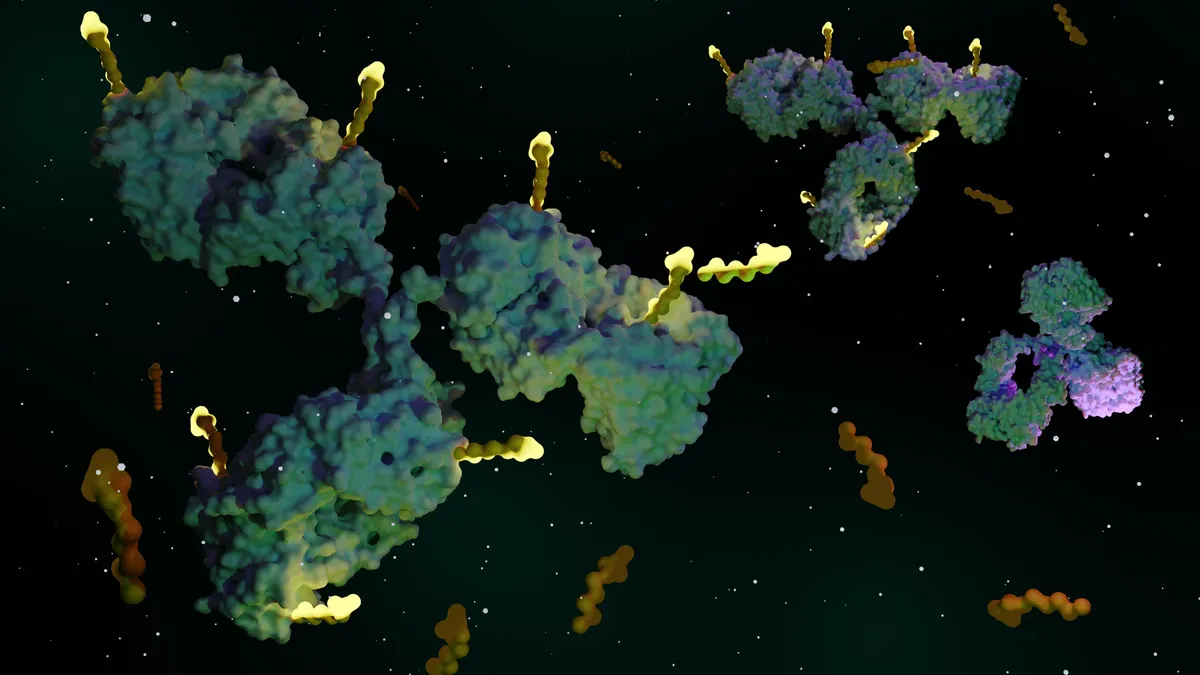
City specializes in “cleavage-inducing tiny nucleotide RNAs,” which are synthetic RNAs meant to be smaller and more potent than the kind often used in RNAi drugs. It’s also aiming to develop RNAi treatments that get beyond the liver and into more tissue types — a longstanding goal of those working on the technology.
Since its 2024 launch, City has announced a partnership with Bausch + Lomb to work on a geographic atrophy treatment and a broad research deal with Biogen. Those deals are part of a greater goal to team up with experienced biotechs and pharmaceutical companies to develop next-generation medicines that might otherwise be stuck in place while City focuses on its first two liver-directed programs.
“If you think about the [amount] of capital you would need to raise to keep up with the platform, it would probably slow us down, and we would rather go fast and get these molecules moving in financially and scientifically attractive partnerships,” Orth said.
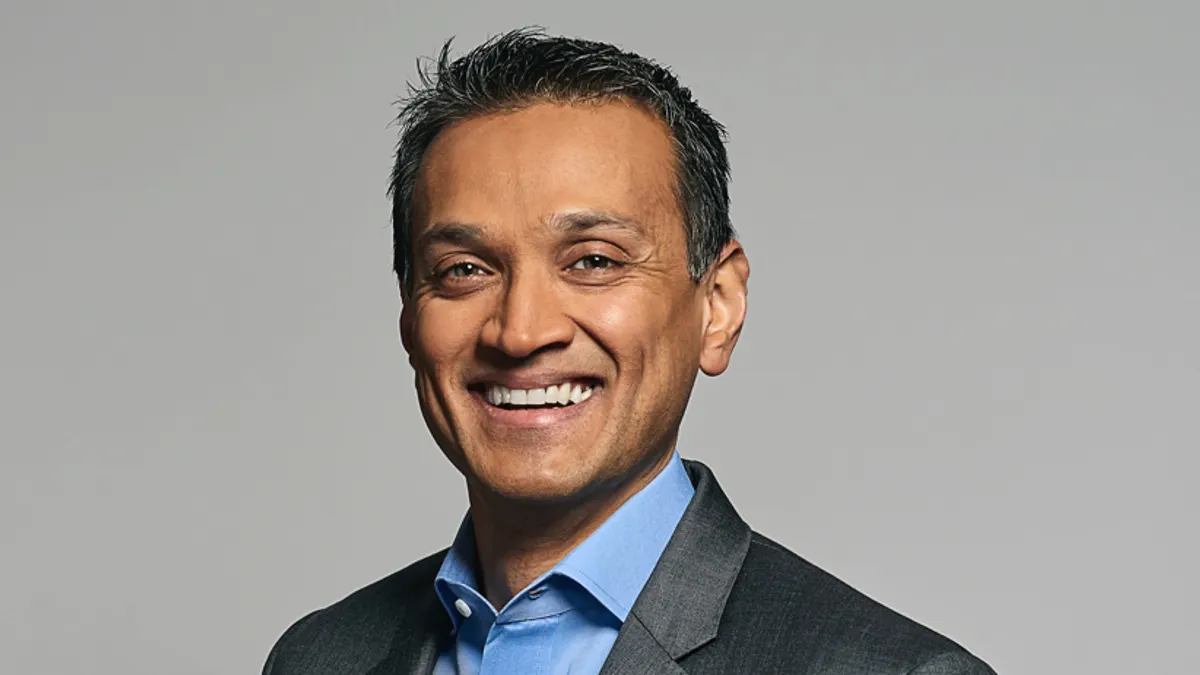
City was co-founded by Ohio State University researcher Kotaro Nakanishi and Alnylam Pharmaceuticals founder John Maraganore. “The advances our team is making with our next-generation RNAi platform speak to the breadth of what is possible beyond traditional RNAi,” Maraganore said in a statement.
The Series B round involved Viking Global Investors, Sofinnova Investments, Arch Venture Partners, Fidelity and several other venture funds.