Dive Brief:
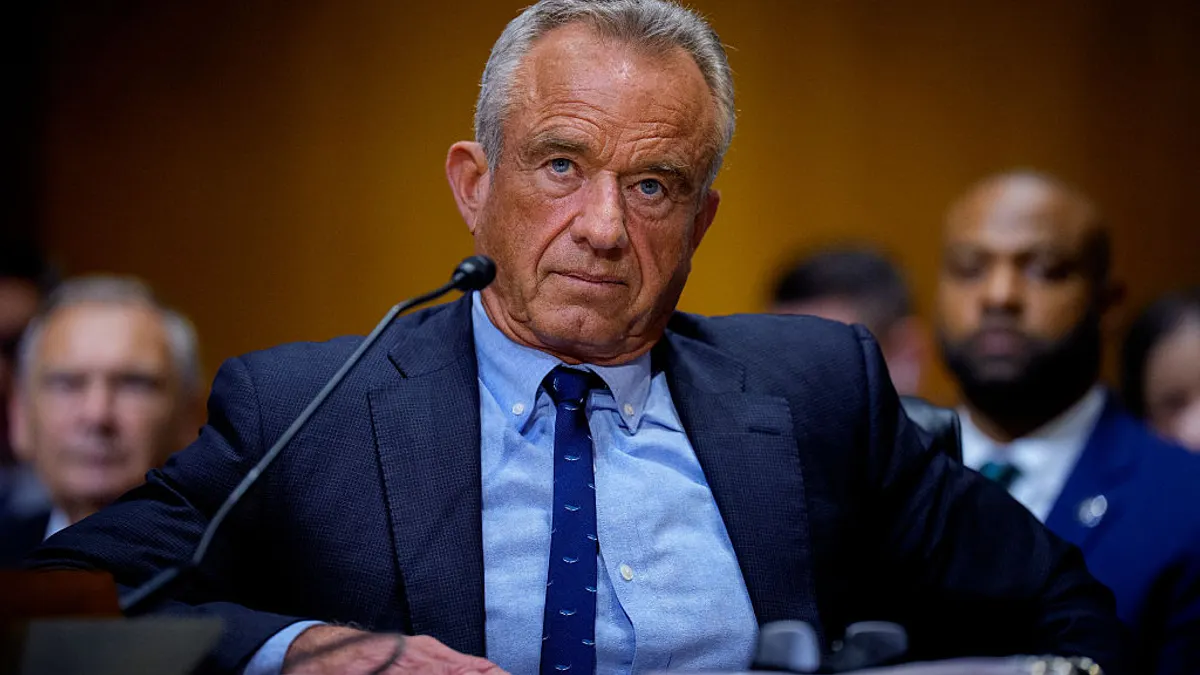
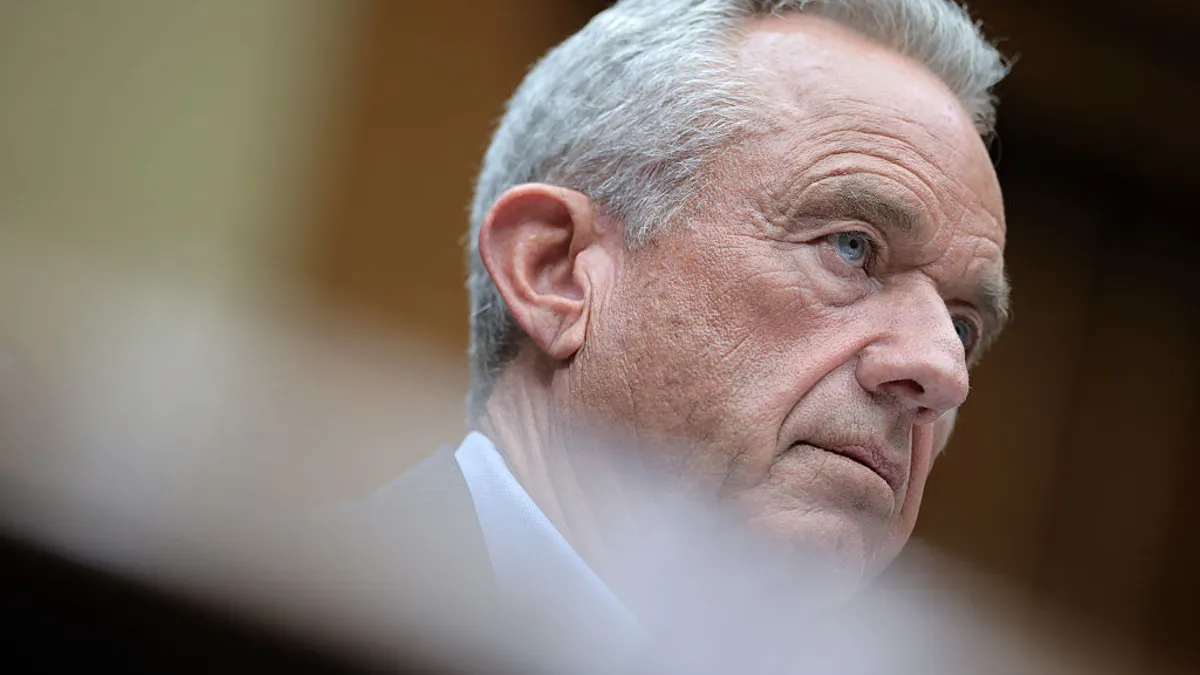
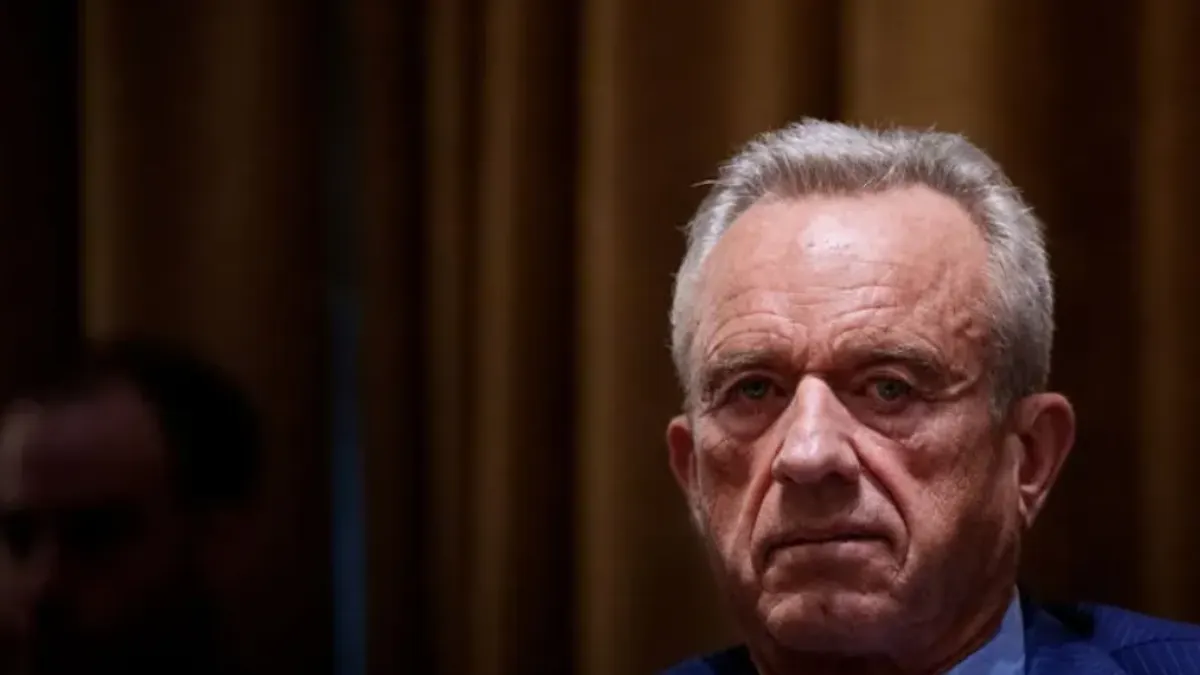
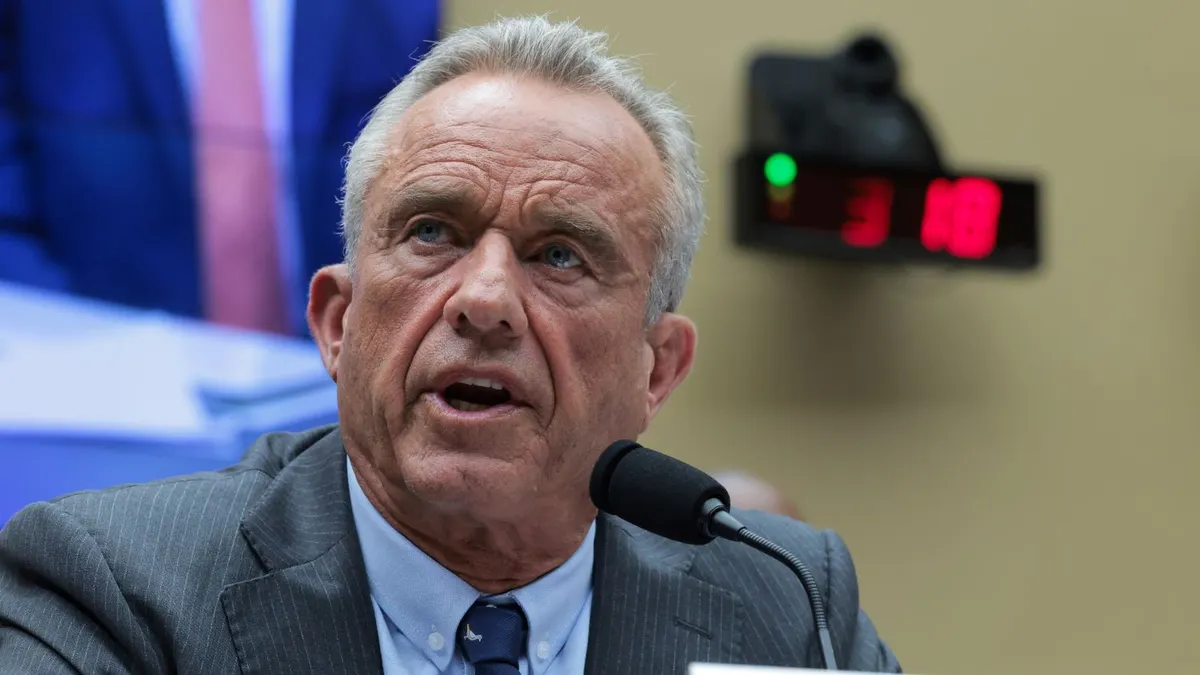
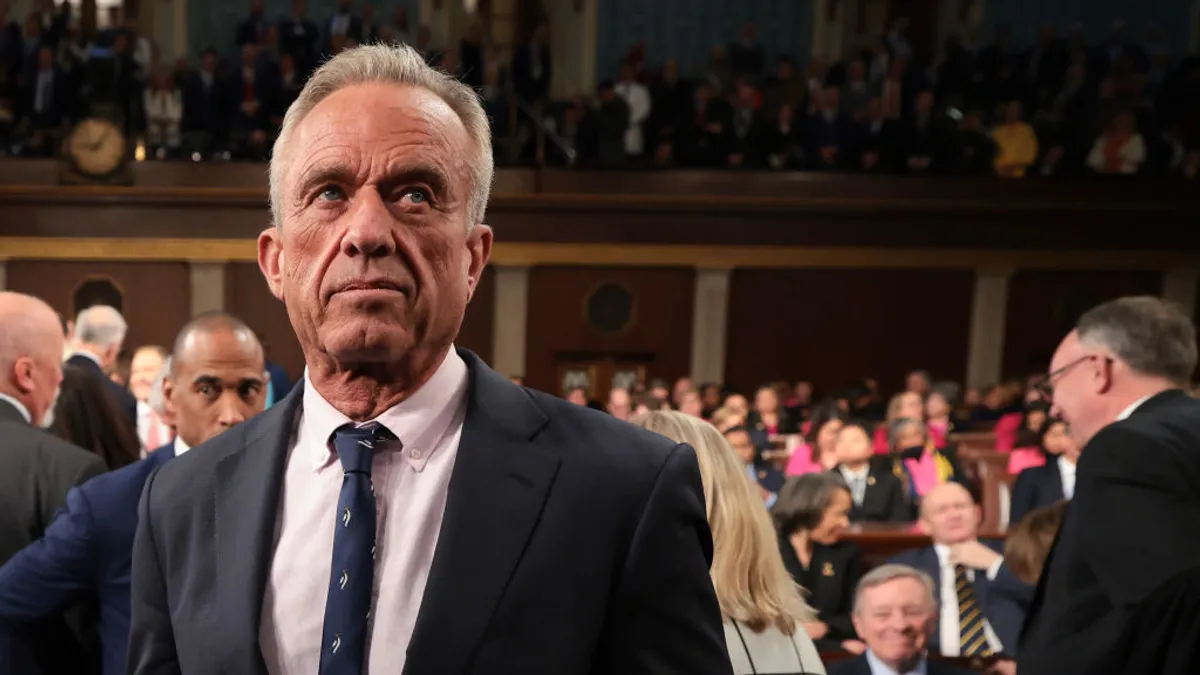
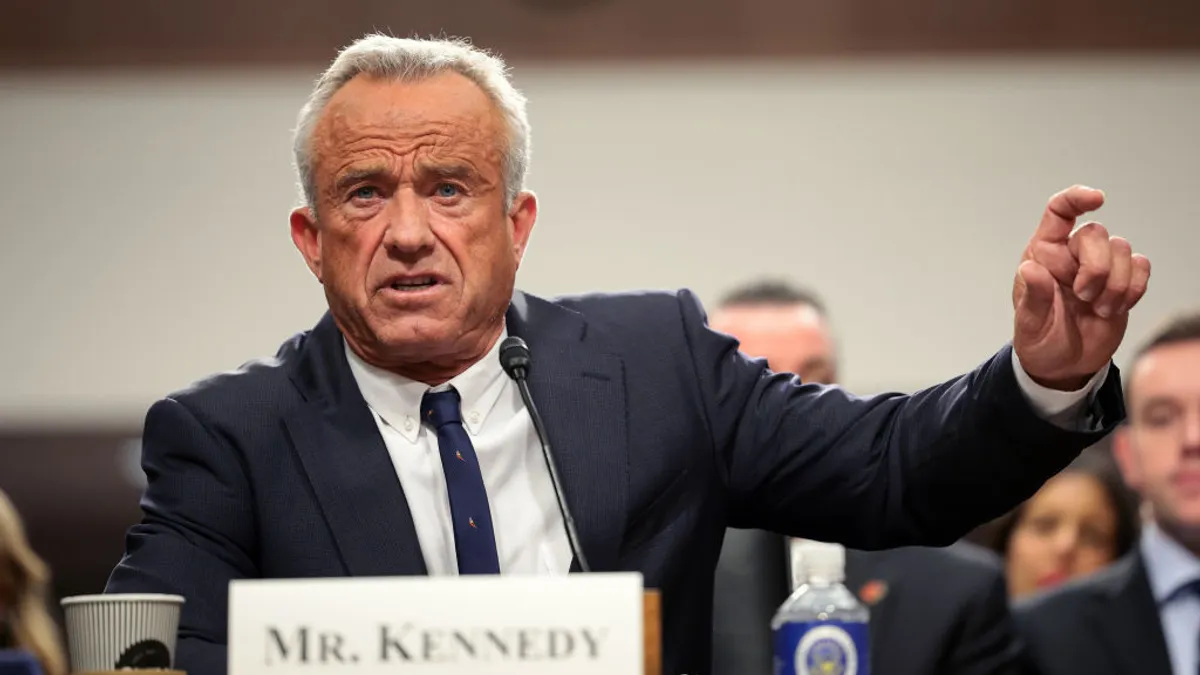
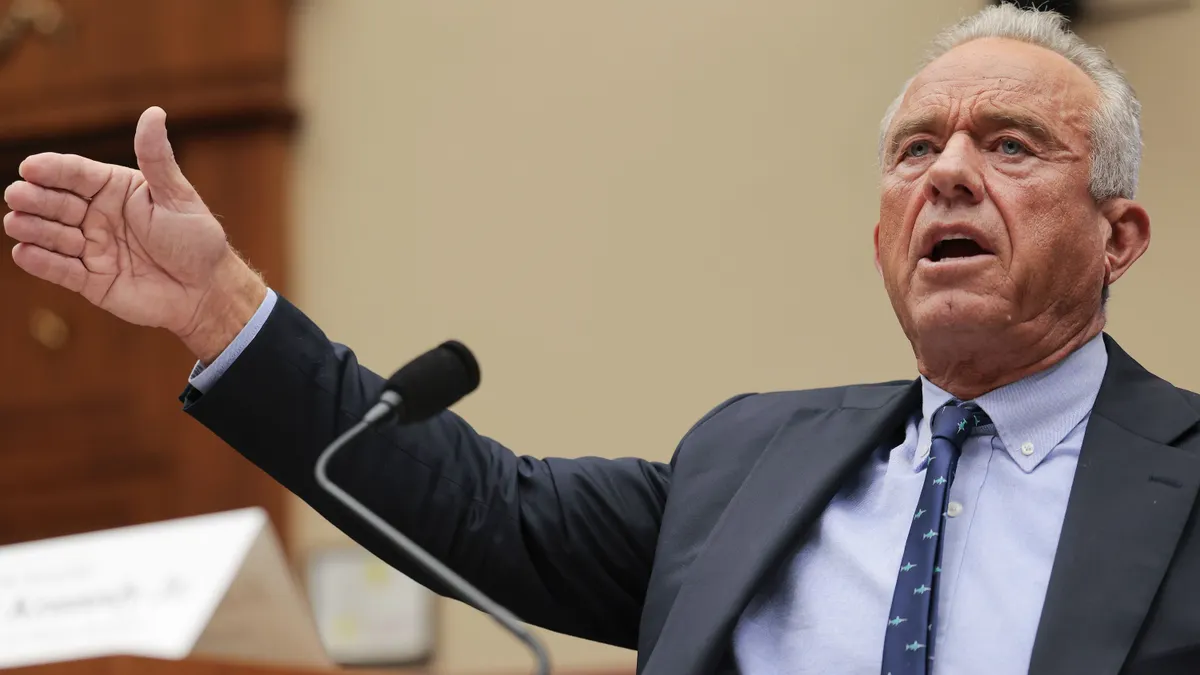
- Health and Human Services Secretary Robert F. Kennedy Jr. on Wednesday adopted a new strategy in his quest to widen access to a set of unapproved peptides.
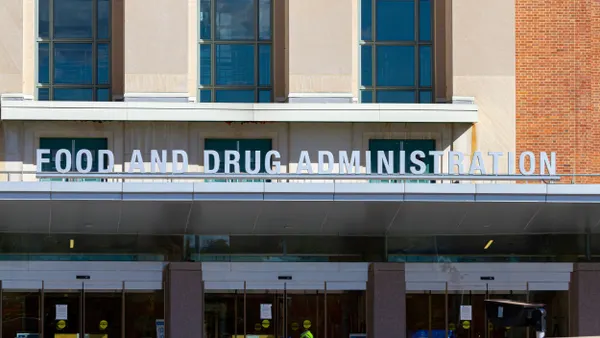
- Initially, Kennedy pushed the Food and Drug Administration to lift restrictions on the peptides, and a controversial panel of outside advisers in July recommended that the agency do just that for six of them. But FDA officials have concerns about the potentially dangerous effects of the peptides and won’t support a regulation that calls them safe, the Associated Press reported.
- So, Kennedy changed tactics. In a Federal Register notice, he announced that HHS won’t take enforcement action against state-licensed pharmacies, federal facilities or licensed doctors compounding any of the six peptides backed by the FDA panel. Kennedy decided that the new policy “advances patient choice and freedom,” HHS said in a corresponding document.
Dive Insight:
For Kennedy, peptide use is a pet issue. He’s used them himself and told podcaster Joe Rogan that he’s a “big fan.” To him, the Biden administration overstepped in 2023 when it identified a group of peptides that posed “significant safety risks” and prohibited compounding pharmacies from offering them.
But unlike traditional medicines, the peptides haven’t been tested for safety and efficacy in clinical trials. And there have been reports of dangerous side effects. At the two-day advisory panel meeting in July, FDA reviewers advised against broader use of the products in briefing documents and presentations.
“Apparently frustrated because the agency stood firm against his nonsensical pledge to end the FDA’s ‘war on peptides,’ Secretary Kennedy has acted recklessly and unilaterally to put Americans in danger,” Robert Steinbrook, the health research group director at Public Citizen, said in a statement after the new policy was announced. “Kennedy has undermined the FDA and threatened public health.”
Kennedy is responding to a push in the “Make America Healthy Again” movement in favor of the peptides. Indeed, demand for the products has spurred burgeoning black and gray markets that pose dangers of their own. An HHS official told the AP that the policy will help address that situation by giving Americans “a more controlled alternative through licensed U.S. compounders.”
The agency didn’t respond to a request for comment Thursday.
Critics say the new policy isn’t an answer to that problem. “A legal pathway does not resolve problems with untested products, safety risks, questionable ingredients, or misleading claims,” Fred Mills, chief policy officer for Americans for Safe & Effective Medicines, said in a statement. “In fact, we believe this will worsen what we have already seen — the harms from mass compounding hitting communities hard due to a lack of oversight to rein in bad actors.”
The FDA advisory panel in July narrowly voted to lift restrictions on KPV and TB-500, promoted for use in wound healing, BPC-157 for ulcerative colitis, MOTS-c for weight loss, Semax for migraines and Epitalon for insomnia. The committee did vote against one peptide, emideltide, for opioid withdrawal and sleep disorders. That product is not included in Kennedy’s latest order.
It’s unclear if the new policy will be enough to entice major telemedicine players like Hims & Hers to start offering the peptides. Leerink Partners analyst Michael Cherny called it a “yellow light” in a note to clients. He had previously estimated the peptide telehealth market could be worth $1.1 billion to $2.2 billion a year.
“The proposal theoretically pulls forward the opportunity on these six peptides by several months at least,” Cherny wrote on Wednesday. “However, the notice is still far from the ‘green light’ that [Hims & Hers] might need to see in order to decide to fully capitalize on the opportunity.”
HHS is taking comments on the policy for two weeks.