Dive Brief:
- An experimental, dual-acting weight loss pill from Hengrui Pharma and Kailera Therapeutics will advance into further testing after succeeding in a mid-stage study in China.
- The drug is an oral version of ribupatide, an injectable therapy the two have already brought into Phase 3 development. In a Phase 2 study in 166 participants, that pill helped spur an average of as much as roughly 12% weight loss over 26 weeks, compared to about 2% for placebo recipients. More than half of those on the highest dose lost at least 10% of their body weight, and around 38% achieved at least 15% weight loss.
- Most treatment-related side effects were gastrointesinal and mild to moderate in nature. At the top two doses tested, vomiting was reported in as many as 11.4% and 7.5% of recipients, and nausea in 22.7% and 20%, respectively. Hengrui will “rapidly” move the drug into a Phase 3 trial in China, while Kailera plans to start a global mid-stage trial this year, the companies said.
Dive Insight:
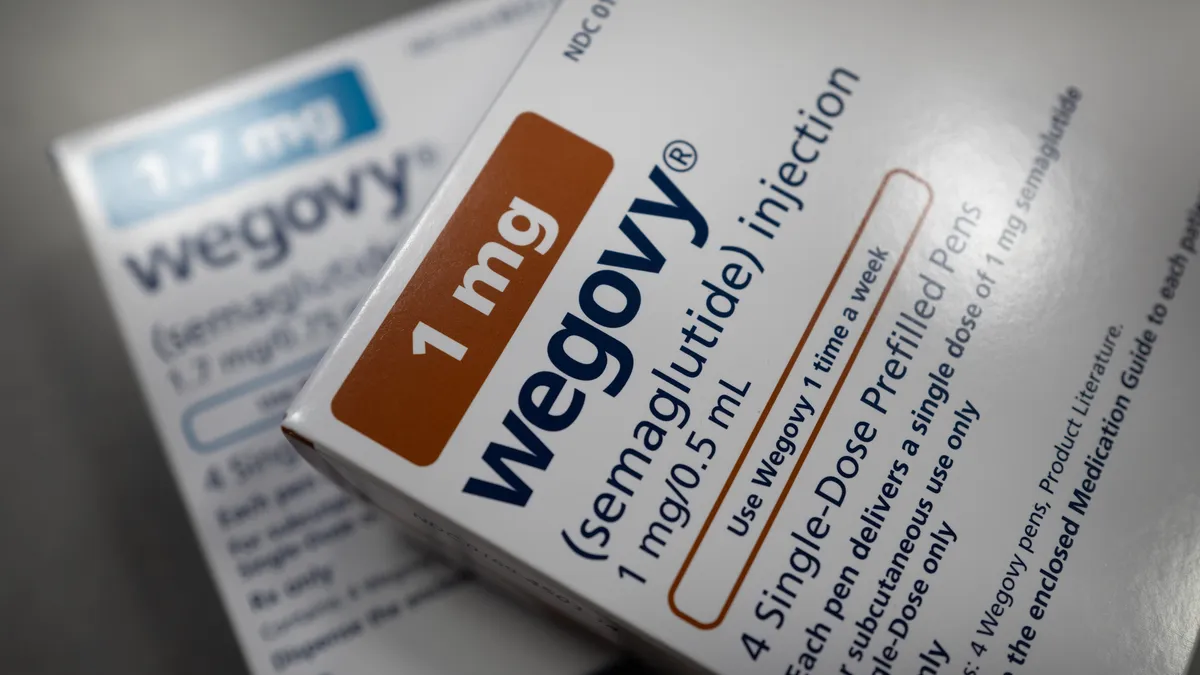
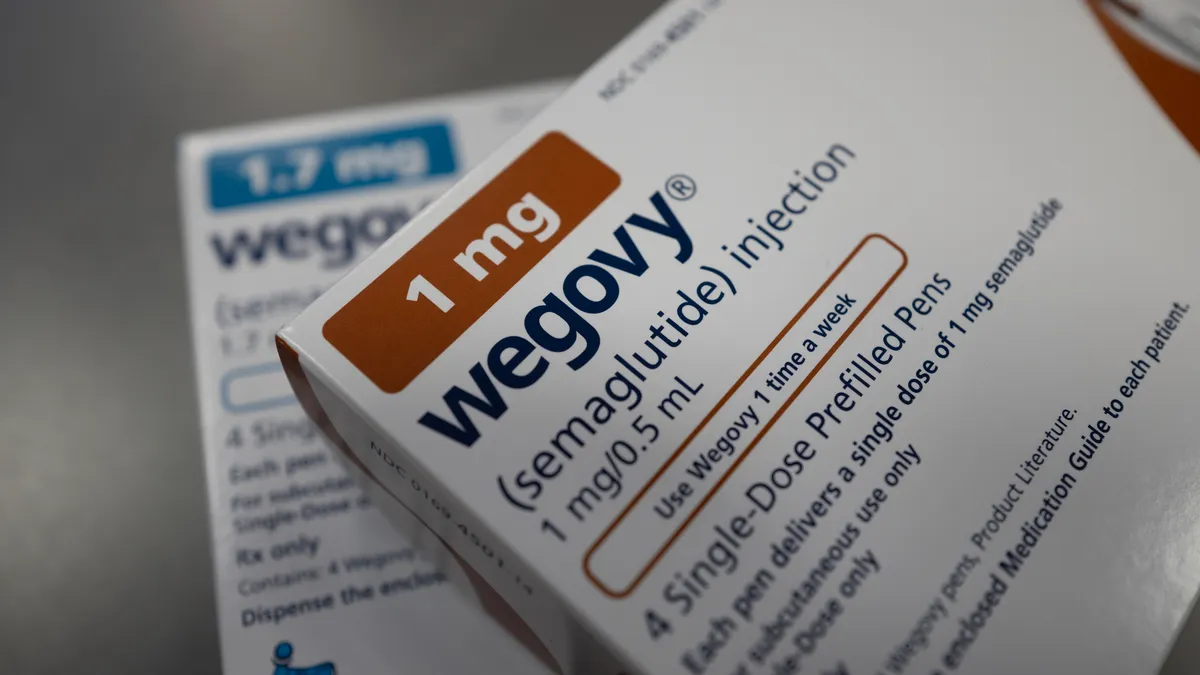
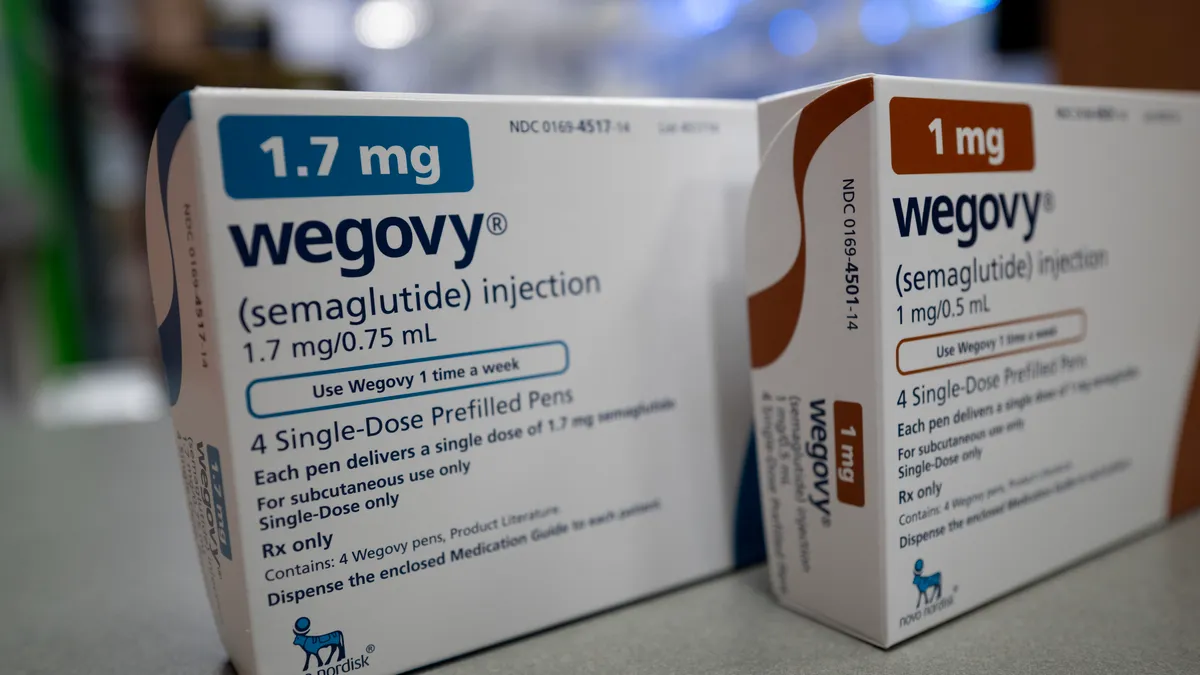
The obesity drug landscape is quickly shifting from a market dominated by injectables to one featuring pills, too. In January, one of the major players, Novo Nordisk, won a U.S. approval of an oral version of its Wegovy treatment. Lilly could quickly follow with the expected clearance of a similar medicine in the second quarter.
Success in that market is worth billions of dollars. Lilly’s tirzepatide, sold as Zepbound for diabetes and Mounjaro for obesity, became the world’s best-selling pharmaceutical product last year and vaulted the company’s market value past $1 trillion in the process. Wall Street analysts predict more growth to come, with many expecting obesity drugs to generate more than $100 billion in combined sales annually next decade.
Accordingly, many other drugmakers have crowded into obesity drug research, with large companies such as Roche, Amgen and Pfizer joining smaller biotechs in the hunt. Kailera, which licensed rights to a portfolio of prospects from Hengrui, is among them.
One part of that portfolio is ribupatide. The partners are developing injectable and oral version of the treatment, and both target a pair of gut hormones called GLP-1 and GIP. Lilly’s injectable Zepbound has the same dual mechanism, but the pills from Novo and Lilly don’t, giving Hengrui and Kailera’s drug the chance to stand out.
In an email to BioPharma Dive, Kailera CEO Ron Renaud, pointed to the Phase 2 results as early proof the oral ribupatide may be distinct from other, similar therapies. Renaud noted how patients’ weight loss hadn’t plateaued after the 26-week study period, suggesting “the potential for further weight loss with longer-duration dosing.” Those effects, combined with what he characterized as “very low rates” of gastrointestinal side effects such as vomiting, show the drug could become “a differentiated treatment option for patients with obesity,” he added.
Ribupatide hasn’t been studied directly against the Wegovy pill, but Novo’s medication was associated with 14% weight loss over 71 weeks.
The companies said that there were no treatment discontinuations or decreases in dosing due to gastrointestinal side effects in ribupatide’s Phase 2 study.