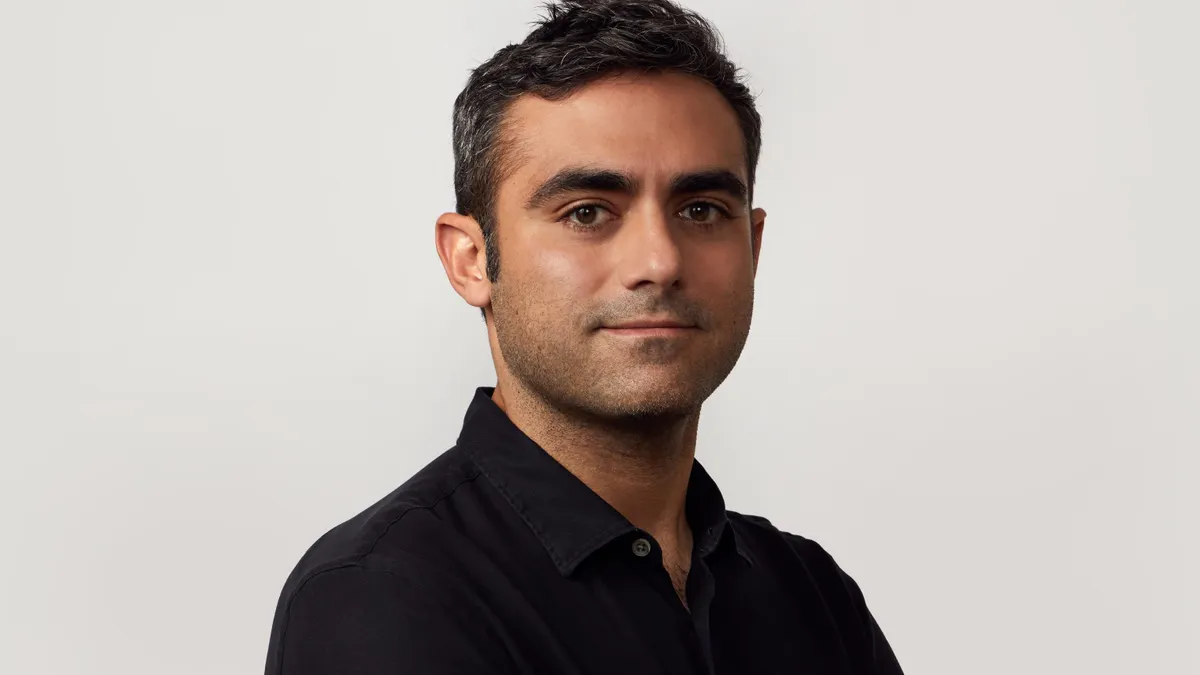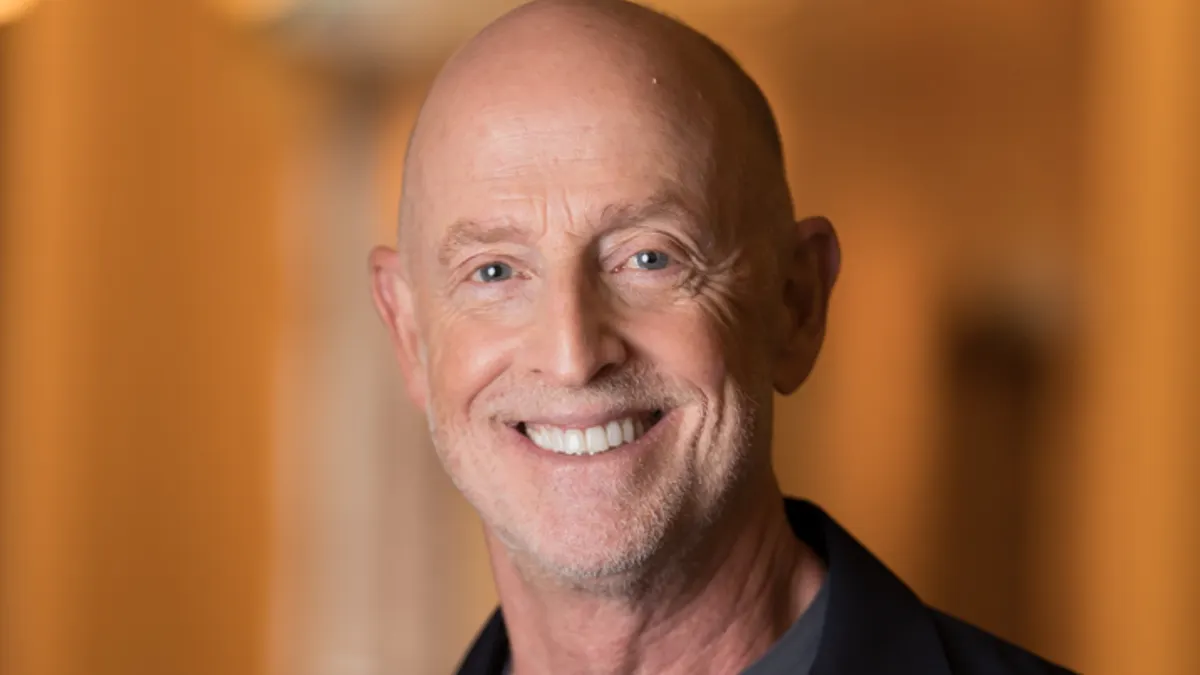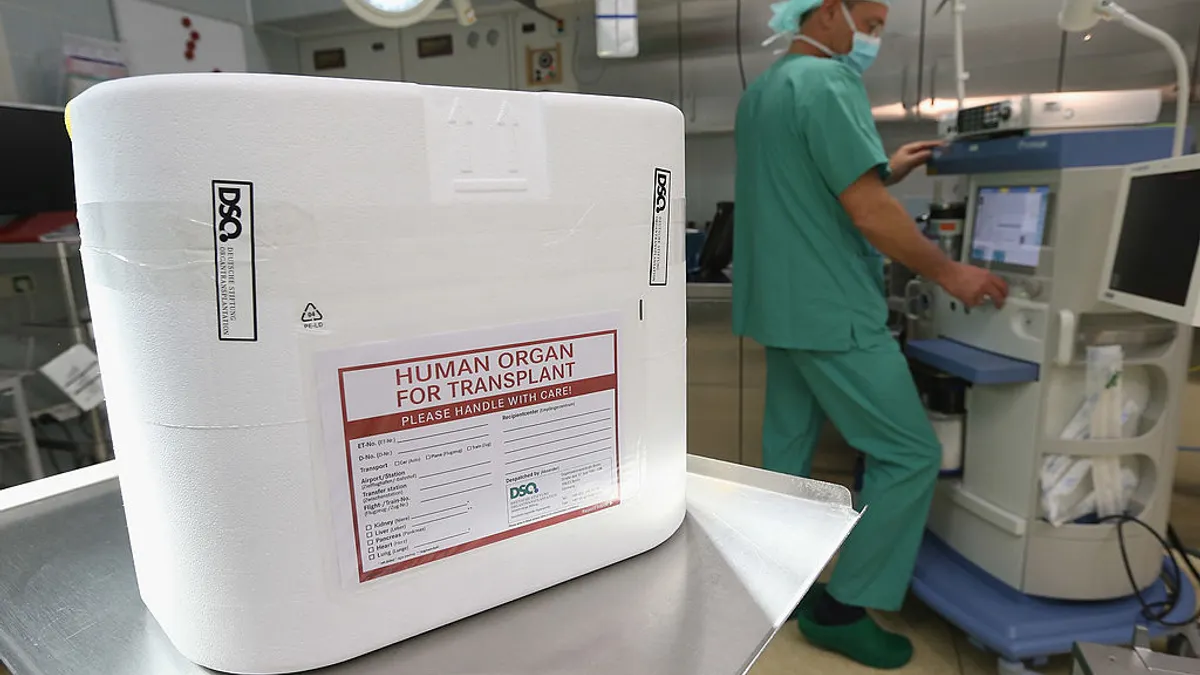
LifeMine Therapeutics, a biotechnology company led by serial entrepreneur Greg Verdine, said Thursday it raised $263 million in a pair of venture financings that will push a novel, protective treatment for organ transplants deeper into later clinical testing.
To find that new drug, codenamed “LIFE-001,” LifeMine looked to a billion-year-old place: the fungal genome. It’s the same starting point that led to the first statin, penicillin, and a widely used immunosuppressant called cyclosporine. While these and many other medicines are derived from fungi, LifeMine has for years been working to make the discovery process more systematic and repeatable, amassing a database of genomic information in the hopes of uncovering promising drug prospects.
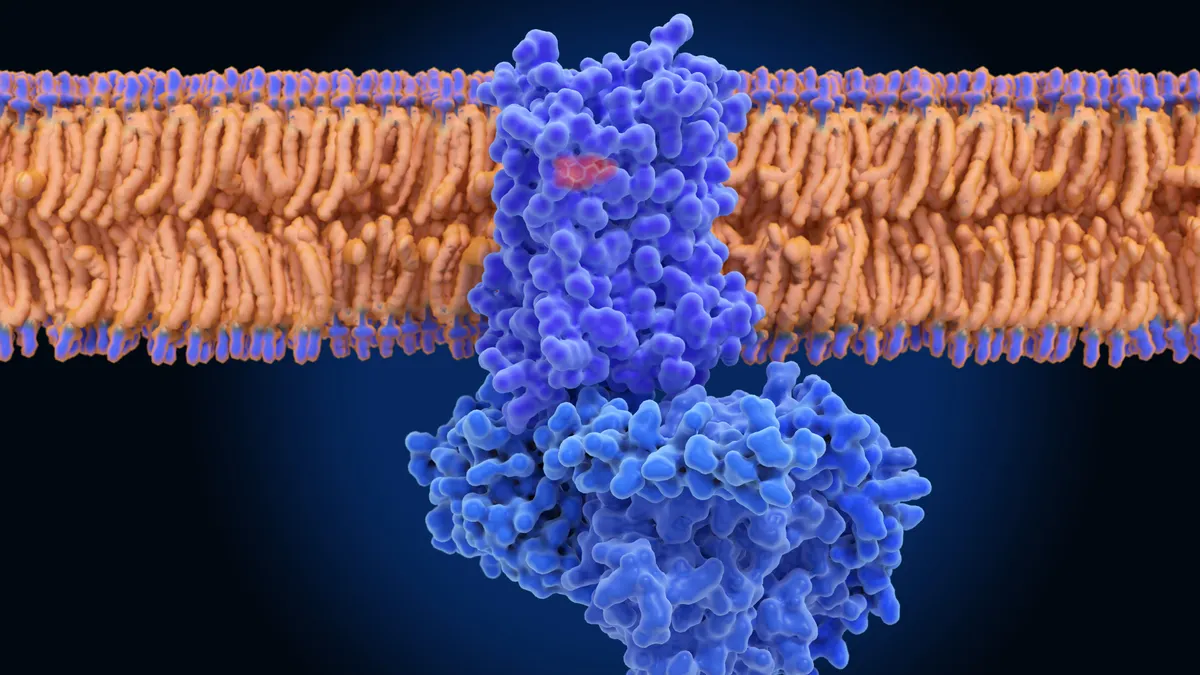
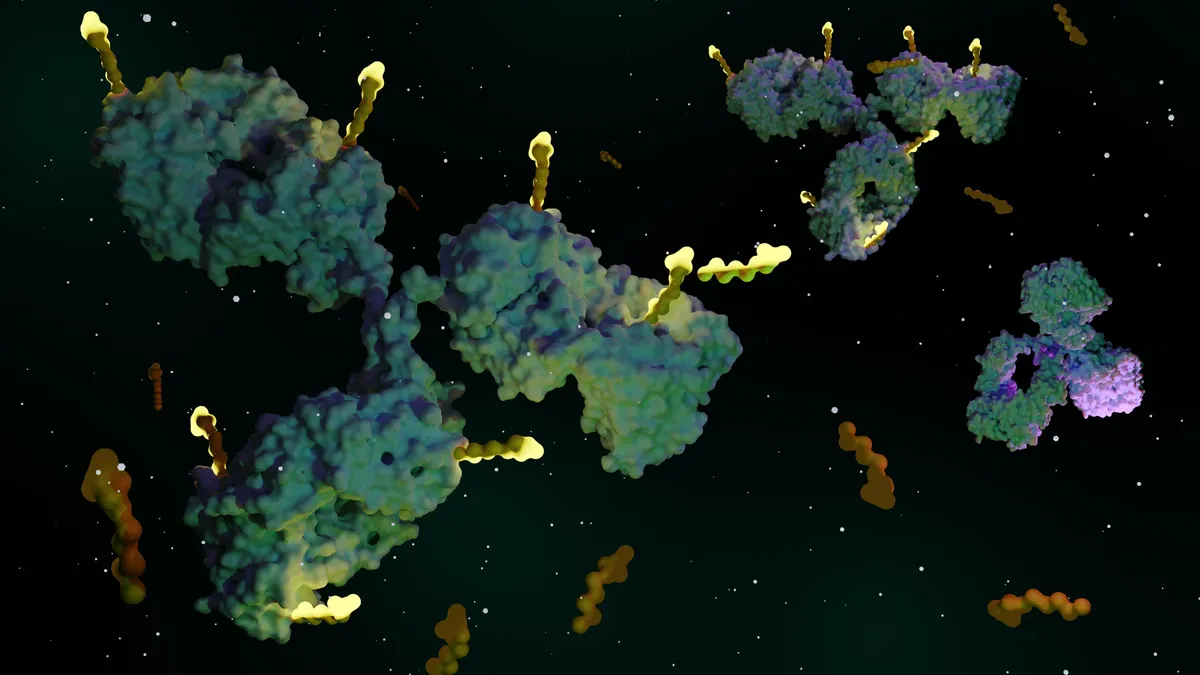
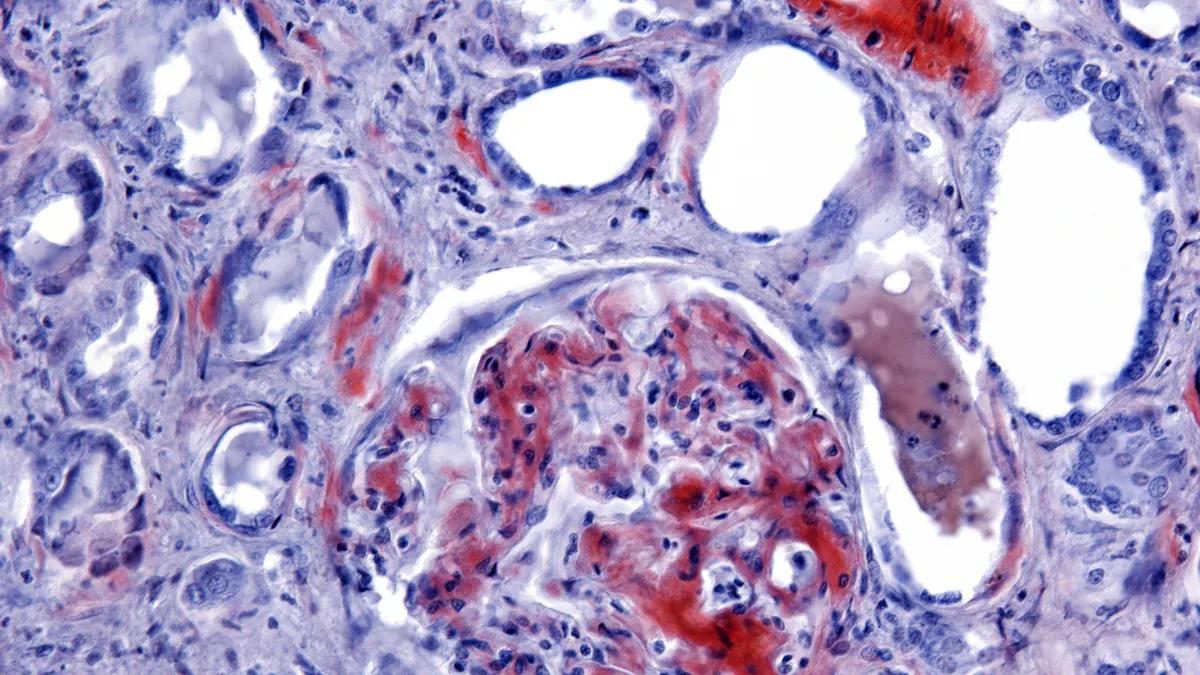
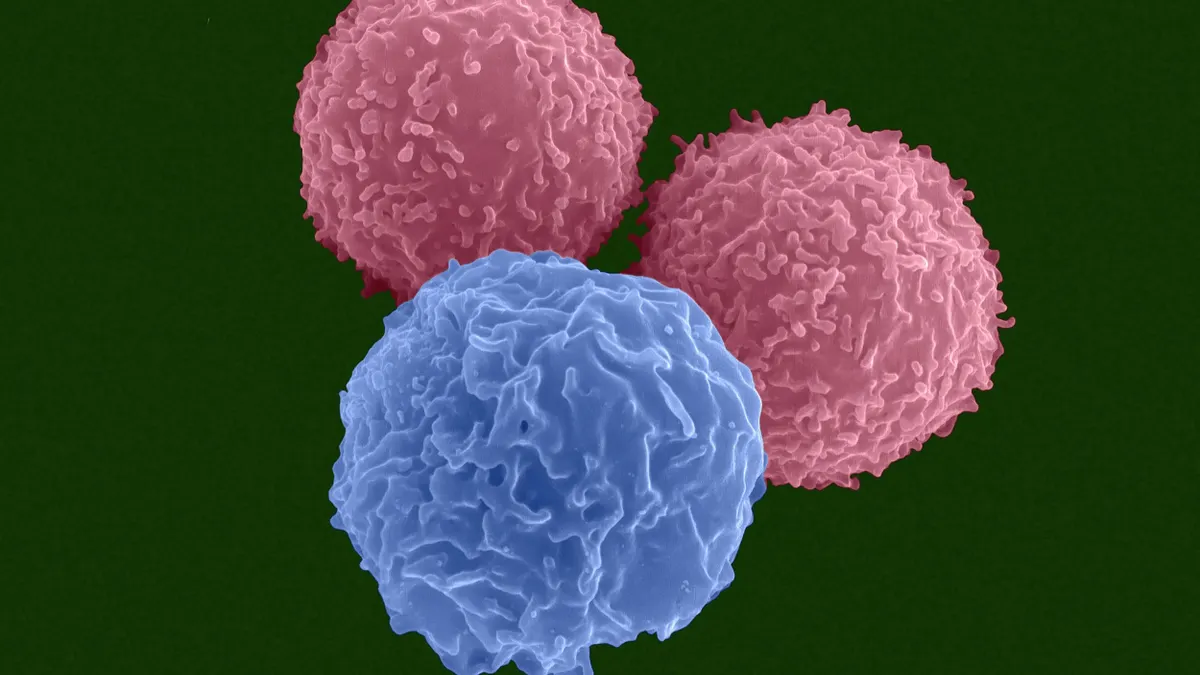
LIFE-001 is the result of that work. It acts on an enzyme called calcineurin, which is historically tough-to-drug and activates the immune system’s T cells. Multiple treatments, such as tacrolimus and cyclosporine, prevent the body from rejecting transplanted organs by blocking calcineurin’s activity in some way. But they work by forcing together two proteins that otherwise wouldn’t latch onto one another, an indirect “molecular glue” mechanism that causes a number of other issues. Tacrolimus, often used in patients receiving a kidney transplant, is associated with serious side effects such as tremors, seizures and post-transplant diabetes mellitus.
Through its discovery work, LifeMine has come up with a compound, LIFE-001, that instead directly inhibits calcineurin by binding to a site that wasn’t previously seen in the enzyme’s structure. Importantly, the drug doesn’t appear to get into the brain or other peripheral tissues, which could make it safer than existing treatments.
LIFE-001 is also designed as a long-acting injectable, which “flattens out the pharmacokinetics, so you don't have this oscillation between too much and too little suppression," Verdine said in an interview.

LifeMine is evaluating the safety of LIFE-001 in an ongoing Phase 1 study. It plans to advance the experimental drug into a Phase 2 study involving people who have undergone a kidney transplant, as well as a Phase 1b trial of those receiving islet cell transplants to manage conditions such as type 1 diabetes or chronic pancreatitis. Data in islet transplant recipients could come by the end of 2027, while results from the kidney transplant study are expected in 2028.
Following LIFE-001 is a second program for autoimmune disorders. Though LifeMine has explored the possibility of using its lead asset to treat conditions like Crohn’s disease and lupus nephritis, Verdine said it opted not to given the crowded and competitive landscape.
“Transplantation is a major opportunity that was hiding in plain sight that everyone just overlooked,” he said.
Though LifeMine is early in its development journey, the company is considering eventually selling LIFE-001 on its own, according to Verdine. LifeMine hasn’t ruled out an initial public offering, either, though it would wait until accumulating data from its first two human studies.
Formed in 2017, LifeMine is one of many drug startups co-founded by Verdine, a former Harvard University chemical biologist. Others include two publicly traded drug developers — Parabilis Medicines and Wave Life Sciences — as well as Warp Drive Bio, which Revolution Medicines acquired in 2018.
In 2023, Verdine’s company inked a research collaboration with GSK. Including the venture funding announced Wednesday, the biotech has raised roughly $580 million in private financing.
About $75 million of that total came from a Series D financing LifeMine raised in the fourth quarter of 2025. The rest is in the form of a $188 million Series E round led by Milky Way Investments and involving Jeff Bezos’ investment firm Bezos Expeditions, Gates Frontier, GV, RA Capital Management and Arch Venture Partners, among others.