Dive Brief:
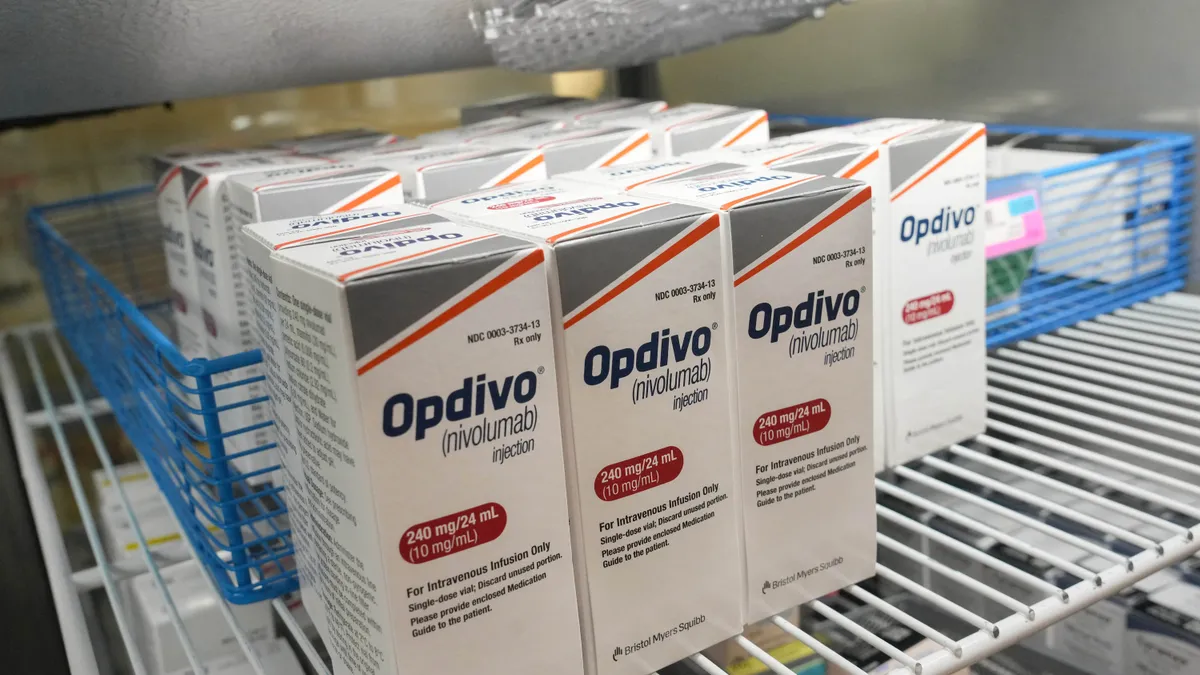
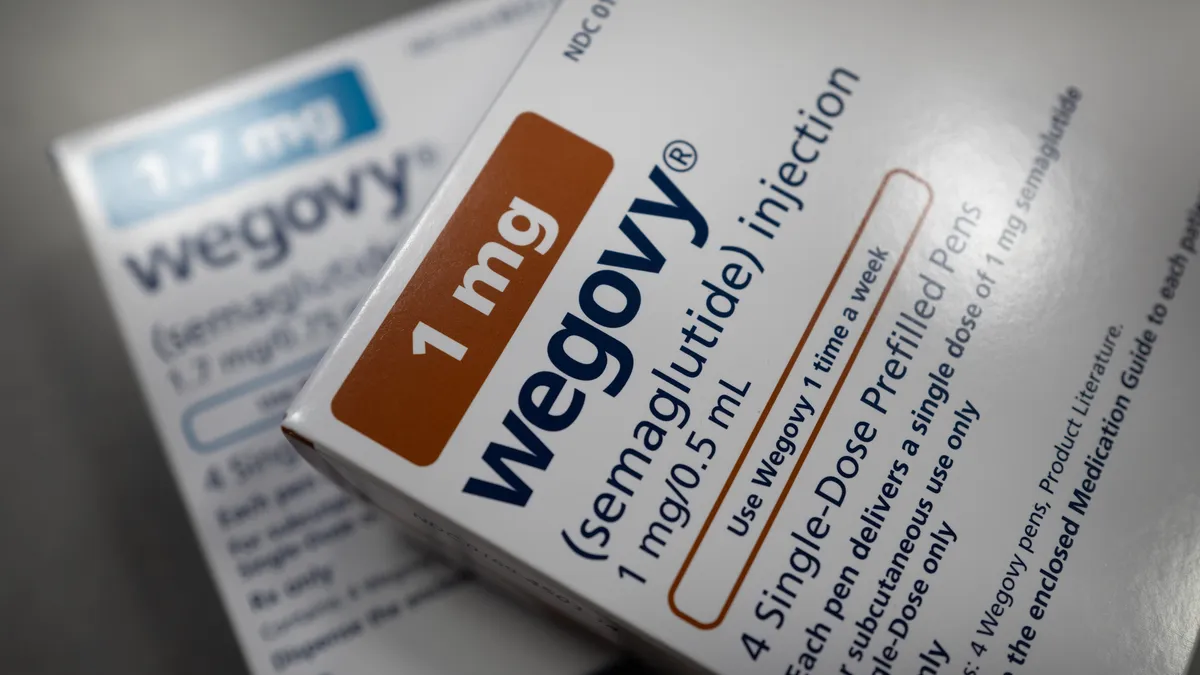
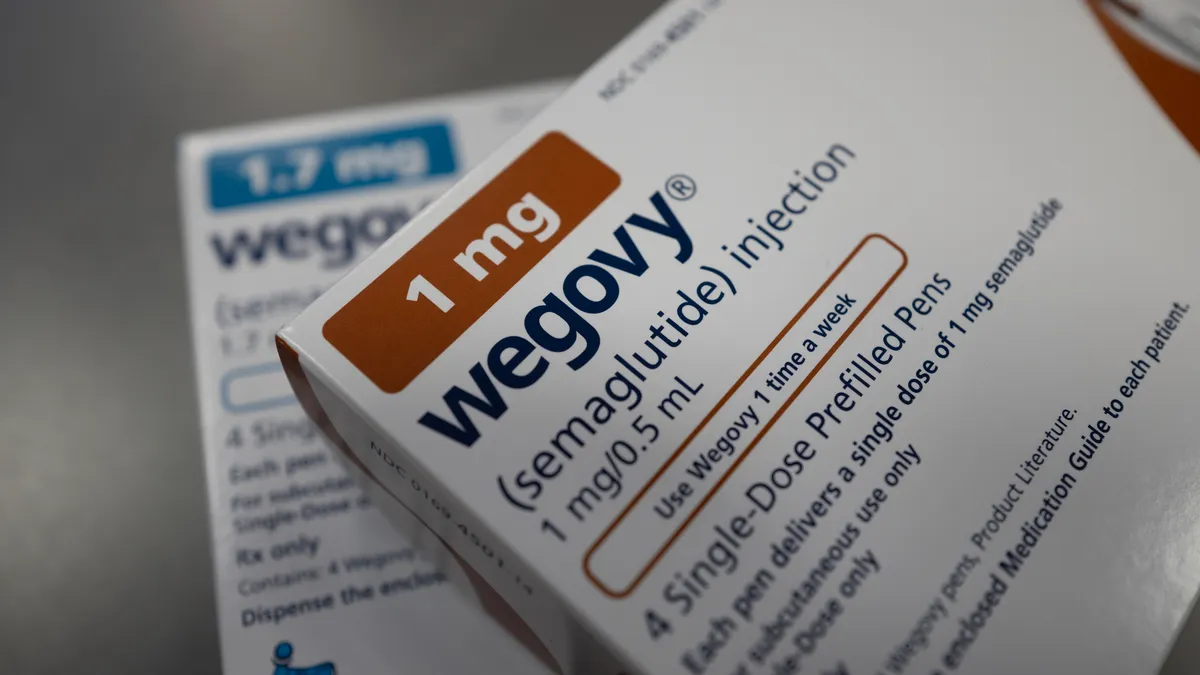
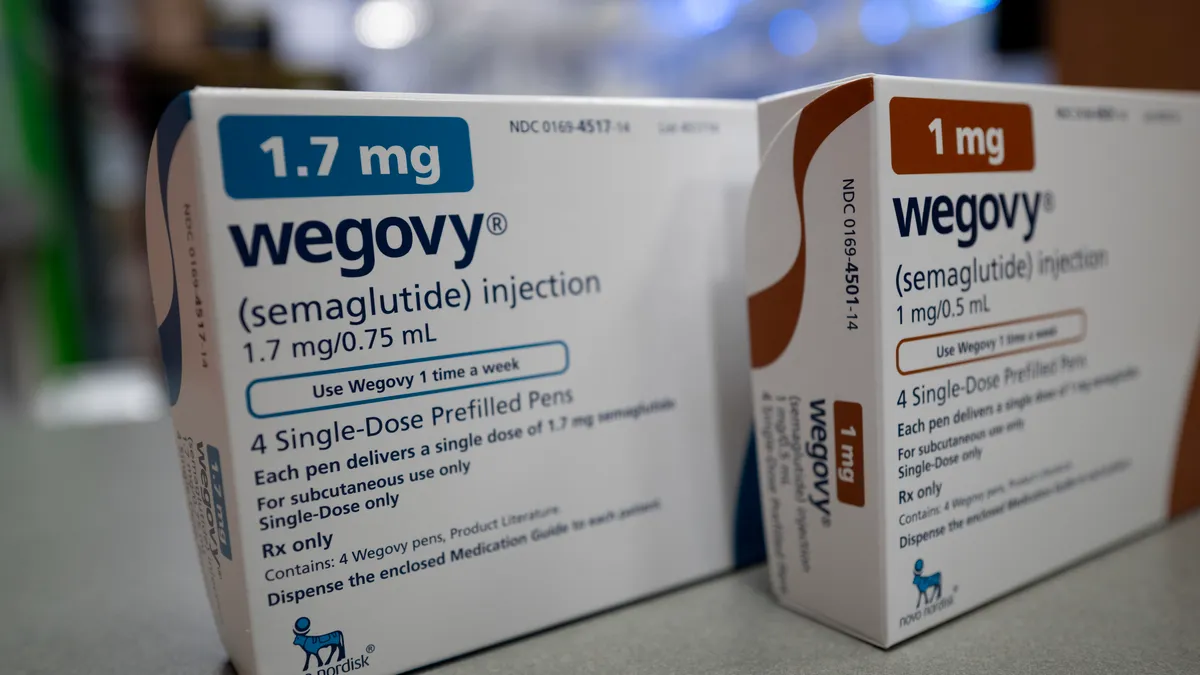
- CVS Caremark on Thursday announced that it will stop giving an edge to Novo Nordisk’s Wegovy obesity medicine over Eli Lilly’s options in the popular GLP-1 market.
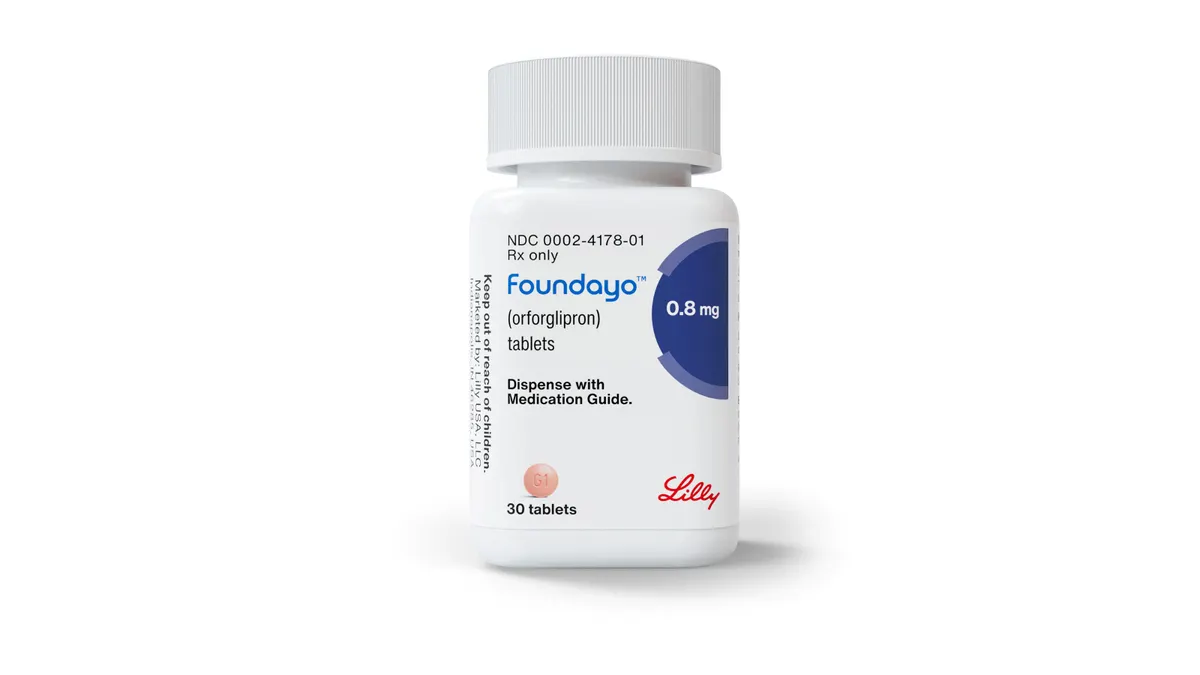
- The pharmacy benefit manager will place Lilly’s new Foundayo pill on its formularies on June 1 and add back the injectable medicine Zepbound as a preferred option starting Oct. 1. Novo’s Wegovy pill and injection will remain as preferred options as well.
- The move by CVS means that Foundayo and Zepbound are now covered by all three of the largest PBMs in the U.S., Lilly said. While individual employers that use CVS Caremark formularies can still decide not to pay for the medicines, the move will likely make Lilly’s drugs available to millions more patients. Lilly’s shares rose nearly 6% in early trading Thursday.
Dive Insight:
CVS’s decision removes a key advantage Novo had in the GLP-1 marketing war with Lilly. When CVS and Novo announced their deal to give Wegovy preferred status last year, Lilly shares tumbled. “Today’s decision reverses that and meaningfully expands the addressable [prescription] pool for Zepbound and Foundayo,” Leerink Partners analyst David Risinger wrote in a note to clients.
Both companies have been working every angle to get their drugs to new customers, offering lower-cost self-pay options, launching programs such as Lilly’s “employer connect” channel and, in Novo’s case, even agreeing to work with a telehealth company that sold knockoff versions of its drugs. Novo and Lilly are also slashing their prices for Medicare patients, opening up a large, new pool of customers.
While Lilly has won a greater share of the injectable market, the company’s Foundayo medication has gotten off to a slower start than Novo’s Wegovy pill. The prescription adoption pace for Foundayo was about 30% of the trajectory achieved by oral Wegovy through the sixth week, Risinger said. “Expanded access is important for Foundayo,” he said.
For its part, Novo emphasized that the Wegovy products will retain preferred status on CVS Caremark formularies and nothing will change for the patients taking them. Both versions “have strong formulary access across the U.S. market,” Tom Scales, a senior vice president who oversees market access at Novo, said in a statement.