Dive Brief:
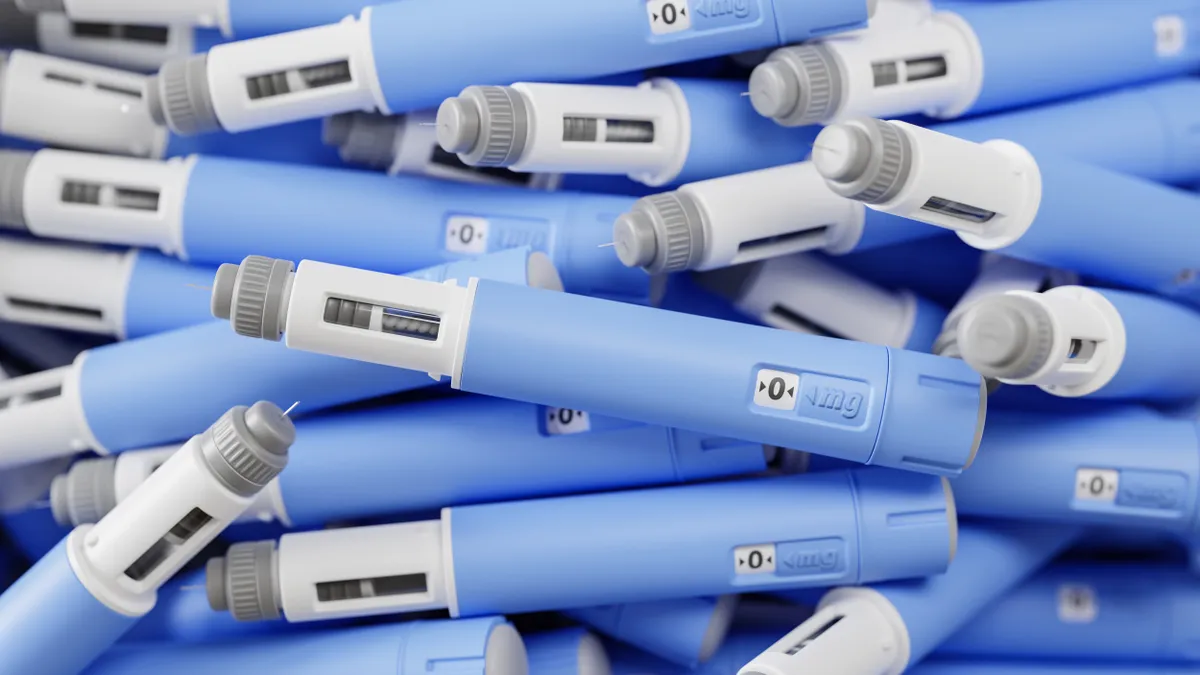
- Eli Lilly beat Wall Street expectations again in the first quarter, helped by a surge in overseas sales of the GLP-1 diabetes medicine Mounjaro.
- Overall revenue in the period soared 56% to $19.8 billion, beating analyst expectations by more than $2 billion. Net income more than doubled, climbing to $7.4 billion, or $8.26 a share, from $2.8 billion or $3.06 a share a year earlier. Non-GAAP earnings reached $8.55 a share, beating the consensus estimate of $6.77.
- Lilly also raised its guidance, saying it now expects revenue of between $82 billion and $85 billion for the full year with non-GAAP earnings of $35.50 to $37 a share. Shares of the Indianapolis-based company jumped 9% Thursday morning after the report.
Dive Insight:
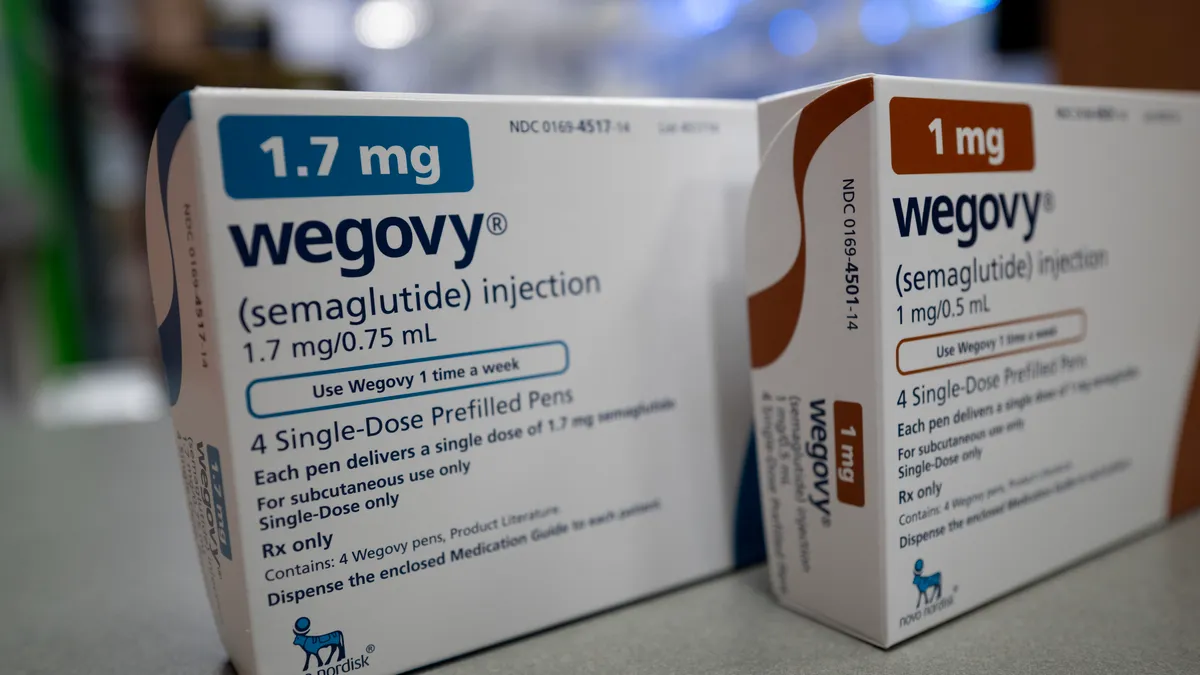
The GLP-1 franchise has transformed Lilly, making it into one the most valuable companies in the world and a dominant force in the obesity and diabetes treatment market. In its earnings presentation, the Indianapolis-based company said it now controls just over 60% of the U.S. market for the medicines, compared with 39.4% for Novo Nordisk, whose pioneering Ozempic drug became a household name.
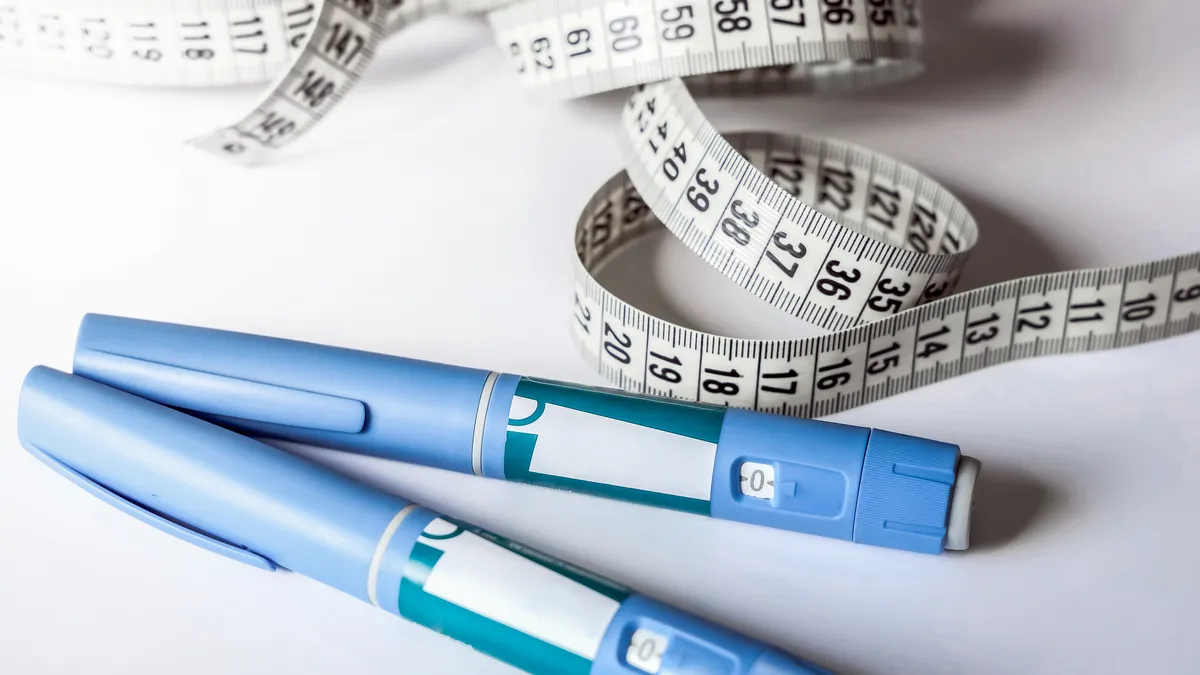
Lilly has also taken the lead in the booming international market, claiming 53.2% compared with 46.8% for its Danish rival Novo. Sales of Mounjaro, sold as Zepbound for obesity, more than doubled to $8.7 billion in the first quarter, with more than half of that revenue coming from overseas. Analysts had expected the drug to achieve sales of just over $7 billion in the period.
The company delivered a “blowout quarter,” RBC Capital Markets analyst Trung Huynh wrote in a note to clients. He highlighted a list of medicines that beat analyst expectations, including Mounjaro, Jardiance and Kisunla, which all outperformed consensus estimates by more than 23%.
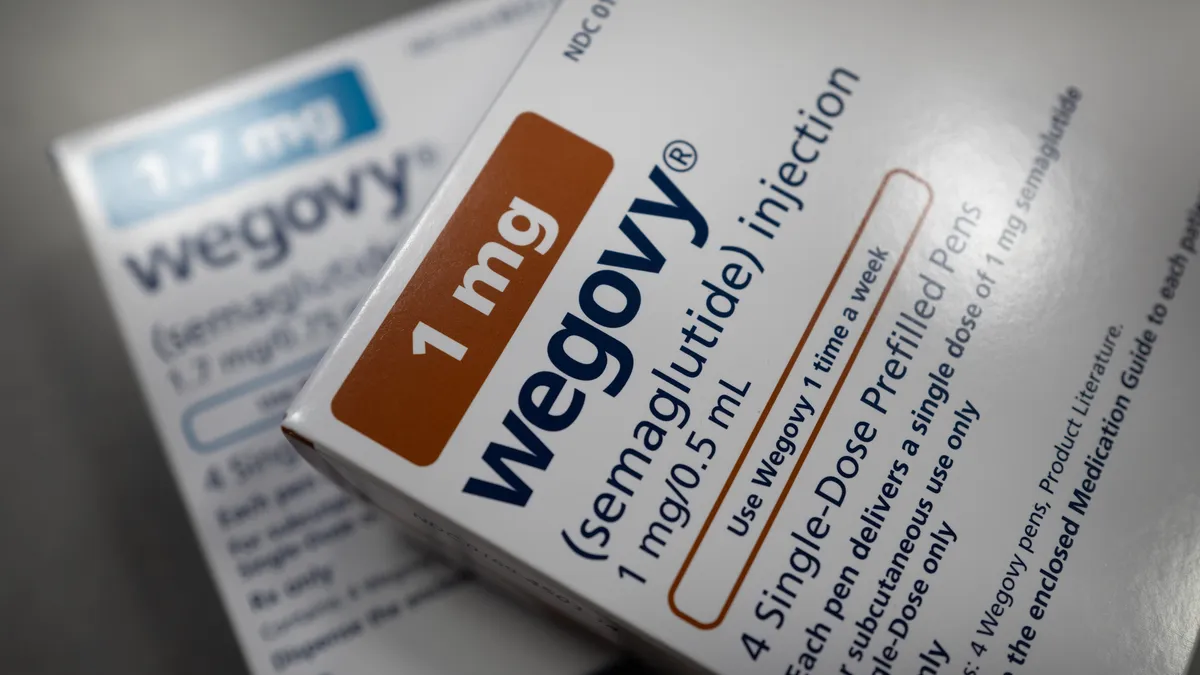
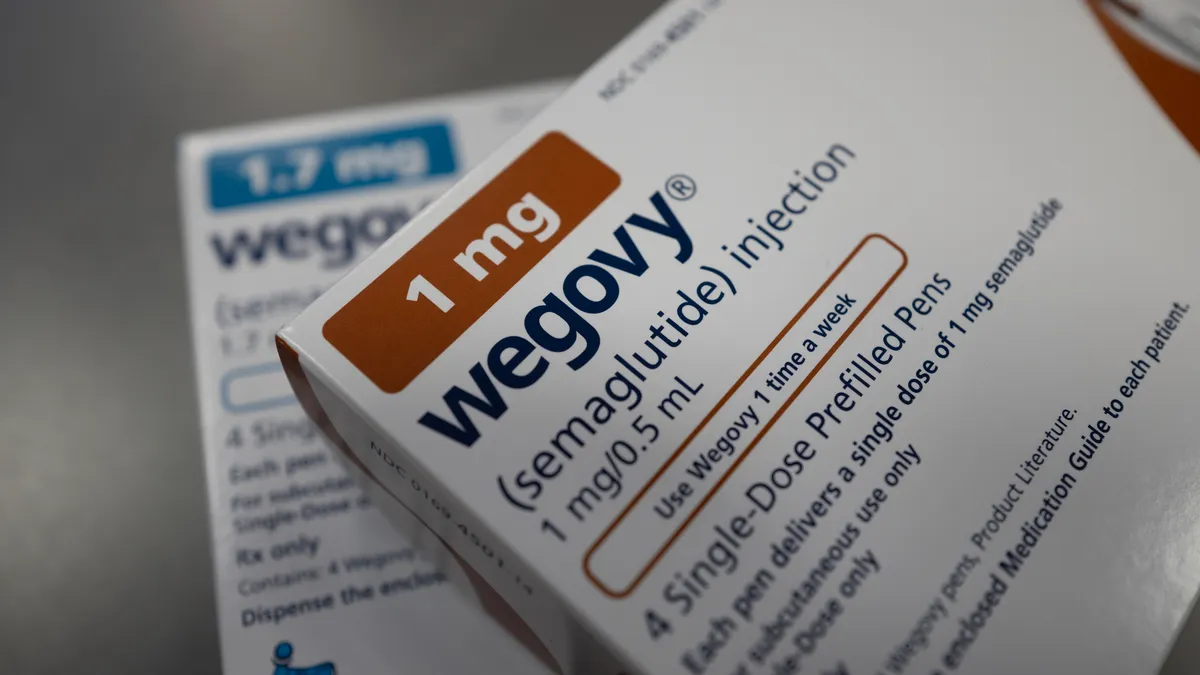
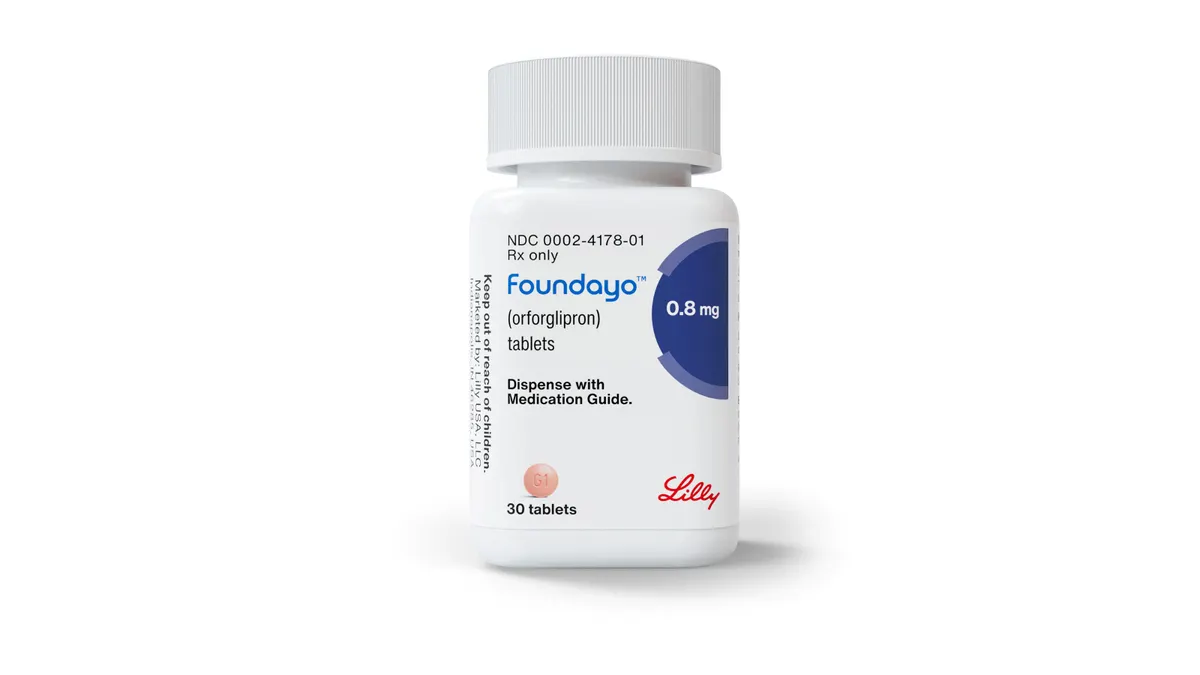
Investors are now focused on Lilly’s new GLP-1 pill, Foundayo, which won Food and Drug Administration approval on April 1. The drug reached the market three months after the oral version of Novo’s Wegovy and has faced skepticism about how well it can compete. Lilly shares dropped last week when early weekly prescription numbers failed to impress investors.
A big question facing both Lilly and Novo is how much the new pills will cannibalize the existing market for their injections. But initial data indicates that many of the people getting prescriptions for the oral options are trying GLP-1 drugs for the first time. Lilly on Thursday said 80% of Foundayo prescriptions are for patients new to the class of medicines.
Lilly CEO David Ricks says he has no doubt that Foundayo is going to be a “big drug” because of the convenience and reach it offers as a pill. “We can market it to every corner of the world,” Ricks told Woodline executive Mike Rockefeller in a recent interview. For people who want to lose 30 pounds, “that’s going to be a great solution, and that’s most people who want to lose weight.”
He’s also not concerned about the lower prices that the company will be offering as part of a deal with the U.S. government. “We’re just scratching the surface on the volume side,” Ricks told Rockefeller. “We’re seeing growth acceleration with price cuts.”
On the company’s earnings call Thursday, Ricks said he’s encouraged by Foundayo’s momentum and noted that regulatory reviews are ongoing in more than 40 countries. Lilly also plans to seek U.S. approval for the pill as a treatment for diabetes in the coming weeks. “We will continue to generate new data for this important new medicine in the quarters and years to come,” Ricks said.