Dive Brief:
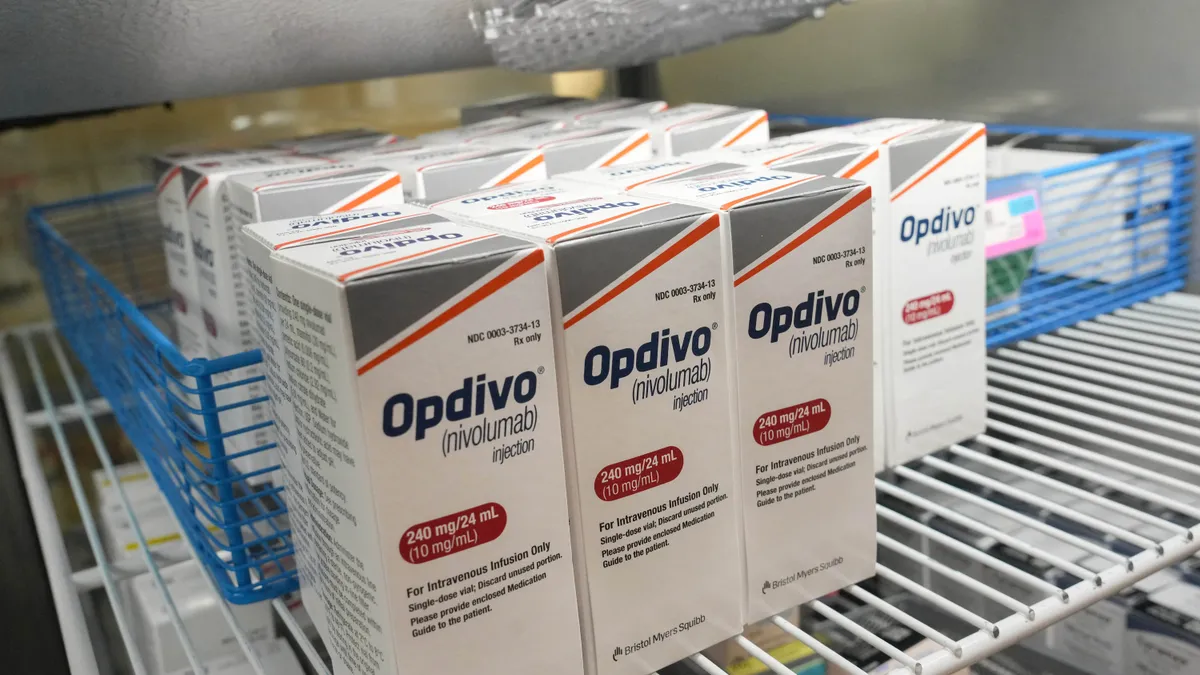
- Eli Lilly’s GLP-1 pill orforglipron was associated with greater weight loss and reductions in blood sugar levels than Novo Nordisk’s rival drug Rybelsus in a head-to-head trial in people with diabetes.
- The study results disclosed Thursday could help strengthen Lilly’s case for approval as well as orforglipron’s uptake in diabetes. But investigators also flagged higher rates of side effects in orforglipron recipients that led people to stop treatment.
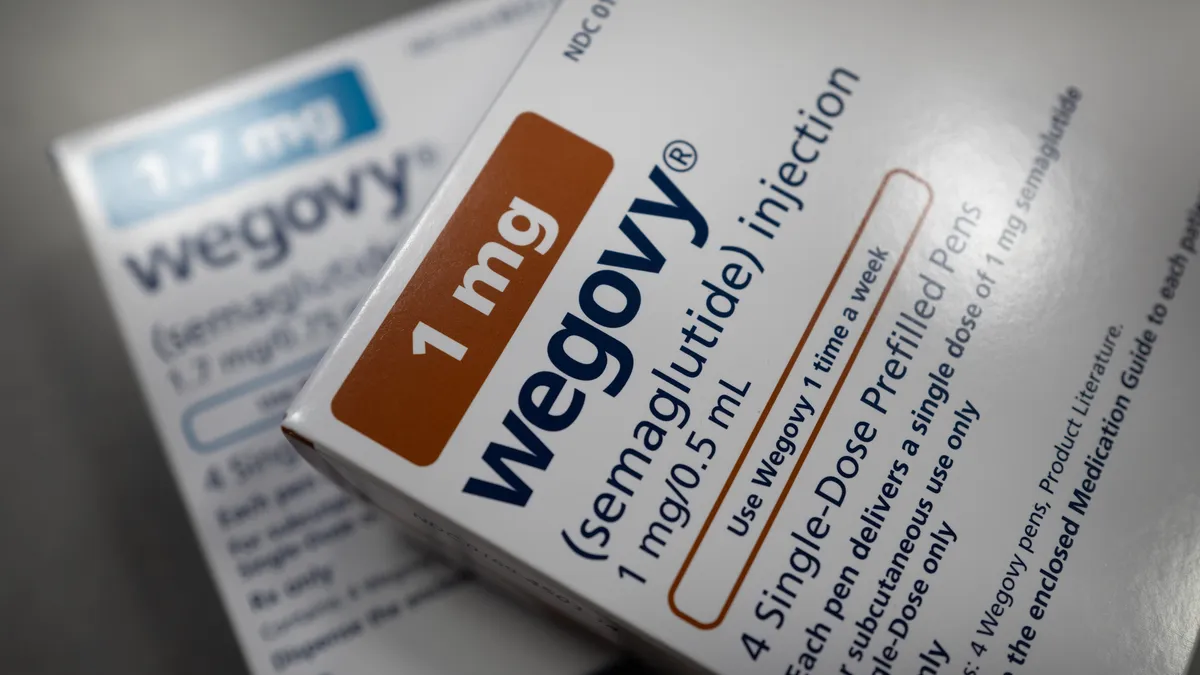
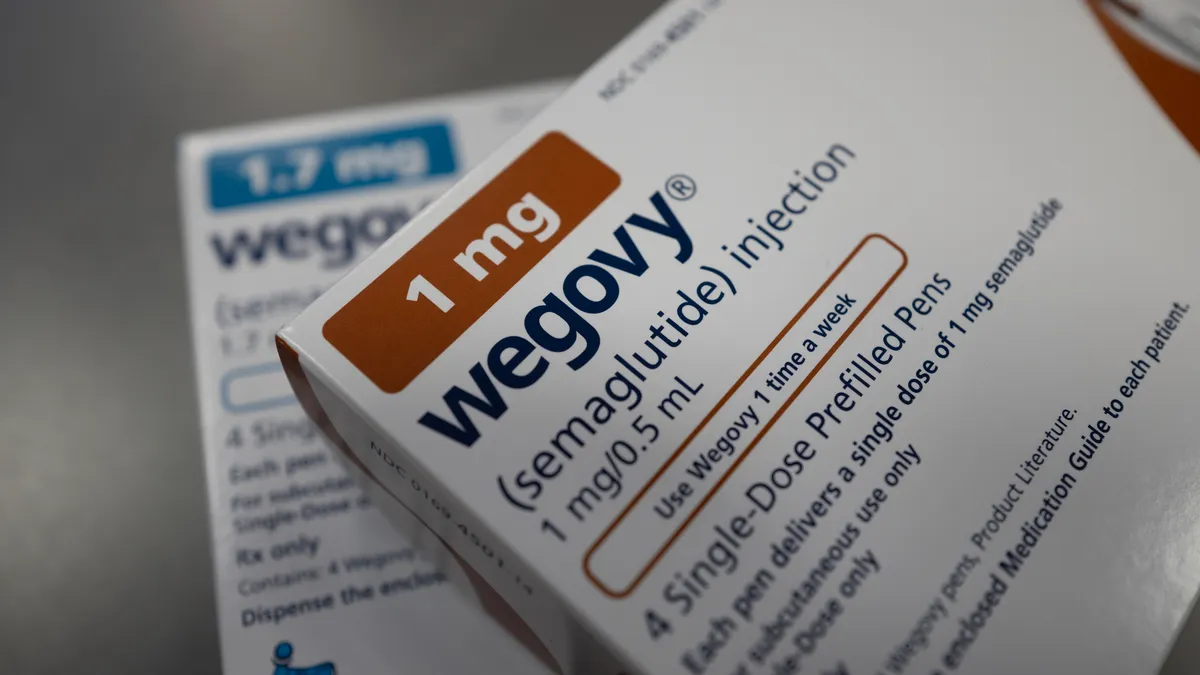
- The data highlight another potential threat to Novo, which has seen its shares tumble amid pricing pressure and competition from Lilly as well as drug compounders. The Denmark-based company markets the only oral GLP-1 medications for diabetes and obesity — Rybelsus and the Wegovy pill, respectively — but that could soon change. Lilly expects the Food and Drug Administration to decide whether to clear use of orforglipron in obesity sometime in the second quarter.
Dive Insight:
Lilly’s trial enrolled nearly 1,700 people with diabetes whose blood sugar isn’t under control with the old pill metformin. Patients were randomized into four equal groups. Two cohorts got either 7 milligram or 14 milligram doses of semaglutide, the active ingredient in Rybelsus. The rest got 12 milligram or 36 milligram doses of orforglipron.
Investigators compared how effectively the high and low doses of each medicine lowered blood sugar levels over the course of a year, first measuring for statistical “non-inferiority” and then “superiority.”
The orforglipron doses passed both thresholds. The high dose of Lilly’s drug lowered blood sugar by an average of 1.9 percentage points, versus 1.5 percentage points for high-dose Rybelsus. A lower dose of orforglipron was also superior, pushing blood sugar down 1.7 percentage points compared to 1.2 percentage points for lower-dose Rybelsus.
Weight loss, a closely watched measure given the looming competition between orforglipron and Novo’s Wegovy pill, also favored Lilly’s drug. The high doses of the two medications spurred weight loss of 8.2% and 5.3%, respectively, at 52 weeks. The lower-dose weight loss totals were 6.1% and 3.9%.
Still, those benefits appeared to come at the expense of higher side effect rates. Among orforglipron recipients, 9.7% and 8.7% in the high- and low-dose arms, respectively, discontinued treatment because of side effects, compared to rates of 4.9% and 4.5% in the Rybelsus arms.
Lilly said it plans to ask the FDA later this year to approve orforglipron in diabetes.
“We're focused on making this option available as quickly as possible," said Kenneth Custer, the head of Lilly’s cardiometabolic health division, in a statement.
The weight loss numbers for orforglipron aren’t quite as strong as its results in obesity. But the participants in Lilly’s obesity trials had a higher average body weight and took the drug for longer.
The doses of semaglutide in the study were also substantially lower than the 25 milligram maintenance dose of the Wegovy pill, making it difficult to draw conclusions about orforglipron’s comparative weight loss effects.
Novo recorded sales of more than $34 billion for all forms of semaglutide in 2025.