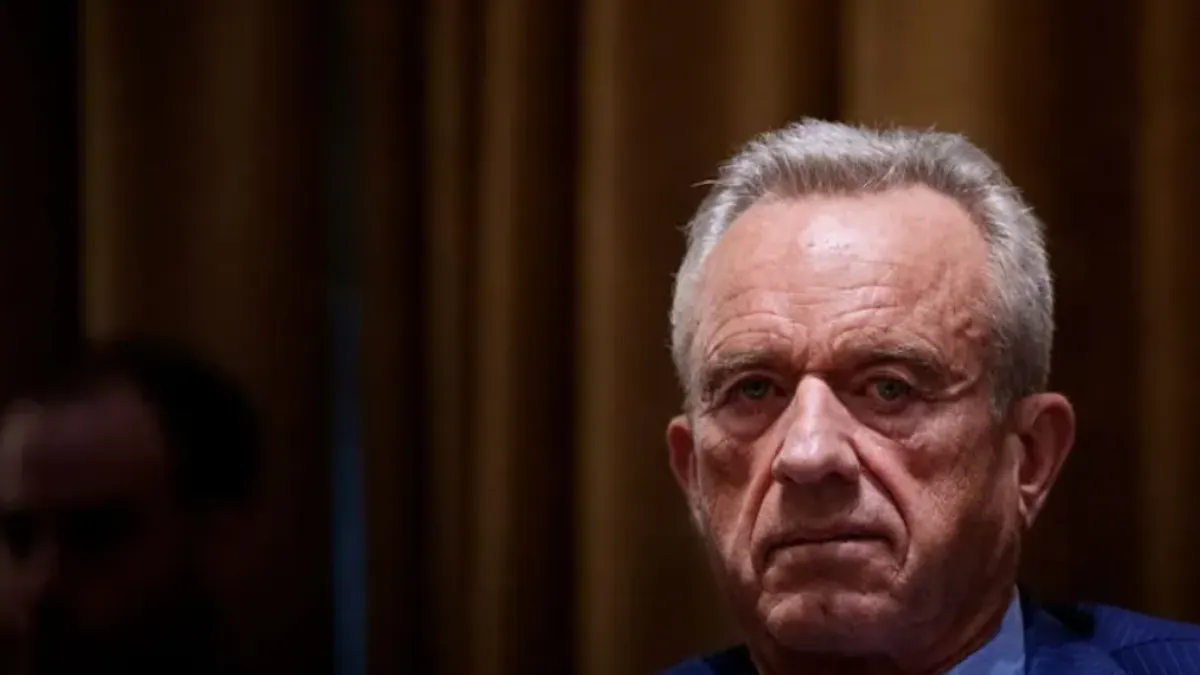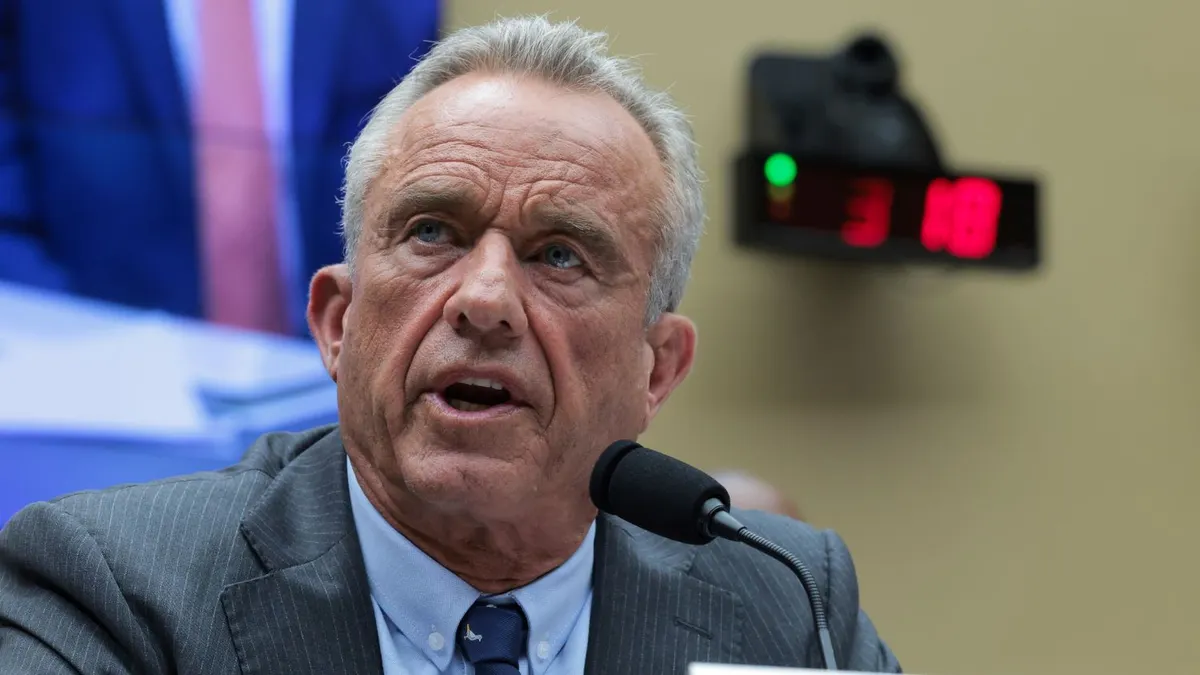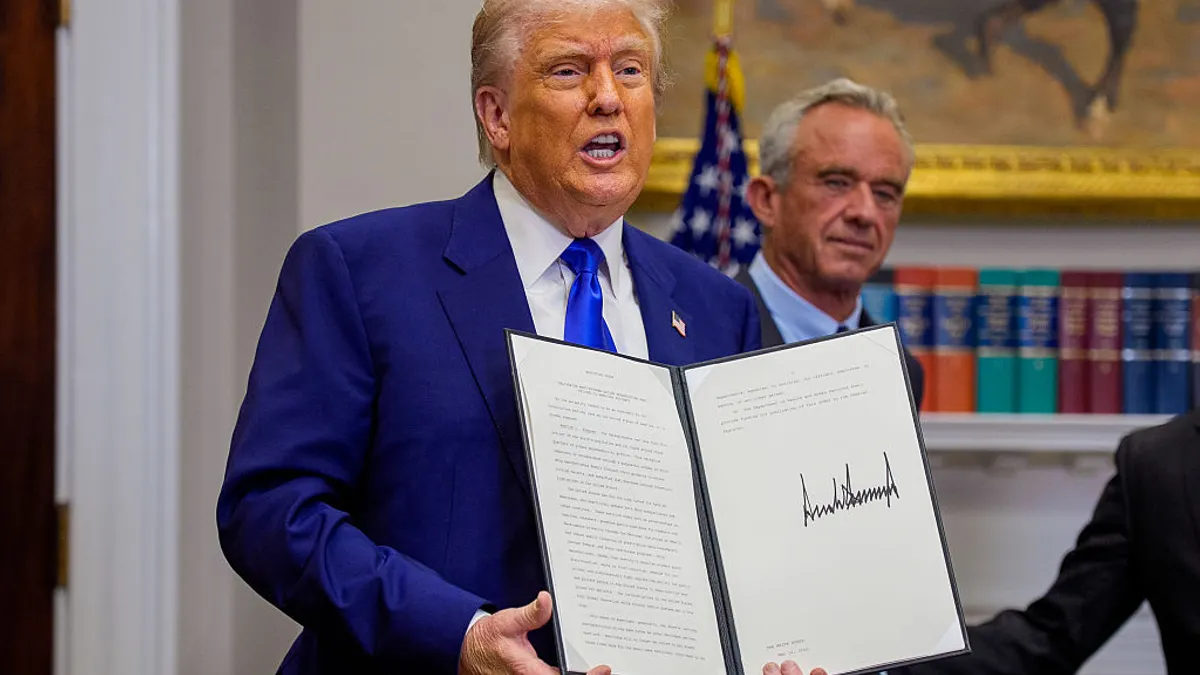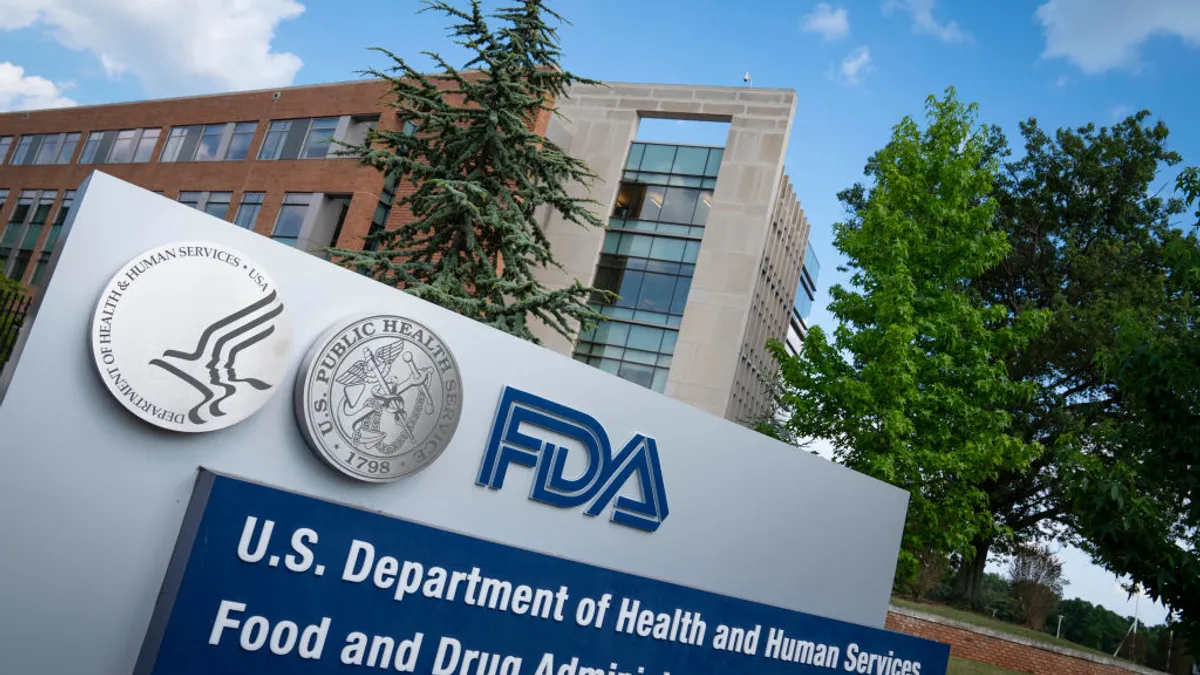
The sudden end of Marty Makary’s tenure as Food and Drug Administration commissioner adds to a leadership void that’s left biotechnology industry watchers anxious about which direction the agency will take next.
With the appointment of Kyle Diamantas as the FDA’s temporary leader, three of the agency’s top positions involving drug reviews and regulation are now manned by people in “acting” roles. All three have a 210-day time limit for authority under federal law.
That deadline makes it likely the FDA will see even more turnover in the near future, as the White House and Department of Health and Human Services Secretary Robert F. Kennedy Jr. seek full-time replacements in the event the current occupants aren’t nominated. The situation also leaves unclear whether the next nominee will carry forward some of the biotech-friendly initiatives Makary endorsed, or take a more antagonistic stance instead.
“The next steps will determine whether the FDA restores scientific depth, institutional credibility, and global confidence — or whether America surrenders its preeminence in biotechnology to competing nations that understand scientific institutions are strategic national assets,” wrote Jeremy Levin, board chair of Ovid Therapeutics and a longtime biotech executive, in a LinkedIn post.
Makary’s term was something of a mixed bag for biotech. On one hand, the former Johns Hopkins University surgeon championed a number of initiatives meant to speed drug reviews, cut wasted time between drugmaker-agency meetings and prop up rare disease research. A new “national priority” voucher program has been cutting certain drug evaluations down to weeks instead of many months. The “plausible mechanism” pathway provides a practical framework for “bespoke” therapies that might otherwise not be developed. And the adoption of AI as well as a move to approve more drugs on one, rather than two pivotal trials, were both intended to move medicines through a lengthy approval process more quickly.
But Makary’s tenure was also marred by an apparent uptick in delayed reviews, surprise policy shifts, constant leadership upheaval and, at times, politically-driven decision making. Alleged flip-flops on regulatory guidance and a tough stance against several rare disease treatments — many of which involved his former top deputy Vinay Prasad — frustrated executives and dampened investor enthusiasm in genetic medicine. He and Prasad also simultaneously erected higher standards for newer vaccines, imperiling future research.
Along the way, the FDA lost a considerable amount of scientific expertise. Seasoned officials like Peter Marks, Richard Pazdur, Rachael Anatol and Jacqueline Corrigan-Curay, among others, left key positions at the agency’s top drug review offices, taking years of experience and institutional memory along with them.
Despite the constant turmoil, Wall Street analysts pointed out in research notes following Makary’s resignation that his presence had at least given the FDA “nominal stability” that’s coincided with a significant run-up in company shares. Index funds closely correlated with the sector’s health have reached levels this year not seen since biotech’s pandemic peak about five years ago.
While the overall impact of some of Makary’s initiatives were unclear, they at minimum “provided a constructive tone” and a “favorable backdrop” for biotech, striking a “mostly appropriate balance between forward-thinking and scientifically defensible,” wrote RBC Capital Markets analyst Brian Abrahams.
The prospect of more leadership turnover, then, makes it tougher to invest in a space like biotech where “such long development timelines necessitate [long-term] regulatory visibility,” he added.
Much will then depend on who is chosen as the next nominee. Abrahams noted how, given his background, Diamantas is likely only to be an interim chief. The potentially “political” motivations behind Makary’s resignation suggest his successor may be “more directly responsive to political pressure and permissiveness,” which would “diminish” the FDA’s stance as an independent regulator.
A careful approach in selecting the next nominee could ease some of those concerns, added Stifel analyst Paul Matteis. The situation “could end up being good for biotech,” but the “range the potential range of outcomes here feels wide,” he wrote.
Matteis speculated that the administration might want a new leader that’s “more flexible,” given the backlash the agency faced after several drug rejections. But it’s unclear “who’s making the call,” and there could be a number of political factors involved, such as a candidate’s stance on vaccines or even vaping, he wrote.
“Our hope is that Congress' voice in the process should create some inclination away from controversial or outside-the-box appointees in the midst of an election year,” Matteis added.