Advisers to the Food and Drug Administration have thrown their support behind an experimental flu shot from Moderna, heightening the chance that the vaccine could soon complete a dramatic regulatory turnaround.
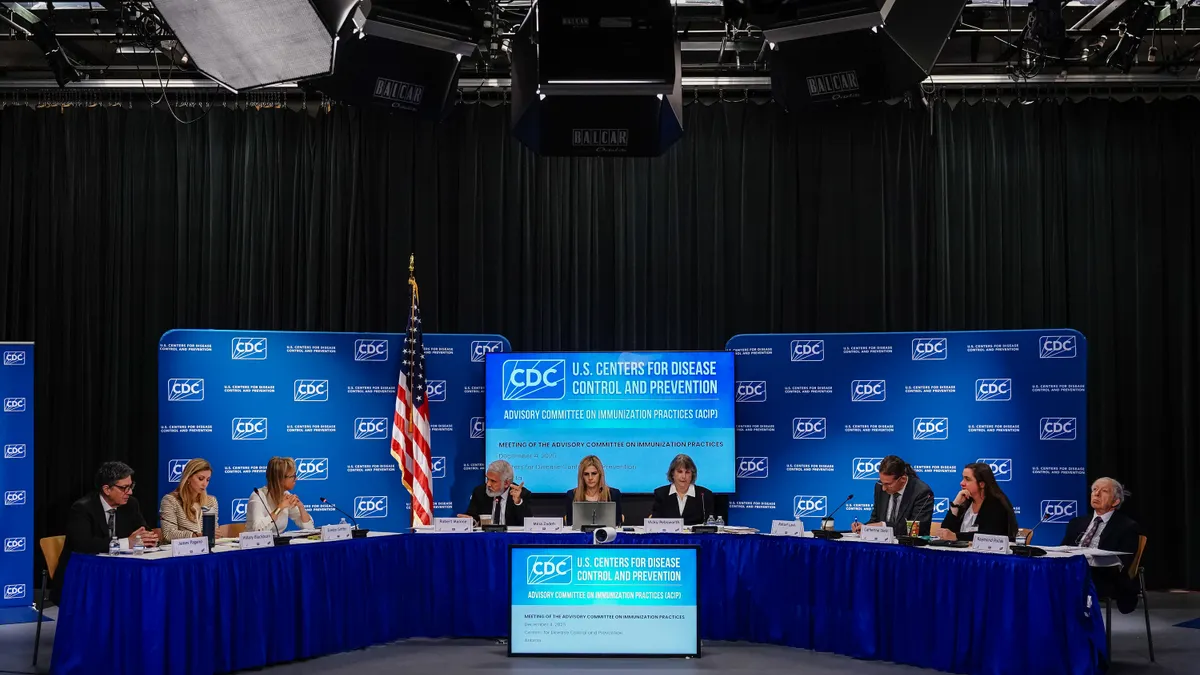
By a unanimous, 9-0 vote, panelists concluded that the benefits of vaccination with Moderna’s mRNA-1010 outweigh the risks in adults between 50 and 64 years of age. Panelists separately all voted that the shot appeared similarly beneficial for adults aged 65 and older. Moderna is seeking standard approval for mRNA-1010 in the former group and an accelerated approval in the latter. A decision is expected by Aug. 5.
"The studies that were presented today were very well conducted. They have very clear results that are very robust," said Flor Munoz-Rivas, a panelist and associate professor of pediatrics and infectious disease at Baylor College of Medicine. Should the FDA approve Moderna's shot, the U.S. will be "better prepared for emerging strains or pandemic strains in the future."
“The data were very convincing," added Stanley Perlman, a pediatric disease expert at the University of Iowa. "Putting it all together, the benefits outweigh the problems, the risks, in my opinion"
The FDA does not always follow its panelists' advice, but it typically does.
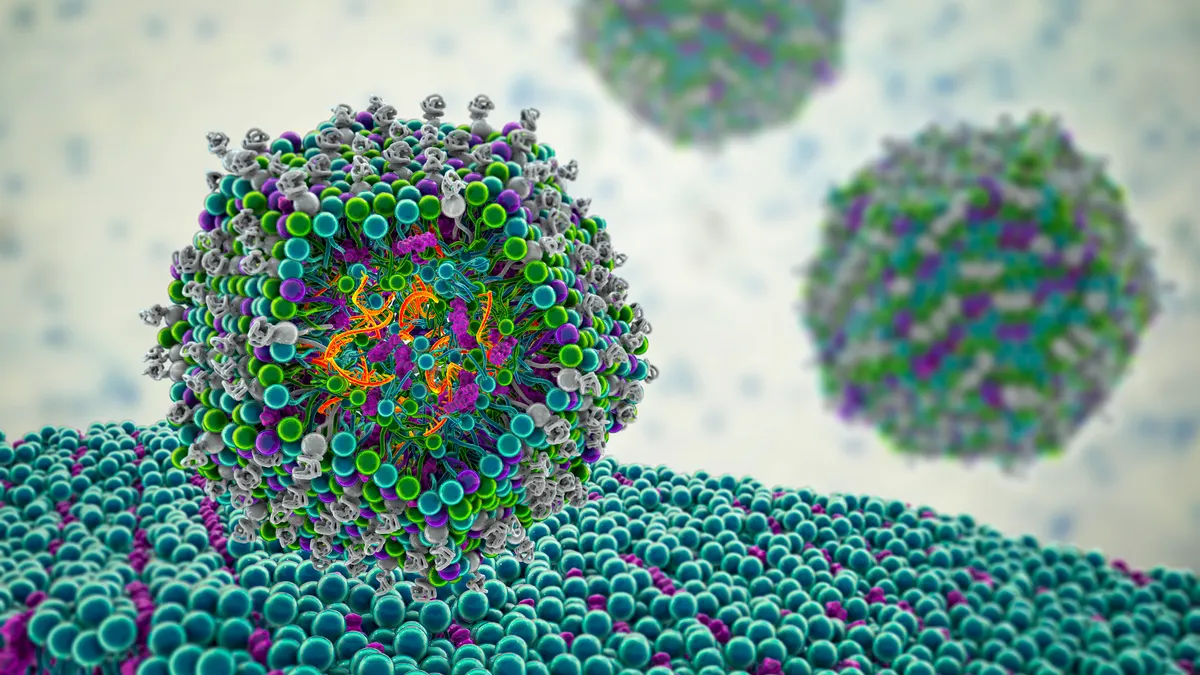
Like the rest of Moderna’s work, mRNA-1010 is built around messenger RNA technology with the kind of speed and manufacturing advantages that make it uniquely capable of battling emerging viral threats. Moderna rocketed to stardom by using that technology to develop a COVID-19 shot, and has long aimed to follow with another one for seasonal influenza — for which a speedily-made vaccine could be tailored to a given year’s prominent strains. Yet development hasn’t been straightforward, and Moderna even got in an unusual public dispute with the FDA along the way.
Moderna has been working on mRNA-1010 as well as a combination shot for COVID and flu. The biotech originally sought approval for the dual-acting vaccine until the agency last year requested more data from its influenza component.
After gathering that information, Moderna sought U.S. approval of mRNA-1010 alone. But in an unorthodox move, the agency declined to even review the application, with Vinay Prasad, the FDA’s top vaccine official at the time, contending that Moderna’s study wasn’t adequately controlled. Moderna published the letter along with a statement claiming the FDA had both backtracked on previous communications and went against established guidance for flu shots. The FDA quickly reversed course following public backlash and a formal meeting with Moderna.
Since then, Prasad as well as former commissioner Marty Makary — both of whom had enacted stricter regulatory standards for certain vaccines — have left the agency. And on an interim basis, they’ve been replaced by what appears to be more traditional leadership. Already, a few drugs that had been rejected under Makary’s leadership have received a new chance, suggesting a shift in regulatory decision-making.
Moderna’s case is now next in line. The company’s application is based on results published in the New England Journal of Medicine showing that the shot reduced the likelihood of influenza illness by 27% when compared to a standard-dose flu vaccine in adults 50 years of age or older.
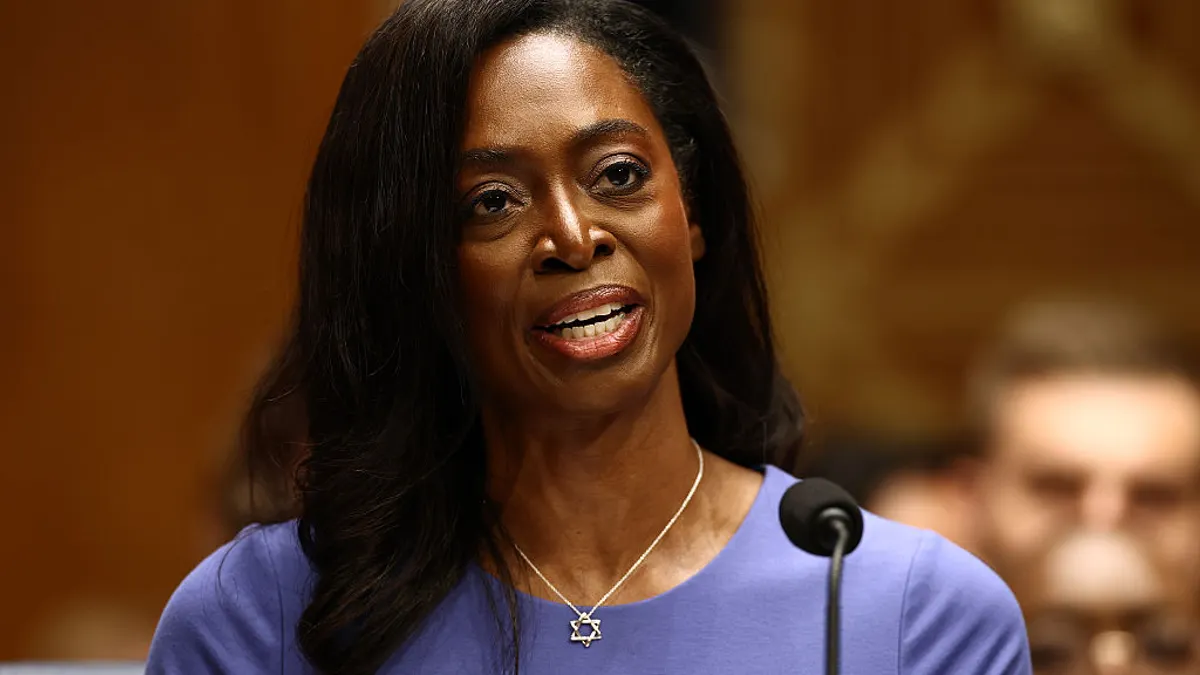
The performance of current flu vaccines is “variable,” said Rituparna Das, Moderna’s head of infectious and rare disease clinical development, at Thursday’s meeting. Moderna’s shot could “address important limitations” and improve protection in “a population that continues to experience substantial influenza burden.”
Ahead of the meeting, FDA staff reviewers expressed concerns with what they considered to be gaps in the evidence supporting mRNA-1010’s benefits. Moderna accumulated efficacy data over the course of only one flu season, and didn’t clearly prove the vaccine’s effectiveness in frail older adults as well as immunocompromised individuals. Moderna also didn’t have data in people also receiving other respiratory vaccines, nor did it definitively establish efficacy against the influenza B strain, staff reviewers wrote.
Still, multiple Wall Street analysts interpreted those arguments as a positive sign for Moderna. The documents revealed that the FDA identified “no major deficiencies,” boosting confidence in mRNA-1010’s approval prospects, wrote William Blair analyst Myles Minter in a Tuesday note. In a separate note, Leerink Partners’ Mani Foroohar, described the FDA analysis as indicative of a “less-harsh regulatory stance.”
At the meeting, panelists voiced reservations about the trial’s short window and the small number of confirmed influenza B cases. That result occurred because of the severity of the 2024-2025 flu season. Moderna was aiming to evaluate efficacy after 836 cases and expected to accrue them over a longer period of time. It quickly captured 968 cases instead.
“We did miss an opportunity to really understand the performance of the product pre-licensure,” said panelist Hana El Sahly, professor of molecular virology and microbiology at the Baylor College of Medicine, during the meeting. “There’s a particular issue when a study is cut short,” she added.
Yet that issue didn’t lead any panelists to vote against Moderna’s vaccine. One reason is that Moderna has agreed to the framework of a confirmatory trial that could help compile the evidence that’s currently lacking. That study is meant to help verify mRNA-1010’s benefits in the elderly and those with weakened immune systems, and will involve up to 800,000 participants over the course of two flu seasons.
This “very well planned and large” study will “address important questions,” Munoz-Rivas said.
No serious safety concerns were identified by either Moderna or FDA staff reviewers. Still, adverse reactions consistent with mRNA vaccines were recorded in the trial, including fatigue, joint pain and muscle aches. Given the public’s divisive reaction to mRNA shots in the wake of the pandemic, FDA panelists were adamant that the messaging about mRNA-1010’s positive impact will be important for uptake.
“At least anecdotally, the same people who seem to have systemic reactions to the COVID vaccine seem to have them again,” El Sahly said. “We really need to be able to message why people should get this vaccine.”
Das, of Moderna, said the company is working ahead of time with vaccinators to make sure they are educated on the data.
“There's benefits and risks, and we do believe the benefits outweigh the risks,” she said. “But the communication is quite important.”