Odyssey Therapeutics, a maker of medicines for autoimmune disorders, has brought in $279 million through an initial public offering that’s been more than a year in the making.
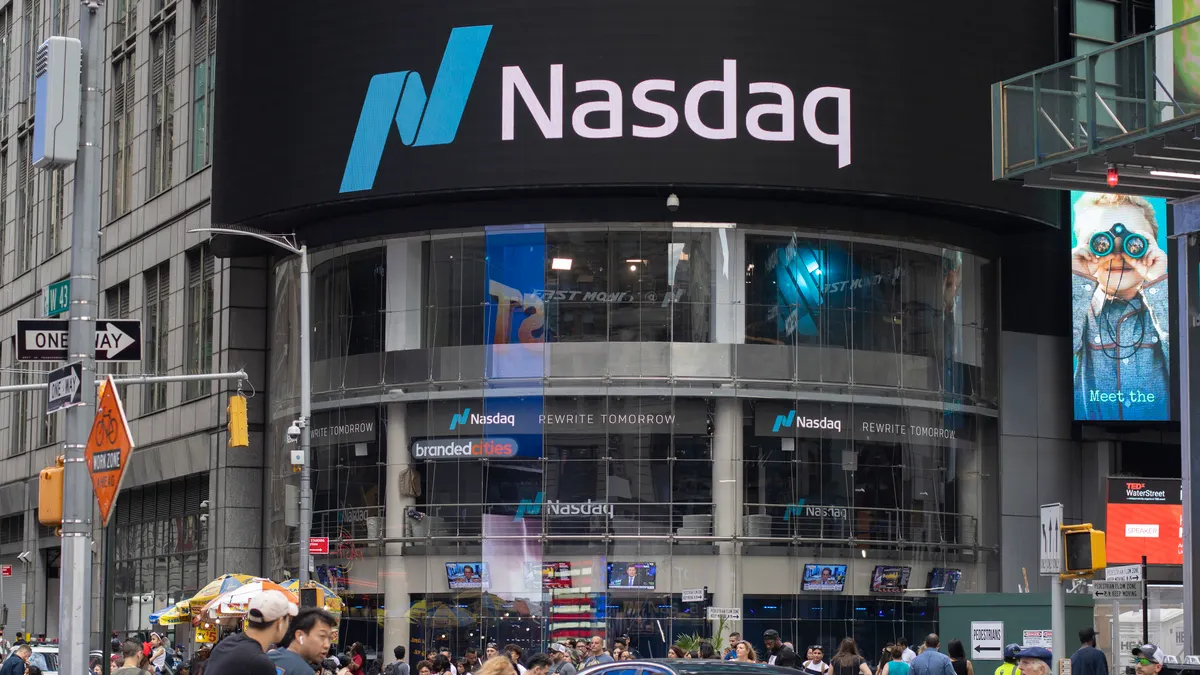
Selling 15.5 million shares at $18 each, Odyssey on Thursday raised more than what it expected and became the latest drug company of late to top $250 million in IPO proceeds. The company also added another $25 million to its haul via a concurrent private stock sale at the IPO price. Odyssey is now the 11th biotech company to go public so far this year, according to BioPharma Dive data, and will start trading on the Nasdaq stock exchange on Friday under the ticker symbol “ODTX.”
Odyssey is led by Gary Glick, a biotech veteran who’s led multiple drug startups that were later acquired. Glick launched the company in 2021 with backing from the likes of OrbiMed and SR One, and it’s since netted $727 million in venture funding.
The startup planned a Wall Street run in early 2025 only to change course a few months later. In a Securites and Exchange Commission filing last June, Glick wrote it was “not in the best interests” of Odyssey to go public “at this time.” The company reeled in $213 million in a Series D round three months later instead. Only 11 drugmakers went public in 2025, the lowest total since at least 2018, BioPharma Dive data show.
Of late, though, biotech companies have fared a bit better. While the pace of offerings in 2026 remains in line with what’s been seen in most years since 2022, the size of those IPOs has jumped considerably — a sign of investor demand. Six of the 11 companies to price this year have raised more than $300 million in their initial stock sales, a figure not often seen in recent years. Including Odyssey, the immunology-focused biotechs to go public in 2026 have secured $879 million in IPO proceeds, dwarfing the $174 million banked by the three immune drugmakers that debuted in 2025.
Additionally, more than half of the biotechs that priced this year are currently worth more than their offering price. One company, Veradermics, has seen its stock price climb more than six-fold since its debut.
“The more data points we have about IPOs being successfully executed and performing well in the after markets validates that this part of the overall funding cycle is working,” said Simeon George, the co-founder of SR One, Odyssey’s top shareholder and an investor in two other companies to go public this year.
Odyssey is developing inflammatory disease treatments that target the “innate” immune system, the body’s frontline defenders. In its prospectus, Odyssey noted how current autoimmune therapies tend to focus on parts of the “adaptive” response instead, a strategy that has “fundamental limitations” such as leaving key disease drivers unaffected and broadly suppressing the immune system. Aiming at innate immune targets might address those issues, the company said.
The company’s lead program, OD-001, blocks the signaling protein RIPK2, a component of the innate immune system that can trigger inflammatory bowel disease as well as resistance to existing treatments. Odyssey believes this approach can impact the “core pathology” of IBD and could help “break the current therapeutic ceiling” in the disease. OD-001 is currently in mid-stage testing as a monotherapy for ulcerative colitis, and Odyssey expects to start a combination study with Takeda Pharmaceutical’s Entyvio later this year.
Odyssey has five other experimental treatments in its pipeline for conditions such as atopic dermatitis and chronic obstructive pulmonary disease, though none have entered human testing. One that’s being evaluated for lupus and other B cell-mediated autoimmune conditions could start a Phase 1 trial next year.