Regeneron Pharmaceuticals is putting more money into gene editing, announcing Monday a partnership with Tessera Therapeutics to develop an experimental program for a rare liver and lung disease.
At the center of the deal is a treatment Tessera, a well-funded startup backed by Flagship Pioneering, is developing for alpha-1 antitrypsin deficiency. Regeneron is paying Tessera $150 million upfront, in the form of cash and an equity investment, to collaborate on the program and split future development costs and profits. Tessera could receive another $125 million in unspecified near and mid-term development milestone payments.
Tessera will lead the initial first-in-human trial, with Regeneron taking the reins for future development and eventually commercialization.
Alpha-1 antitrypsin deficiency, or AATD, is a rare genetic condition that can cause lung and liver disease, such as chronic obstructive pulmonary disease and cirrhosis. The disorder is typically caused by a mutation in a gene called SERPINA1 and that provides instructions for a protective protein known as alpha-1 antitrypsin, or AAT.
Treatment options for AATD are limited, don’t reverse existing damage and largely only affect the disease’s impact on the lungs. As a result, the disease has become a top target among drugmakers in recent years. Several companies are pursuing a variety of technological approaches, from RNA editing to base editing and RNA interference. Some have suffered clinical setbacks.
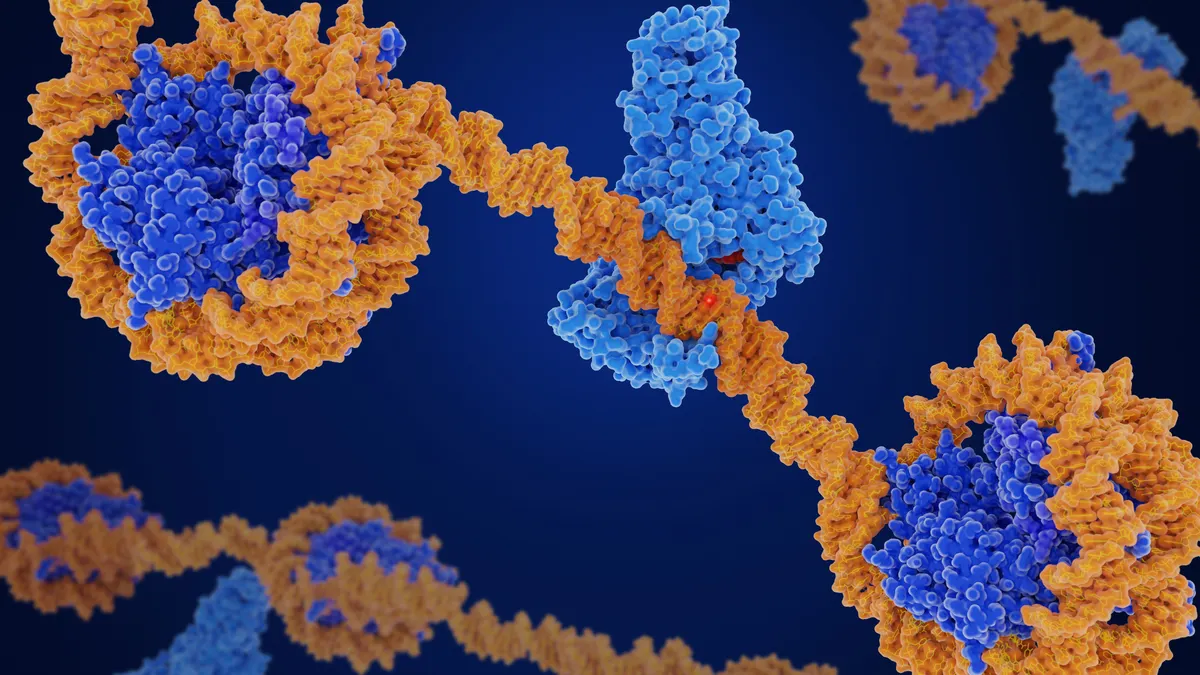
Tessera’s program, TSRA-196, is designed to precisely correct the underlying genetic mutation in AATD and durably restore production of the AAT protein through a one-time treatment. It’s also an “in vivo” gene editing treatment that does its work inside the body, rather than via a laborious process that involves manipulating cells in a lab.
“Alpha-1 antitrypsin deficiency is a serious disease with limited treatment options today and is particularly well suited for Tessera’s gene editing approach. Together with Tessera, we have an opportunity to pioneer new frontiers in genetic medicine and redefine what is possible for AATD patients,” said George Yancopoulos, Regeneron’s chief scientific officer, in a statement.
TSRA-196 is in early research, however. Tessera presented preclinical data earlier this year and expects to ask U.S. regulators by the end of 2025 to begin human testing.
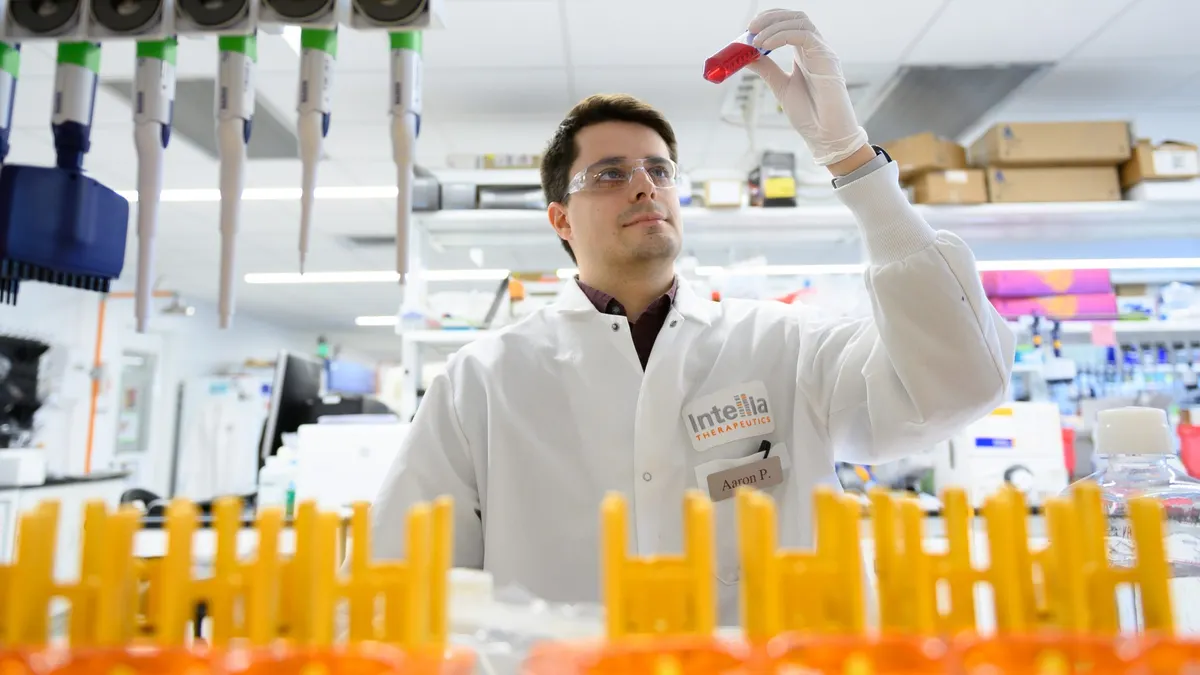
Though Regeneron is best known for the eye drug Eylea, it’s made genetic medicine a focus in recent years. Deals involving companies like Intellia Therapeutics, ViGeneron, Decibel Therapeutics and Mammoth Biosciences have given the company a pipeline of gene therapy and gene editing medicines. One of those treatments, for a rare type of inherited hearing loss, could soon get to market.
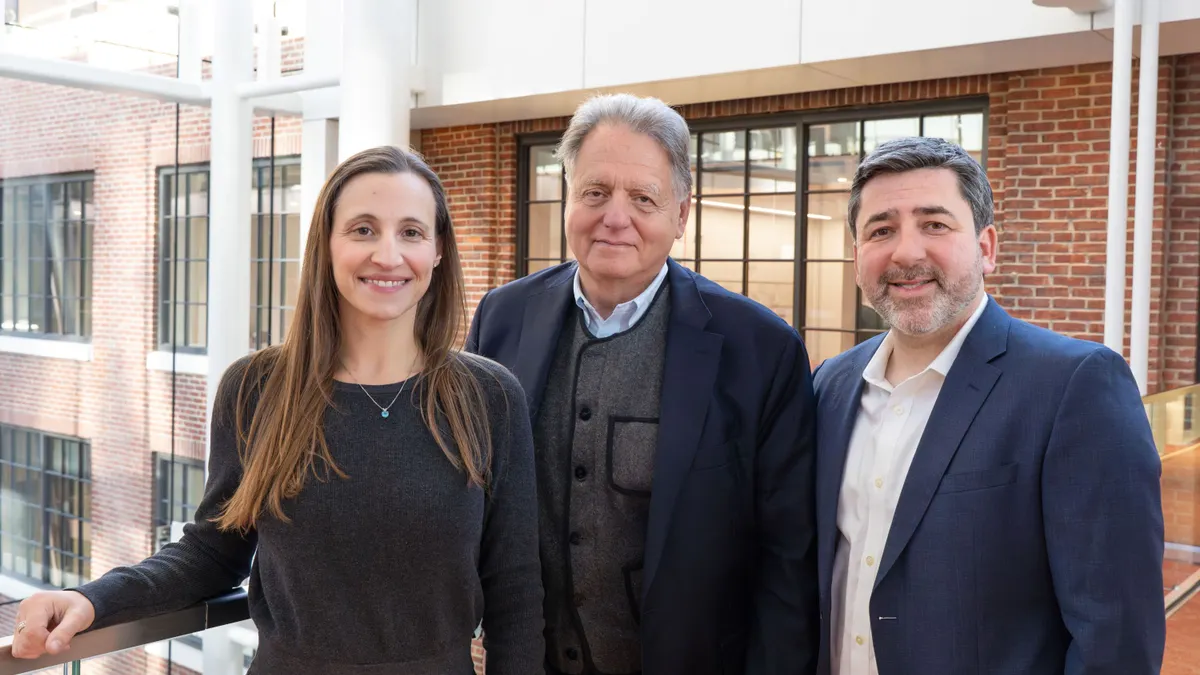
Tessera, meanwhile, is led by former AbbVie executive Michael Severino and has raised more than half a billion dollars in private funding since its inception.