Today, a brief rundown of news involving Replimune, Revolution Medicines and Merck KGaA, as well as updates from Eli Lilly, Otsuka Pharmaceutical and Definium Therapeutics that you may have missed.
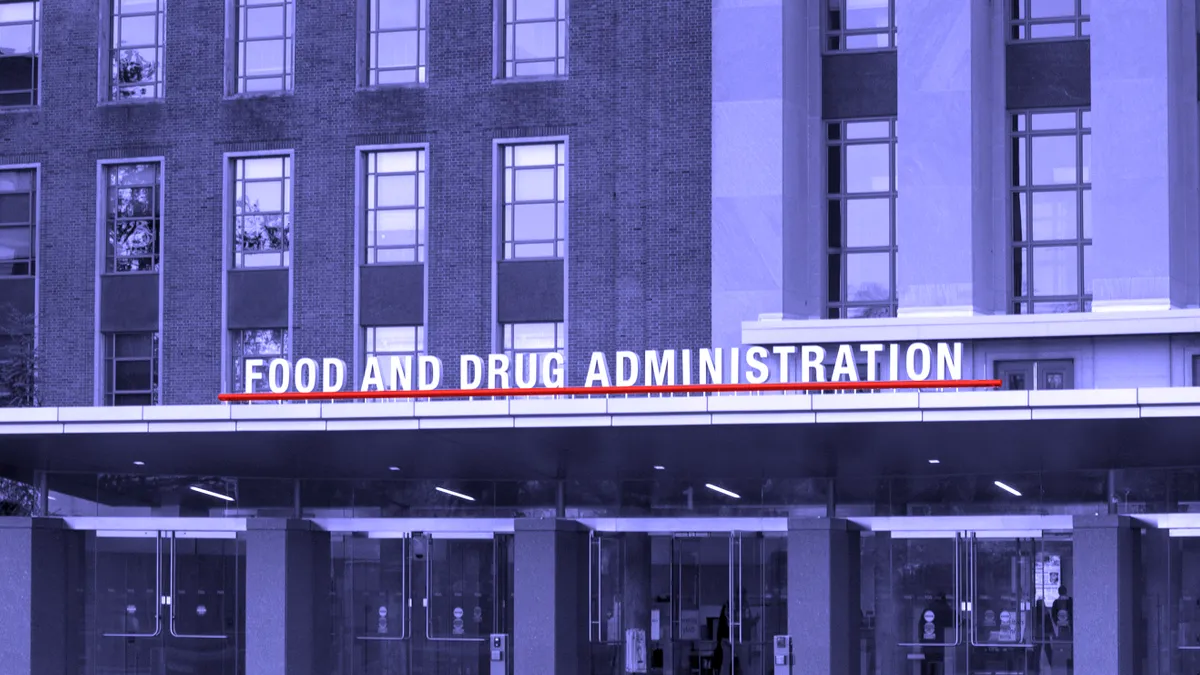
On Friday, Replimune said that the Food and Drug Administration has accepted the resubmission for its cancer drug RP1, with a decision expected by Aug. 2 and an advisory committee set to convene in July to discuss the twice-rejected application. The latest move is another signal of the changing attitude of the FDA, which was accused of moving the goal post or providing conflicting feedback to companies, leading to delayed or rejected applications under the now-exited leaders Marty Makary and Vinay Prasad. Multiple other companies that faced hurdles under the prior leadership are now gaining new chances for their applications. — Delilah Alvarado
Revolution Medicine outlined data from Phase 2 trials of its second RAS-blocking cancer drug, “zoldonrasib,” showing it can shrink or eliminate tumors in pancreatic cancer patients when combined with chemotherapy or Revolution’s lead drug, daraxonrasib. In the chemo-combo trial, 82% of enrollees with RAS-mutated disease who got zoldonrasib and one type of chemotherapy regimen as a first-line treatment responded, as did 61% who got the experimental drug plus another type of chemo. In the trial that combined the two Revolution drugs in a second- or third-line setting in RAS-mutated enrollees, 50% of patients in the second-line setting and 47% in the third-line setting saw their tumors shrink or disappear. The data are scheduled for presentation at the European Society of Medical Oncology Gastrointestinal Cancers meeting next week. Revolution just began dosing patients in a Phase 3 trial with the chemo combination, and is planning to begin a daraxonrasib-zoldonrasib Phase 3 trial later this year. — Jonathan Gardner
Germany-based Merck KGaA is spending more than $11 billion to acquire Bio-Techne, a U.S. life-sciences analytics and diagnostics provider, the companies said Thursday. Per deal terms, German Merck will pay $73 per share in cash, a 36% premium to Bio-Techne’s average price over the past month. Merck KGaA executives stated the transaction will help build the company’s life science business that serves drugmakers with materials and manufacturing by adding protein analysis, biomarker discovery and diagnostics capabilities. The deal is expected to close later this year, pending regulatory and shareholder approval, and Merck KGaA will finance it with a combination of cash on hand and new debt. — Jonathan Gardner
Psychedelic drug developer Definium Therapeutics is issuing $805 million worth of stock, proceeds from which will go toward research and development of its pipeline, and potential commercialization of its candidate DT120 against major depression. The public offering closing announced Thursday comes just a few days after the company unveiled positive late-stage results of DT120, an LSD-based oral drug. The company is still awaiting data from a second pivotal trial. — Delilah Alvarado
Eli Lilly is widening a research collaboration with China-based Abbisko, paying an undisclosed upfront fee and pledging up to $1.9 billion in potential payouts based on achievement of development and commercial milestones for drugs developed under the agreement, Abbisko said Tuesday. The two companies will work on “multiple targets, advancing novel drug candidates with global potential,” growing from work from a deal signed in 2022 on “discovery, development, and potential commercialization of a novel small-molecule therapeutic.” Abbisko has established deals with multiple drugmakers, including Merck KGaA and AstraZeneca, with the former company seeking FDA approval for a medicine called pimicotinib that’s part of their deal. — Jonathan Gardner
Otsuka Pharmaceutical’s experimental drug met its primary endpoint in a late-stage trial of adults with ADHD and comorbid anxiety, showcasing “statistically significant and clinically relevant improvements” when compared to placebo, the company said Thursday. Compared to placebo, centanafadine — a norepinephrine, dopamine, and serotonin reuptake inhibitor — had improved ADHD after eight weeks, as measured by a rating scale. The Phase 3b trial enrolled 315 adults. The experimental therapy is currently under regulatory review in the U.S. as a treatment for ADHD in children and adults, with a decision target of July 24. — Delilah Alvarado