Dive Brief:
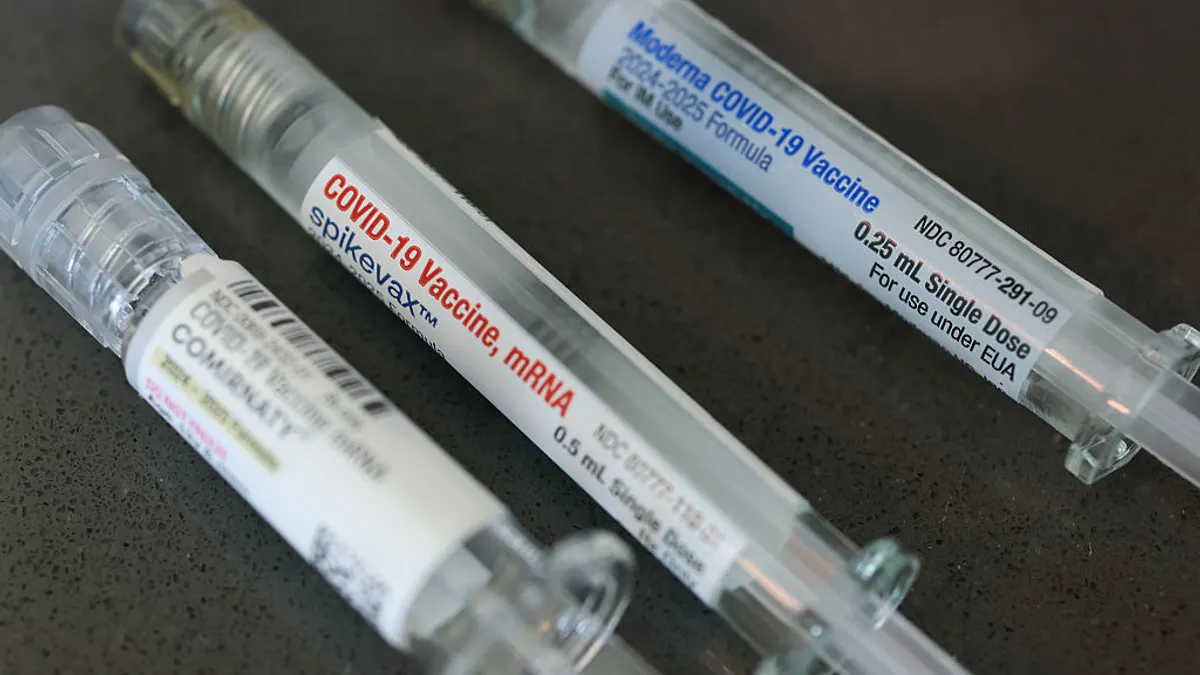
- Vaccine sales for French pharmaceutical company Sanofi dipped in the fourth quarter amid shifting U.S. policy and rhetoric that’s leading to declining immunization rates.
- In disclosing annual earnings Thursday, Sanofi revealed that its fourth-quarter vaccine sales declined 2.5% and that it anticipates “slightly negative growth” for its shots in 2026. Those calculations came despite better-than-expected global performance for its flu shots, which came during “a massive increase in terms of influenza and hospitalization across the north hemisphere,” Thomas Triomphe, Sanofi’s executive vice president of vaccines, said on a conference call.
- Flu vaccine performance, though, was offset by falling numbers for other immunizations, including a shot for meningitis and its preventive RSV antibody Beyfortus. Still, Sanofi is committed to investing in vaccines and pointed to a pair of acquisitions last year as evidence. Sanofi still maintains its “leadership in influenza and RSV despite a challenging environment,” CEO Paul Hudson told analysts.
Dive Insight:
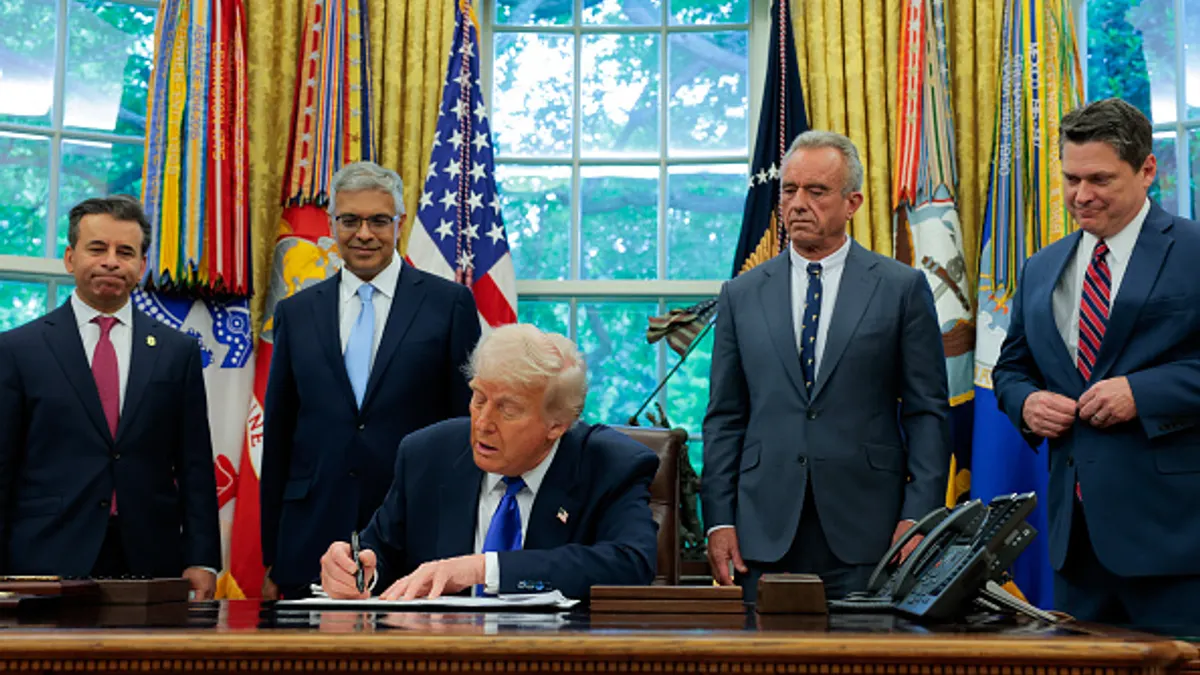
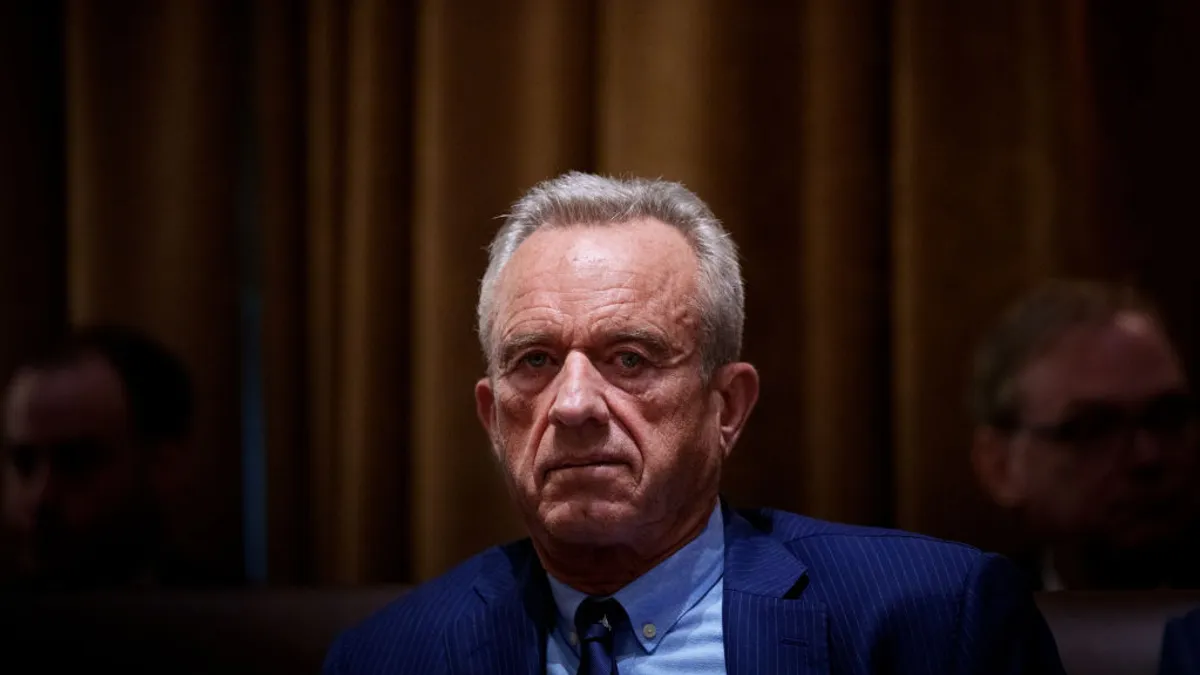
Health and Human Services Secretary Robert F. Kennedy Jr. has helped upend U.S vaccine policy over the last year, in the process dampening the sales performance of multiple companies with marketed products.
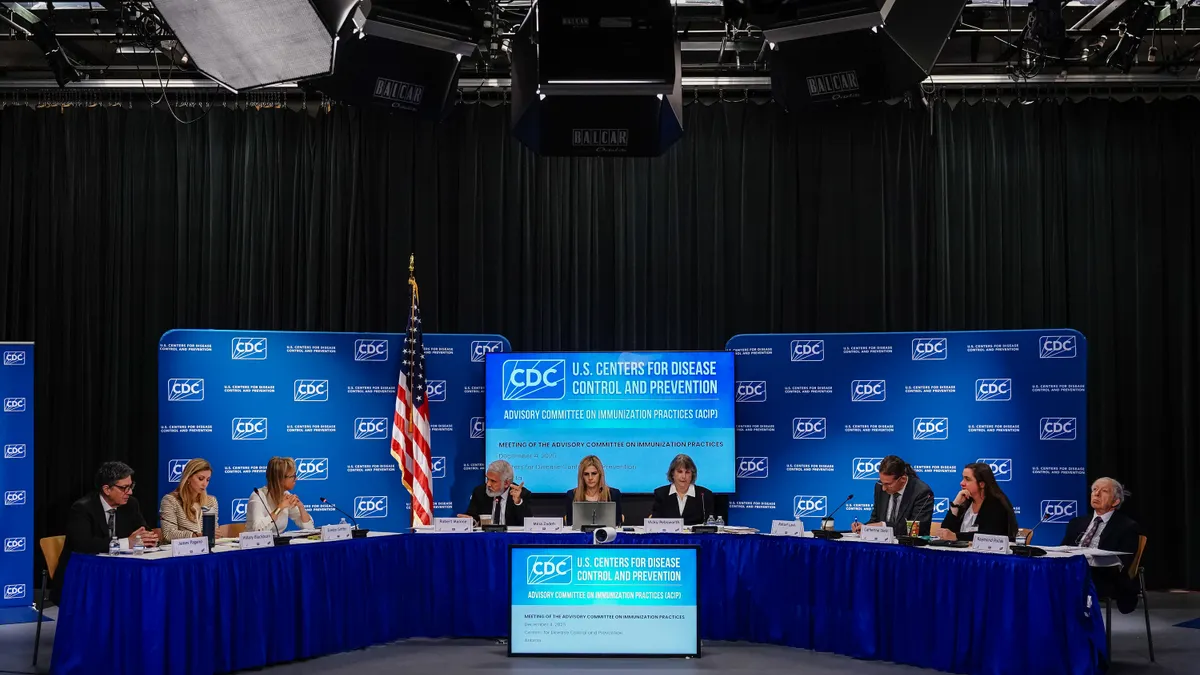
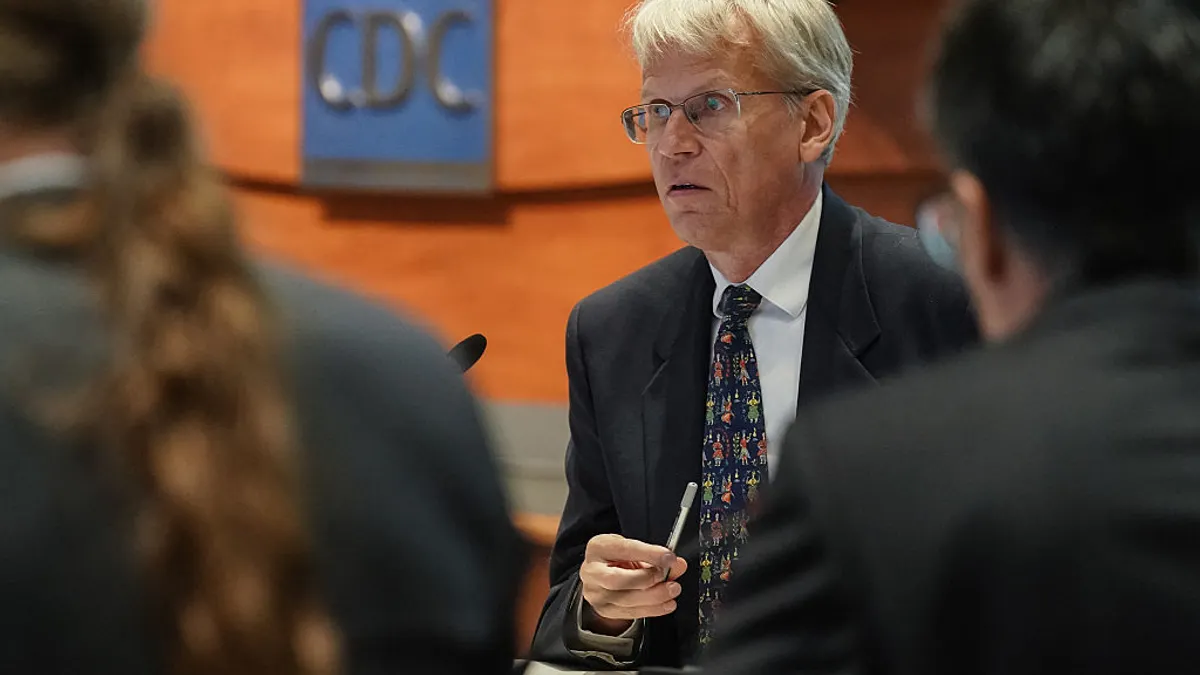
Repeated false claims about the risks of vaccination, combined with an overhaul of the key panel guiding U.S. vaccine recommendations, have increased already growing hesitancy and spurred disease outbreaks. The biggest change came earlier this month, when that panel, in response to a directive from President Trump, dialed back longstanding universal endorsements for childhood vaccinations. The CDC now recommends 11 vaccines over the previous 17, despite a lack of new evidence or public debate to support such a drastic change.
The move has been condemned by several major medical organizations and ignored by others. An immunization schedule released by the American Academy of Pediatrics, for example, has gained backing from other prominent medical groups. Additionally, multiple states are now diverging from federal guidelines and relying on prior recommendations or state frameworks instead.
"There could be some confusion," Triomphe said regarding the climate in the U.S. However, he said all vaccines remain covered by insurance, Medicaid or Medicare, and it’s unclear as of yet what kind of impact the U.S. government’s new recommendations will have on uptake.
The effects will be seen “in the coming months,” Triomphe added. Sanofi should have more clarity on its next earnings call.
Despite those challenges, Hudson noted that Sanofi will still invest heavily in future shots. The company acquired vaccine makers Vice Bio and Dynavax last year, deals that “reinforce our commitment to innovation in vaccines,” he said.