Dive Brief:
- Terremoto Biosciences, a San Francisco-area biotechnology company, on Wednesday announced it raised $108 million from a Series C financing round to help develop its medicines for cancer and rare diseases.
- New investors include RA Capital Management, Deep Track Capital, Osage University Partners and BeOne Medicines. Existing investors OrbiMed, Third Rock Ventures, Novo Holdings and Cormorant Asset Management also participated.
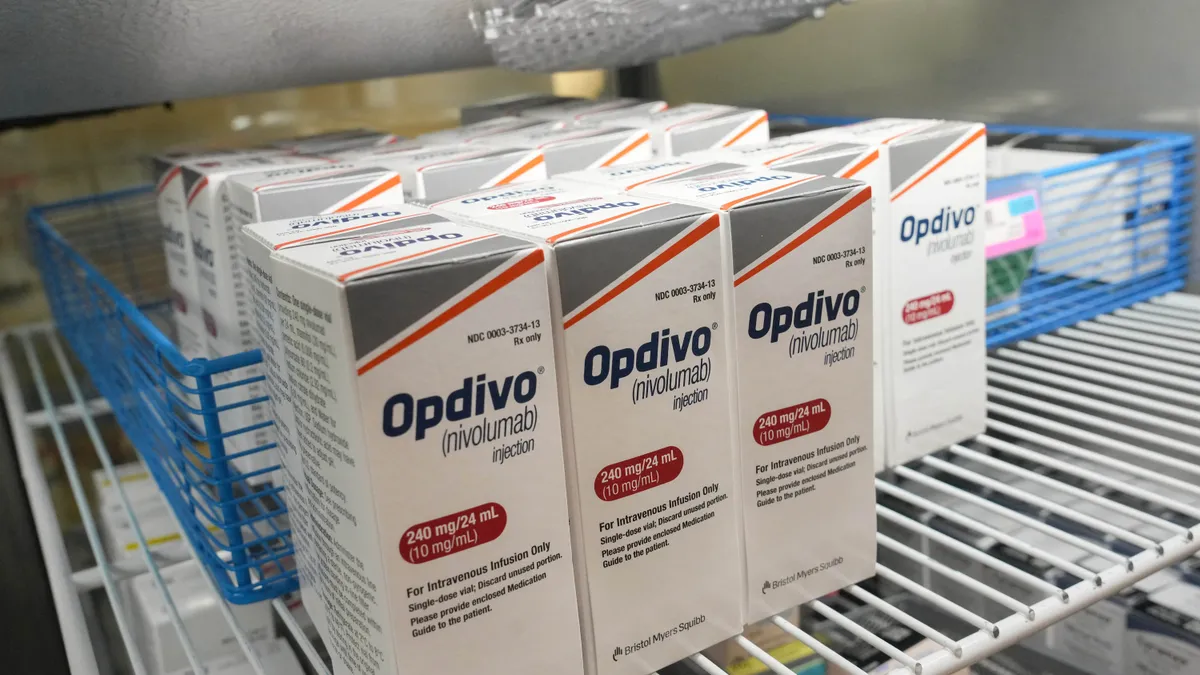
- The latest funding follows a Series B financing that raised $175 million in 2023 and a Series A haul that brought in $75 million the year before. The company is led by Charles Baum, the founder and previous CEO of Mirati Therapeutics, which Bristol Myers Squibb acquired through a $4.8 billion deal that closed two years ago.
Dive Insight:
Terremoto, whose name translates to “earthquake,” trumpets that its science offers a “seismic shift” in drug discovery and development. The company’s goal is to create oral medicines with better efficacy and safety using novel “covalency technologies.”
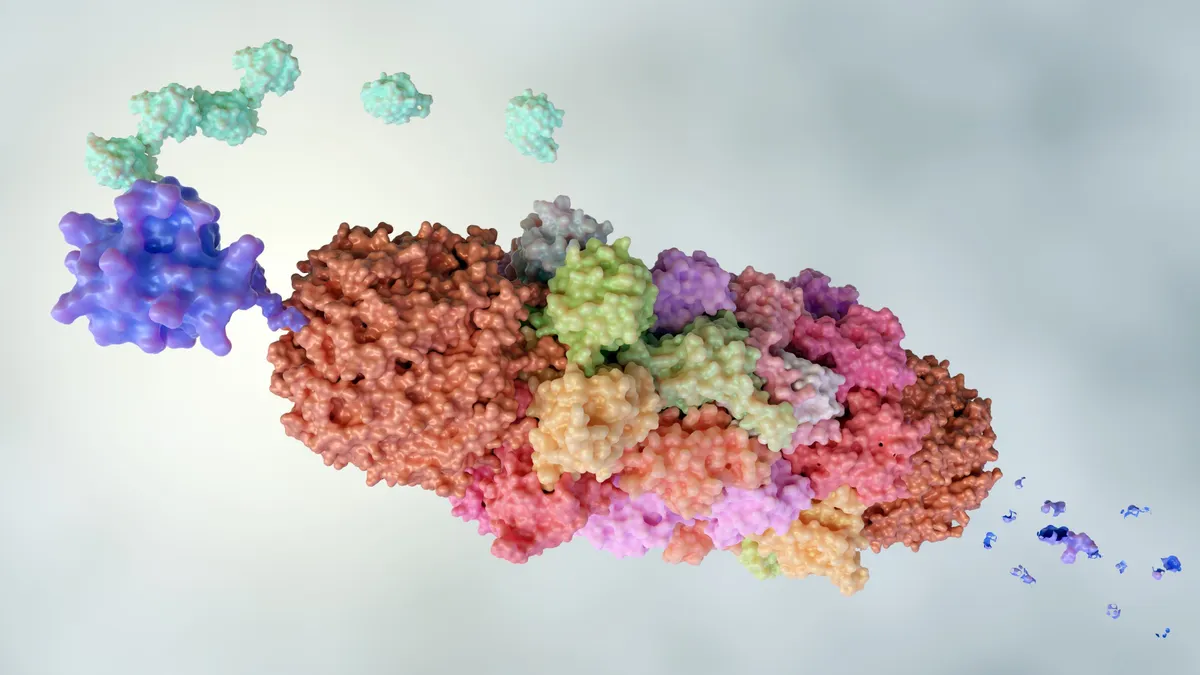
Terremoto focuses on drugs that aim to block an enzyme known as AKT, which regulates cell division, growth and survival. It’s looking particularly at the enzyme’s role in spurring cancer and a rare bleeding disorder known as HTT, or hereditary hemorrhagic telangiectasia.
AKT has drawn the interest of several drugmakers in recent years. AstraZeneca was the first to bring an AKT inhibitor to market, winning Food and Drug Administration approval in 2023 for capivasertib, or Truqap, as part of a combination treatment for certain breast cancer patients.
Roche, meanwhile, moved a medicine called ipatasertib into Phase 3 trials, but gave up on it three years ago following mixed results in cancer studies.
Terremoto hopes its drug offers better and longer response times with fewer side effects than others in its class. Researchers are testing the biotech’s lead therapy, TER-2013, in a Phase 1 program for solid tumors that have certain genetic alterations. Another drug, TER-4480, should enter the clinic this year in patients with HHT, the company said. HHT currently has no approved therapies.
Terremoto’s latest financing comes at a time when venture funding rounds for drug developers have grown larger. It’s a signal that these earlier backers are concentrating resources around companies they believe have the best chance at success.
Drugmakers focused on cancer, like Terremoto, have been particularly popular, drawing in roughly $15 billion from the most prolific life sciences venture capitalists over the past four years, according to data compiled by BioPharma Dive.