TRexBio, a life sciences startup developing treatments for immune conditions, announced Tuesday it raised $50 million in an extension of its Series B round to bankroll testing of its atopic dermatitis drug, among others. Its experimental treatment TRB-061 is in Phase 1 testing, with results expected as soon as 2027.
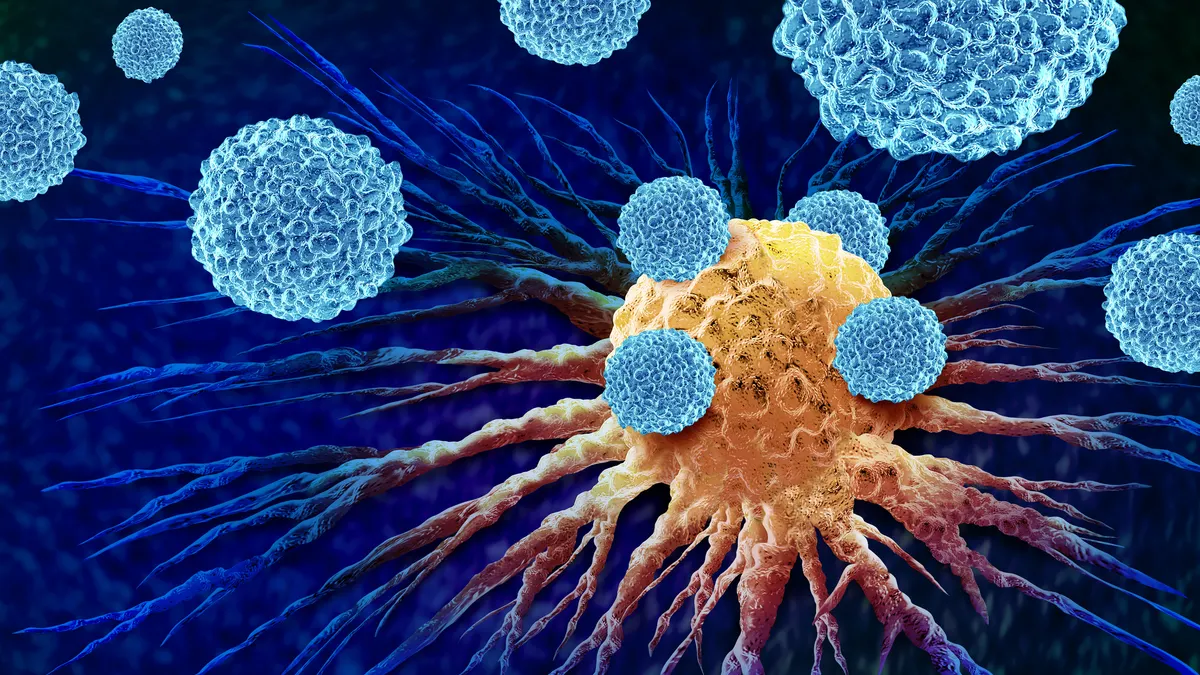
TRex's technology is based on the activation of regulatory T cells, also known as Tregs, which control inflammation and tissue healing. Several biotechs are studying how to manipulate Treg cells into suppressing overactive immune responses. TRex is looking to activate specific types of Tregs with its drugs.
TRB-061, for instance, goes after a protein involved in inflammation called tumor necrosis factor receptor 2. TRex theorizes that by pursuing TNFR2, which is highly expressed on malfunctioning Tregs in atopic dermatitis, it can control the disease without broadly suppressing the immune system like existing eczema drugs.
The company is also planning to launch two other drugs, TRB-071 and TRB-081, into early human testing next year for unspecified immune conditions.
“TRB-061 and our other pipeline programs are designed to apply decades of insight into Treg-mediated immune regulation toward a more precise treatment approach to meet significant unmet needs in immune-mediated diseases,” Johnston Erwin, TRex’s CEO, said in a statement.
TRex faces stiff competition in the field. Other biotechs such as Corvus Pharmaceuticals, Apogee Therapeutics and Nektar Therapeutics have next-generation eczema drugs in testing. Sanofi, despite mixed results from a Phase 3 readout, is also expected to file for an approval of its drug amlitelimab, a follow-up to its blockbuster Dupixent.
The financing included funds from nearly a dozen biotech and corporate venture investors such as Janus Henderson Investors, Alexandria Venture Investments and Eli Lilly.
TRexBio last raised $84 million in its initial Series B round in 2024, which it said at the time would be used to fund testing of TRB-061 in atopic dermatitis and ulcerative colitis. That year, the company also received payouts from an immune drug Lilly licensed and began testing, as well as an option exercised by Johnson & Johnson to develop a different anti-inflammatory program.