An emerging area of drug development got more crowded Wednesday, with the debut of a biotechnology startup trying to create new migraine prevention therapies.
Vedana Therapeutics formed in response to an earlier class of migraine-thwarting medicines that first hit the market toward the end of the last decade. These medicines inhibit specific proteins, “CGRPs,” that play a key role in migraines by transmitting pain signals, widening blood vessels and triggering inflammation in the tissues around the brain. While effective for many, a large portion of patients — more than half, by some estimates — don’t respond to, or stop taking, CGRP-blocking therapies.
Vedana wants to fill this treatment gap with antibody drugs aimed at another nervous system protein, “PACAP,” which appears to drive migraines in a similar but distinct way from CGRPs. It’s not alone in that pursuit. The Danish company Lundbeck, through its $2 billion purchase of Alder BioPharmaceuticals in 2019, not only acquired what would soon become an approved CGRP treatment, but also an anti-PACAP drug that has succeeded in multiple mid-stage clinical trials.
Tailing Lundbeck are two more developers: Mentari Therapeutics, which in May announced plans to go public through a reverse merger, and Slate Medicines, a newly formed biotech that’s raised $130 million from blue-chip venture capital firms like RA Capital Management, Forbion and Foresite Capital.
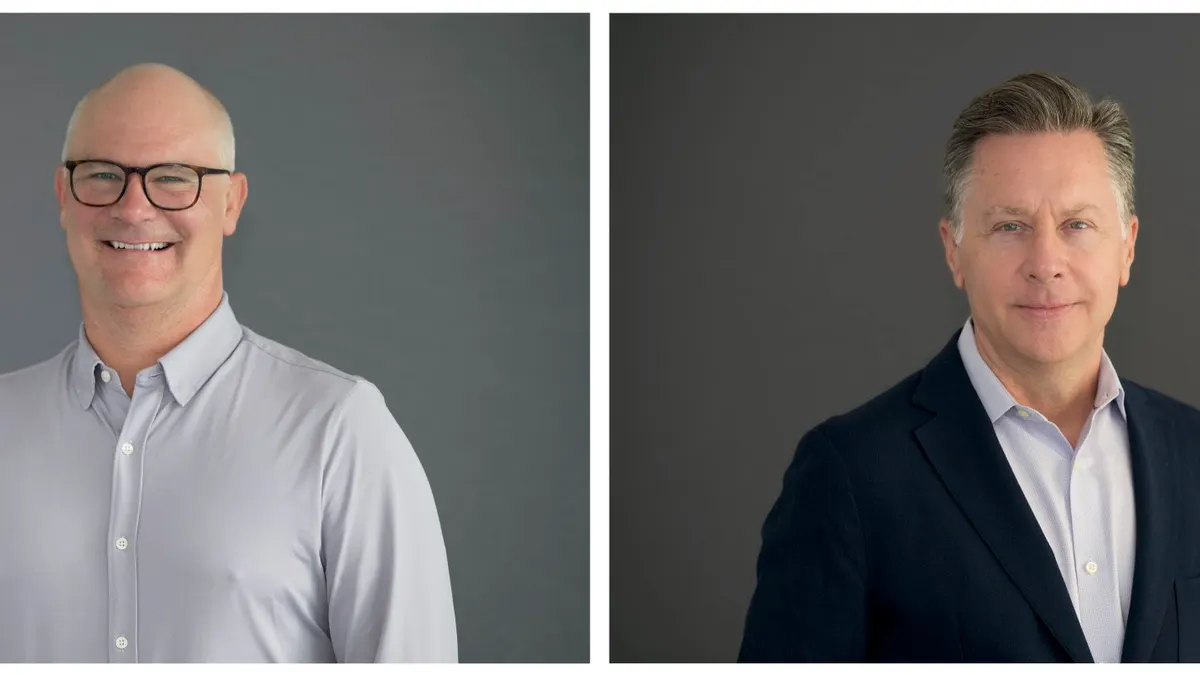
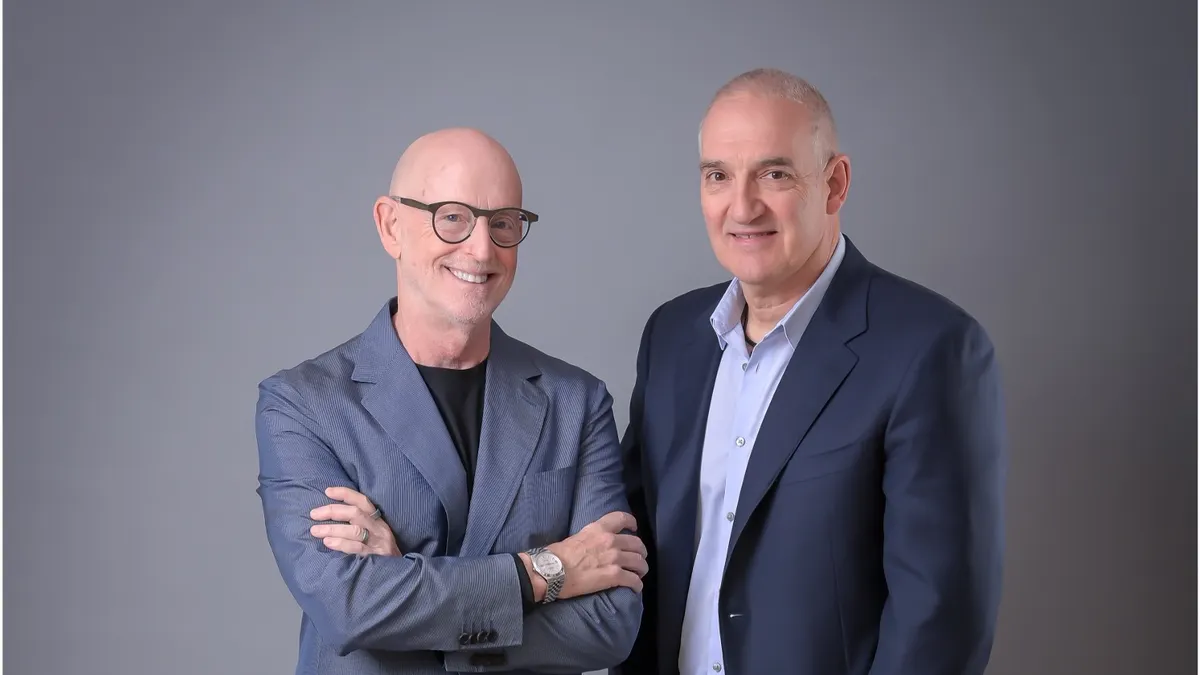
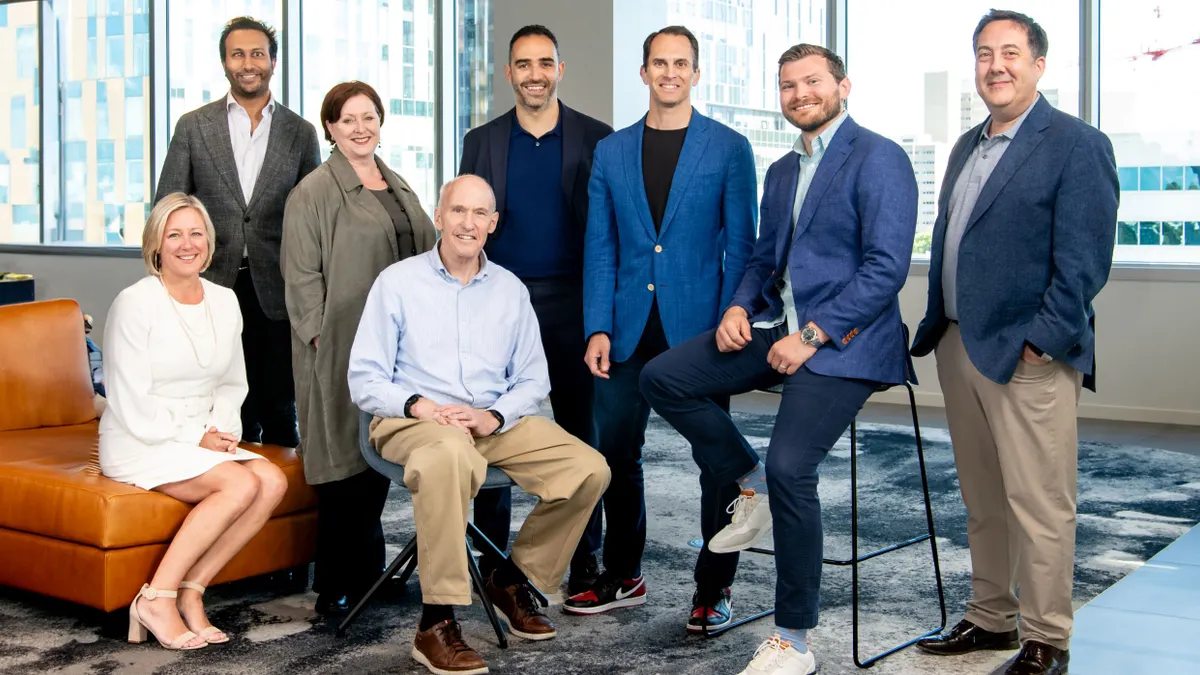
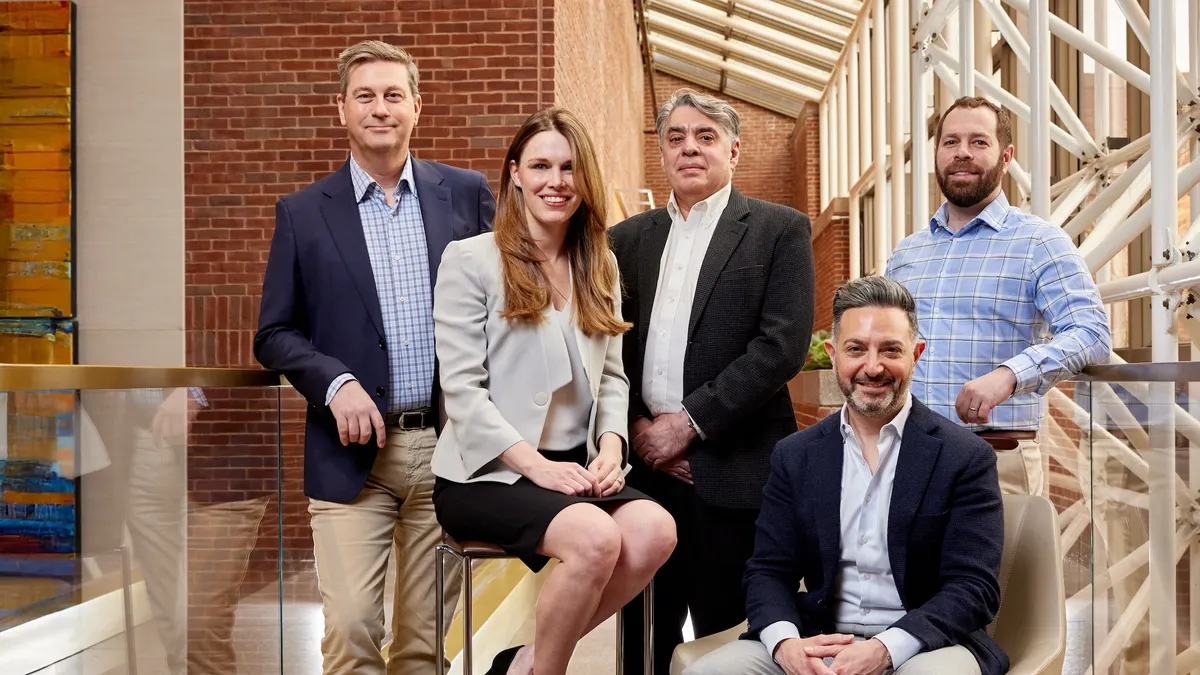
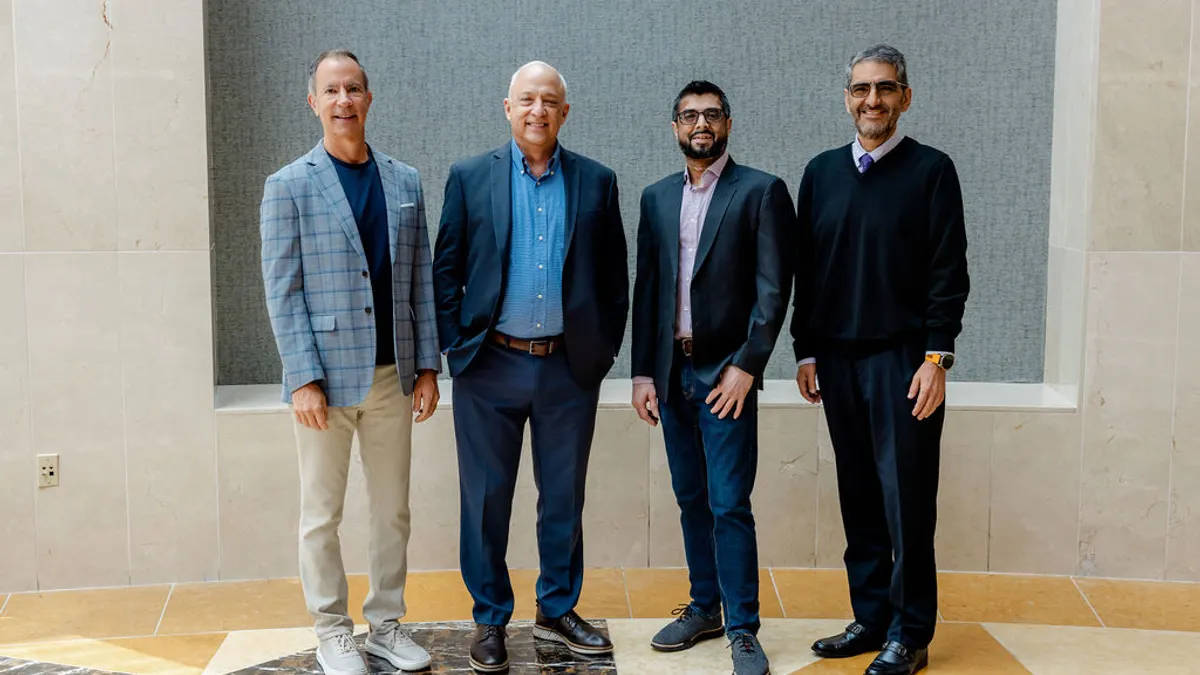
Anurag Agarwal, Vedana’s CEO and co-founder, argues that his company’s biggest advantage is its leadership team. Co-founder and chief scientific officer Leon Garcia, for example, oversaw discovery and development of Alder’s migraine programs. Ernesto Aycardi, Vedana’s chief medical officer, managed the pivotal and post-marketing studies for Teva Pharmaceuticals’ CGRP product Ajovy.
Teva took control of Ajovy by buying its then-developer, Labrys Biologics, in 2014. Vedana has recruited two Labrys veterans — former CMO Marcelo Bigal and CEO Steven James — to join the startup’s board of directors and serve as an adviser, respectively. And helming the board is Rob Lenz, who served as head of global development at Amgen when the pharmaceutical giant was advancing its CGRP drug Aimovig.
“The biggest differentiator is the people that we have,” Agarwal said. “These are the people that have done it before, both for CGRP and PACAP. They understand the biology. They are the people who’ve [gone] from discovering a drug to delivering it to the migraine patient.”
Vedana’s backers know the pain space well, too. Westlake BioPartners, which co-led the company’s now-disclosed $46 million Series A funding round, gathered former Amgen neuroscientists in 2019 to create a biotech focused on new, non-opioid painkillers. The round’s other co-leader, Canaan Partners, was an early investor in Labrys and has put money into startups like Nocion Therapeutics, Semnur Pharmaceuticals and Spinifex, the latter of which Novartis bought for $200 million up front in 2015.
Agarwal expects Vedana’s current funding will be enough to get the company’s two main programs into human trials, which are on track to start next year. Like Mentari's pipeline, one of the programs goes after PACAP alone, while the other is a two-pronged antibody targeting that protein as well as CGRP. Such an approach may “deliver additional efficacy for patients who do not achieve relief with monotherapies,” Vedana said in a statement.
Vedana “represents the deepest concentration of migraine expertise we have seen,” Julie Grant, a general partner at Canaan, added in that statement. “Importantly, they bring together the lived experiences from multiple migraine companies and medicines in large and small biotech. They are focused entirely on what the next generation of medicines needs to deliver for patients.”
Vedana’s name comes from a Sanskrit word for feeling or sensation. Those feelings can be both painful and relieving, which, to Agarwal, “really [represented] what a migraine is.”
EDITOR’S NOTE: The story has been updated to clarify James’ association with the company.