
Biopharma companies poised to scale the fastest choose locations where facilities, talent and logistics are already in place.
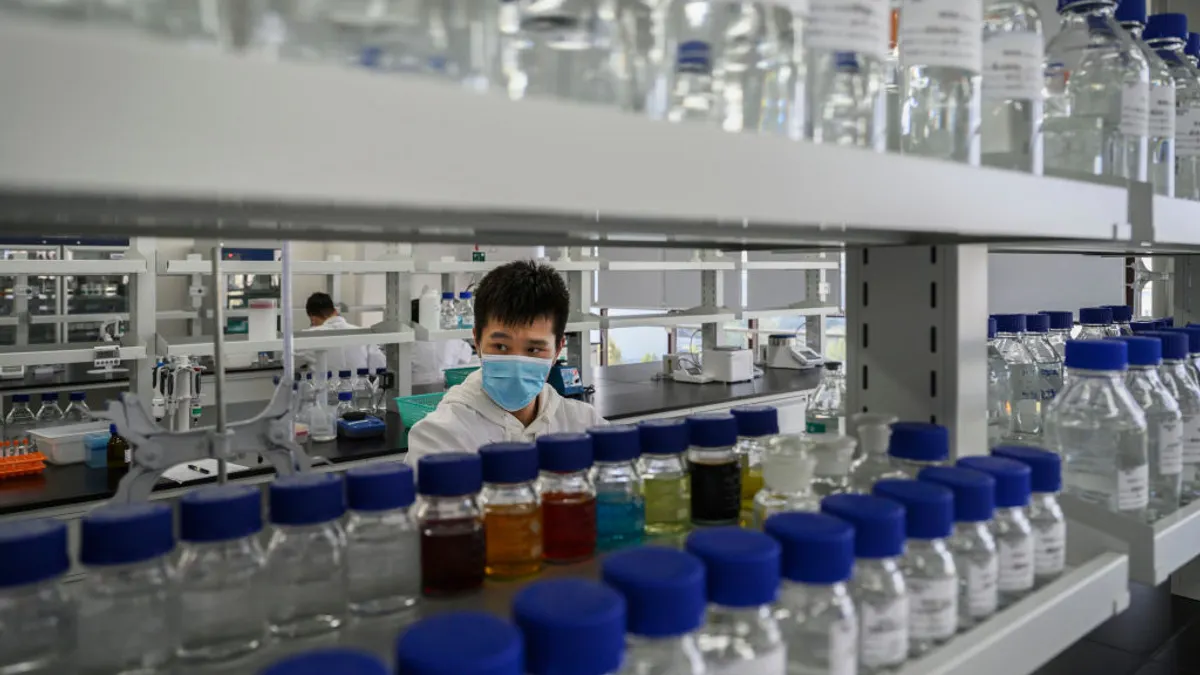
Demand for biopharma manufacturing—especially in cell and gene therapy—is outpacing available capacity and timelines to build new GMP-ready facilities are measured in years, not months. In this environment, location readiness has become a strategic variable, not an afterthought. One illustrative example of a “ready-now” environment is Middlesex County, New Jersey, which has invested in the infrastructure, workforce and ecosystem needed to move from planning to production quickly.
Why ready-now infrastructure wins
Building greenfield facilities alone can’t bridge the capacity gap. To move faster, companies are looking for locations that can support new operations now rather than waiting years for new builds to come online.
Some hallmarks of what “ready-now” means for biopharma include:
- Existing GMP-capable facilities
- Robust utilities and cold-chain logistics
- Proximity to major ports and airports
In Middlesex County, for example, companies have access to GMP-ready facilities that can be occupied rapidly and are supported by an established logistics backbone. As one biopharma leader put it, “We need infrastructure in a ready-now state. Middlesex County allows us to contribute to our business on day one.” The result is a shorter time to operation—an increasingly important advantage as pipelines grow more complex and launch windows narrow.
Strong talent pipelines matter
Securing facilities is only half the battle. The other pressing need for biopharma is a deep, sustainable talent pipeline with regulatory-grade experience. Facilities can be built; experienced, GMP-fluent talent must be developed over time in the right environments.
Senior leaders know that innovation depends on access to scientists and engineers who understand QA, validation and regulatory pathways, as well as leaders who can navigate a shifting compliance landscape. Proximity to top universities and workforce programs also matters for future-proof staffing and ongoing R&D collaboration.
Middlesex County illustrates how talent density becomes a differentiator. The county has seven times the national average of pharmaceutical manufacturing employment and its workforce is highly educated, with 45.1% holding a bachelor’s degree or higher and 19% holding graduate degrees. It also has one of the highest concentrations of scientists and engineers per square mile in the U.S., supported by a steady pipeline from Rutgers University, Princeton University, and other regional institutions. For companies under pressure to staff and scale quickly, that density of experience is difficult to replicate elsewhere.
Ecosystem density: Networks, not single assets
The most resilient, scalable hubs function as networks rather than standalone assets. These locations bring together research institutions, CDMOs, suppliers, health systems and logistics into a connected ecosystem that reduces friction and creates more partnership options.
Middlesex County is one example of this network effect at work, with global anchors like Johnson & Johnson’s headquarters, the HELIX Innovation District, major health sciences centers and convenient access to multiple airports and a major port. For biopharma companies, that concentration means smoother logistics, easier partnerships and faster movement from bench to bedside.
Reframing advantage: Speed and readiness over lowest cost
While cost per square foot is always a factor, it’s no longer the only thing that matters. For advanced therapeutics, the most meaningful metric is how quickly an organization can reach compliant, scalable production in a location that supports long-term growth.
Location decisions can neutralize cost gaps while preserving access to dense ecosystems and talent. Genmab, for example, selected Middlesex County after incentives closed an apparent cost gap with competing markets—showing how programs such as Emerge and R&D tax credits can offset upfront investment while keeping companies close to the infrastructure and workforce they need. In an era of complex pipelines and rising regulatory scrutiny, speed to operational readiness has become a strategic differentiator, not a nice-to-have.
Poised to scale
Biopharma leaders who solve their capacity gap through location readiness will be best poised to scale emerging therapies.
Middlesex County's Office of Business Engagement provides confidential, one-on-one consulting for life science companies evaluating location strategy, including site selection, incentive navigation, and workforce pipeline planning. To start a conversation, contact the Office of Business Engagement at biz.discovermiddlesex.com.