Dive Brief:
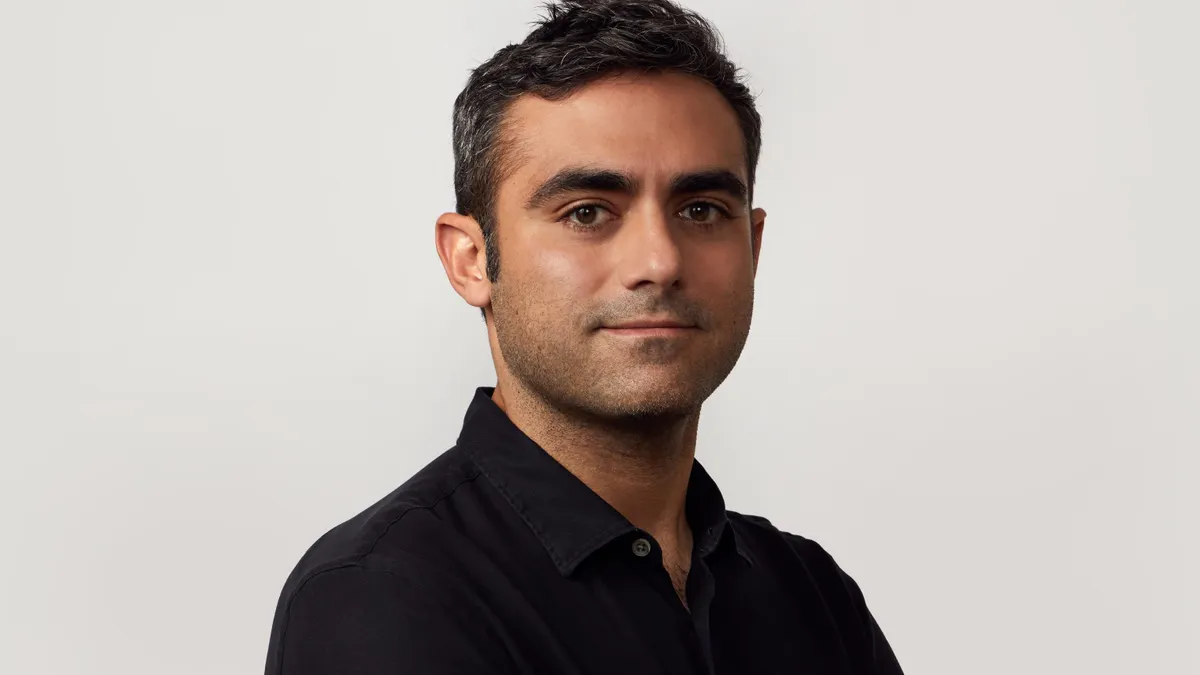
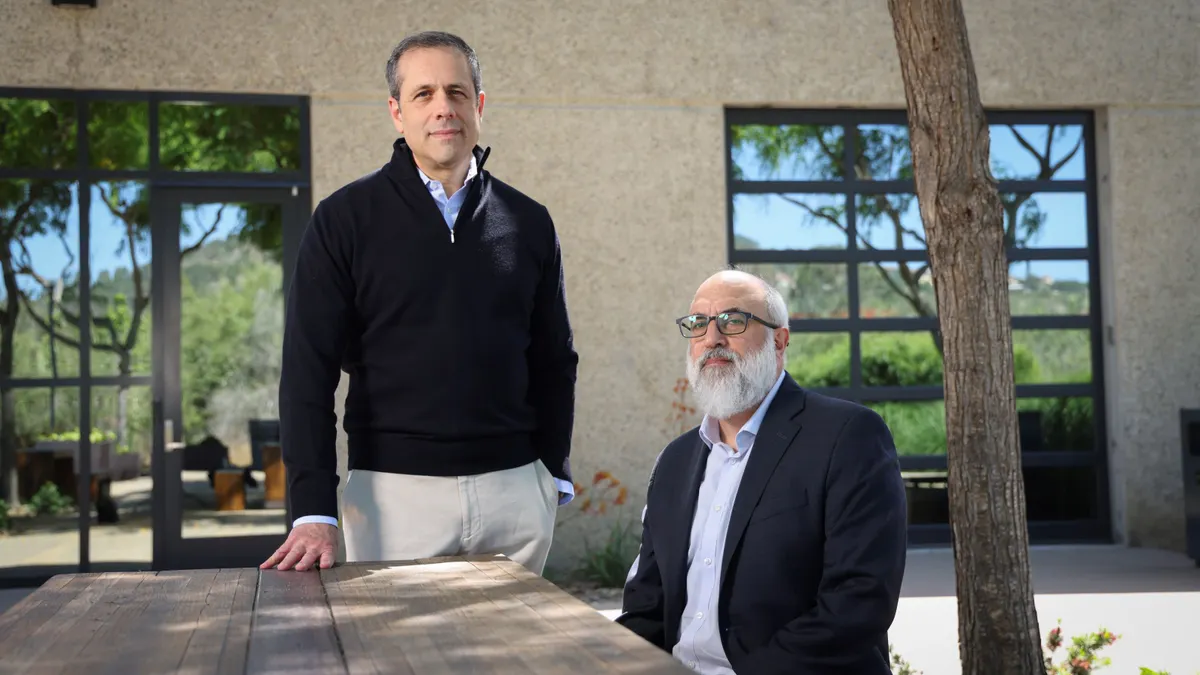
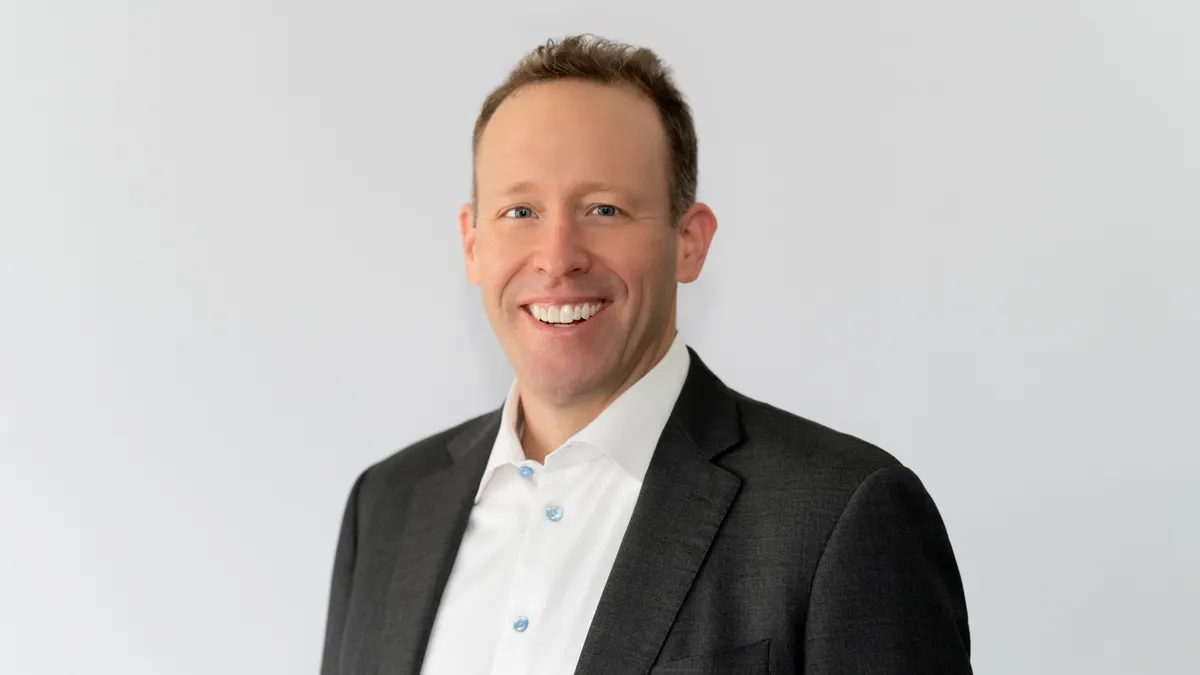
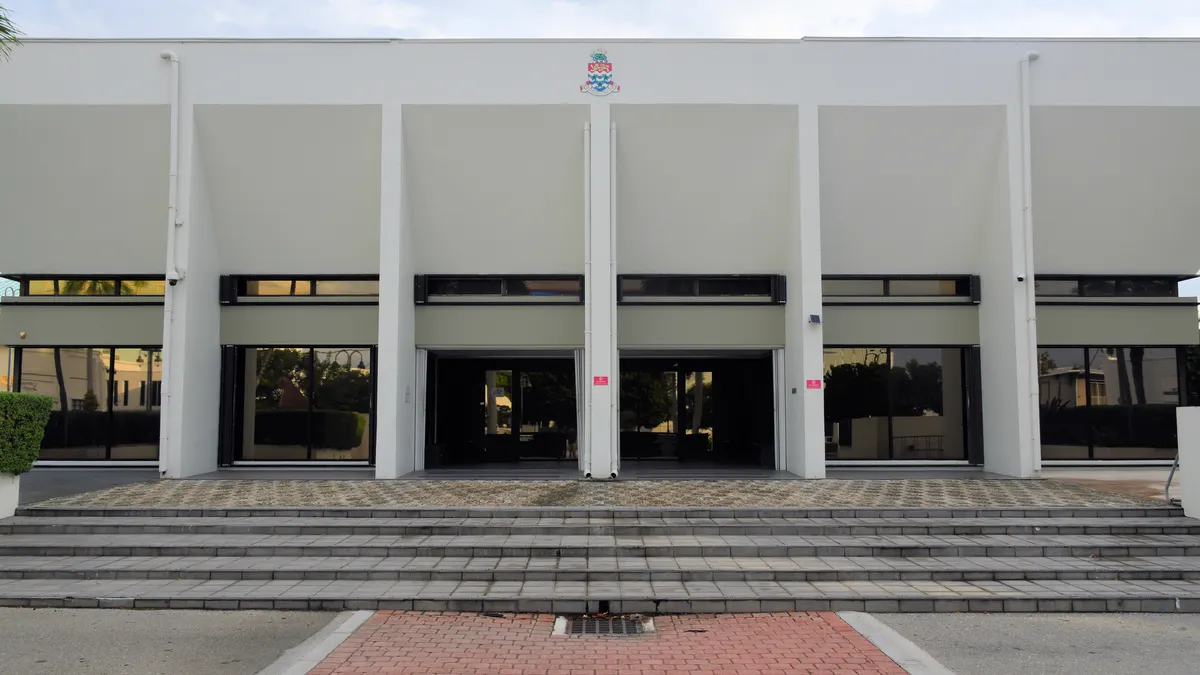
- A Cayman Islands court has ruled that Seth Harrison, the general partner of biotechnology venture capital firm Apple Tree Partners, should relinquish control of the longtime startup backer.
- The decision issued Friday could hand the fund’s management over to two court-appointed independent directors, Alexander Lawson and Barry Lynch of consulting firm Alvarez & Marsal. It was handed down more than a year after ATP and its main funders — called Rigmora Biotech Investors and associated with Russian billionaire Dmitry Rybolovlev — sued and countersued one another in two different courts.
- A separate U.S. bankruptcy court proceeding, though, is still underway. In that case, ATP aims to implement a restructuring plan that would enable it to continue funding its portfolio companies. And Harrison has emerged as a bidder for those startups, a spokesperson for the firm told BioPharma Dive Tuesday.
Dive Insight:
Rybolovlev's family trust originally became entangled with ATP in 2012 by agreeing to fund up to $1.5 billion of the firm’s biotech investments. Over the years, those dollars have trickled down to startups such as Intergalactic Therapeutics and Red Queen Therapeutics and acquired entities like Akero Therapeutics.
But that relationship has deteriorated since then. ATP sued Rigmora last year in a Delaware Chancery Court, claiming its primary backer “failed to meet its capital commitments” by withholding cash promised to ATP’s portfolio companies. Rigmora responded with its own legal action in the Cayman Islands, alleging ATP mismanaged funds and should be wound down.
Last December, the Chancery Court sided with ATP in ordering Rigmora to pay up roughly $97 million to fund the startups ATP had outlined budgets for. But she deferred to the Cayman Islands case to determine whether the investor group could prove it’s “lost all confidence” in Harrison’s ability to manage ATP and that the fund itself had essentially lost its core purpose. ATP then quickly sought bankruptcy protection, a legal tool entities can use to protect themselves from creditors during a reorganization.
At the time, Rigmora called the bankruptcy filing “nothing more than a delay tactic” to try to “avoid oversight” by the Cayman courts. It tried, and failed, to dismiss the Chapter 11 case. But Rigmora has since appealed that decision, it told BioPharma Dive Tuesday.
In its official statement, Rigmora said it welcomed the latest court ruling. It’s “convinced” that replacing Harrison with independent officers is “in the best interest of the fund and will result in maximization of the fund's value.” And the newly named directors have asked the bankruptcy court to recognize their authority, according to Rigmora.
Still, the Cayman Islands decision “has not been recognized in the U.S.,” the venture firm countered in its statement Tuesday. The Delaware bankruptcy court has “repeatedly reserved for itself solely to decide the go-forward plan,” and there, Harrison has put forth a motion to fund ATP’s startups for the rest of the year. That proposal involves Harrison bidding on those companies, a spokesperson for the firm said.
In bankruptcy filings, ATP said it managed $3.6 billion in assets and owed roughly $216 million in debts.
Editor's note: A previous version of this story misstated a quote from ATP.