Dive Brief:
- Blackstone Life Sciences will pump up to $1.5 billion into Pfizer’s obesity drug program, supporting as many as 10 Phase 3 trials of a potentially once-monthly shot the pharmaceutical giant gained through the $10 billion acquisition of startup Metsera, the companies said Wednesday.
- Through the deal, Pfizer will pay Blackstone milestones should the Food and Drug Administration approve the drug, berobenatide, as a once-monthly single agent for weight management and hit certain sales goals. Blackstone’s contributions will be phased through 2028 and the milestones, if paid, will come via multi-year distributions.
- The deal is “positive for the company’s income statement and cash flows over the next two years” as Pfizer contends with likely generic competition for top-selling drugs like Eliquis and Ibrance, Leerink Partners analyst David Risinger wrote in a client note. The deal should “marginally offset” a decline in per-share earnings expected from those patent expirations, he wrote.
Dive Insight:
Pfizer paid much more for berobenatide, also known as PF’3944 and MET-097, than it had originally anticipated. The company initially bid $4.9 billion to buy Metsera and its portfolio of metabolic drugs, only to get swept up in a messy bidding war with Novo. Pfizer eventually prevailed with a $10 billion winning offer last November.
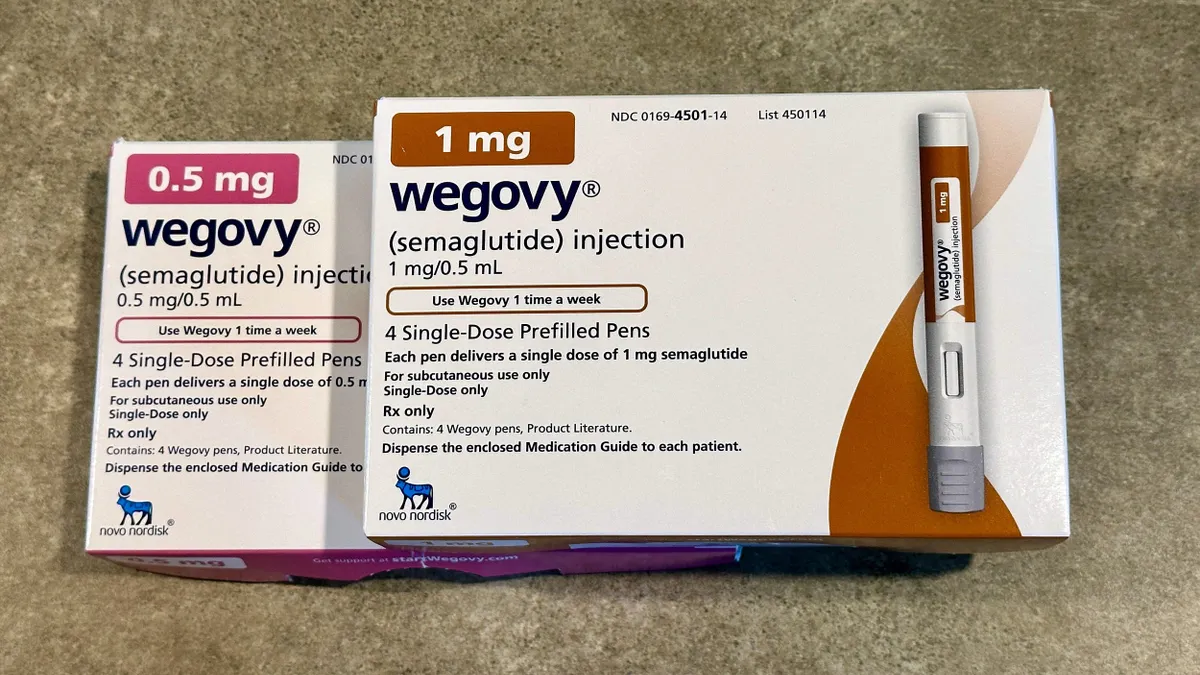
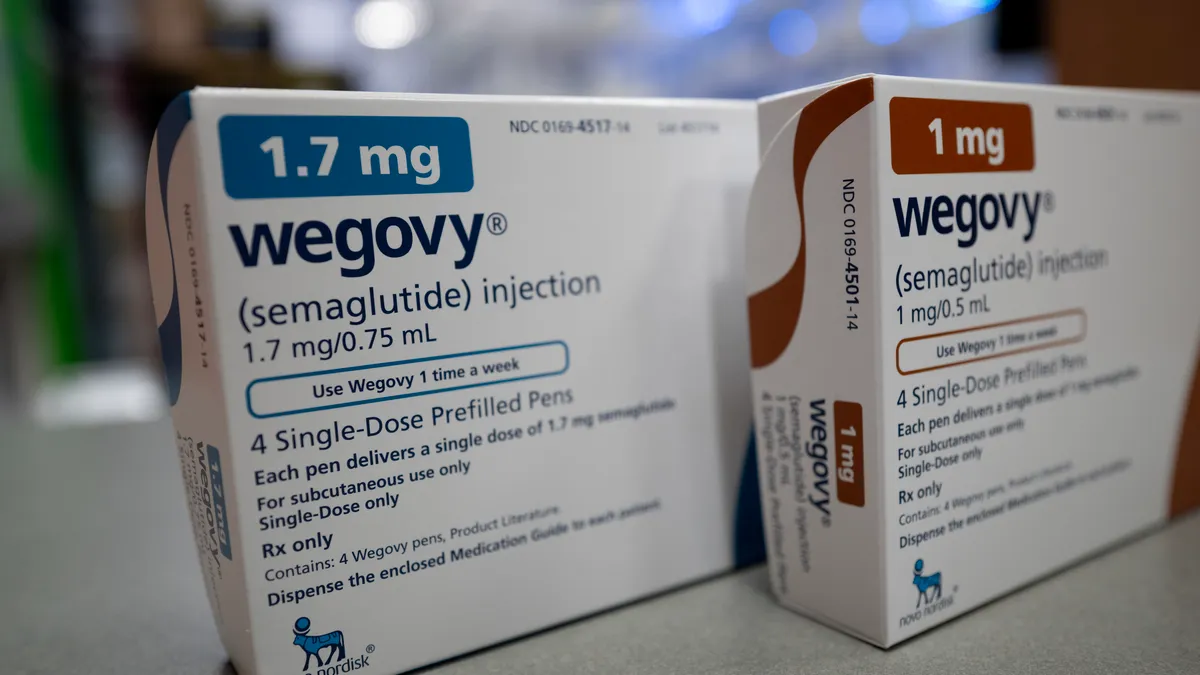
That expenditure came after Pfizer had scrapped multiple experimental, oral obesity medicines because of safety issues. Since then, Novo and Eli Lilly have both brought weight loss pills to market, raising the bar for would-be competitors. And Pfizer has instead focused on an area where it could gain an edge, positioning Metsera’s berobenatide as a longer-lasting injectable than treatments like Lilly’s Zepbound and Novo’s Wegovy.
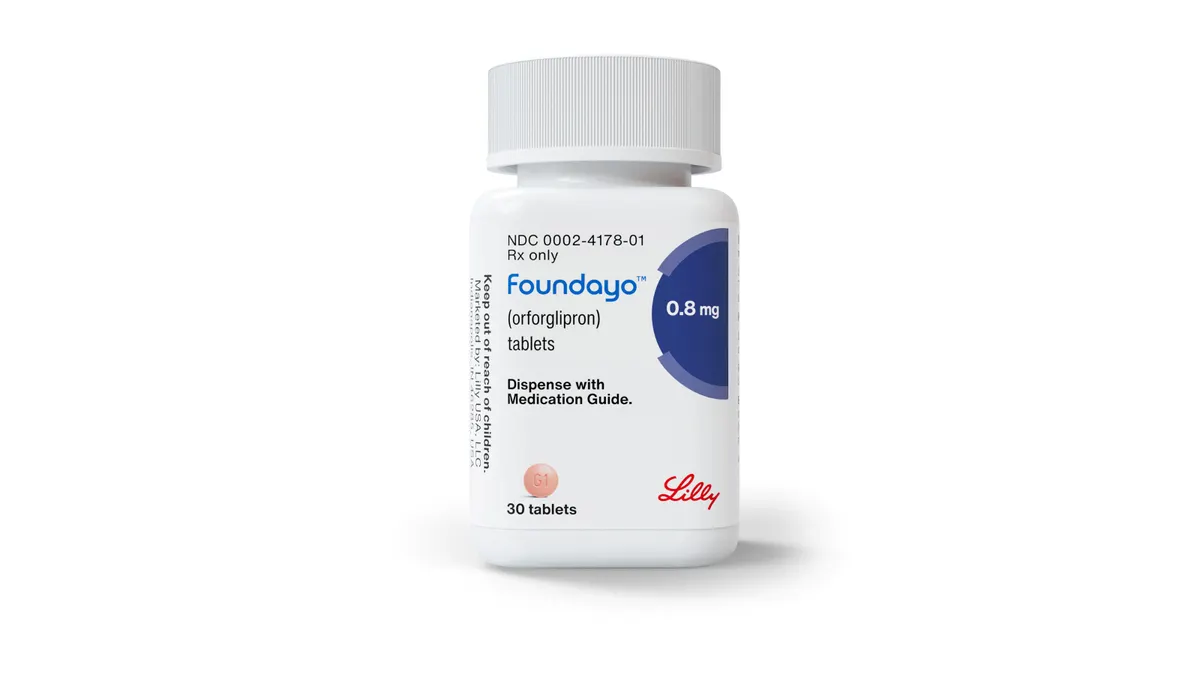
Phase 3 trials are particularly expensive in metabolic disease, however. Developers need to recruit thousands of volunteers and test their treatments over the course of more than a year to tease out a benefit and ensure safety. Foundayo, the most recently approved weight loss drug in the U.S., was evaluated in 4,700 people in its two pivotal trials in obesity. Both studies had a 72-week evaluation period.
Berobenatide’s development plan could be more extensive. Pfizer may want to conduct not just placebo-controlled trials but also head-to-head studies against drugs like Zepbound and Wegovy to improve commercial positioning. Pfizer’s current program involves 10 pivotal studies that are either ongoing or planned.
The deal “helps us advance our comprehensive obesity program and maintain the financial capacity and flexibility to invest in our broader pipeline,” Pfizer CFO Cecile Guegan said in a statement.
The agreement also represents one of Blackstone’s biggest biotech investments. The private equity firm put up to $2 billion on the line in a cardiovascular-focused deal with Alnylam Pharmaceuticals, $750 million to support Moderna’s flu vaccine research and $700 million on one of Merck & Co.’s most promising cancer drugs. Blackstone wagered $400 million on a gut disease drug being developed by Teva and Sanofi, too.
“This collaboration is a good example of our leadership in providing capital solutions at scale to advance important medicines and technologies to patients,” said Nicholas Galakatos, the global head of Blackstone Life Sciences.
Blackstone said funds managed by its perpetual private equity strategy and life sciences funds will back berobenatide’s development.