Today, a brief rundown of news involving Bristol Myers Squibb and Samsung Biologics, as well as updates from Scholar Rock, Novartis and Dimerix that you may have missed.
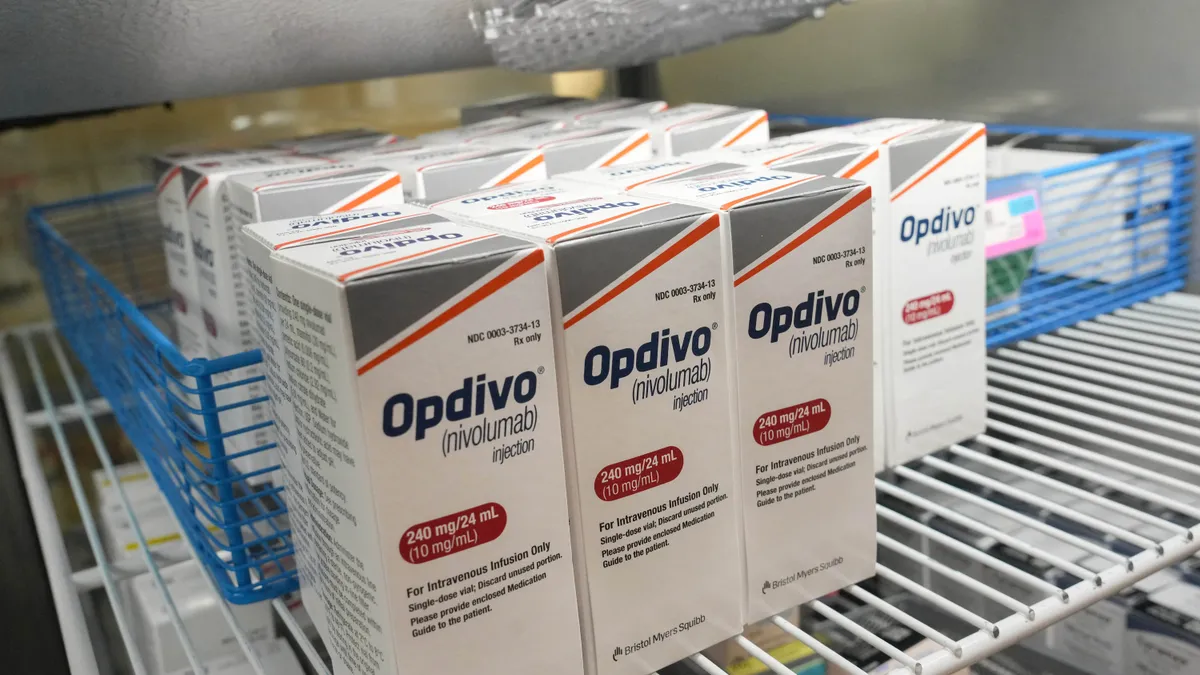
Bristol Myers Squibb plans to build what it proclaims will be “the most powerful AI factory in life sciences” with the help of Nvidia. Bristol Myers is one of many large pharmaceutical companies cutting deals of late to elevate its AI capabilities, having in May aligned with Anthropic to use the AI tool Claude throughout its operations. On Monday, Bristol Myers said it’s expanded a three-year collaboration with Nvidia by deploying two different systems that, combined, should help the company work on “larger and more sophisticated” problems without a corresponding increase in energy consumption. Others, such as Roche and Eli Lilly, have made similar announcements over the last year.
Samsung Biologics is offering 1.46 billion Swiss francs, or about $1.8 billion, to acquire Switzerland's PolyPeptide Group, a contract maker of peptide-based active pharmaceutical ingredients. Per deal terms, PolyPeptide would receive 44.31 Swiss francs per each share they own. PolyPeptide's board has "unanimously" recommended the deal, which would close by the end of the year if approved by stockholders. The deal would broaden South Korea-based Samsung's capabilities beyond antibody drugs and "ADCs" and into peptides, a fast-growing segment of drug research fueled by the success of GLP-1 weight loss medicines.
European regulators will complete a review of Scholar Rock’s experimental spinal muscular atrophy drug once a key manufacturing facility in the U.S. is sanctioned by the Food and Drug Administration. Scholar Rock’s drug, apitegromab, was rejected by the FDA last year over concerns at that Indiana plant, which conducts “fill-finish” services for the medication. A follow-up inspection occurred in April, but the FDA hasn’t yet endorsed the facility. European regulators are expected to issue a verdict later this year, and Scholar Rock said Monday that if any issues are outstanding at the Indiana plant that it’ll work with them on a second facility also involved in the company’s application. The FDA is scheduled to make a new decision on apitegromab by Sept. 30. Scholar Rock will update investors on the situation during an Aug. 6 earnings call.
The FDA on Friday converted an accelerated clearance for Novartis’ Fabhalta in the kidney disease IgA nephropathy to a full approval. Fabhalta was initially cleared in 2024 based on its ability to reduce protein in the urine of people with the disease. Since then, Novartis has accumulated newer findings indicating Fabhalta treatment can help slow the decline of kidney function. Those results have led to a traditional approval in IgAN, which has become one of the more competitive battlegrounds in rare disease drug research. The FDA approved two other IgAN therapies over the last year, and more could follow.
Australian biotech Dimerix has acquired an experimental kidney drug from privately held Mission Therapeutics. Per deal terms, Mission is paying $5 million up front, and potentially $292 million overall, for rights to a prospect called MTX652 and that the FDA has recently cleared for Phase 2 testing. Mission’s drug blocks the activity of an enzyme known as USP30, which interferes with cells’ ability clear damaged mitochondria. Dimerix aims to initially test that approach on acute kidney injury, but noted that the drug could have potential in “multiple other indications” as well.