GSK is spending up to $1.3 billion on a first-of-its-kind cancer therapy slated to enter the clinic this year.
In a deal announced Thursday, GSK agreed to pay Hutchmed $110 million up front, and potentially roughly $1.19 billion more in milestone payments and royalties, for a majority of the rights to a treatment known as HMPL-A830. That treatment is what Hutchmed refers to as an “antibody-targeted therapeutic conjugate,” and could potentially address multiple tumor types.
Typical antibody-drug conjugates, or ADCs, link a targeting antibody to a toxin. They’ve become a pillar of cancer care in recent years, but still have limitations restricting their reach. Many drug developers have been working on new ways to improve the technology.
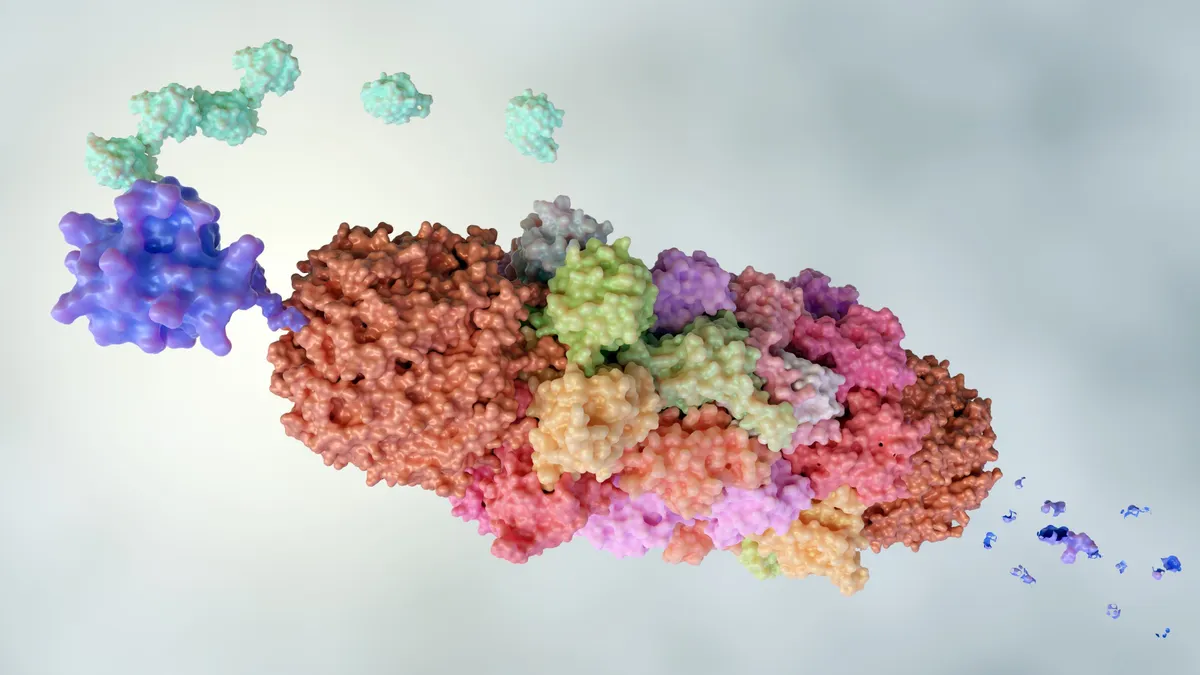
HMPL-A830 is one example. The therapy links an antibody targeting the well-studied EGFR protein to a small-molecule payload designed to block another popular cancer driver, KRAS. Hutchmed claimed the approach has produced “synergistic anti-tumor activity” and “durable” responses in preclinical testing, as well as shown the potential to outperform a traditional antibody or small-molecule drug.
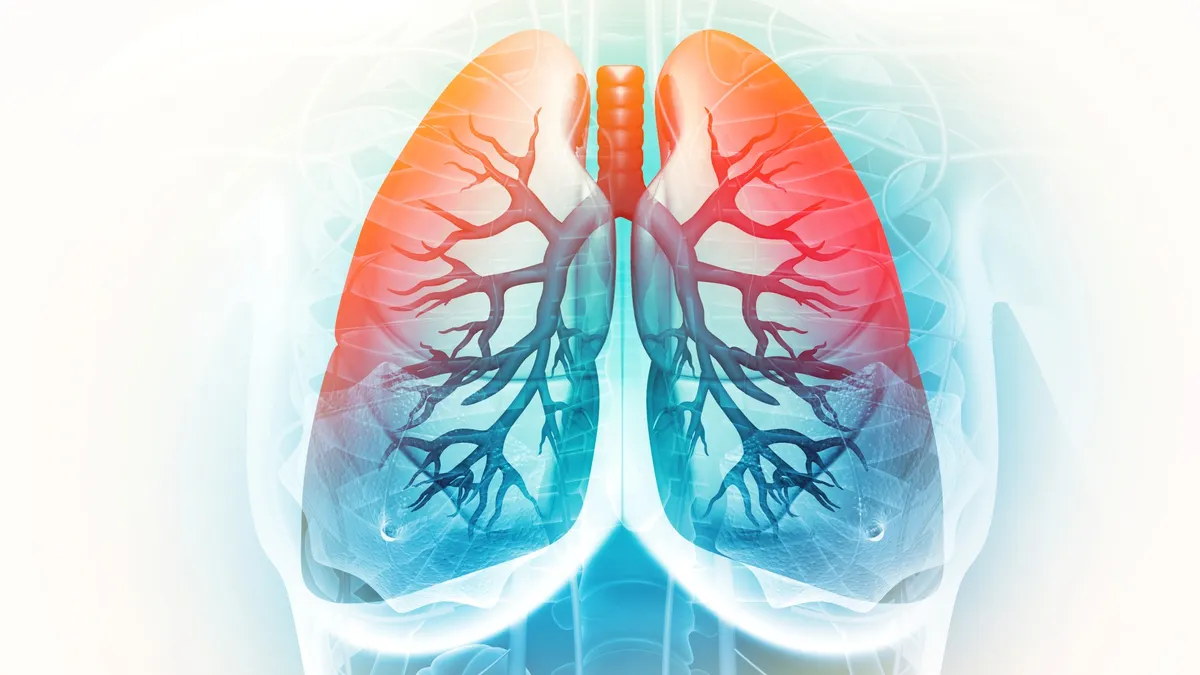
EGFR and KRAS are each the focus of many marketed medicines. EGFR mutations are observed in about 10% to 15% of lung tumors, while KRAS is mutated in a large percentage of colorectal, pancreatic and lung cancers. In its statement, Hutchmed noted that a significant portion of these tumors that lack a “safe and durable” KRAS therapy, a need HMPL-A830 is “designed to address.”
“The dual KRAS-EGFR mechanism of HMPL-A830 has the potential to significantly improve upon current standard of care,” said Hesham Abdullah, GSK’s head of oncology, in a statement.
Hutchmed will oversee Phase 1 studies, with GSK taking over global development afterwards outside of mainland China, Hong Kong, Macau and Taiwan.
The partnership with Hutchmed adds to a growing roster of deals GSK has entered into to expand its oncology portfolio. It also extends a streak of partnerships with China-based biotechnology companies.