Forbion has banked 2.3 billion euros, or $2.6 billion, across two venture funds that could help spur investment in promising biotechnology startups, the European venture firm said in a Tuesday statement.
The biotech backer’s two funds, Forbion Growth Opportunities IV and Forbion Ventures Fund VIII, have the “capacity” to invest in as many as 30 young companies, according to the announcement. It’s already begun deploying capital from that fundraising drive, which Forbion said exceeded the amount it planned to raise this year. Recent investments include Sling Therapeutics and Solstice Oncology.
Based in the Netherlands, Forbion is the largest venture fund in Europe that’s exclusively focused on life sciences investing. The firm has supported 142 companies since its inception, and seen its startups bring 21 drugs or other medical products to market, it said in a statement.
Forbion last announced a $2.2 billion fundraise in 2024 and has backed many companies of late that have recently been acquired or gone public. Capstan Therapeutics, Mariana Oncology and Aiolos Bio were among those purchased by large pharmaceutical firms. Others, such as MapLight Therapeutics, have pulled off IPOs. The firm has publicly announced at least 55 investments since the start of 2022, according to BioPharma Dive data, making it one of the biopharmaceutical sector’s most active investors during that span.
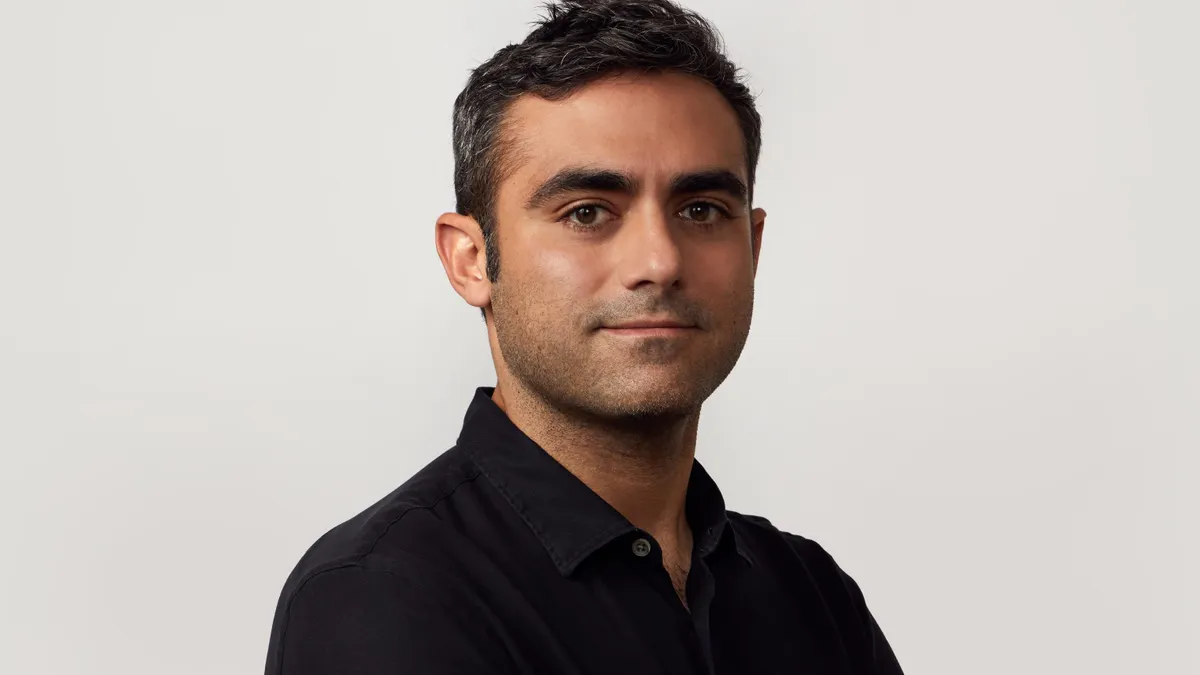
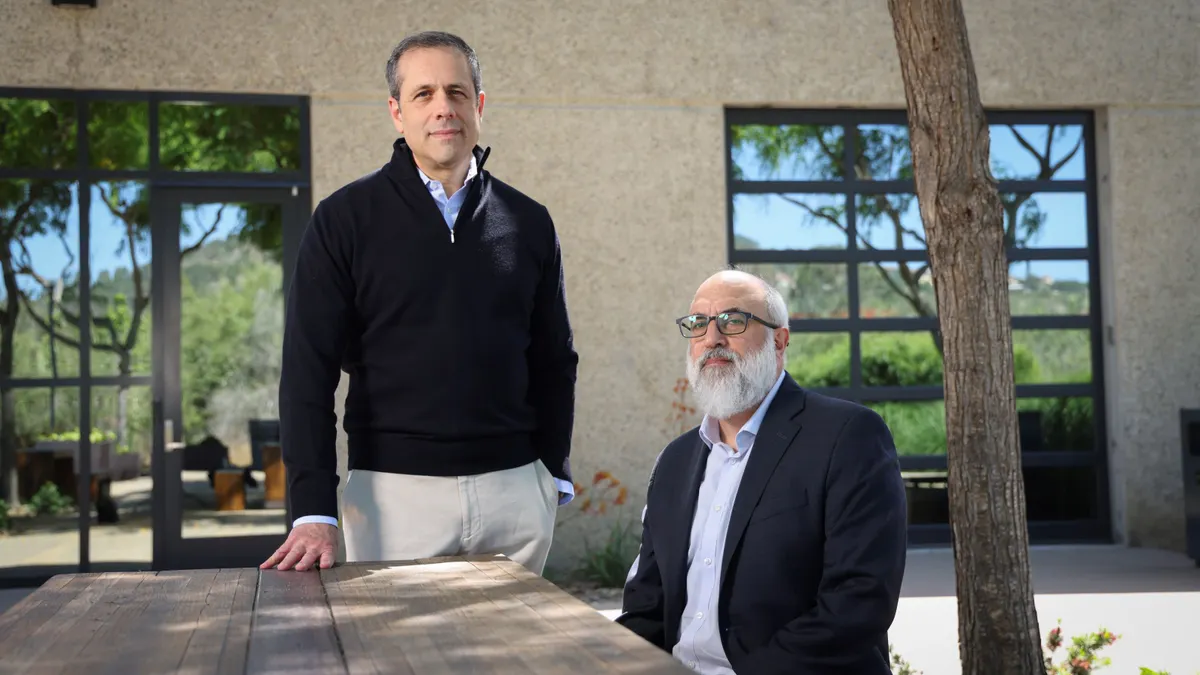
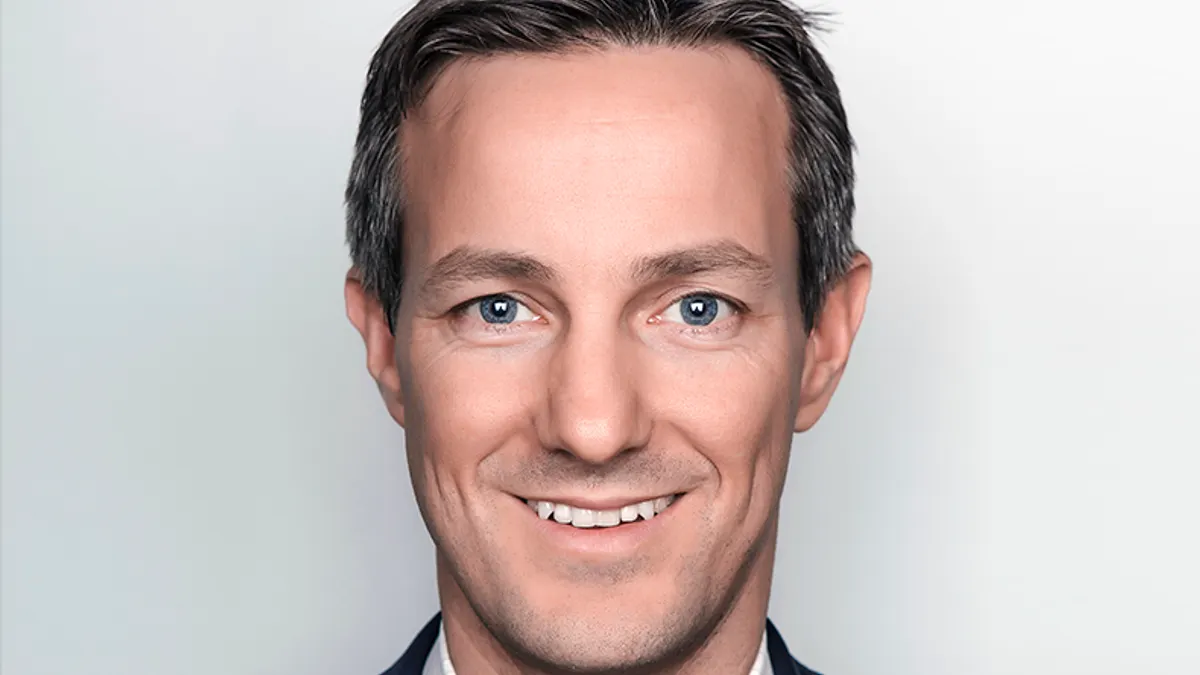
“Our successful fundraising gives us significant dry powder in a market characterized by a general shortage of capital,” said Sander Slootweg, Forbion’s co-founder and managing partner, in the firm’s announcement.
The institutions pouring new funds into Forbion include Dutch pension managers MN and PGGM, as well as the Kauffman Foundation, Germany’s KfW Capital and Eli Lilly. Forbion said it now has 7.5 billion euros in assets under management.
Forbion’s announcement comes during a broader decline for the European biotech industry that’s frustrated company leaders. Last month, nine prominent board chairs pressed for policy changes that could speed drug development and spur new investments. In an open letter, those executives argued that Europe has treated medicine “as a cost to suppress rather than one of the best investments a government can make.”
Those company leaders pointed to a shifting landscape that’s seen Europe conduct fewer clinical trials and account for a smaller share of global pharmaceutical research and development. Much of that activity has shifted to China, thanks to government support and greater regulatory flexibility. The U.S. continues to draw a bigger portion of biotech venture dollars, too.
“Europe’s alarm bells are ringing,” the nine executives wrote.