Biotechnology startup Sling Therapeutics is taking an oral drug for thyroid eye disease into late-stage testing, emboldened by a $123 million Series C financing that it announced Wednesday morning.
A surge of research into new drugs for thyroid eye disease or TED, an immune condition characterized by eye bulging and swelling, has fueled the advancement of companies such as Sling, Ethyreal Bio and Khartis in recent months. Other drugmakers, like Immunovant and Argenx, have seen prospective treatments for the inflammatory eye condition fall short in testing.
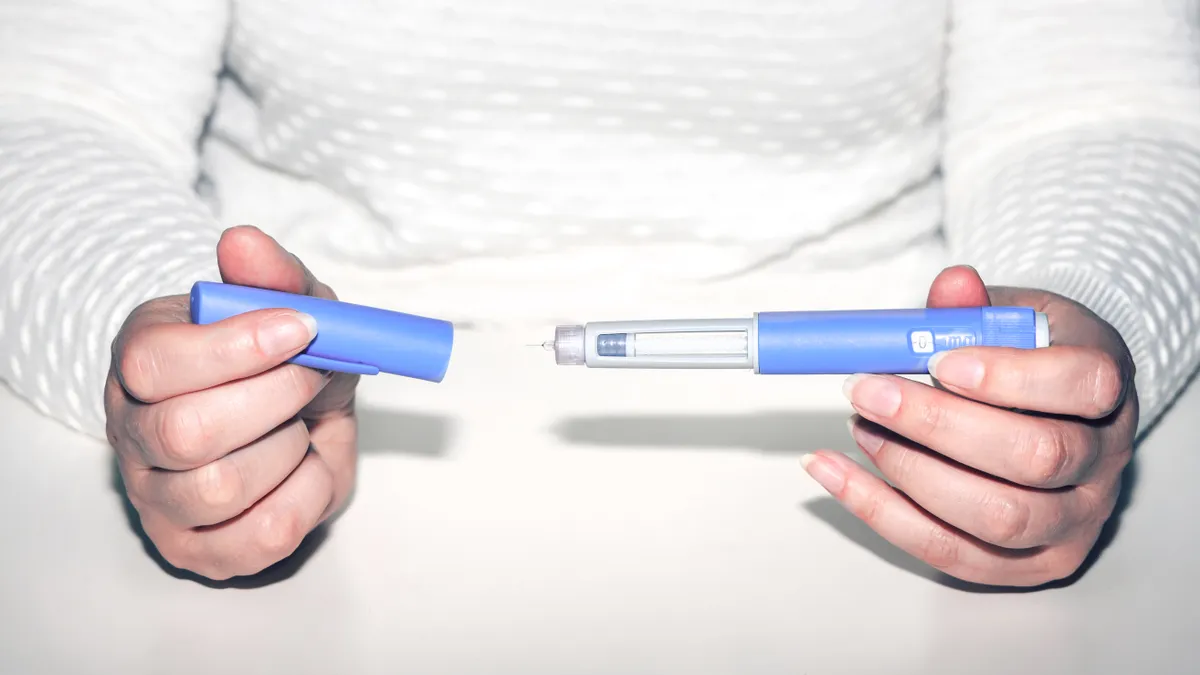
Sling is trying to stand out with an oral drug that could become a more convenient alternative to Amgen’s Tepezza and Viridian Therapeutics’ Lumvoa. Like both of those medicines, Sling’s linsitinib blocks a protein called IGF-1R that drives inflammation in TED. But Tepezza and Lumvoa are antibodies administered via an injection or intravenous infusion. An oral drug like Sling’s, which is taken twice daily, could have an advantage there, said Ryan Zeidan, the biotech’s president and CEO.
Similar oral drugs have been tested in oncology, where they’ve largely struggled. But blocking IGF-1R is a more proven approach in TED, and Zeidan said that linsitinib impacts that protein more precisely than its antibody-drug counterparts, yielding a potentially “different clinical profile.” It’s also more targeted than the IGF-1R inhibitors studied in cancer, which hit multiple other pathways and couldn’t have been developed for TED, he said.
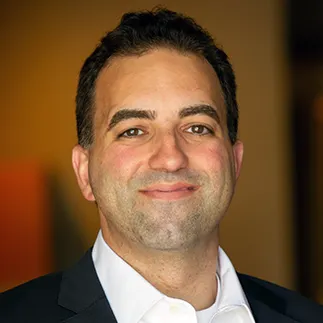
“It's a tricky target to hit,” Zeidan told BioPharma Dive.
Sling also believes linsitinib’s design should help it dodge many of the side effects, such as hearing loss, hyperglycemia and fertility issues, associated with approved TED medicines. Testing so far has suggested the drug could prove to be more durable than biologics, too, he added.
Data from an earlier late-stage trial of linsitinib showed that treatment was associated with a statistically significant 52% response rate after 24 weeks. No drug-related cases of hearing loss or tinnitus were reported either. Its new global Phase 3 study, “Orbit,” could confirm the results observed in the previous trial. The company did not disclose when it expects topline data.
Zeidan said the company is considering testing linsitinib in earlier stages of disease or against the chronic form of TED.
“We have some really interesting commercial expansion opportunities and new patient indications that would benefit from this drug, that are unique to a small molecule oral therapeutic,” he said.
Based in Ann Arbor, Michigan, Sling licensed linsitinib from Astellas Pharma in a 2022 deal. Linsitinib had been tested in more than a dozen cancer indications, allowing Sling to speed the drug into mid-stage testing, Zeidan said. Sling’s Series C round was led by Forbion, and included TPG Life Sciences Innovations and Sectoral Asset Management.
“Our continued investment into Sling reflects our confidence in the team’s execution and in linsitinib’s potential to meaningfully improve the treatment paradigm for TED patients,” Peter Bojo, a principal at TPG Life Sciences, said in a statement.
Since it launched in 2022, Sling has raised $200 million, Zeidan said.