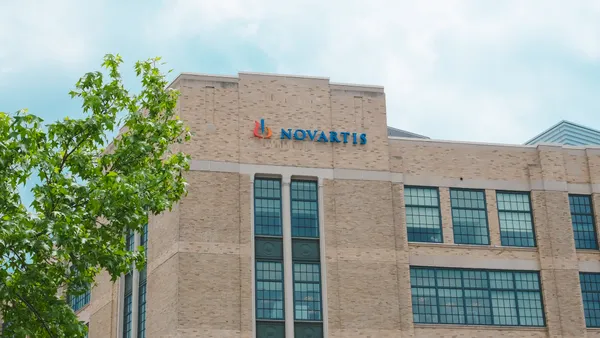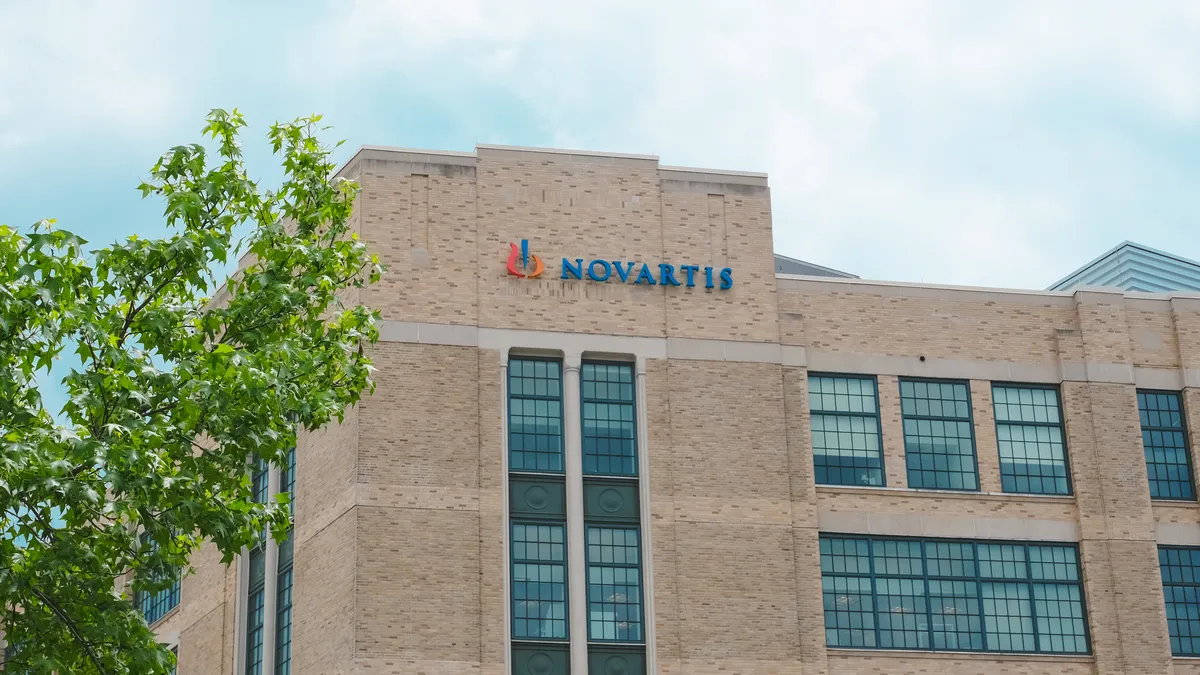
China-based Abogen Biosciences has entered a deal with Novartis worth as much as $7.8 billion, giving the latter access to a drugmaking technology as well as an option for a next-generation T cell engager.
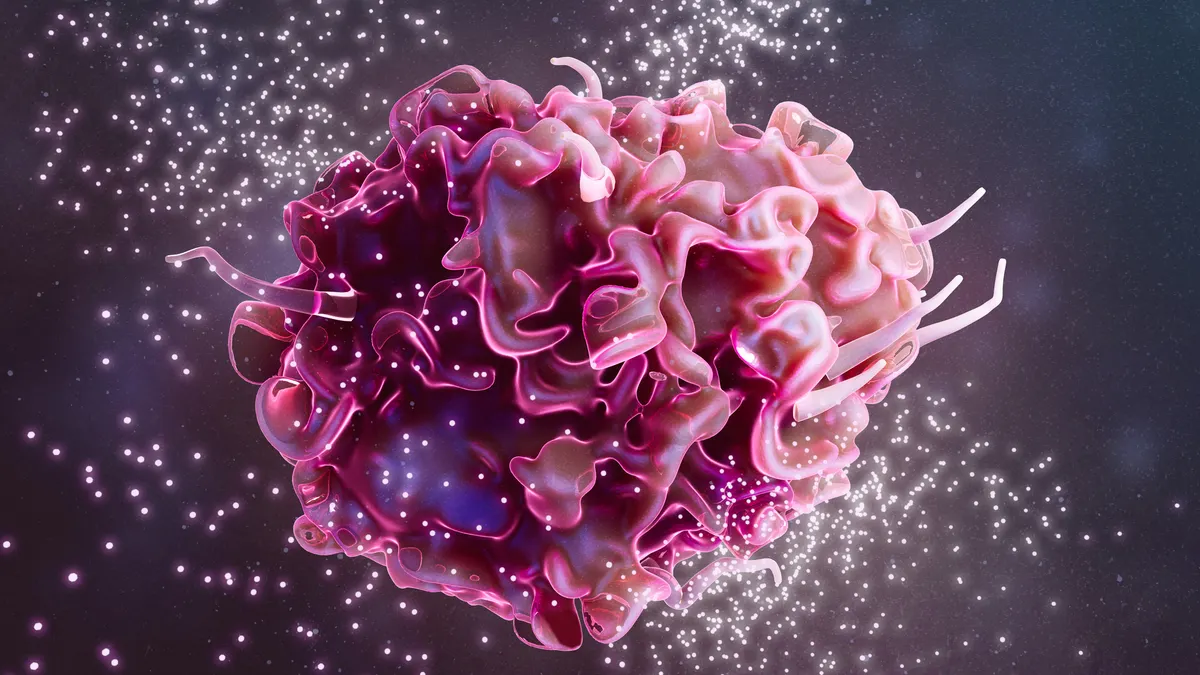
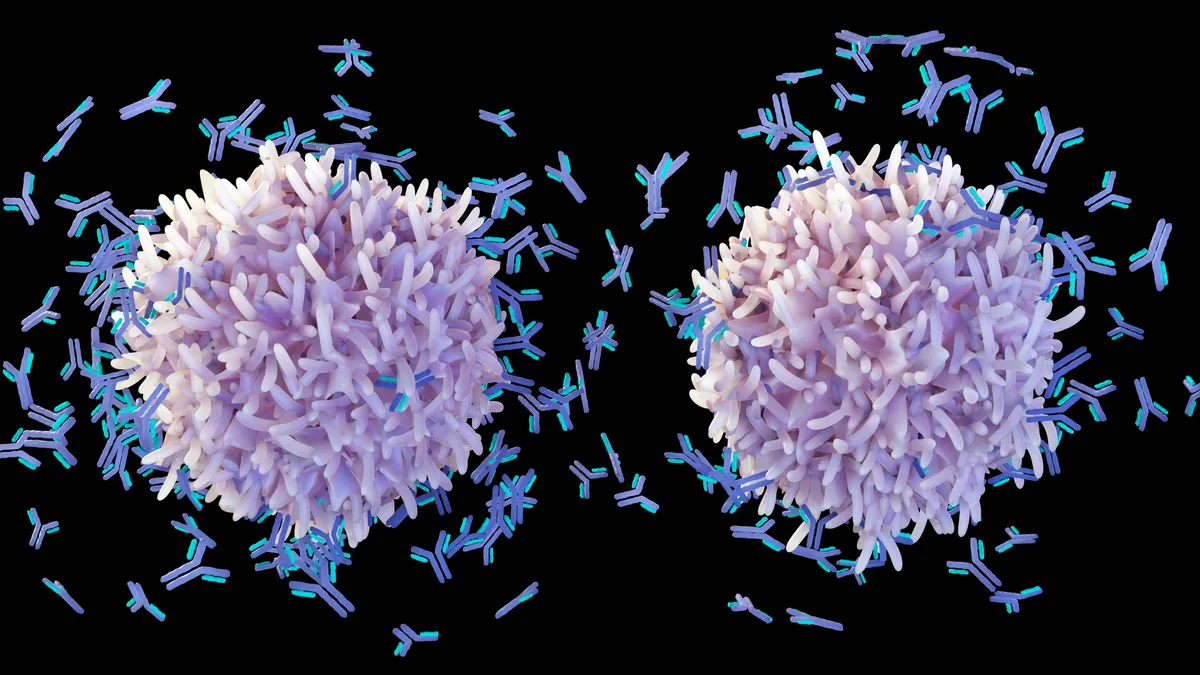
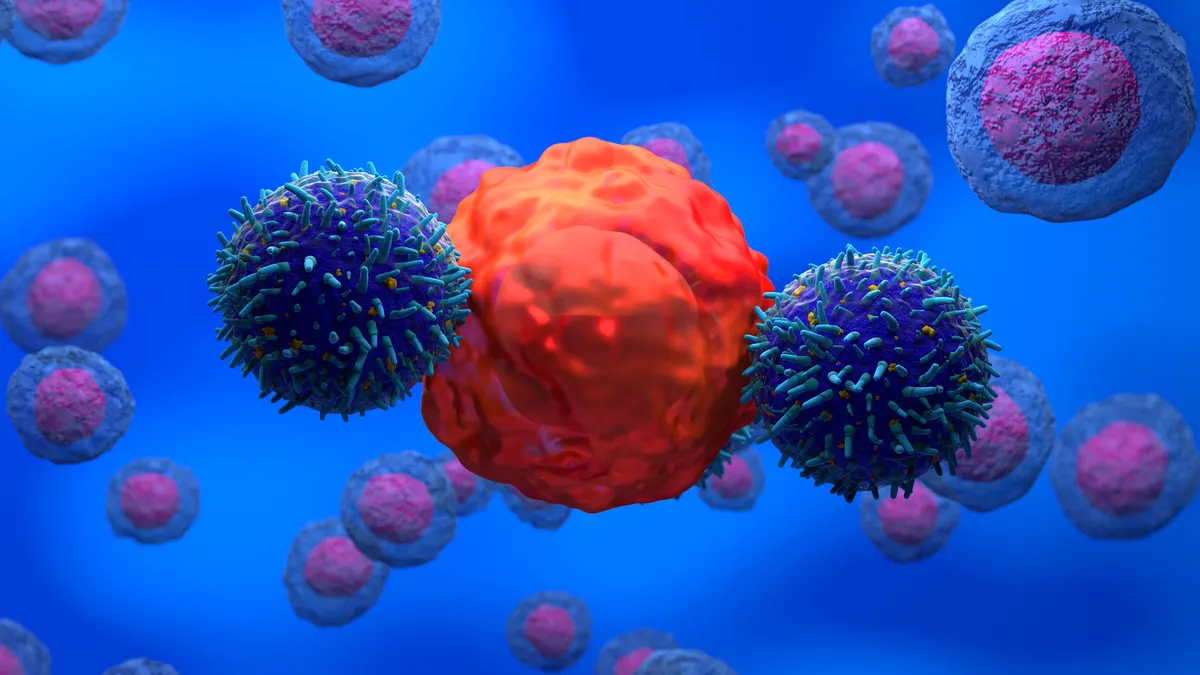
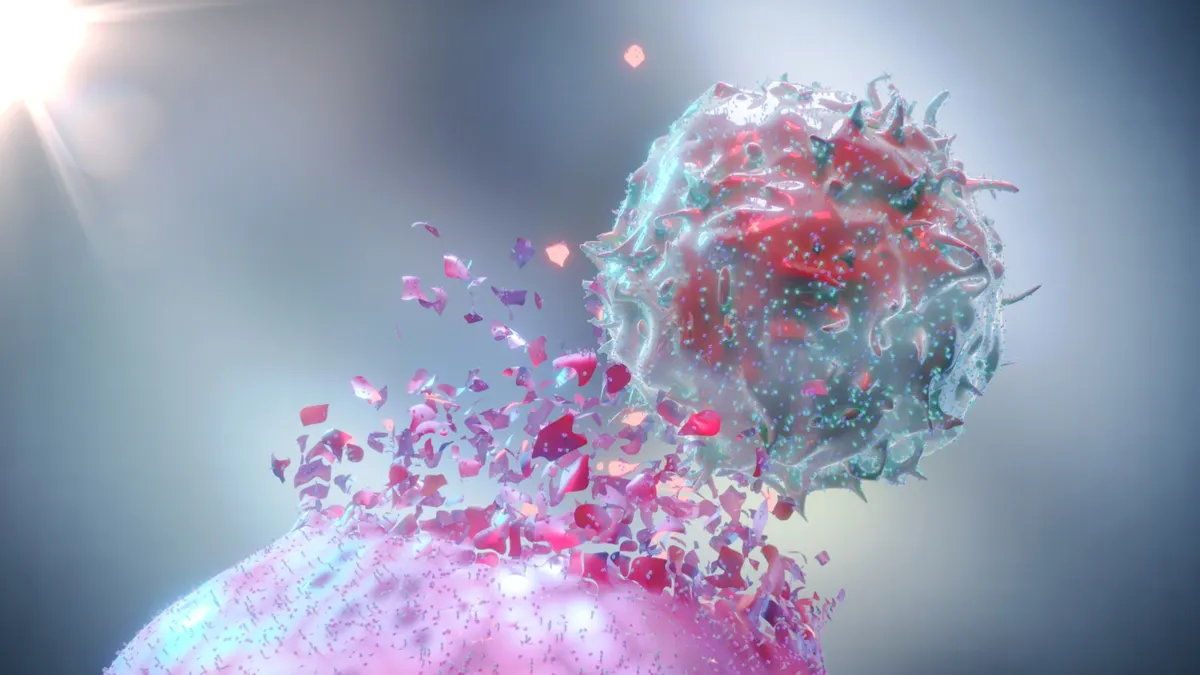
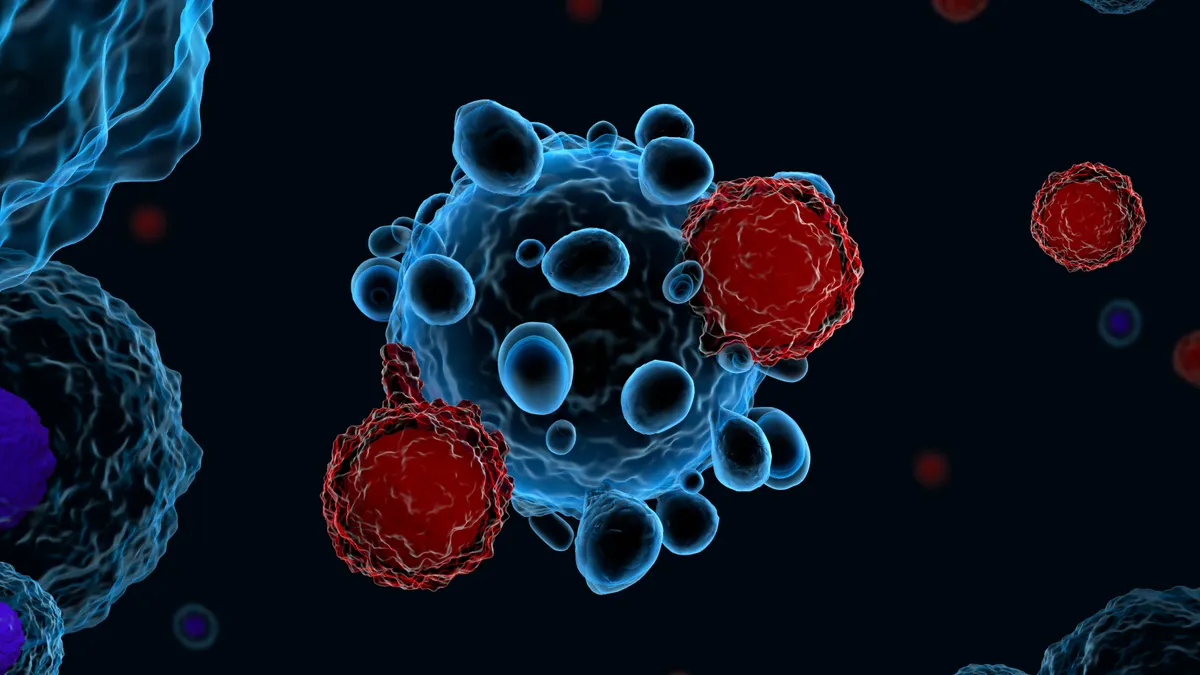
The companies announced Friday that Novartis would pay Abogen $575 million up front to gain an option to license “ABO2203,” which Abogen describes as an “mRNA-encoded” biologic that targets “CD3” and “CD19,” two proteins found on the surface of immune cells. Its drug provides the instructions for producing T cell engagers to cells, rather than traditional T cell engagers, which are usually developed in the lab and given to patients.
Abogen presented early data in April from a study of ABO2203 in patients with relapsed or refractory B-cell non-Hodgkin lymphoma, showing it was well-tolerated in trial participants. Three patients experienced significant adverse events after receiving treatment, including drops in white blood cell counts and levels of proteins necessary for blood to clot. Those side effects were resolved over the course of the trial, however.
The biotech’s experimental programs “represent an innovative approach that could complement existing therapeutic modalities by enabling in vivo production of these molecules,” Fiona Marshall, head of Novartis’ biomedical research division, said in a statement.
Abogen is part of a wave of biotechnology firms trying to develop ways to reset the immune system using T cell engagers. A handful of those drugs, such as Tecvayli and Talvey, have been approved to treat hematological cancers. But drugmakers have been interested in recent years in deploying those drugs against autoimmune conditions.
Makers of T cell engagers and other dual-targeting antibodies have promoted such treatments as a safer alternative to cell therapies, which can prompt overreactions from the immune system. They’re also costlier to manufacture.
Other large drug developers that have bought into T cell engager technologies this year include Bristol Myers Squibb, Gilead Sciences and Vertex Pharmaceuticals. Those multispecific biologics have also been the center of at least a dozen licensing deals between U.S. or European drugmakers and Chinese developers, according to BioPharma Dive data.
Abogen is eligible for as much as $7.2 billion in additional payments, contingent on hitting certain R&D and commercialization milestones. Novartis could also license other programs from them.
The Swiss pharma has been under investor pressure after a series of experimental drugs failed in testing in September. Novartis paused a trial of its autoimmune CAR-T therapy after three patients died. A genetic medicine it was developing with Ionis Pharmaceuticals did not prove it could protect cardiovascular health. Another drug called del-desiran, acquired in Novartis’ purchase of Avidity Biosciences, failed a key clinical trial.
Jefferies analyst Michael Leuchten wrote in a note to clients on Sept. 8 that those failures “will likely raise questions again about Novartis’ due diligence and [business development] approach.”