Two biotechnology companies are combining in a transaction they believe will create a leader in the fast-moving and competitive field of radiopharmaceuticals for cancer.
Telix, an Australian seller of radioactive diagnostics, announced Sunday it will acquire all the stock of German-based radiopharmaceuticals developer ITM for $1.65 billion up front. Telix could add another $700 million to the deal if ITM’s lead drug prospect, ITM-11, hits certain approval and sales targets.
Once the deal closes, Telix shareholders will own about 76.3% of the combined company, with ITM stockholders getting the remainder. Telix’s board, as well as investors with more than 90% of ITM’s shares, have approved the deal, which should close by the end of the company’s 2026 fiscal year.
The deal will form a frontrunner in the development of radiopharmaceuticals, an increasingly popular type of cancer treatment that delivers radioactive material directly into a tumor. Radiopharmaceutical research has been underway for decades, but saw a renaissance in industry interest following the approvals of Novartis’ Lutathera and Pluvicto. Those 2018 and 2022 clearances, and the fast sales ascent for Pluvicto — which generated about $2 billion for Novartis last year — have set off a flurry of investments in companies trying to broaden the field’s reach.
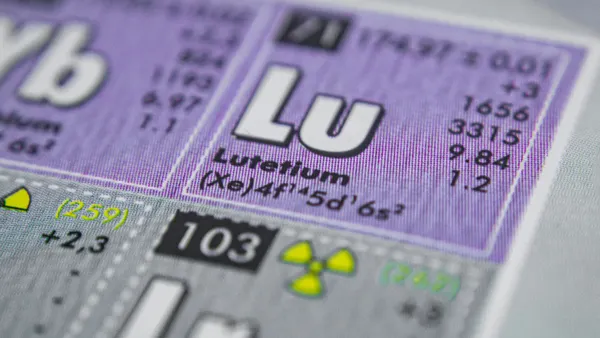
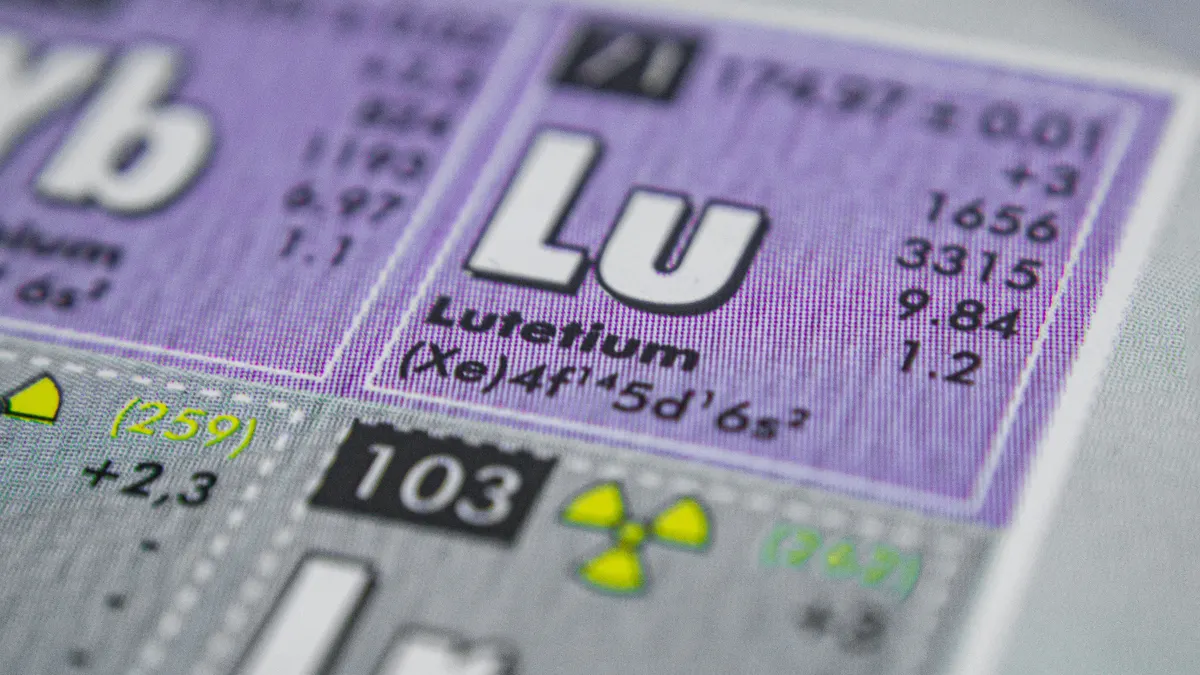
Among those companies is ITM, or Isotope Technologies Munich, a well-funded, 22-year-old startup that supplies raw materials for radiopharmaceuticals but also has more than 10 radiopharmaceutical programs in development. The most advanced of those therapies is ITM-11, which is a potential rival to Lutathera. Both drugs package the isotope lutetium-177 with a compound that targets the “SSTR” protein. ITM has been testing it against the kind of neuroendocrine tumors Lutathera is already approved to treat.
ITM-11 was rejected last month by U.S. regulators, though ITM said at the time that the decision was based on manufacturing concerns and issues at a “third-party commercial facility,” rather than the company’s clinical data. In its deal announcement Sunday, though, Telix called the treatment “differentiating” and noted how a Phase 3 study in a second indication could produce results in 2027.
ITM-11 could “accelerate Telix’s entry into the “commercial therapeutic market” and “expand its presence in neuroendocrine tumors,” the company said.
Notably, the deal is also supposed to boost the combined company’s ability to produce and distribute radiopharmaceuticals. Supplies of radioactive materials are limited and their transport is controlled, making radiopharmaceuticals tricky to manufacture at scale. In acquiring ITM, Telix is gaining isotope manufacturing and distribution capabilities that span more than 65 countries. That network gives Telix “even greater control over the entire radiopharmaceutical value chain,” wrote William Blair analyst Andy Hsieh in a Monday client note.
“We believe the transaction will allow Telix to further corner the industry and advance a range of products from development to commercialization,” Hsieh wrote. Telix is now on a path to “achieving global radiopharmaceutical powerhouse status.”
On a conference call with analysts, Telix executives “expressed confidence” in the company’s ability to overcome ITM-11’s regulatory hurdles,” Hsieh added.
ITM’s radiopharmaceutical supply business generated $273 million in sales in 2025. The combined company is expected to bank more than $1.3 billion in revenue and income this year.
Telix sells a handful of cancer diagnostics but also has therapeutics in development for an array of tumors.