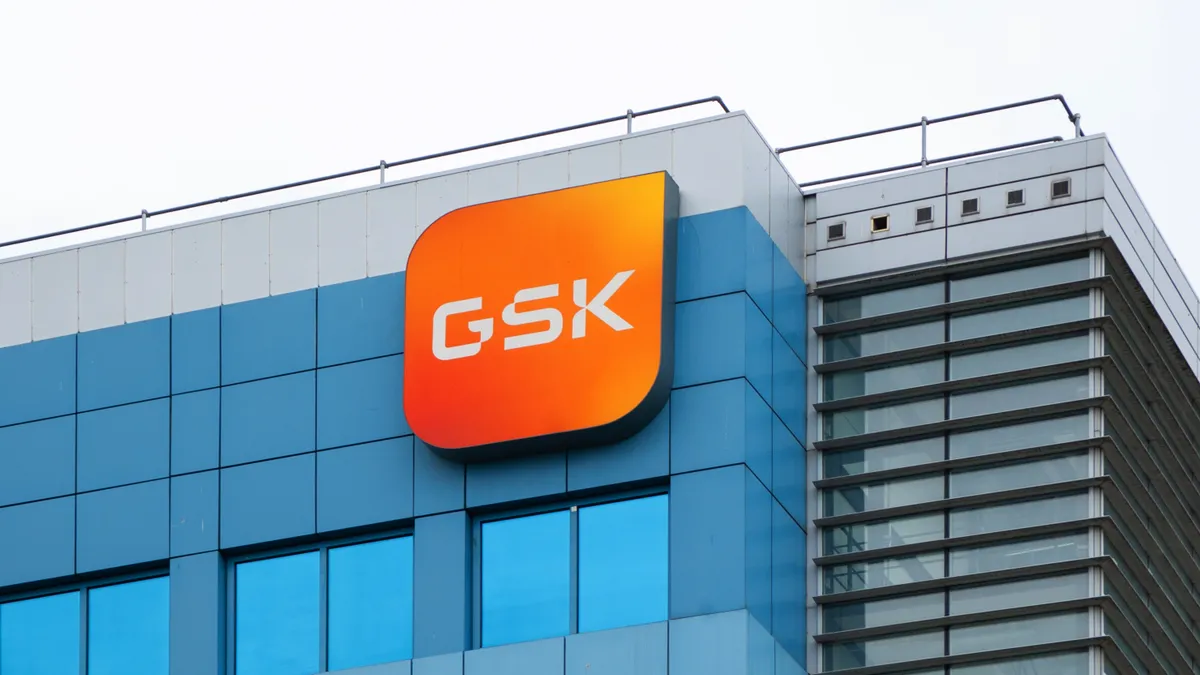
An experimental drug GSK licensed from Hansoh Pharma has succeeded in a late-stage study in China, boosting the outlook for a therapy the British pharmaceutical company has already advanced into a series of large global trials.
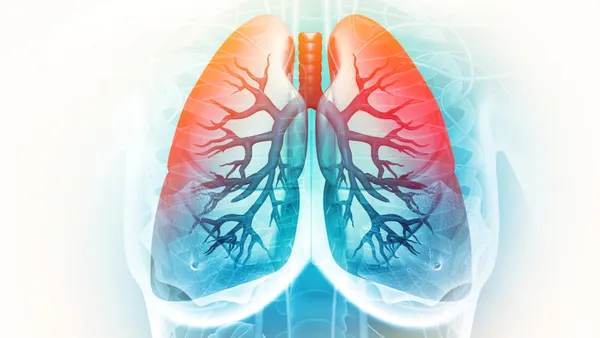
GSK said Friday that the antibody-drug conjugate risvutatug rezetecan, or ris-rez, improved survival in people with advanced or relapsed small cell lung cancer when compared to standard treatment, meeting the trial’s main objective. The company didn’t provide specifics, but said that the drug was associated with “statistically significant and clinically meaningful improvements” in survival compared to that typical treatment, the chemotherapy topotecan. Riz-rez also produced “consistent benefits” across secondary study measures, including delaying tumor progression, according to GSK.
GSK noted that the study marks the first time an ADC like ris-rez had clearly lengthened survival in a Phase 3 trial in any tumor type. The drug is one of many in development targeting the protein B7-H3, which is overexpressed in several cancers.
“These results are an important milestone,” said Hesham Abdullah, GSK’s global head of oncology, in a statement. The findings, along with other data, “support the potential of B7-H3 as a promising target across lung cancer and other solid tumors” and “reinforce the continued development” of the drug, he added.
The data will support a regulatory filing in China, where partner Hansoh has commercial rights to riz-rez. GSK holds ownership of the treatment outside China, Hong Kong, Macau and Taiwan. A global study in extensive-stage small-cell lung cancer is currently underway. Results are expected next year.
GSK bought into riz-rez in 2023, when it paid Hansoh $185 million upfront for majority rights. That deal was the second of two partnerships GSK struck with Hansoh that year, following an agreement for another ADC now known as “mo-rez” and that’s also in late-stage development.
Both drugs are part of an ongoing push by GSK, known more for its HIV medicines, respiratory disease drugs and vaccines, into oncology. GSK has used dealmaking to acquire cancer treatments like Zejula, Jemperli and the ADC Blenrep. The Hansoh drugs — part of a wave of deals GSK has cut with China-based drugmakers in the last few years — have emerged as “priority” programs to add to that business.
At an investor conference last month, Abdullah pointed to the “broad expression profile” of B7-H3, noting its presence across an array of tumor types. He also noted how that protein, as well as mo-rez’s target B7-H4, have a “dual role” as the kind of immune “checkpoints” exploited by tumors in cancer.
GSK’s development program for ris-rez includes studies in lung and prostate cancers as well as other solid tumors. Abdullah indicated at the conference that several more Phase 3 trials will be starting “over the next few months,” while multiple datasets from Hansoh will be unveiled over the next 6 to 12 months.